
Cat Bed Washing: How often should you clean your pets laundry.
Introduction:
Cat Bed Washing sounds like a simple chore, but it hides a surprising secret. Have you noticed your cat sneezing more often lately? Many owners blame dust in the air, but the culprit often hides much closer to home. Your cat’s favorite cozy spot might carry unseen irritants.
We often forget that cat beds collect oils, dead skin, and hidden pests. Cleaning them correctly keeps your pet comfortable and healthy. Therefore, let us explore the right way to handle this task. You might find that your cat sleeps better after you finish.
Why Cat Bed Washing Matters for Health

Regular cat bed washing prevents the buildup of harmful allergens. Your cat spends many hours every single day resting on their bed. Because they groom themselves constantly, their fur leaves oils and dander behind. These particles accumulate and attract dust mites or bacteria over time.
ASPCA notes that keeping pet environments clean helps prevent skin issues. If you ignore the laundry, your cat suffers from itchy skin. Furthermore, heavy odors make the bed feel uninviting to a sensitive feline. You show your love by providing a fresh and clean space.
Best Practices for Cleaning Cat Beds
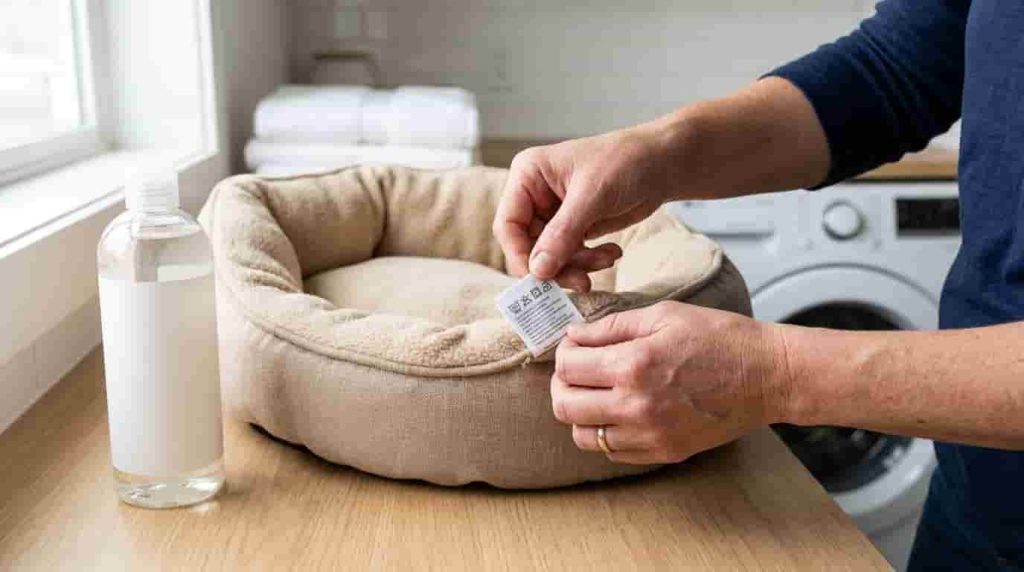
You start by checking the label for specific washing instructions for cat bed materials. Most modern pet products feature covers that come off easily. You should vacuum the surface first to remove loose hair and debris. Removing hair prevents your washing machine from clogging during the cycle.
Always choose the best detergent for cat beds that is fragrance-free. Strong chemicals or heavy perfumes irritate a cat’s sensitive nose. Therefore, gentle soaps ensure a clean result without causing any discomfort. You finish by drying the bed thoroughly to prevent any mold growth.
Steps for Cleaning a Cat Bed Safely
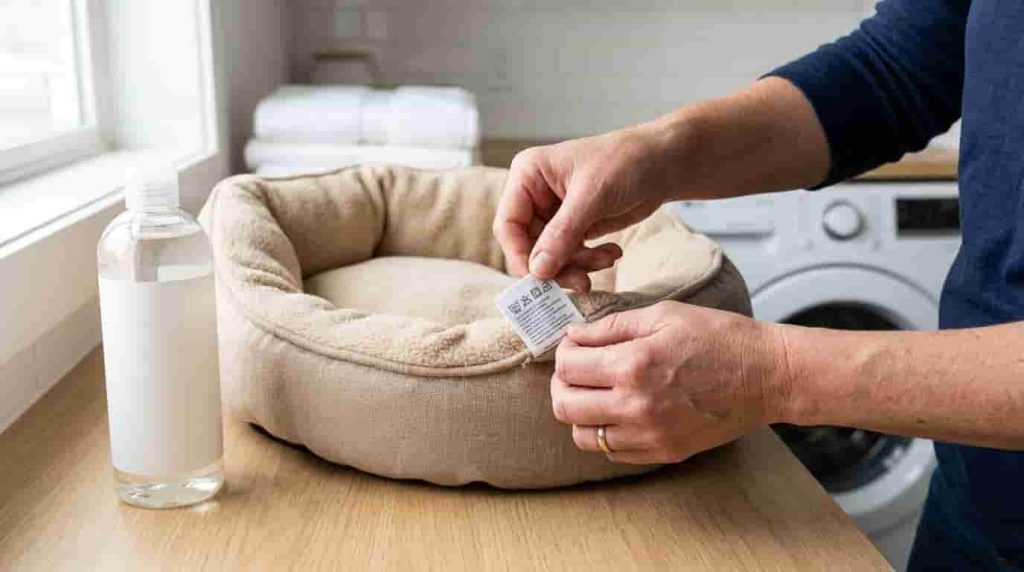
You perform cat bed washing in a few easy stages. First, remove any outer covers or padding from the main structure. If the bed is small, you might use a basin for hand washing. However, most owners prefer the ease of machine washable cat beds.
You use a gentle cycle with warm water to kill any germs. Additionally, add a second rinse to ensure no soap residue stays behind. Because cats lick their fur, you must keep the fabric chemical-free. Finally, you dry the bed on a low-heat setting for safety.
Tips for Washing a Cat Bed Without Mess
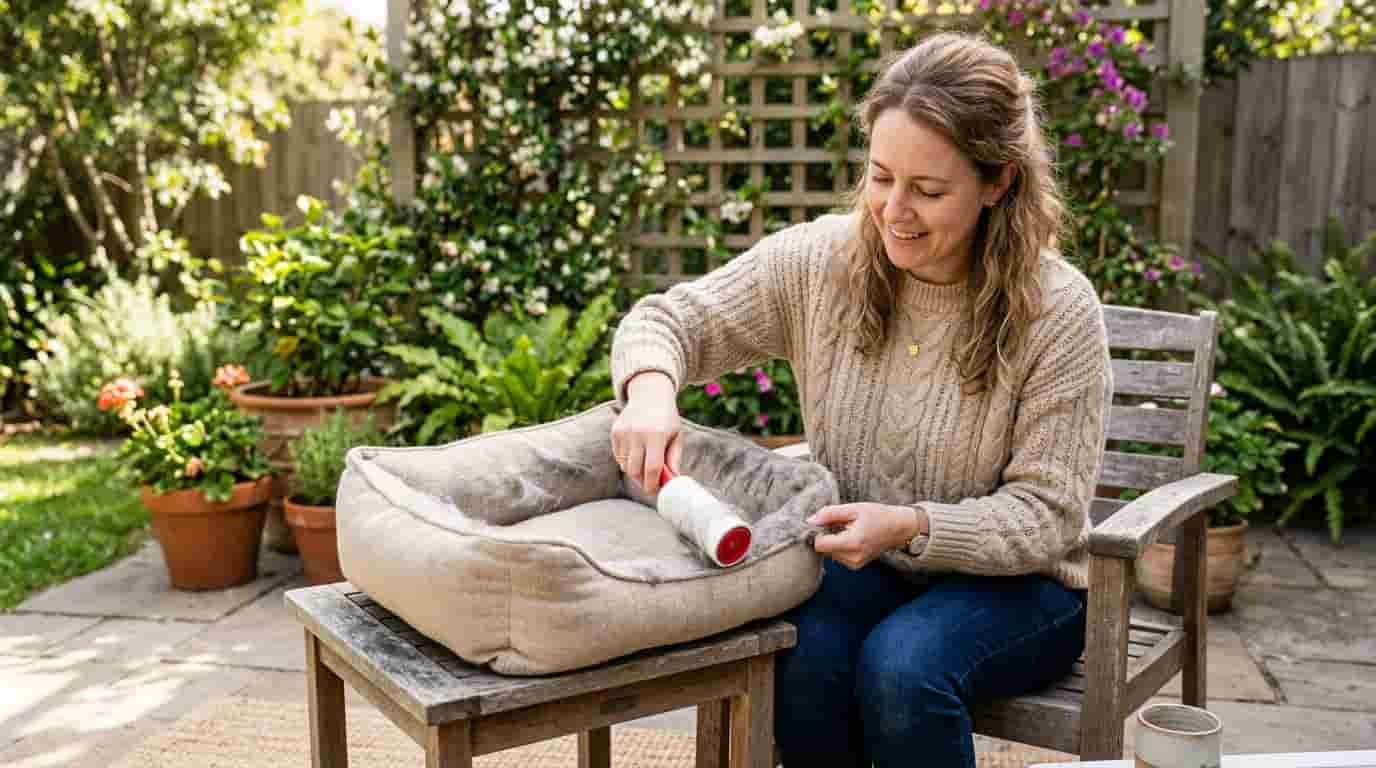
You encounter one big problem: how to remove cat hair from bedding? Vacuuming works, but it rarely gets every single stubborn strand. Many owners use rubber gloves to wipe the fabric surface effectively. The rubber creates friction that pulls hair into easy piles.
Alternatively, you add a half-cup of white vinegar to the wash. Vinegar helps loosen hair and removes tough pet odors naturally. Therefore, you keep your laundry clean and fresh without harsh additives. Your machine stays safe while you achieve a perfect deep clean.
Maintaining Your Cat’s Cozy Home Environment

You work hard to create a sanctuary for your feline companion. Cleaning the bed is just one part of total house maintenance. For example, you also protect your furniture with Cat Couch Covers: The best fabrics for resisting claws and fur. to save your sofa. Keeping everything fresh makes your entire home feel much cleaner.
Also, think about how your cat uses vertical space around the house. You might add Cat Wall Shelves: Creating a vertical playground in small apartments. to give them more room to play. When you clean their bed, you also check these areas for dust. A tidy home keeps your cat happy and active every day.
Protecting Your Furniture With Smart Tools

Sometimes you face a battle with sharp claws on your favorite chairs. Read Cat Scratching Tape: Using sticky strips to save your furniture. to see how you stop destructive scratching habits. You use these tools to guide your cat toward appropriate scratching posts. Proper training and clean spaces help every pet live better.
You want a home that looks great while serving your cat’s needs. By combining smart tools with regular cleaning, you reach that goal. Your cat appreciates the effort you put into their comfort. They reward you with purrs and many hours of peaceful sleep.
Frequent Cat Bed Maintenance Guide
One cat owner, Tom, felt shocked when his cat stopped using her bed. He thought she just wanted to sleep on his expensive sweater instead. Once he performed a thorough cat bed washing, she returned immediately. He realized she needed a fresh space to feel safe.
His story proves that simple maintenance changes a cat’s daily life. You should establish a schedule to clean the bed every two weeks. If your cat spends a lot of time outside, clean it more often. You stay ahead of dirt and smells with this easy habit.
Expert Advice on DIY Cat Bed Cleaning
VCA Animal Hospitals reminds us that pet health starts with basic hygiene. You do not need fancy equipment to maintain a clean pet bed. Use your regular washing machine and mild, unscented soap every time. This simple routine keeps your cat safe from potential skin infections.
Always inspect the foam or stuffing after you wash the cover. If you see lumps or broken pieces, replace the interior support. A comfortable bed supports your cat’s joints as they get older. You invest in their long-term health when you replace worn items.
Conclusion
Cat Bed Washing is a small task with a huge impact on happiness. You keep your pet healthy, comfortable, and cozy with this routine. Remember to remove hair, use mild soap, and dry completely. Your cat will definitely appreciate the effort you put into their sleep.
Do you have a secret tip for cleaning pet laundry efficiently? Share your favorite method or ask a question in the comments below! We love hearing how you keep your feline friend comfortable and clean.
Frequently Asked Questions
You should aim to wash the bed every two weeks. If your cat uses it daily, you might increase frequency to weekly.
Most beds are machine washable, but always check the tag first. Some foam beds require spot cleaning or hand washing instead.
Use an enzyme-based pet cleaner to break down organic stains. Let it sit for ten minutes before you put the bed in.
Avoid using dryer sheets, as the perfumes can irritate a cat. Use dryer balls if you need to soften the fabric instead.
Yes, look for canvas or microfiber materials if you want to repel hair. These fabrics allow you to brush off fur quickly.