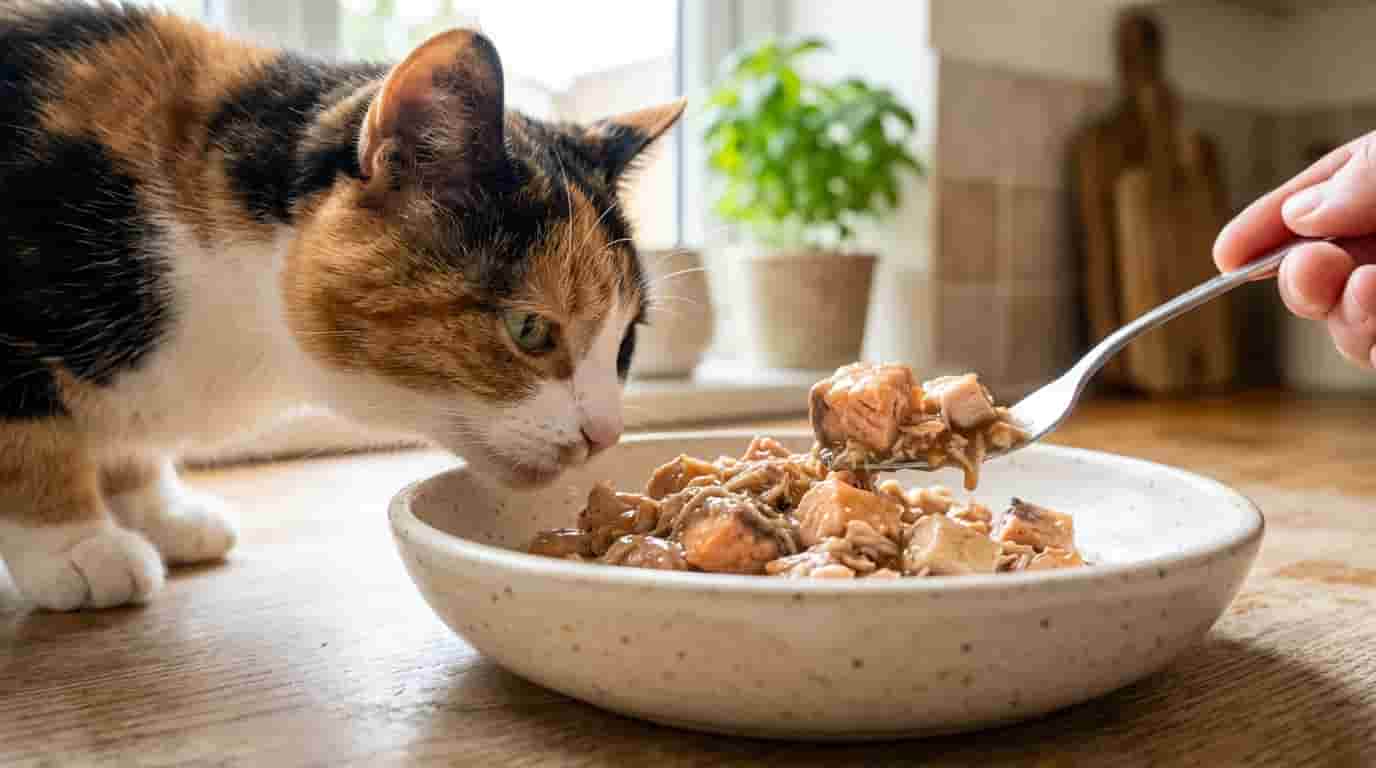
Old cat Diet: Changing nutrients for cats over ten years.
Introduction:
Old cat diet adjustments support graceful aging in senior felines. Have you ever noticed your senior cat sleeping more and playing less? Therefore, many worried owners wonder if changing food bowls helps restore energy. However, aging bodies process nutrients differently than young cats do. Standard adult meals fail to support declining organ functions. Consequently, senior cats need specialized nutritional support.
Managing an old cat diet requires careful attention to daily health. Senior feline nutrition protects joints and kidneys as pets age. Therefore, understanding aging cat feeding strategies changes everything. Let us examine why nutrient adjustments matter for older pets.
Why an Old cat Diet Requires Careful Planning
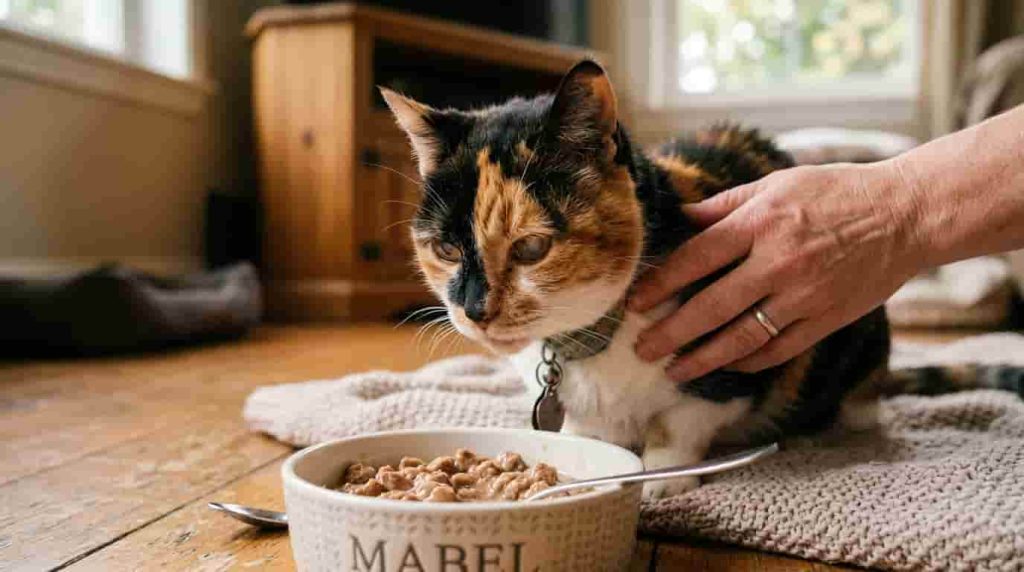
An old cat diet demands precise protein and calorie adjustments. Senior cats often lose muscle mass while gaining unwanted fat. Therefore, choosing a proper diet for older cats preserves lean body tissue. Dr. Richard Goldstein from the Cornell University College of Veterinary Medicine notes that elderly felines require highly digestible proteins to maintain muscle health.
Lower activity levels mean older pets burn fewer daily calories. Therefore, managing weight in older cats prevents joint stress. You must monitor portion sizes closely. Next, you will discover how protein quality supports aging bodies.
Protecting Kidneys With Quality Protein
Older kidneys work less efficiently over time. Therefore, providing nutritious meals for senior cats protects internal organs from overwork. High-quality protein sources reduce metabolic waste.
Dietary requirements for aging cats focus on digestibility rather than restriction. Furthermore, senior cat meal plan options include moisture-rich ingredients to support hydration. Hydration remains vital for urinary tract wellness.
Supporting Joint Mobility and Comfort
Senior cats frequently develop stiff joints and arthritis. Therefore, incorporating omega fatty acids into a specialty diet for senior cats reduces inflammation. Cats move more comfortably when joints receive proper nutritional support.
Active movement keeps older pets happy. Therefore, targeted senior cat nutrition improves overall daily quality of life significantly.
Shifting from Early Life Stages to Senior Care

Feline nutritional needs change dramatically across a lifetime. Early development requires heavy calories and dense building blocks. You can read Cat Kitten Food: Why they need higher fat and protein to understand how baby cats process high-energy formulas.
As pets mature, dietary focuses shift toward maintenance and organ protection. Some owners experiment with alternative carbohydrate profiles. You can read Cat Grain Free: The pros and cons of a carb free diet to explore how removing grains affects digestion. Furthermore, raw options provide alternative moisture sources. You can read Cat Raw Feeding: A guide to the “biologically active” diet to discover bio-available meal preparation strategies.
Addressing Dental Health Changes
Older cats often experience dental pain or tooth loss. Therefore, hard dry kibble causes eating discomfort. Wet food options provide soft textures that senior cats eat easily.
Furthermore, warm wet food releases stronger aromas. Strong smells stimulate poor appetites in aging felines. Therefore, wet formulas solve multiple senior feeding challenges at once.
Finding the Best Food for Older Cats
Shopping requires careful label reading. The best food for aging cats highlights named animal proteins and added joint supplements. Therefore, finding a healthy diet for old cats protects your pet from nutritional deficiencies.
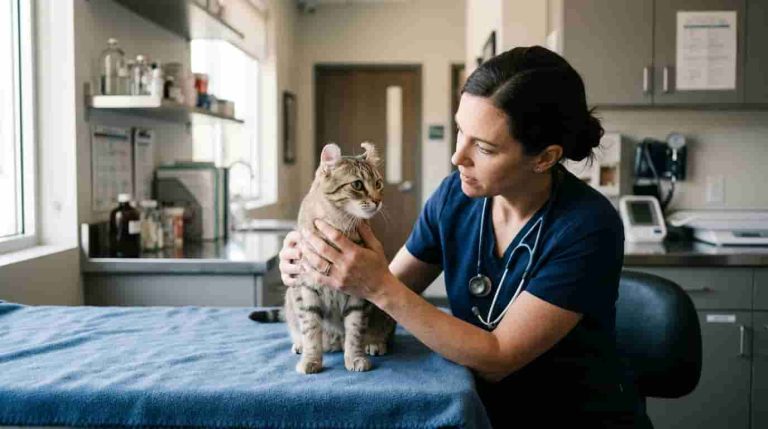
Popular brands offer specialized senior lines. However, veterinary guidance ensures you pick the exact right formula for your cat’s medical history. Regular blood work reveals hidden deficiencies early.
Establishing Consistent Feeding Routines
Older cats crave predictable daily schedules. Therefore, feed your senior cat at the exact same hours every single day. Consistent routines reduce stress.
Furthermore, elevate food bowls slightly to ease neck strain during meals. Small comfort adjustments make a massive difference for aging pets. Observation ensures your senior cat eats well.
Summary of Old cat Diet Guidelines
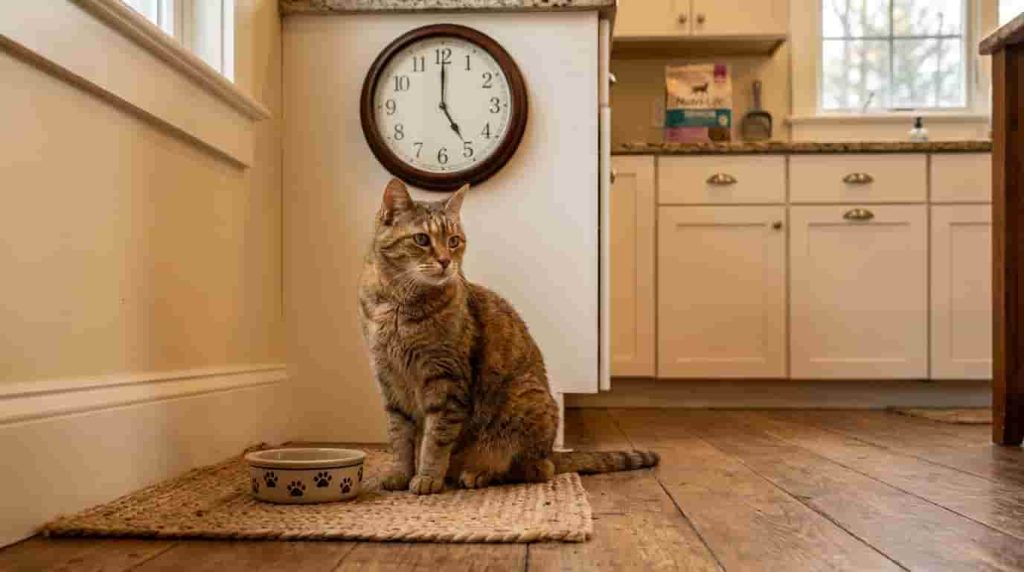
Old cat diet modifications protect senior pets from age-related health declines. We explored protein quality, joint support, dental adjustments, and feeding consistency. Each change helps your older cat stay comfortable.
Senior feline nutrition takes patience and veterinary supervision. Always prioritize digestible proteins and proper hydration. Balanced meals support long and happy senior years.
What is your senior cat’s favorite food? Share your experience in the comments below!
Frequently Asked Questions
Most cats transition to a senior diet around seven to ten years of age. Consult your veterinarian for personalized timing based on health status.
Yes, decreased activity levels mean older cats burn fewer calories. Adjusting portions prevents unhealthy weight gain and joint stress.
Weight loss stems from dental pain, organ disease, or poor nutrient absorption. Always schedule a veterinary checkup if your senior cat loses weight suddenly.
Wet food provides essential hydration and soft textures for sensitive teeth. It supports kidney health and stimulates poor appetites effectively.
Warm their food slightly to enhance aromas and use elevated bowls to ease neck strain. Quiet feeding spaces also reduce mealtime stress.