Cat Grain Free: The pros and cons of a carb free diet.
Introduction:
Cat grain free diets spark intense debates among pet owners everywhere. Have you ever wondered if commercial kibble harms your feline friend? Therefore, many worried owners look closely at ingredient labels. However, marketing claims often confuse loving pet parents. Standard bags contain heavy starches that cats do not need. Consequently, switching to cat grain free options changes digestive health completely.
Evaluating cat grain free recipes requires understanding feline biology. Cats process animal proteins efficiently while handling carbohydrates poorly. Therefore, exploring cat grain free nutrition helps you make smart choices. Let us examine the true pros and cons of removing grains.
Why Cat Grain Free Diets Gain Massive Popularity
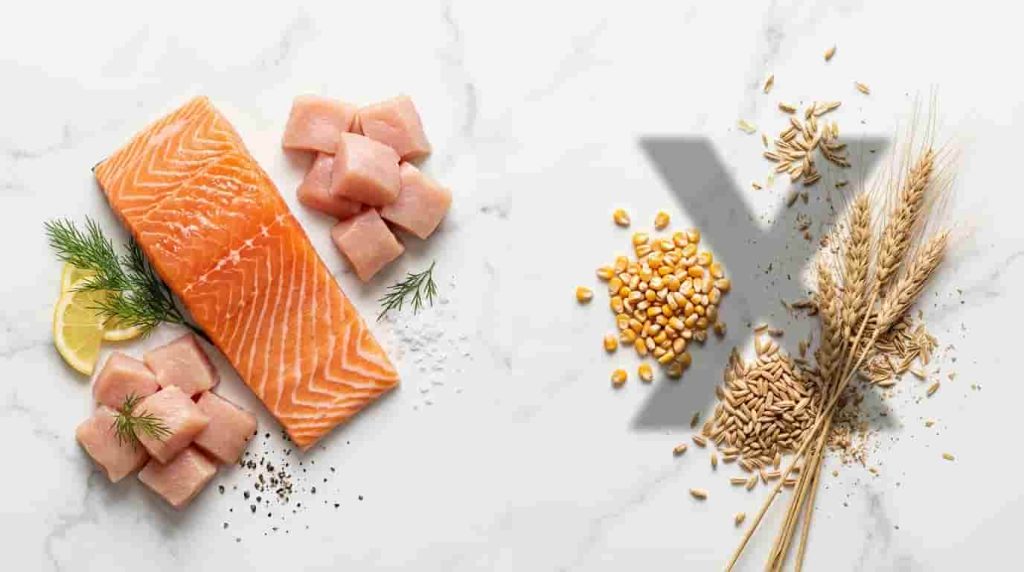
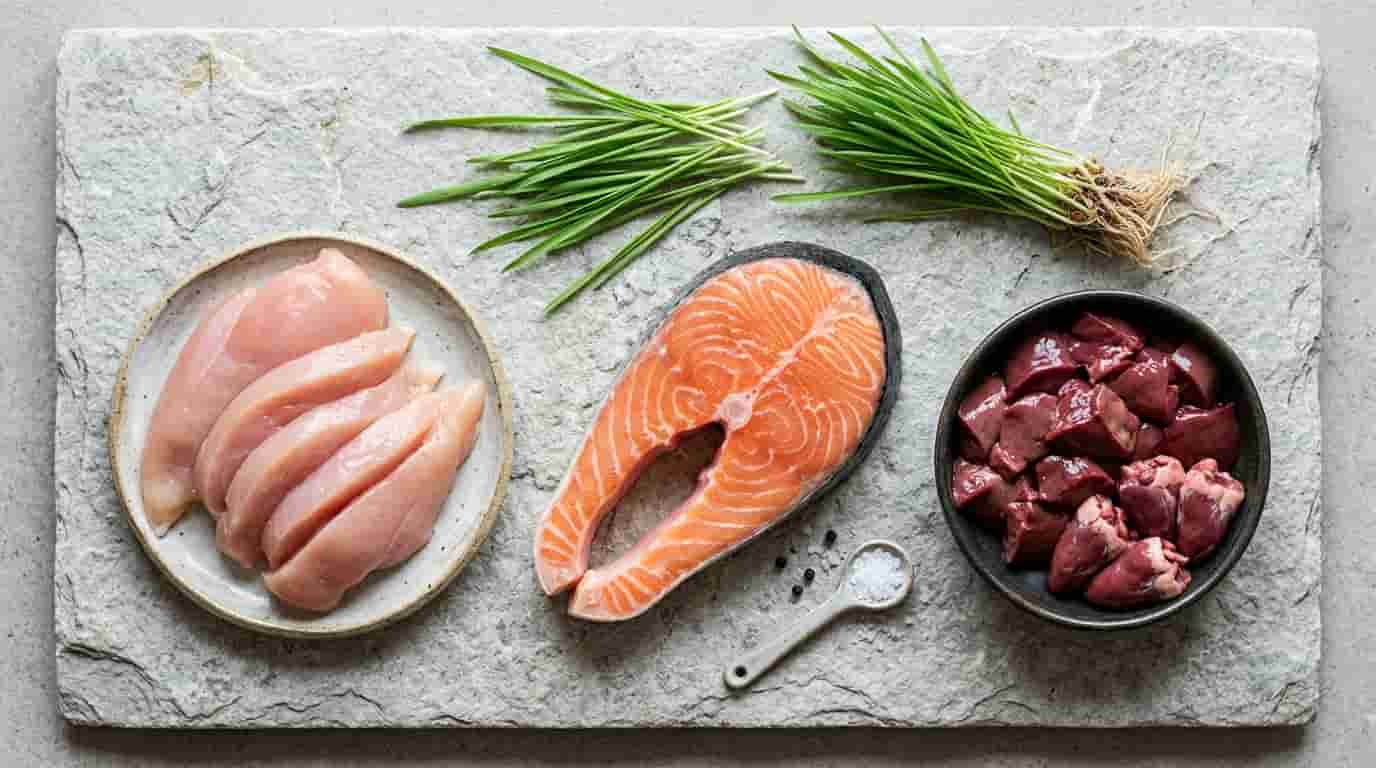
Cat grain free diets offer distinct benefits for many pets. Eliminating corn and wheat reduces unnecessary plant fillers. Furthermore, high protein cat food formulas support lean muscle development. Dr. Ernest Ward from VCA Animal Hospitals notes that quality protein maintains vital organ function in adult felines.
Many owners notice improved coat shine after switching. Therefore, choosing a grain free cat food option improves overall vitality. You must evaluate ingredient quality carefully before buying. Next, you will discover potential drawbacks.
Understanding Potential Drawbacks
Grain free formulas often substitute wheat with heavy potato starches. Therefore, calories can remain surprisingly high. Some pets gain unwanted weight on starchy alternatives.
Furthermore, premium cat food prices strain tight monthly budgets. You must weigh financial costs against health benefits. Careful planning prevents accidental nutritional gaps.
Choosing Safe Commercial Options
Shopping requires reading fine print on bags. Selecting the best grain free cat food brand protects your pet from fillers. Therefore, look for named meat meals as primary ingredients.
Kittens have vastly different nutritional requirements than adult cats. You can read Cat Kitten Food: Why they need higher fat and protein to understand rapid developmental needs. Proper growth demands specific nutrient ratios.
Balancing Nutrition in a Grain Free Cat Diet
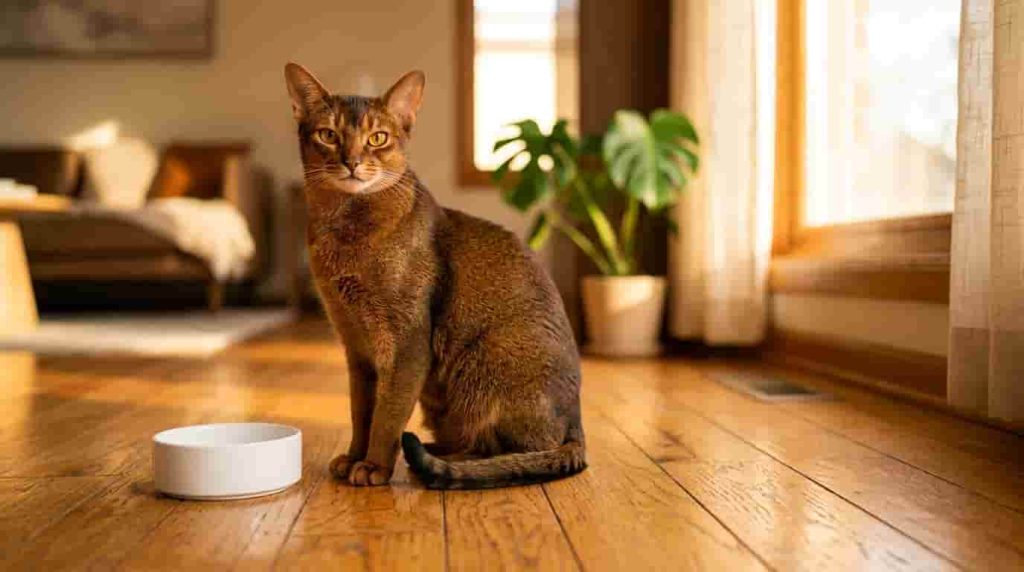
A grain free cat diet mimics ancestral eating habits closely. Wild felines consume almost zero carbohydrates in nature. Therefore, reducing plant matter aligns with natural instincts.
However, older cats require specialized dietary considerations. You can read Old cat Diet: Changing nutrients for cats over ten years to learn how aging bodies process proteins differently. Senior pets need tailored care to protect kidney function.
Exploring Raw Alternatives
Some owners prefer ditching dry kibble altogether. Raw meals provide maximum moisture and zero starches. You can read Cat Raw Feeding: A guide to the “biologically active” diet to explore biologically appropriate feeding methods. Fresh ingredients eliminate processed binders completely.
Transitioning takes time and patience. Therefore, you must mix new foods gradually over two weeks. Sudden changes upset sensitive stomachs.
Evaluating Natural Cat Food Choices
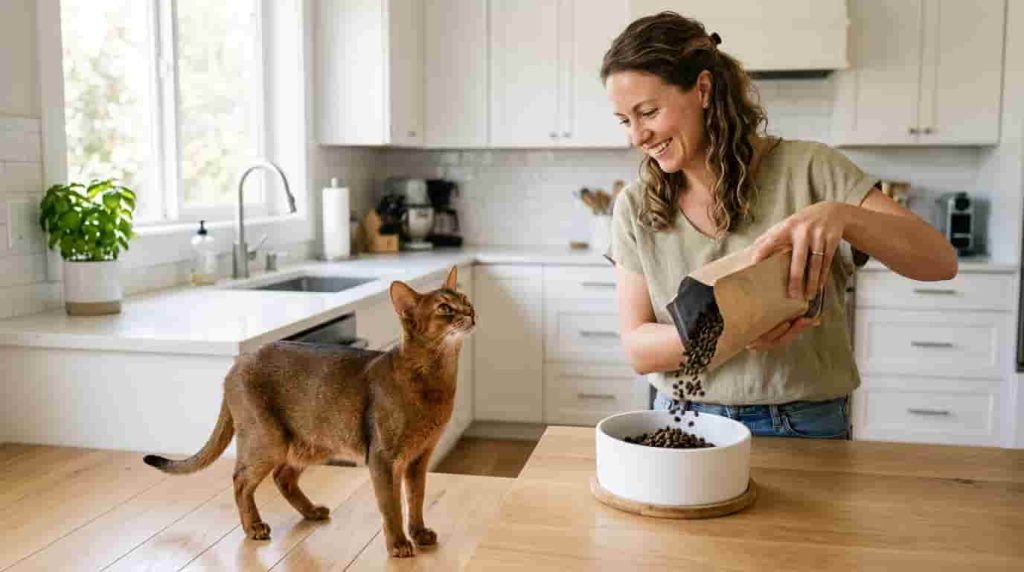
Natural cat food options prioritize whole animal ingredients. Manufacturers avoid chemical preservatives and artificial dyes. Therefore, sensitive cats experience fewer skin allergies.
Reading labels teaches you to spot hidden sugars. Premium grain free cat food options list real meat first. Furthermore, high-quality grain free cat food supports steady daily energy levels.
Managing Daily Feeding Routines
Consistency keeps your indoor cat healthy. Measure daily portions accurately to prevent obesity. Therefore, active play sessions combined with proper portions maintain ideal body weight.
Always provide fresh water in multiple locations. Hydration supports long-term urinary tract health. Modern fountains encourage cats to drink more frequently.
Summary of Cat Grain Free Diets
Cat grain free diets provide an interesting alternative to traditional commercial kibble. We explored protein benefits, potential starch drawbacks, senior needs, and raw feeding methods. Each factor influences your cat’s long-term health.
Choosing cat grain free nutrition takes careful research and veterinary guidance. Always prioritize high-quality animal proteins over plant fillers. Balanced meals keep pets thriving.
What is your experience with grain free diets? Share your thoughts in the comments below!
Frequently Asked Questions
Cat grain free means the food contains no corn, wheat, rice, or soy. Manufacturers replace these grains with alternative starches or extra protein.
Grain free food often provides higher protein content and fewer fillers. However, suitability depends on your cat’s specific health needs and age.
Some grain free recipes use potatoes or peas as binders. These starches add extra calories that can lead to weight gain if unmeasured.
Cats are obligate carnivores requiring animal protein. They lack nutritional requirements for dietary carbohydrates, though small amounts help form kibble.
Mix a small amount of new food into current meals. Increase the new portion gradually over ten days to prevent digestive upset.