Cat Raw Feeding: A guide to the “biologically active” diet.
Introduction:
Cat raw feeding changes how modern pet owners approach feline nutrition. Have you ever wondered what cats ate before humans invented processed kibble? Therefore, many owners look back at ancient feline history. However, shifting away from commercial bags requires careful planning. Standard kibble lacks moisture. Consequently, domestic cats often suffer from hidden dehydration issues.
Exploring cat raw feeding offers a fresh perspective on health. Many owners worry about safety risks and bacteria. Therefore, understanding the raw food diet for cats changes everything. Let us examine how fresh meat impacts your pet.
Why Cat Raw Feeding Sparks Debate
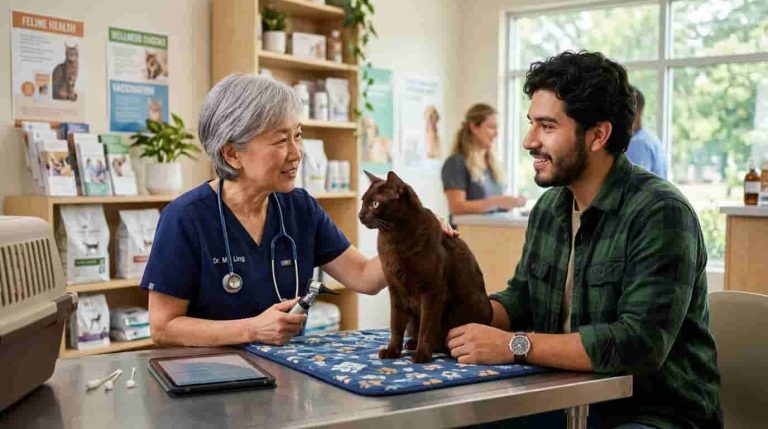
Cat raw feeding divides veterinary experts worldwide. Some professionals praise the natural ingredient profiles. Others warn about nutritional imbalances and bacterial contamination. Dr. Lisa Freeman from the Cummings School of Veterinary Medicine at Tufts University notes that unverified raw recipes often lack essential vitamins.
Balancing minerals requires precise calculations. Therefore, following a reliable raw feeding guide keeps your pet safe. You must source high-quality ingredients. Next, you will discover the primary benefits of cat raw feeding.
Unlocking Natural Energy and Digestion

Felines process animal protein with incredible efficiency. When you start cat raw feeding, digestion becomes smoother. Furthermore, waste volume often drops significantly because bodies absorb more nutrients.
Many owners notice shinier coats within weeks. Therefore, the benefits of raw feeding extend far beyond basic meals. Cats display higher energy levels and playful spirits.
Avoiding Unwanted Carbohydrates
Commercial kibble relies heavily on plant starches to hold shapes. However, obligate carnivores process carbs poorly. If you want to explore grain alternatives, you can read Cat Grain Free: The pros and cons of a carb free diet to learn how eliminating starches affects blood sugar.
Transitioning requires patience. Therefore, you must manage diet changes slowly. Next, we will explore practical preparation steps.
Preparing Homemade Cat Food Safely
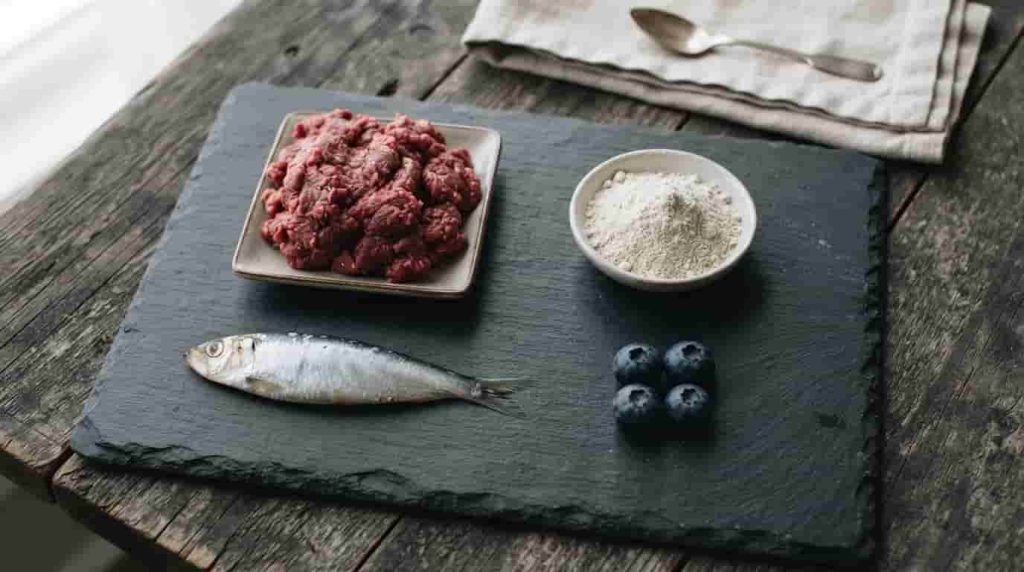
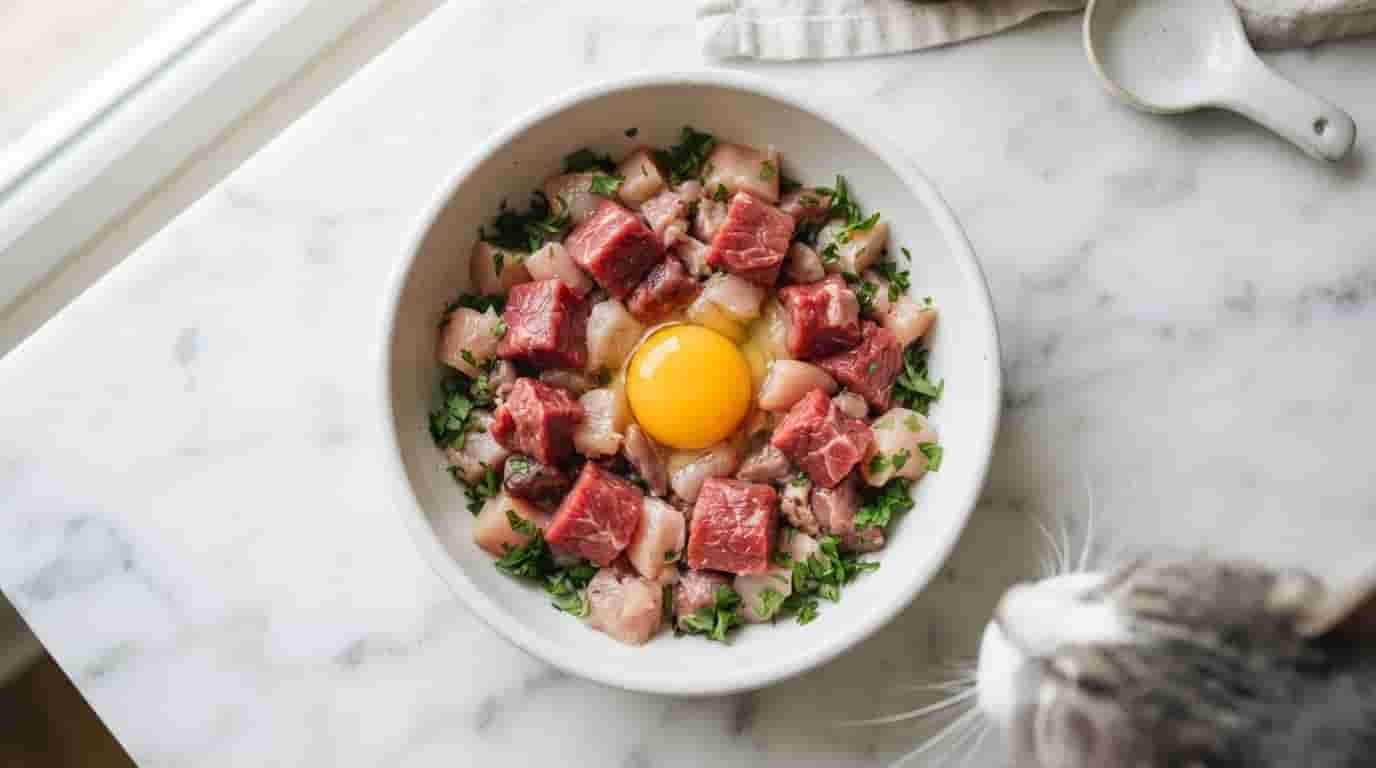
Making meals at home demands strict kitchen hygiene. Germs multiply quickly on raw meat surfaces. Therefore, sanitizing counters and bowls protects your human family members too.
Some owners prefer preparing homemade cat food from scratch. However, grinding bones safely requires specialized kitchen equipment. Alternatively, purchasing commercial frozen meals simplifies the process.
Finding the Best Raw Cat Food Brands
Choosing safe commercial products saves precious time. The best raw cat food brands test batches rigorously for harmful bacteria. Therefore, you avoid dangerous pathogens like salmonella.
Reading ingredient labels matters greatly. Look for whole muscle meat, organs, and ground bone ratios. Furthermore, kittens have different nutritional requirements than adults. You can read Cat Kitten Food: Why they need higher fat and protein to understand developmental energy needs.
Transitioning to Raw Diet Success

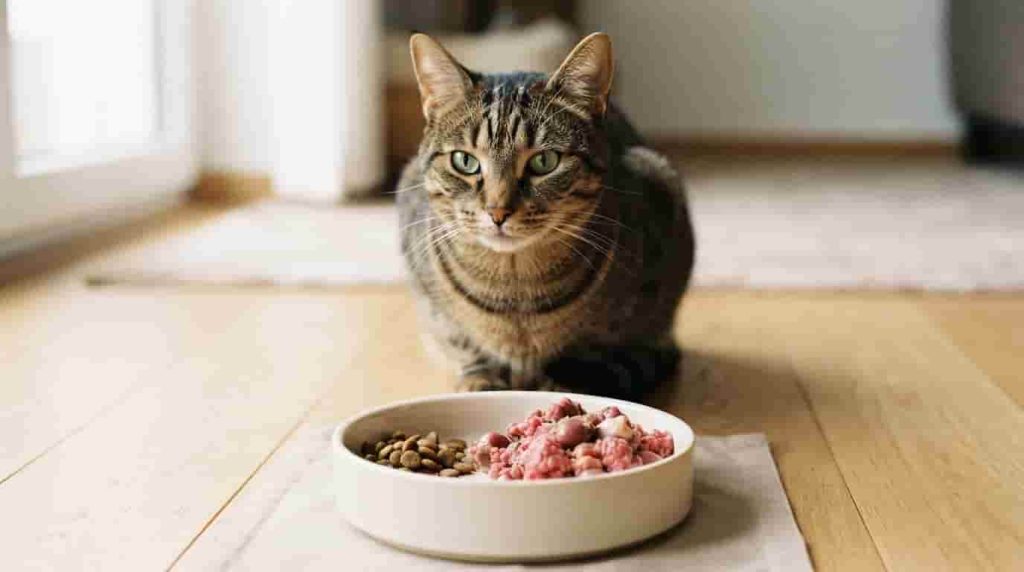
Switching food bowls takes time. Cats hate sudden changes in flavor and texture. Therefore, transitioning to raw diet routines requires a gradual mixing approach.
Start by blending a tiny spoonful of raw meat into their current wet food. Next, increase the raw portion slowly over two weeks. Patience guarantees success.
Managing Senior Nutritional Shifts
Older felines process nutrients differently than young adults. Therefore, adjusting protein ratios prevents kidney strain. You can read Old cat Diet: Changing nutrients for cats over ten years to learn how aging impacts dietary needs.
Maintaining proper hydration remains vital throughout every life stage. Raw moisture content supports urinary tract health naturally.
Summary of Cat Raw Feeding Principles

Cat raw feeding provides a biologically appropriate alternative to processed kibble. We explored digestive health, kitchen safety, commercial brands, and transition strategies. Each step ensures your cat thrives.
Understanding cat nutrition takes dedication and research. Always consult a veterinarian before changing meal plans. Proper balance keeps pets healthy.
What is your opinion on raw diets? Share your experience in the comments below!
Frequently Asked Questions
Cat raw feeding involves serving uncooked meat, organs, and bones that mimic a wild prey diet. It focuses on high protein and zero grains.
Raw food carries bacterial risks if not handled properly. Sourcing high quality ingredients and sanitizing prep areas prevents contamination.
Mix a small amount of raw food into their current meals. Increase the raw portion gradually over a two week period.
Yes, high moisture and pure protein improve nutrient absorption. Many owners notice smaller litter box waste volumes.
Kittens need specific calcium and phosphorus ratios for bone growth. Always use balanced recipes designed specifically for growing cats.