
Cat Fire Safety: Getting your pet out of the house in an emergency.
Introduction:
Cat fire safety starts with a simple question that every owner dreads asking themselves. What would you do if your smoke alarm screamed at two in the morning?
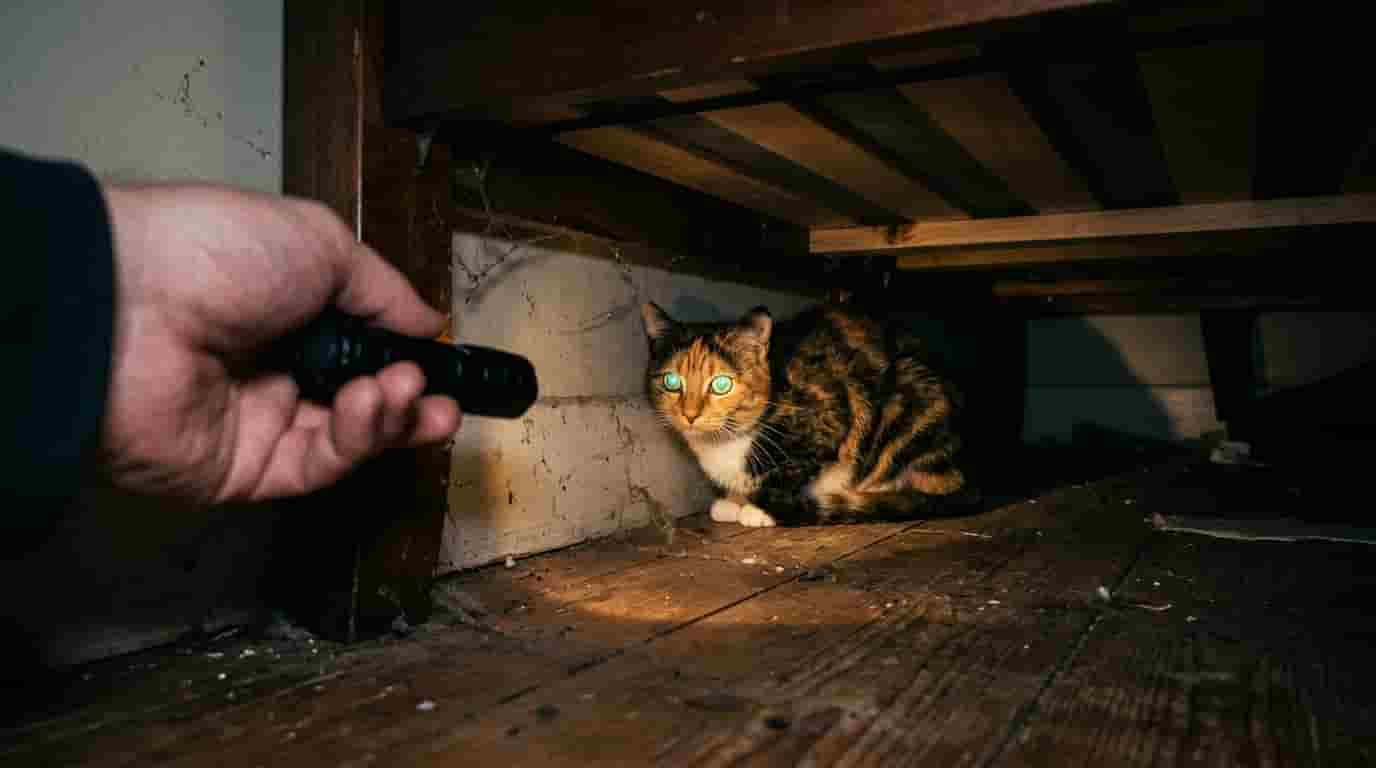
Smoke fills your hallway rapidly. You have under two minutes to get outside safely. Your heart beats wildly as you scream for your precious pet. You search under the bed, but you find nothing. Where do nervous felines actually go during a crisis?
Most owners assume their pets will run straight to the front door. Yet instinct drives felines to crawl into hidden spaces during alarms. Flashing lights and high noises frighten them deeply. Understanding feline psychology during crises saves precious lives. Fire safety for cats requires proactive preparations long before smoke appears.
You cannot afford to search blindly under furniture during a real blaze. Let us explore the exact steps to rescue your animal quickly.
Understanding Cat Fire Safety and Hidden Instincts

Felines react differently than dogs during unexpected house emergencies. Dogs usually seek human help when loud noises startle them. Felines sprint toward dark, hidden places instantly.
A sudden smoke alarm creates immediate panic in your house. Your pet sees blinding light and hears terrifying loud shrieks. Their natural survival instinct orders them to freeze or hide deeply.
Where do they usually flee first? Felines often wedge themselves behind washing machines or under heavy mattresses. Firefighters frequently find terrified pets tucked inside quiet closets or behind sofas.
Finding a hiding feline wastes valuable time during smoke threats. You need to know their exact favorite spots today. Inspect your home right now for tight hiding zones. Block off dangerous, unreachable spots whenever possible.
Building an Effective Cat Evacuation Plan
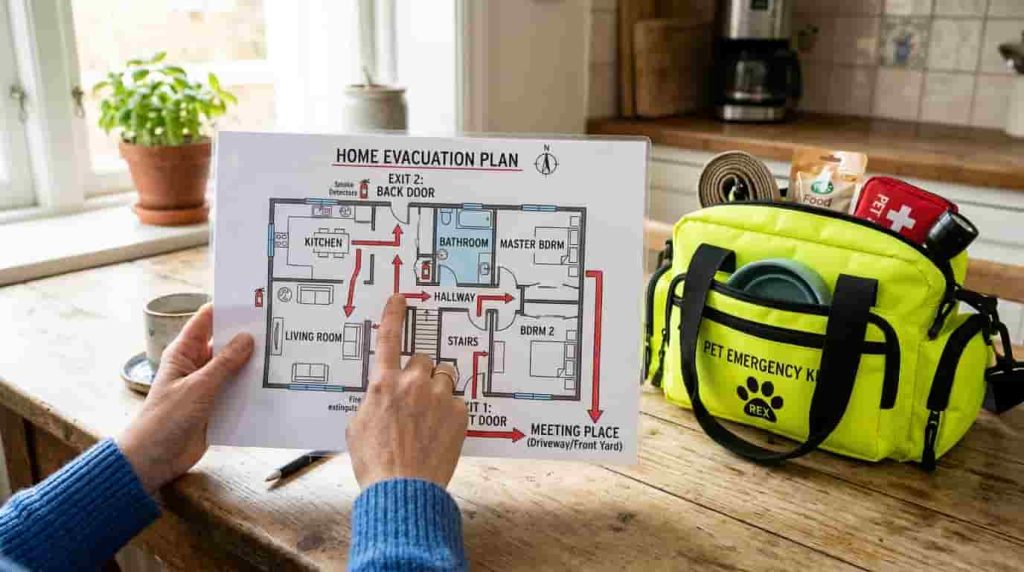
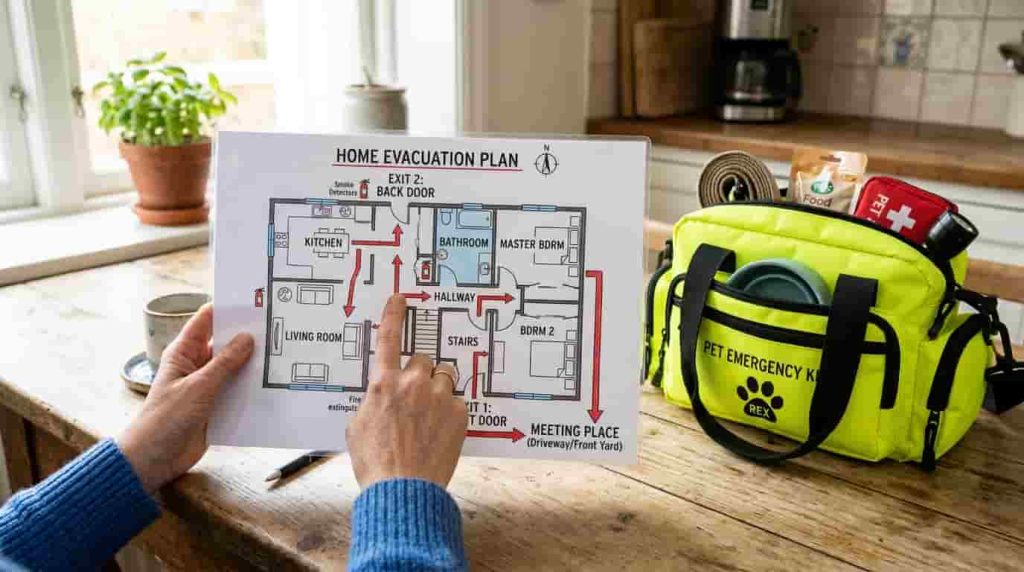
Creating a cat safety plan turns chaotic panic into fast action. You must prepare a dedicated exit route for your family.
First, keep your pet carrier in an accessible, open area. Storing carriers in deep basements costs vital minutes during fires. Leave the carrier door open near living areas daily. Place treats inside so your pet feels completely safe entering.
Next, assemble a complete rescue kit near your exit door. Your emergency kit must include crucial supplies:
- A durable leash and soft harness.
- One thick bath towel for quick grabs.
- A three day supply of canned food.
- Medical records and emergency phone numbers.
Unexpected medical issues can happen while packing your emergency kits. You should read Cat Medication Storage: Keeping human pills away from curious paws to prevent accidental poisoning during routine packing.
Practice your cat evacuation plan twice every single year. Train yourself to grab the thick towel quickly. Wrapped towels prevent terrified pets from scratching your arms during escapes.
The American Veterinary Medical Association provides detailed pet emergency guidelines on the AVMA Official Site for families.
Safeguarding Cats From Fires Inside the Home

Safeguarding cats from fires starts with removing hidden home hazards. Curiously swiping paws easily start big accidents indoors.
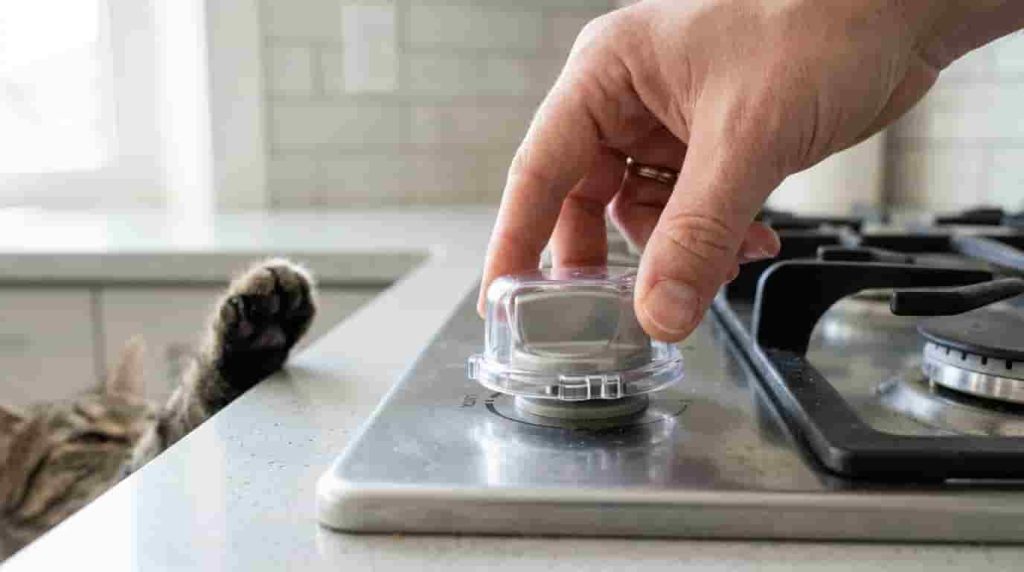
Open stove knobs attract playful pets when you leave the kitchen. Felines accidentally turn gas dials while jumping onto counters. You can buy simple stove knob covers at local hardware stores.
Flames from scented candles also lure curious whiskers very quickly. Switch to battery powered flameless candles to protect your house. Also, check your essential oils carefully. Certain diffusers create hidden smoke and chemical hazards for delicate lungs. Take time to check Cat Essential Oils: Which scents are toxic to feline livers before diffusing room scents.
Preventing home blazes saves your family from tragic losses. Simple daily habits reduce hazards significantly:
- Cover stove controls with plastic child safety locks.
- Blow out open flames before leaving any room.
- Extinguish fireplace embers fully every single night.
- Secure exposed electrical cords behind heavy furniture.
Cat Emergency Plan Tricks for Quick Extraction
Your house fills with thick grey smoke suddenly. You located your pet, but they refuse to move. How do you grab a terrified animal without losing precious time?
Never chase your pet around rooms wildly. Running causes pets to flee deeper into dangerous hidden corners. Instead, drop low to the floor where air remains clearer. Speak in low, calm, reassuring tones.
Approach your pet slowly with your thick bath towel ready. Throw the towel gently over their head and body quickly. The darkness instantly calms their firing nervous system.
Scoop the wrapped animal close to your chest firmly. Place them directly inside the carrier or zip them inside a pillowcase. Yes, a sturdy cotton pillowcase works amazingly well during sudden emergencies. Pillowcases allow air flow while holding pets securely during rapid exits.
Always keep your window screens unlocked for fast rescue access. Firefighters can enter rooms much easier when window access remains clear.
Fire Safety Checklist for Cats and Home Rescue Alerts
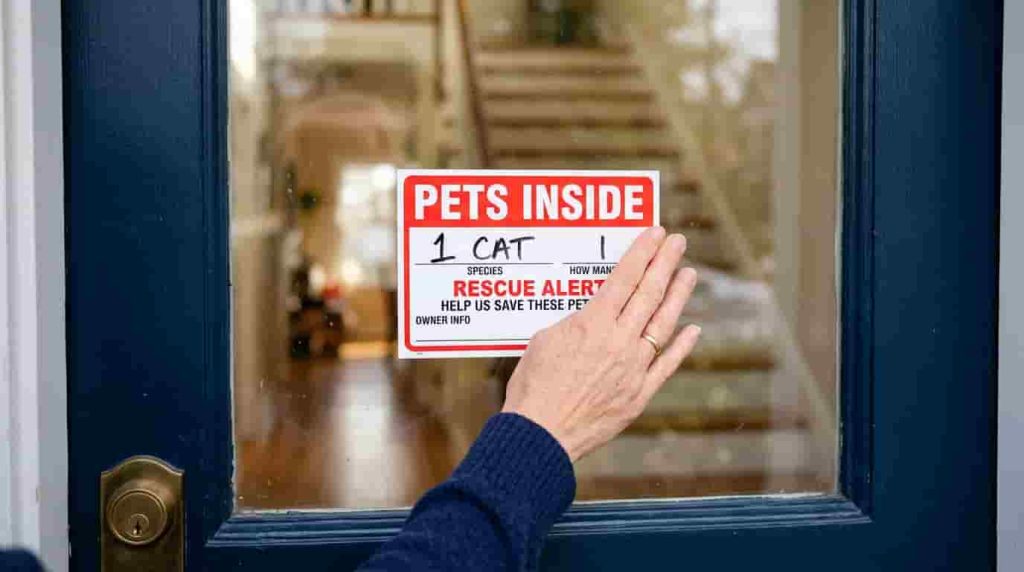
Fire safety checklist for cats requires alerting local emergency teams immediately. Firefighters need clear signs that animals live inside your home.
Place rescue window decals near every entry door today. These bright stickers tell rescue teams exactly how many pets live inside. Update the information instantly if you adopt new pets.
Never re-enter a burning building under any circumstances. Professional firefighters possess protective oxygen gear to rescue hidden animals safely. Inform the fire captain immediately about your pet’s favorite hiding room.
Home hazard control also means checking your indoor houseplants. Cats fleeing fires might chew plants out of sudden stress. Review Cat Poisonous Flowers: Why lilies are the most dangerous plant to keep your indoor spaces completely safe.
Check your smoke detectors every single month without fail. Working alarms give you early warnings to exit quickly. Early alarms make protecting your cat from fires manageable and safe.
The National Fire Protection Association shares home escape planning resources on the NFPA Official Webpage for pet owners.
Conclusion and Feline Fire Safety Essentials
Cat fire safety protects your entire family from sudden heartbreak. You now understand how felines hide during loud, scary events. You know how towels and strategic carriers save precious minutes.
Preparing emergency kits and clearing stove knobs stops disasters before they start. Practice your exit steps regularly so actions feel completely automatic.
Will you check your smoke alarms and locate your pet carriers today? Tell us your home emergency plan in the comments section below!
Frequently Asked Questions
Grab a thick towel to scoop up your cat fast. Place them into a carrier or sturdy pillowcase immediately. Exit the house without delay and never let them go outside uncontained.
Cats seek quiet, dark, and tight spaces when terrified. They often hide under beds, inside deep closets, or behind heavy appliances. Check these specific spots first during an evacuation.
Stick pet alert decals on front windows and exterior doors clearly. Write the exact number of cats living inside on the sticker. Tell arriving firefighters immediately if your pet remains trapped inside.
Yes, keeping carriers out helps your cat view them as safe spaces. Place comfortable blankets inside to build positive daily habits. This step reduces panic when fast evacuations become necessary.
Cats possess a much stronger sense of smell than human beings. They often detect faint smoke smells long before home alarms trigger. Pay close attention if your pet suddenly acts restless or panicked.