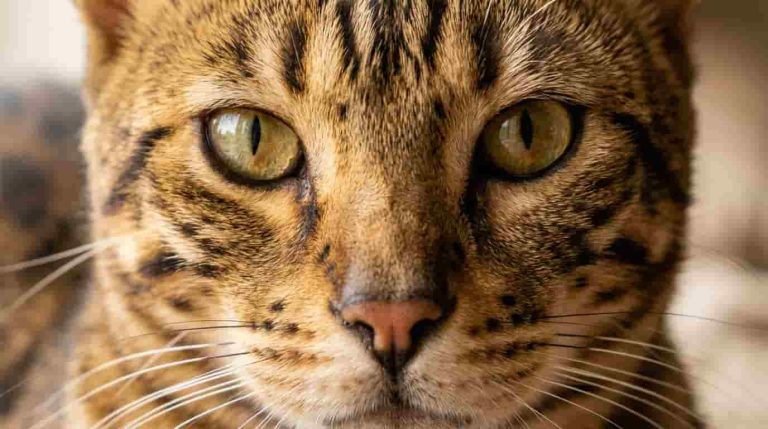

Cat Poisonous Flowers: Why lilies are the most dangerous plant.
Introduction:
Cat poisonous flowers hide in plain sight inside beautiful gift bouquets delivered right to your front door. What if a simple vase of fresh flowers on your dining table held an invisible threat?
A friend brings over a gorgeous bundle of bright Easter lilies to celebrate spring. You place the stems in water, enjoying their sweet fragrance across your living room. Your playful pet walks over, brushes against a soft green leaf, and gets a tiny speck of yellow dust on its fur.
A few minutes later, your companion licks that speck away during routine grooming. You think nothing of it as you drink your morning coffee.
Within hours, that single grain of pollen begins destroying healthy kidney cells inside your pet. Why do these lovely, popular blooms act like swift chemical toxins inside feline bodies?
Most plant risks cause mild stomach upset or itchy skin in domestic animals. True lilies operate completely differently, triggering total organ shutdown with microscopic doses.
Let us explore the hidden science behind these garden blooms and learn how to protect your home.
The Silent Threat of Cat Poisonous Flowers in Your Home

Cat poisonous flowers include several species, but true lilies from the Lilium and Hemerocallis families cause the worst damage. Every single part of these plants contains water-soluble toxins that target feline organ systems directly.
Pet owners often assume that animals must chew several leaves to get sick. On the contrary, drinking water from the flower vase delivers a fatal dose of toxin.
Microscopic pollen grains drop onto tables, rugs, and nearby pet toys without anyone noticing. Your pet steps on the powder, licks its paws, and swallows the poison instantly.
Recognizing Dangerous Blooms for Cats in Daily Life
Dangerous blooms for cats destroy epithelial cells lining the renal tubules inside the kidneys. Rapid cell death leads to acute kidney failure within 24 to 72 hours.
Early medical treatment makes the difference between complete recovery and sudden heartbreak. Inspect every floral gift thoroughly before bringing fresh plants into your living room.
Spotting Early Warning Signs of Plant Toxicity

Recognizing early symptoms gives your vet a fighting chance to save your pet’s life. Initial signs appear within one to three hours after exposure to toxic blooms.
Your pet might vomit repeatedly, drool excessively, or refuse its favorite morning treats. Dropping energy levels and sudden hiding under furniture signal severe internal distress.
As kidney damage progresses, urine production stops entirely within two days. Toxins build up rapidly in the bloodstream, causing severe lethargy and painful seizures.
Monitoring Cat Health and Safety After Plant Exposure
Protecting cat health and safety requires knowing exact toxicity symptoms. Experts at the Cornell Feline Health Center emphasize that immediate veterinary intervention remains critical during plant exposures.
Fluid therapy helps flush harmful compounds out of the bloodstream before permanent scarring occurs. Watch for these primary warning signs after bringing fresh greenery indoors:
- Sudden vomiting and loss of appetite.
- Excessive drooling or frequent pawing at the mouth.
- Extreme lethargy and weakness in back legs.
- Increased drinking followed by a total drop in urination.
Identifying Toxic Plants for Cats and Common Garden Hazards

Identifying toxic plants for cats requires knowing which specific botanical families carry dangerous chemicals. Daylilies, Tiger lilies, Stargazer lilies, and Easter lilies top the list of lethal plants.
Peace lilies and Calla lilies belong to different plant families that contain insoluble calcium oxalate crystals. These crystals cause intense burning in the mouth and throat, though they rarely cause kidney failure.
Autumn crocuses, azaleas, and oleanders also rank among harmful flowers for cats in home gardens. Sago palms present extreme dangers as well, causing severe liver failure if chewed.
Identifying Toxic Plants to Avoid for Cats Outdoors
Learning about toxic plants to avoid for cats helps you maintain a secure yard. Managing household safety also means securing all chemical hazards and medications in sealed boxes.
You should read Cat Medication Storage: Keeping human pills away from curious paws for complete home safety guidance. Simple daily awareness prevents accidental exposures across your entire living space.
Creating a Cat-Friendly Garden with Feline-Safe Flowers

Designing a cat-friendly garden lets you enjoy vibrant home greenery without worrying about emergency vet visits. Beautiful alternatives exist that pose zero health risks to curious pets.
Roses, sunflowers, snapdragons, and zinnias add bright colors while keeping your companions completely safe. Gerber daisies and orchids also offer stunning indoor decor options without chemical risks.
Consider adding pet-friendly landscaping features like potted cat grass, valerian, or fresh catnip patches. These plants satisfy your pet’s natural desire to chew green leaves safely.
Choosing Feline-Safe Flowers for Pet-Safe Gardening
Selecting feline-safe flowers simplifies your pet-safe gardening efforts every season. You must also monitor other airborne hazards around your home, including essential oil diffusers.
Protect delicate feline lungs by reading Cat Essential Oils: Which scents are toxic to feline livers today. Safe plant choices create a vibrant living environment where humans and pets thrive together.
Emergency Protocol for Accidental Plant Poisoning
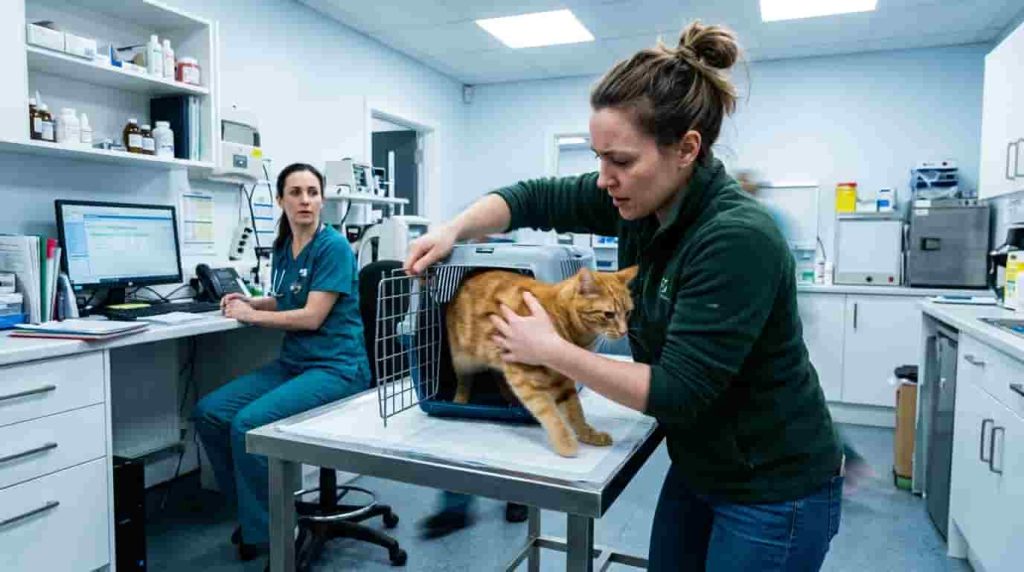
Taking fast action saves lives when you suspect your pet ingested dangerous flora. Do not wait for severe symptoms like vomiting or collapse to show up.
Carefully pull any remaining plant pieces out of your pet’s mouth right away. Place the plant sample inside a clean plastic bag to show your emergency vet.
Call your local veterinary clinic or the Pet Poison Helpline for immediate guidance. Transport your pet to the nearest emergency clinic without delay.
Managing Dangers to Cats in the Garden During Accidents
Managing dangers to cats in the garden requires quick thinking and reliable emergency contacts. Home emergency prep also means knowing how to evacuate your pets safely during unexpected fires or natural disasters.
Review Cat Fire Safety: Getting your pet out of the house in an emergency to build a complete emergency escape plan. Fast action combined with proper medical support gives your pet the best chance at recovery.
Protecting Your Pets from Cat Poisonous Flowers Daily
Understanding cat poisonous flowers helps you make smart choices when buying house plants or gift arrangements. True lilies represent an extreme threat that requires total exclusion from indoor spaces.
Checking plant labels and choosing safe species like sunflowers or roses keeps your home beautiful and secure. Teaching family members about plant risks prevents accidental poisonings before they happen.
Smart Tips for Cat-Proofing Your Garden

Focusing on cat-proofing your garden ensures lasting safety for your active pets. Creating a safe environment allows you to enjoy lush foliage while keeping your favorite pets healthy.
Small preventive choices today save your family from sudden medical crises tomorrow. Have you ever discovered a risky plant hiding in a gift bouquet at your house?
Share your stories and pet-safe gardening tips in the comments section below!
Frequently Asked Questions
True lilies like Easter lilies, Daylilies, Stargazers, and Tiger lilies carry the highest toxicity. Every part of these plants can cause rapid, acute kidney failure in felines. Other dangerous blooms include autumn crocuses, azaleas, and oleanders.
Yes, cats can recover if they receive aggressive veterinary care within six hours of exposure. Vets administer intravenous fluids to protect kidney function and flush out toxins. Delaying treatment past 18 hours significantly reduces the chance of survival.
Yes, lily pollen is extremely dangerous because it drops onto fur and paws easily. Cats lick the pollen off during grooming and swallow toxic doses quickly. Even sniffing a flower can transfer pollen directly to a cat’s nose.
Peace lilies are not true lilies, but they still cause oral irritation and swelling. They contain insoluble calcium oxalate crystals that burn the mouth, tongue, and throat when chewed. While rarely fatal, they cause drooling, pawing at the face, and vomiting.
Remove any remaining plant material from your cat’s mouth immediately. Collect a sample of the plant in a plastic bag and head to an emergency vet right away. Never induce vomiting at home without direct instructions from a licensed veterinarian.