Why Is My Kitten Breathing Fast While Sleeping?
Introduction:
Kitten Breathing Fast While Sleeping causes immediate panic for loving pet owners watching their new sleeping companion. What mysterious physical process causes a peaceful sleeping feline chest to rise and fall with rapid speed?
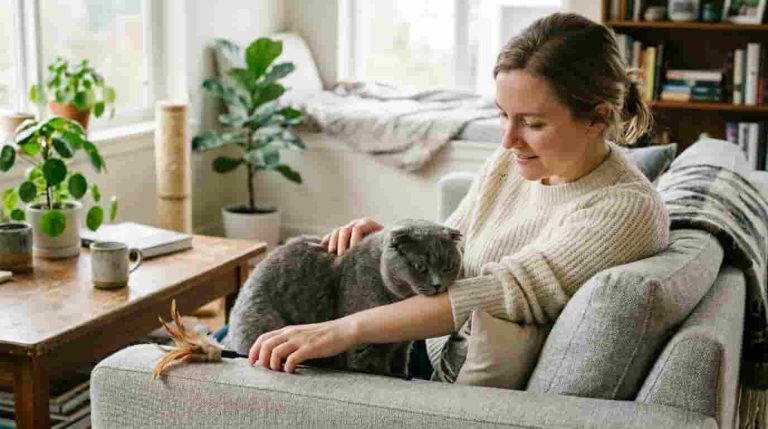
You sit quietly on your living room sofa during a quiet evening. Your small furry friend sleeps curled up tightly in your lap.
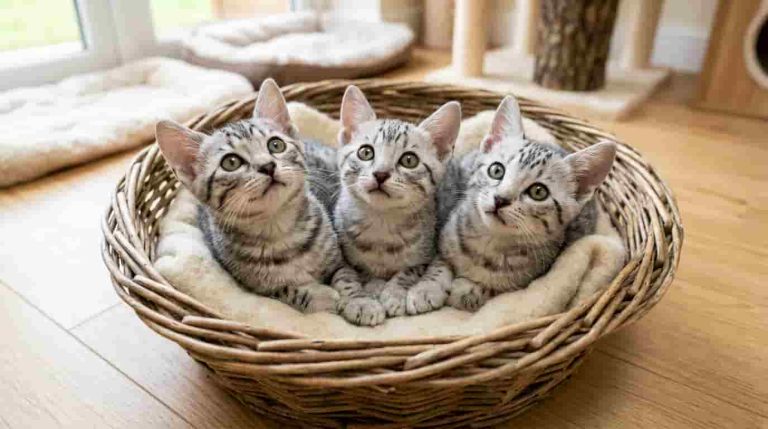
Suddenly, you notice their tiny ribs moving rapidly up and down. Their whiskers twitch nervously while soft paws kick invisible objects in the air.
Every observant pet parent experiences a sudden surge of fear during these quiet moments. Is your sleeping companion experiencing a dangerous medical emergency, or simply enjoying an active dream?
Young animals possess higher metabolic rates and faster heartbeats than fully grown adult felines. Consequently, a resting chest move faster than an adult cat chest under normal conditions.
Distinguishing normal sleeping twitching from true respiratory distress protects your pet and restores your peace of mind. Let us explore the surprising science behind sleep cycles, body heat, and respiratory health in growing felines.
1. Uncovering REM Dreams Behind Kitten Breathing Fast While Sleeping
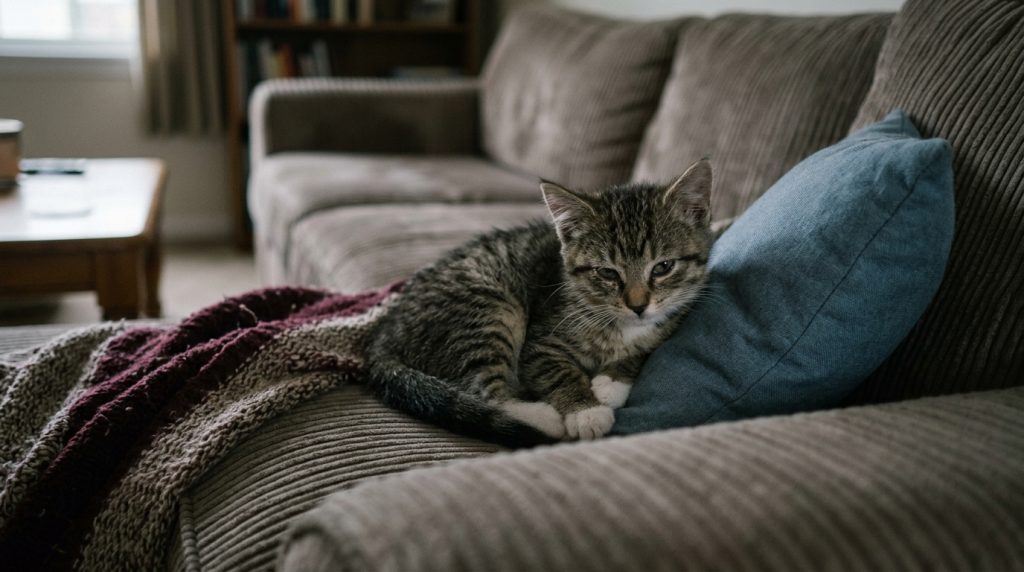
Rapid eye movement sleep creates vivid dream worlds for growing felines resting on cozy blankets. During REM sleep, tiny brains process daily experiences like chasing plastic balls and exploring room corners.
Brain activity spikes sharply during these deep dream stages, causing sudden physical reactions. Thus, rapid chest movements and whisker twitches occur naturally while your pet slumbers peacefully.
Understanding REM Dreams and Kitten Breathing Fast While Sleeping Stages
Understanding dream cycles explains why a Kitten Breathing Fast While Sleeping remains a completely normal biological event. Felines spend nearly thirty percent of their total sleeping time inside intense REM dream states.
Because their nervous systems are still developing rapidly, young animals show vivid physical responses during dreams. You can learn why young pets vocalize constantly during waking hours by reading Why Is My Kitten Meowing Nonstop? today.
Veterinary researchers at the Cornell Feline Health Center confirm that dream states cause harmless temporary chest speed changes. Watching twitching paws simply means your companion is enjoying an exciting mental adventure.
2. Measuring Normal Kitten Respiratory Rate Standards
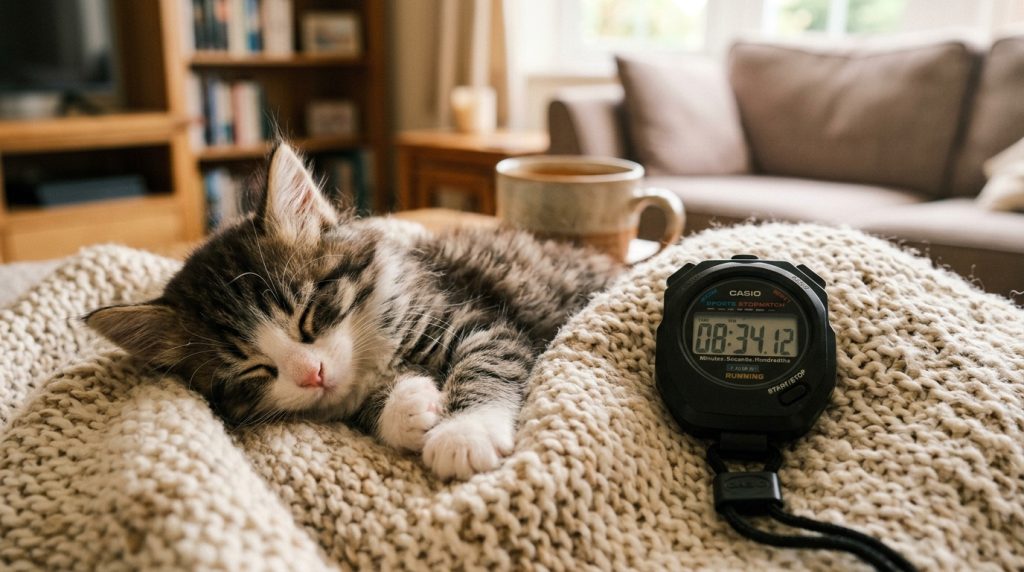
Counting breath counts while your pet rests calmly provides clear facts about their internal health. A healthy resting feline normally takes fifteen to thirty breaths every single minute.
Higher counts often happen during active play, warm room temperatures, or intense dream cycles. However, consistently high breath counts during deep quiet rest signal potential underlying health issues.
How to Calculate a Healthy Kitten Respiratory Rate
Calculating chest movements helps owners track respiratory health with complete accuracy at home. Set a digital timer for fifteen seconds and count every chest expansion carefully.
Multiply that number by four to calculate the total breathing speed per minute. If your sleeping pet stays under thirty breaths per minute during quiet sleep, their lungs operate normally.
You can discover how to manage late night play energy by reading How to Stop a Kitten from Waking You Up at Night right now.
- Measure chest rises during deep, quiet sleep rather than after active running.
- Count one full in and out chest movement as a single breath.
- Record daily numbers in a notebook to track normal baseline health trends.
- Share consistent high readings with your family veterinarian during routine checkups.
Regular home monitoring gives you confidence about your pet’s physical development and daily well-being.
3. Investigating Causes of Rapid Breathing in Kittens
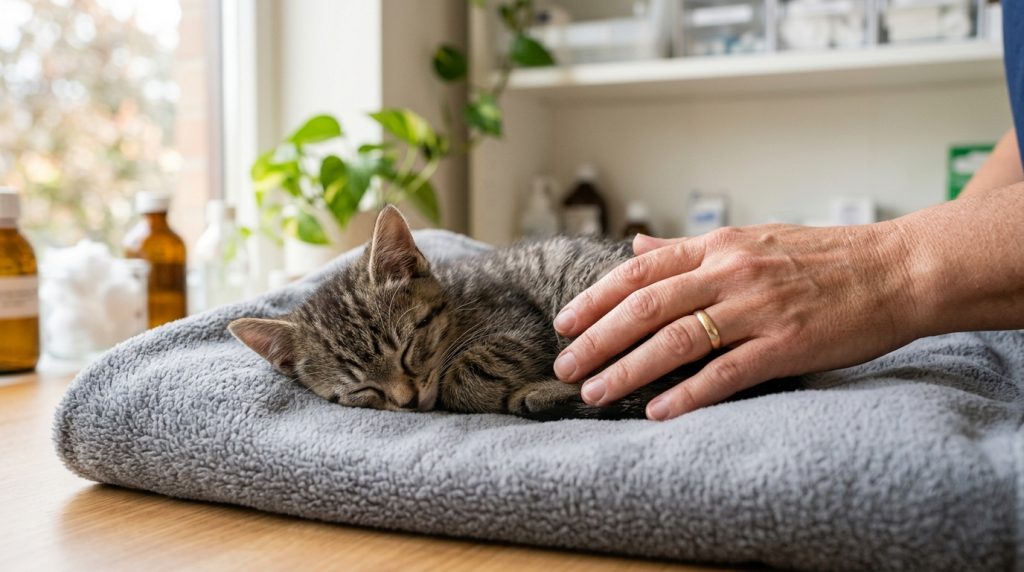
Warm room temperatures often force small animals to breathe faster to cool their bodies down naturally. Young felines cannot sweat through their skin like humans do during warm summer afternoons.
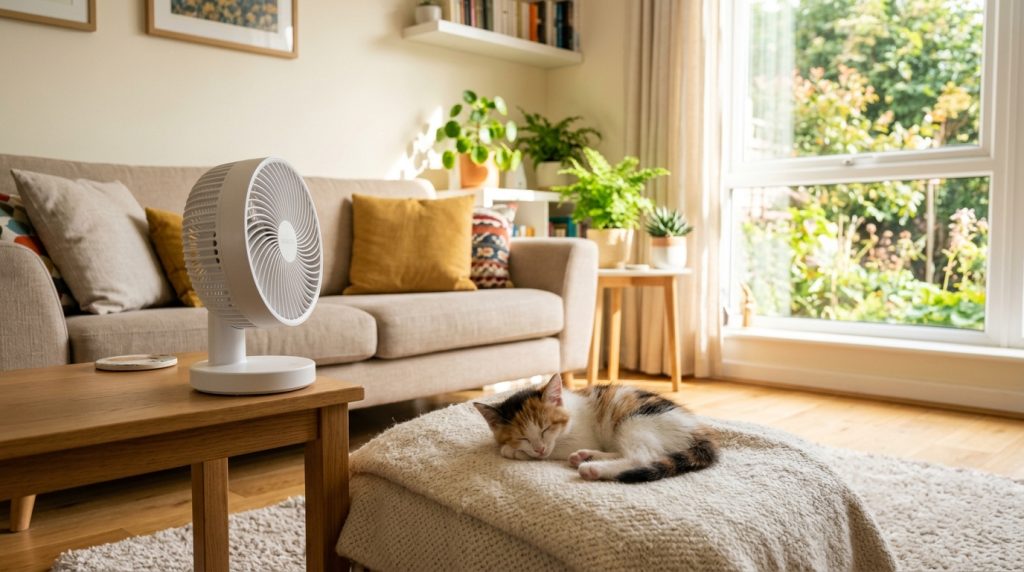
Instead, they rely on resting respiratory adjustments to release trapped internal body heat safely. Placing sleeping cushions near cool floor tiles helps them regulate body temperature comfortably.
Managing Environmental Causes of Rapid Breathing in Kittens
Controlling indoor air temperatures prevents heat stress and keeps resting breathing rates steady. Keep fresh drinking water accessible in every room so your pet stays fully hydrated.
Because small bodies absorb ambient heat quickly, avoid placing sleeping baskets near hot sunny windows. You can read about building home confidence by exploring How to Get a Kitten Used to Being Alone: A Complete Beginner’s Guide today.
Simple environmental adjustments maintain physical comfort, preventing unnecessary rapid breathing during afternoon naps.
4. Recognizing Warning Signs of Kitten Breathing Problems
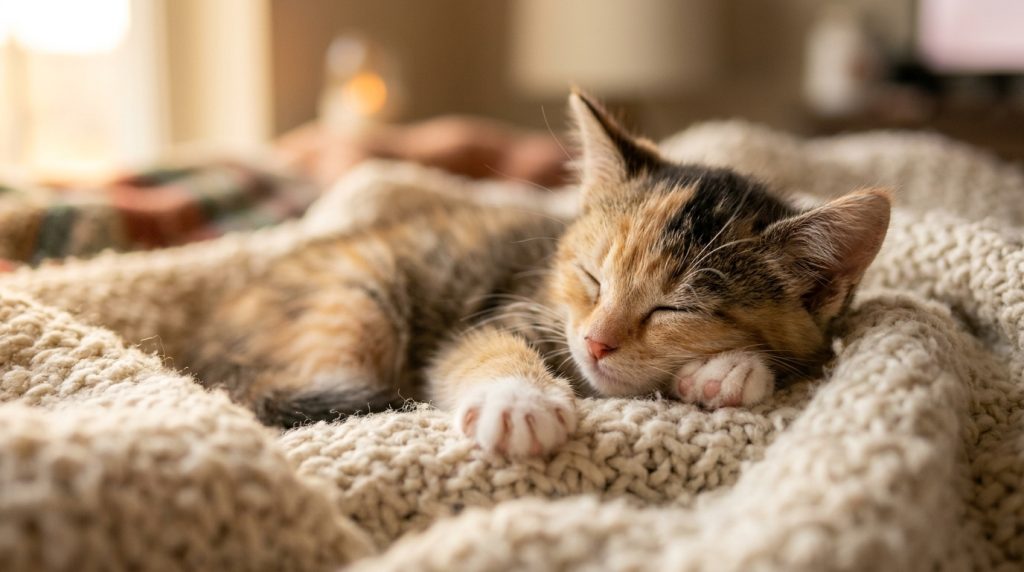
Lethargy, pale gums, open-mouth panting, and coughing indicate serious respiratory issues requiring urgent professional care. Feline asthma, chest infections, fluid buildup, and heart defects disrupt normal oxygen intake.
When lungs struggle to gather oxygen, abdominal muscles work hard to move air through airways.
Spotting Dangerous Kitten Breathing Problems Early
Identifying physical distress signals helps pet owners seek emergency veterinary care before conditions deteriorate. Open-mouth panting during rest is never normal for felines and demands immediate medical attention.
Official health guidelines from the American Veterinary Medical Association stress that laboring breath requires professional evaluation. Emergency medical care resolves airway blockages and restores healthy lung function quickly.
- Examine gum color closely to verify healthy pink tones rather than pale blue shades.
- Watch for unusual chest wheezing, coughing, or loud grunting sounds during rest.
- Notice whether your pet stretches their neck out awkwardly to pull in air.
- Contact an emergency veterinary clinic immediately if open-mouth breathing occurs.
Fast action saves lives when true respiratory emergencies affect small growing animals.
5. Medical Diagnostics and Fast Kitten Breathing Treatment
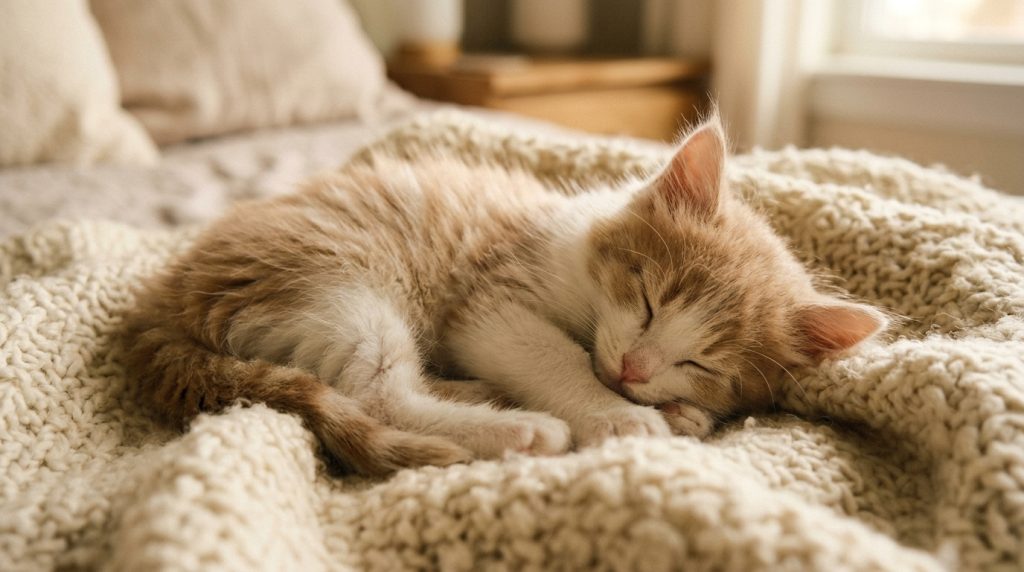
Veterinarians use chest X-rays, blood tests, and stethoscope exams to identify underlying lung issues accurately. Once doctors diagnose the specific cause, targeted medical treatments restore normal lung function safely.
Antibiotics clear bacterial infections, while specialized inhalers reduce airway inflammation caused by feline asthma.
What to Expect During Fast Kitten Breathing Treatment
Understanding veterinary care steps removes anxiety when seeking professional help for your pet. Doctors place struggling pets inside oxygen chambers to ease breathing stress during initial examinations.
Following professional treatment plans ensures your companion recovers fully and returns to playful daily habits.
- Veterinarians perform complete chest exams using digital stethoscopes and X-rays.
- Oxygen therapy provides immediate relief for pets suffering from severe respiratory distress.
- Prescription medications eliminate underlying infections and clear inflamed lung tissue.
- Follow-up veterinary visits confirm that lung capacity returns to healthy normal levels.
Professional care protects delicate young lungs, ensuring long-term health and energetic play for years.
Final Thoughts on Kitten Breathing Fast While Sleeping
Understanding why a Kitten Breathing Fast While Sleeping happens helps you react calmly and protect your pet. You now know how REM dreams, room heat, and medical conditions affect resting respiratory rates.
Monitoring quiet resting breath counts ensures your growing companion stays healthy, safe, and happy every day.
Replacing unnecessary fear with practical facts allows you to enjoy peaceful nap times with your furry friend. Embracing these simple monitoring habits ensures your young pet receives excellent care throughout their life.
Has your sleeping kitten ever startled you with vivid dream twitches? Share your personal stories and observations in the comments section below!
Frequently Asked Questions
Yes, young pets often breathe faster during vivid REM dream stages or when resting in warm rooms. Their developing nervous systems and higher metabolic rates naturally produce faster chest movements during sleep. However, chest speed should slow down once your pet transitions into deeper sleep stages.
A healthy sleeping pet typically takes fifteen to thirty breaths every single minute during quiet resting periods. Counts briefly rise higher during active play, warm weather, or exciting REM dream cycles. Consistently counting over forty breaths per minute during deep quiet sleep warrants a veterinary call.
Open-mouth panting in felines usually indicates severe heat stress, extreme exhaustion, or serious respiratory distress. Unlike dogs, felines rarely pant unless they experience significant physical pain, overheating, or lung obstruction. Seek immediate emergency veterinary care if your pet pants while resting quietly.
Yes, severe anemia reduces red blood cells, forcing lungs to pump faster to deliver oxygen to tissues. Fleas, intestinal parasites, and nutritional deficiencies frequently cause anemia in young animals. Treating underlying parasites restores healthy blood levels and normalizes respiratory speeds quickly.
A dreaming pet twitches paws, moves whiskers, and breathes fast briefly while remaining comfortably relaxed. Sick pets show continuous heavy chest strain, pale gums, lethargy, open-mouth breathing, or painful coughing fits. Wake your pet gently if you feel unsure about their resting health.