Why Is My Kitten Meowing Nonstop?
Introduction:
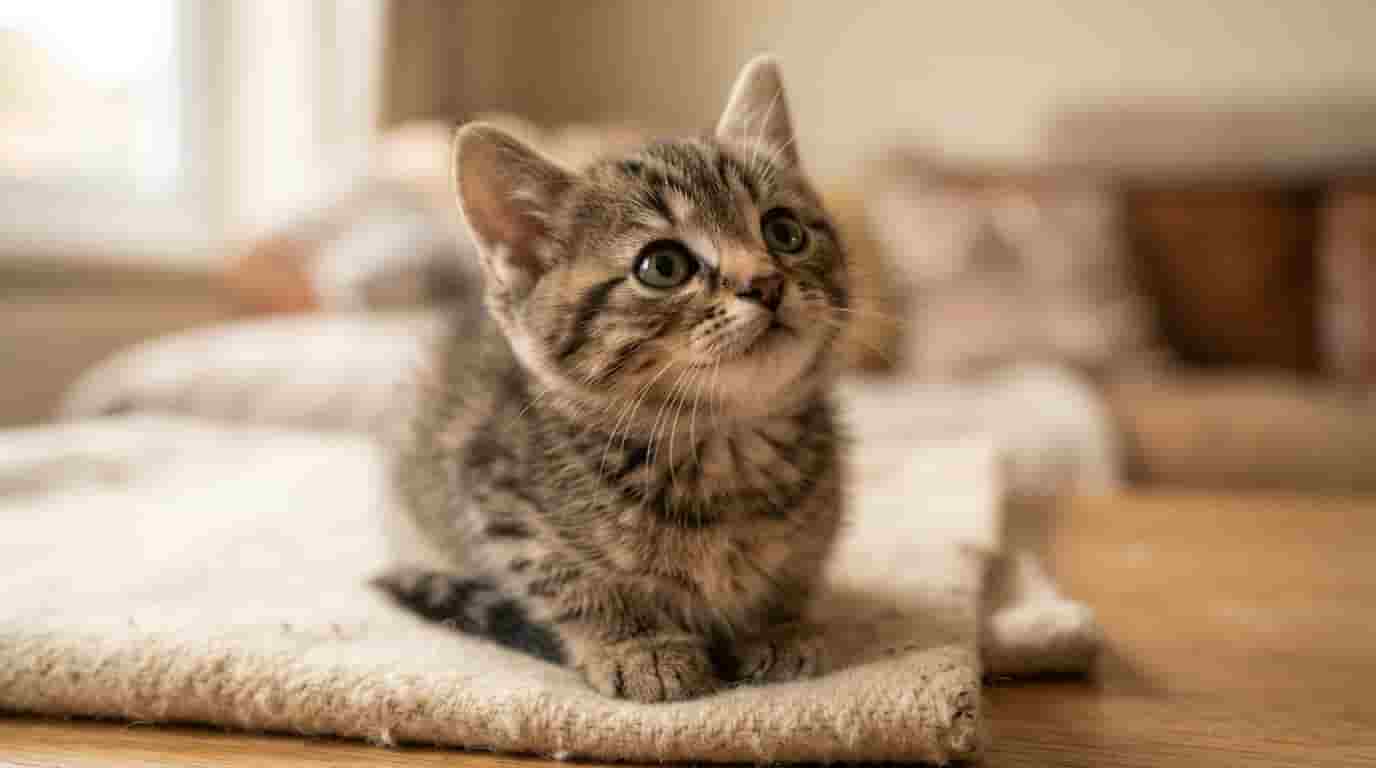
Kitten Meowing Nonstop episodes leave new pet owners feeling stressed, exhausted, and confused about their pet’s health. What hidden message is your tiny feline trying to send you when those loud cries fill your quiet home?
You walk into your living room after a busy work day. Suddenly, your small furry friend runs directly toward your feet, vocalizing loudly without taking a single breath.
You check the food dish, refill the water, and clean the litter box completely. Yet, the high-pitched crying continues across every corner of your living room.
Every worried pet parent faces this exact puzzling situation during early adoption months. Is your companion experiencing sudden physical pain, hidden hunger, or intense emotional confusion?
Adult cats in the wild rarely use vocal calls to communicate with each other after reaching maturity. Instead, adult felines rely heavily on subtle scent marks, tail positions, and eye movements.
Interestingly, domestic kittens developed vocal cries specifically to communicate their vital needs to human caregivers. Your small pet treats you as their primary protector, using loud vocalizations to capture your immediate attention.
Uncovering the real triggers behind these vocal cries helps you restore peace to your home quickly. Let us examine the true reasons behind vocal cries and explore practical steps to quiet your pet safely.
1. Uncovering Causes of a Kitten Meowing Nonstop
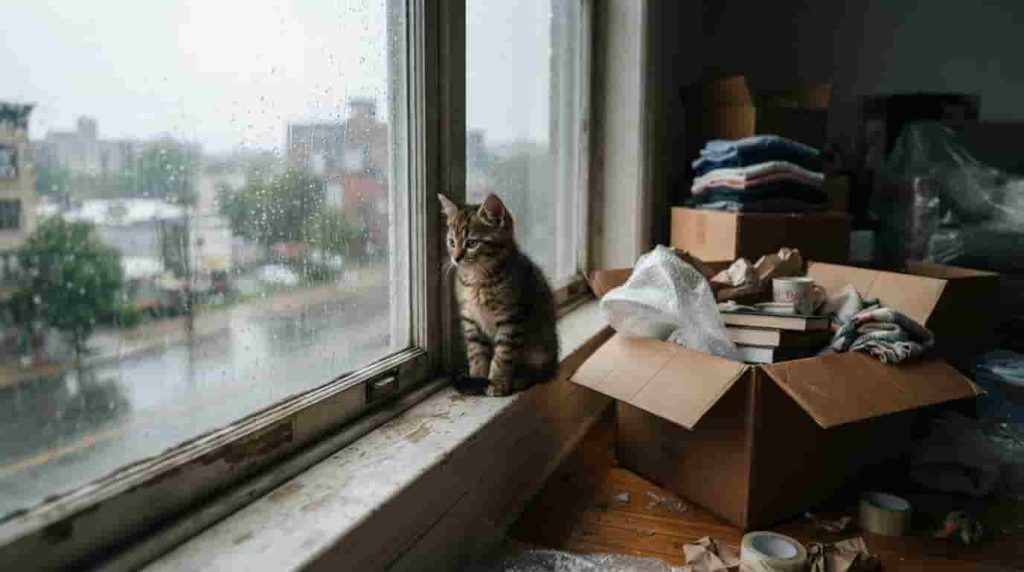
Hunger serves as the most frequent trigger when a kitten won’t stop meowing near kitchen counters. Growing animals possess tiny stomachs that digest small food portions extremely fast throughout the day.
Consequently, a empty belly causes sudden blood sugar drops that make young animals feel anxious and vocal. Young pets need four to five small balanced meals daily to maintain steady physical energy levels.
Addressing Constant Kitten Meowing Near Food Dishes
Addressing constant kitten meowing requires setting up predictable daily feeding schedules inside your kitchen. Offer high-protein wet food at fixed times so your pet knows exactly when food arrives.
Because young pets digest food rapidly, leaving dry kibbles in puzzle toys helps prevent sudden hunger gaps. You can learn how to manage late night food demands by reading How to Stop a Kitten from Waking You Up at Night today.
Veterinary experts at the Cornell Feline Health Center note that young felines need rich nutrients for rapid muscle development. Meeting daily nutritional needs stops vocal complaints while promoting healthy growth for your pet.
2. Navigating Environmental Changes and Separation Stress

Moving into a new home creates overwhelming confusion for a young pet separated from its mother. Unfamiliar scents, loud household sounds, and new room layouts trigger intense emotional stress during early weeks.
Your pet vocalizes loudly to call out for familiar littermates when left alone in quiet hallways. Thus, vocalizing acts as a natural distress signal to bring protective family members closer.
Managing Excessive Meowing Kitten Behaviors During Transitions
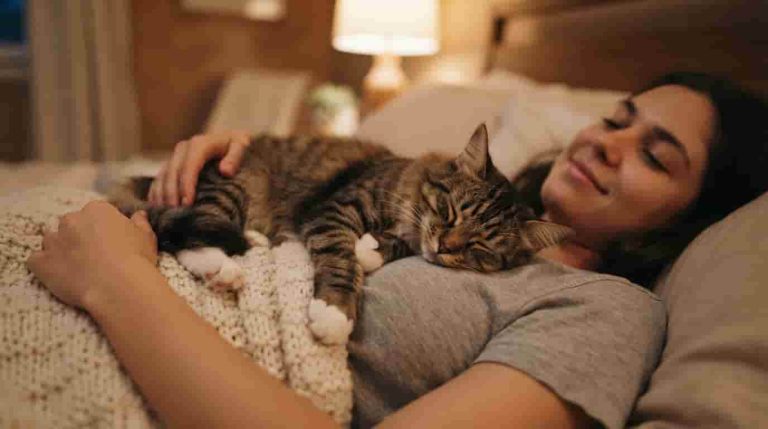
Managing excessive meowing kitten struggles involves creating a small, cozy safe room with familiar bedding materials. Place warm blankets and an unwashed cotton shirt carrying your natural scent inside their sleeping area.
Your familiar scent provides immediate comfort, reducing anxiety when your pet rests quietly during morning hours.
You can discover how to build lasting home confidence by reading How to Get a Kitten Used to Being Alone: A Complete Beginner’s Guide right now.
- Establish a small safe area furnished with soft blankets and fresh water.
- Keep daily routines consistent so your pet anticipates feeding times easily.
- Spend quiet one-on-one time cuddling your pet in comfortable seating areas.
- Avoid shouting or making sudden loud noises when your pet vocalizes.
Gentle environmental adjustments reassure your pet, turning stressful transitions into peaceful home bonding experiences.
3. Redirecting Boredom Through Active Physical Exercise

Boredom triggers persistent vocalizing when young pets lack proper mental stimulation and physical play outlets. Energetic animals store massive stamina that requires constructive physical release throughout morning and evening hours.
When humans ignore bored pets, these clever animals use vocal cries as an effective attention tool. Therefore, providing structured daily play sessions stops vocal habits before they turn into permanent routines.
Practical Tips for Quieting a Meowing Kitten via Play
Implementing structured play offers fast results when quieting a meowing kitten during busy afternoon hours. Run your pet around living rooms using wand toys, laser pointers, and light plastic balls.
Continue playing until your companion pants gently, pouts softly, and rests happily on floor rugs.
Following play with a small meal mimics natural wild hunting patterns, triggering deep physical relaxation. You can learn about normal resting respiration rates by reading Why Is My Kitten Breathing Fast While Sleeping? today.
Daily play channels nervous energy constructively while keeping young minds calm, focused, and satisfied.
4. Identifying Medical Issues Behind Vocal Distress
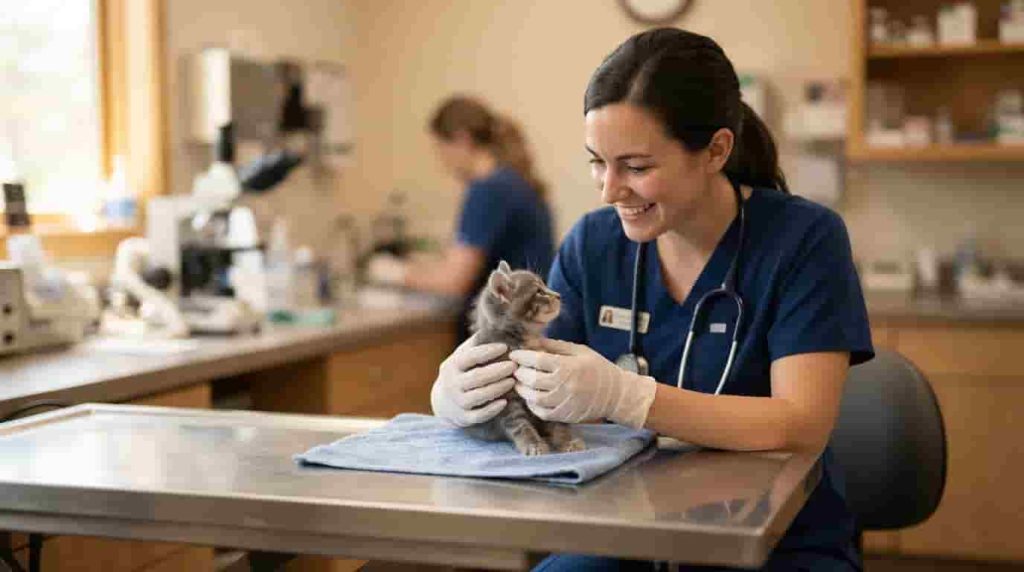
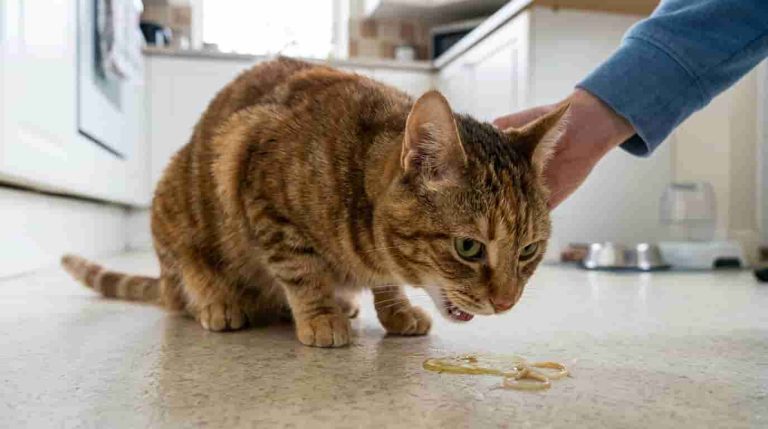
Sudden, high-pitched vocalizing can signal underlying physical pain, digestive discomfort, or unexpected illness in young pets. Flea infestations, ear mites, upper respiratory infections, and intestinal worms cause significant internal stress.
If your pet vocalizes while using litter boxes, severe urinary tract issues might require immediate attention.
Spotting Sudden Kitten Meowing Behavior Changes
Recognizing subtle kitten meowing behavior shifts helps owners seek professional veterinary care before conditions worsen. Watch for warning signs like lethargy, appetite loss, runny eyes, diarrhea, or hidden physical limps.
Medical consensus from the American Veterinary Medical Association stresses that sudden behavioral shifts require medical evaluation. Professional health checks ensure hidden physical ailments receive fast treatment from qualified doctors.
- Schedule a complete veterinary checkup to rule out physical health problems.
- Examine litter box habits closely for signs of painful strain or discomfort.
- Check skin, ears, and belly areas gently for parasites or swelling.
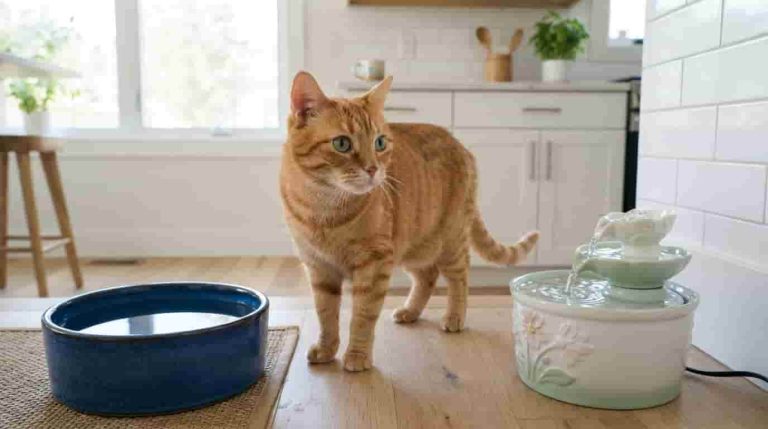
- Monitor daily water intake and appetite levels to track health changes.
Rule out medical issues first so you can address behavioral needs with complete confidence.
5. Preventing Accidental Reinforcement of Vocal Cries
Responding to vocal cries with immediate treats, cuddles, or vocal attention accidentally trains your pet. Your pet learns that making loud noises controls human actions and delivers instant rewards every time.
Even mild scolding gives your pet social contact, reinforcing vocal habits during quiet evening hours.
Mastering Smart Ways to Stop Kitten Meowing Habits
Applying consistent behavioral boundaries provides effective ways to stop kitten meowing without causing emotional frustration. Turn your body away and remain completely silent whenever your pet vocalizes demanding attention.
Wait for three full seconds of quiet behavior before offering gentle chin scratches or tasty treats.
- Ignore vocal demands completely by turning your back and staying silent.
- Reward quiet body language immediately with gentle praise and treats.
- Avoid offering meals or treats while your pet vocalizes continuously.
- Keep every family member aligned on these strict communication rules.
Consistent reactions teach your pet that quiet body language achieves positive results much faster.
Final Thoughts on Kitten Meowing Nonstop
Solving a Kitten Meowing Nonstop issue requires patient observation, reliable routines, and consistent behavioral boundaries every day. You now understand how hunger, separation anxiety, boredom, medical needs, and accidental reinforcement drive vocal cries.
Applying these simple steps transforms noisy household moments into peaceful, affectionate companionship for everyone.
Replacing vocal confusion with calm daily structure strengthens your bond while creating a happy domestic environment. Embracing these practical care techniques helps your young pet mature into a confident, quiet adult cat.
What funny reasons trigger vocal cries from your kitten at home? Share your personal stories and favorite calming tips in the comments section below!
Frequently Asked Questions
Young pets meow nonstop at humans to express urgent needs like hunger, boredom, separation stress, or physical discomfort. Felines developed vocalization specifically to communicate with human caregivers during domestic life. Identifying their specific underlying need helps you solve noisy habits quickly and safely.
You should ignore vocal cries if your pet is seeking attention, food treats, or entrance into restricted rooms. Responding to loud demands accidentally reinforces bad habits, making vocalizing worse over time. Always verify that your pet has water, food, and good health first.
Most young pets settle down naturally as they mature and adapt to predictable household routines around six months. Maintaining strict feeding schedules and offering daily play speeds up this behavioral transition significantly. Consistent training prevents youthful vocal habits from continuing into adult life.
Comfort a vocal pet by placing warm fleece blankets and an unwashed shirt carrying your scent near sleeping spots. Provide a small meal right before bedtime and run active play sessions during early evening hours. Keep sleeping routines consistent so your pet feels safe in their room.
Yes, young pets experience gum discomfort and mild soreness when milk teeth fall out around four months of age. Provide soft rubber chewing toys or chilled pet chew treats to soothe sore gums safely. Chewing toys relieve physical mouth pressure while keeping young pets quiet and happy.