Mother cat rejecting her kitten: How to Tell if a Mother Cat Is Rejecting Her Kittens
Introduction:
A mother cat rejecting her kitten creates instant panic for pet owners expecting peaceful family moments after birth. Why would a parent feline suddenly walk away from her helpless newborn offspring?
Jessica carefully prepared a quiet nursery box in her bedroom corner for her pregnant pet Luna. Six healthy newborns arrived safely during a quiet Saturday evening.
Initially, Luna licked every newborn clean and settled down to nurse them gently.
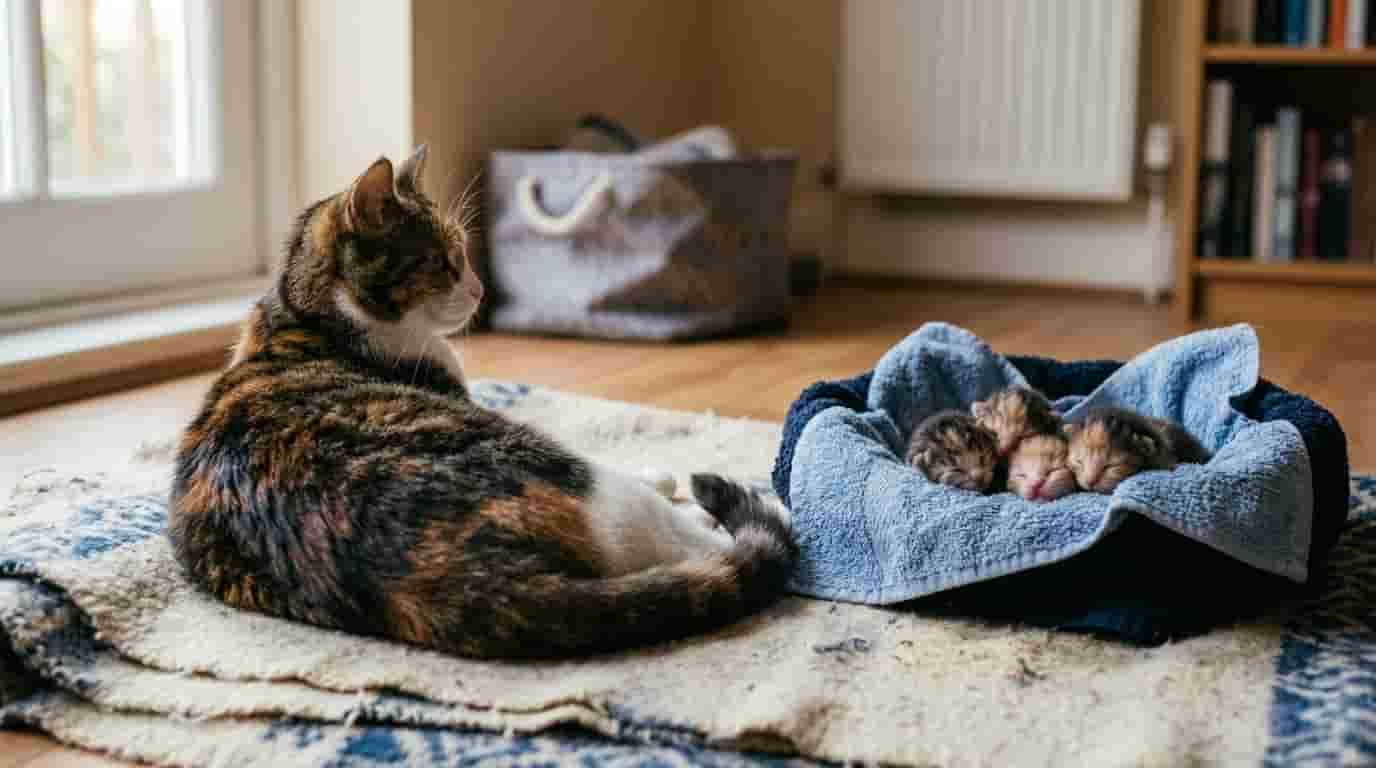
By Sunday afternoon, Jessica noticed something strange happening inside the wooden nesting box. Luna repeatedly pushed one small tiger-striped newborn toward the cold outer edge of the blankets.
Every time the weak little newborn crawled back toward warm milk, Luna hissed quietly and moved away.
Jessica wondered if Luna was simply tired from labor or intentionally abandoning her offspring. Was this cold physical distance temporary stress, or a permanent loss of protective maternal feelings?
Feline mothers possess powerful biological instincts designed to ensure species survival under tough conditions. When a mother cat senses physical weakness or sickness, hard biological instincts take control.
Recognizing early behavioral shifts allows owners to step in quickly and save vulnerable young lives. Let us explore the surprising reasons behind maternal rejection and learn how to help struggling newborns survive.
1. Spotting Early Signals of a Mother Cat Rejecting Her Kitten
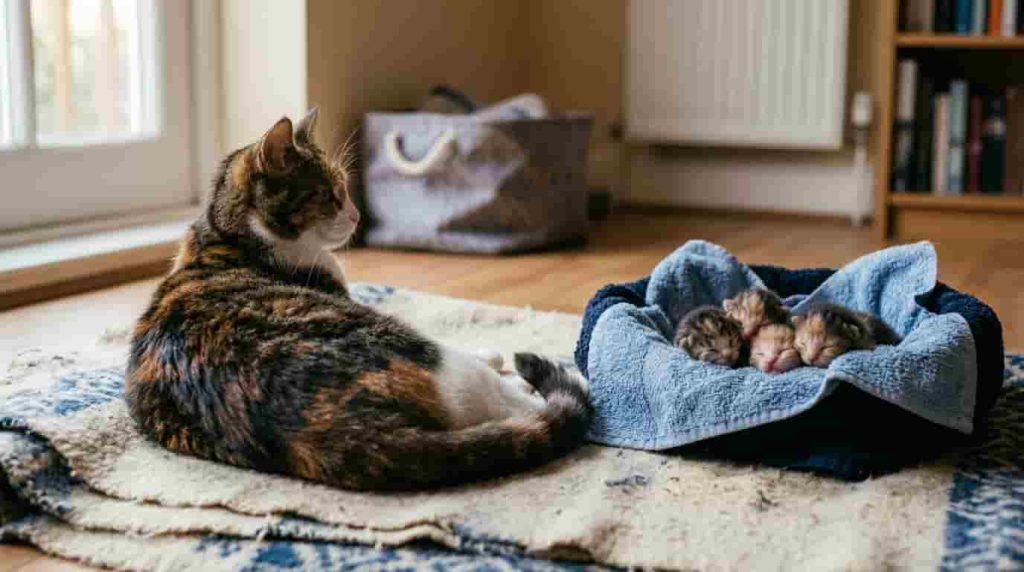
Spotting a mother cat rejecting her kitten early prevents dangerous hypothermia and starvation in helpless newborns. Maternal distance shows up in subtle physical actions long before outright physical attacks occur.
A rejecting queen spends prolonged periods away from the nesting box, ignoring sharp distress cries completely.
She carries selected newborns to separate corners while leaving a single offspring isolated on cold towels.
Recognizing Feline Maternal Behavior Shift Signs
Understanding feline maternal behavior shifts helps owners separate temporary mother cat care tips from true abandonment. Watch closely for active avoidance, such as stepping over crying newborns without licking them clean.
Neglected newborns become cold to the touch quickly because they cannot regulate internal body heat alone. You can learn why distressed young pets vocalize constantly by reading Why Is My Kitten Crying All Night? Causes and Solutions today.
Veterinary researchers at the Cornell Feline Health Center emphasize that cold body temperature triggers maternal neglect rapidly. Restoring ambient room heat often encourages reluctant mothers to resume normal nursing duties safely.
2. Uncovering Biological Causes of Kitten Abandonment
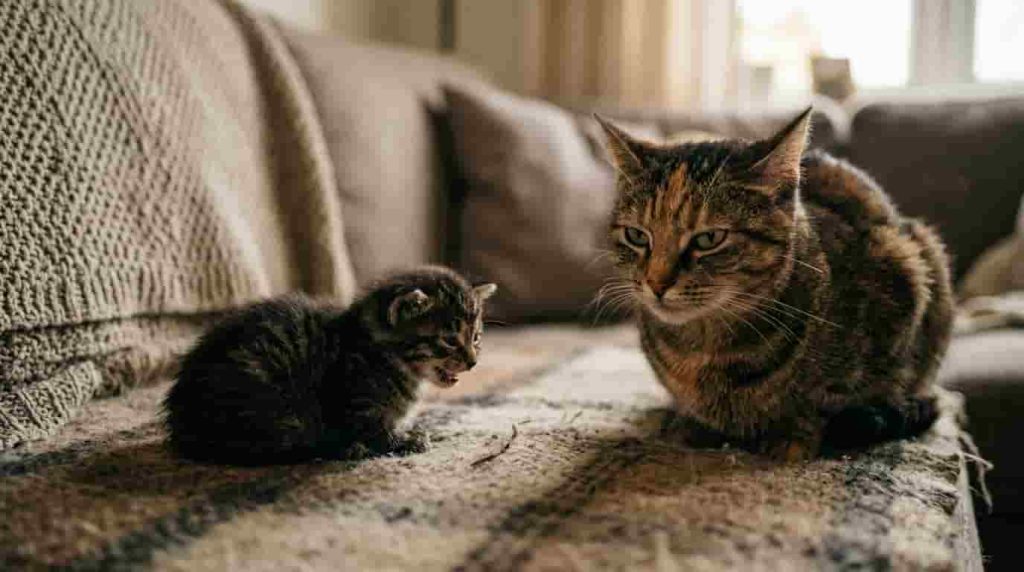
Kitten abandonment stems from deep biological programming rather than intentional cruelty or lack of love. First-time mothers often experience severe hormonal confusion, extreme exhaustion, or overwhelming anxiety following difficult labor.
Painful mastitis, a severe bacterial mammary gland infection, makes nursing painful for nursing mothers.
Consequently, mothers associate their hungry babies with sharp physical pain and push them away aggressively.
Understanding Kitten Abandonment Reasons and Health Factors
Exploring biological kitten abandonment reasons helps owners address underlying medical issues affecting the nursing queen. Congenital birth defects or internal organ weaknesses signal to the mother that a newborn may not survive.
In nature, queens conserve limited milk supplies for healthy offspring rather than wasting energy on failing ones.
You can read about managing growth drops by exploring Why Is My Kitten Not Gaining Weight? Common Causes and What to Do right now.
- Mastitis causes swollen, hot, and painful nipples that prevent comfortable daily nursing.
- Uterine infections cause fever and severe fatigue, wiping out natural caretaking energy.
- Low birth weight alerts queens to potential internal health failures in weak offspring.
- Environmental noise and frequent human interference create severe emotional stress for new mothers.
Identifying physical illness early allows veterinarians to treat the mother so she accepts her babies again.
3. Uncovering Biological Causes of Kitten Abandonment
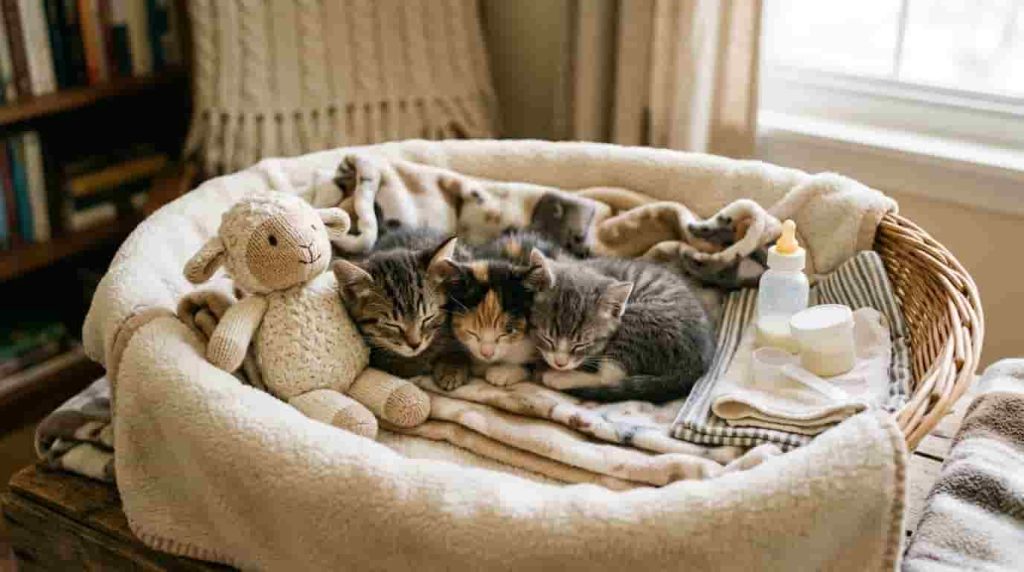
Watching mother cat body language provides clear warnings before dangerous aggressive acts happen inside the box. A relaxed mother purrs softly while laying curved gently around her nursing babies.
Conversely, a stressed parent keeps her ears pinned flat back against her head while growling defensively.
She swats with sharp claws whenever a specific offspring attempts to latch onto her milk nipples.
Managing a Mother Cat Aggressive Towards Kitten Situations
Intervening when a mother cat aggressive towards kitten moments occur protects fragile young bodies from fatal injuries. Physical aggression like biting, harsh swatting, or stepping heavily on newborns requires immediate physical separation.
Place the rejected offspring inside a separate warm heating pad box immediately to ensure basic safety.
You can explore behavioral development guidance by checking out How to Prevent Single Kitten Syndrome: Tips for Raising a Well-Adjusted Cat today.
Official guidelines from the American Veterinary Medical Association recommend permanent separation when physical aggression occurs. Removing aggressive mothers eliminates injury risks, allowing human caregivers to take over daily survival duties.
4. Master Steps for Fostering Rejected Kittens
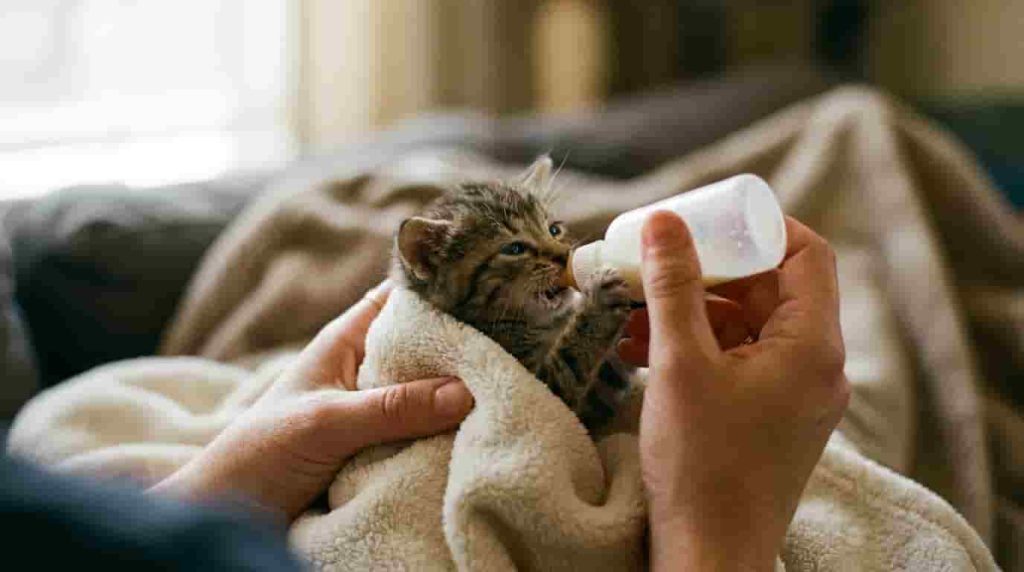
Taking over care requires immediate action to keep orphaned newborn pets warm, hydrated, and properly nourished. Newborns cannot produce their own body heat during their first three weeks of life.
Therefore, providing a wrapped heating pad set on low heat remains your top immediate priority.
Never feed cold newborns commercial formula because cold digestive systems cannot process nutrients safely.
Essential Fostering Rejected Kittens Care Guidelines
Mastering fostering rejected kittens techniques keeps fragile, abandoned newborns alive during critical early weeks. Feed warm commercial replacement milk using specialized small nursing bottles every two hours around the clock.
Stimulate elimination after every meal by gently wiping bottom areas with a warm, damp cotton ball.
- Maintain ambient nesting box warmth around eighty-five degrees Fahrenheit continuously.
- Feed commercial kitten milk replacer every two hours using sterilized bottle nipples.
- Avoid feeding regular cow milk because it causes severe, fatal diarrhea quickly.
- Wipe bottom areas gently after feedings to prompt crucial urination and bowel movements.
Dedicated care routines mimic natural maternal nursing, helping vulnerable, hand-raised babies grow strong and healthy.
5. Navigating Medical Interventions and Feline Maternal Instincts
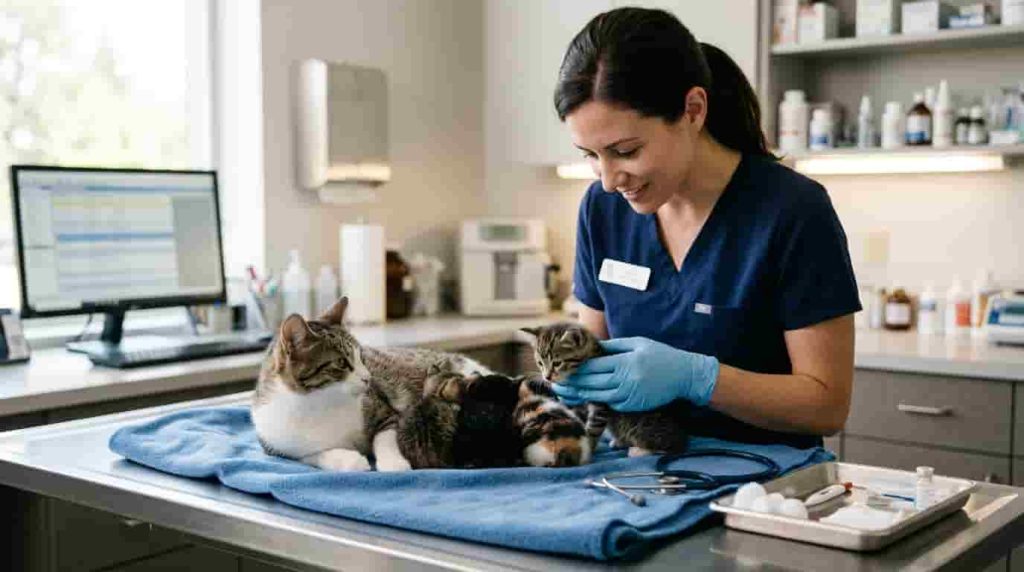
Consulting a veterinarian helps identify hidden medical conditions affecting both the mother cat and her babies. Doctors perform full physical examinations, checking for mastitis, calcium deficiencies, or systemic uterine infections.
Hormonal treatments or pain relief medications often help stressed mothers settle down and resume caretaking.
However, hand-rearing remains necessary if medical treatments fail to restore natural caretaking habits promptly.
Evaluating Maternal Instincts in Cats and Expert Support
Understanding maternal instincts in cats helps caregivers decide whether to attempt reunification or commit to bottle feeding. If a mother cat accepts part of her litter, allow her to raise those specific babies naturally.
Provide complete orphaned kitten support for rejected individuals in a separate, warm nursery setup.
- Schedule an emergency veterinary checkup for both mother and rejected babies.
- Treat underlying maternal infections using veterinarian-prescribed antibiotics or pain medications.
- Attempt supervised reunification only when the mother shows calm, relaxed body postures.
- Commit to full bottle feeding routines if the mother continues rejecting her baby.
Professional veterinary support ensures both mother and offspring receive appropriate medical care during challenging times.
Final Thoughts on a Mother Cat Rejecting Her Kitten
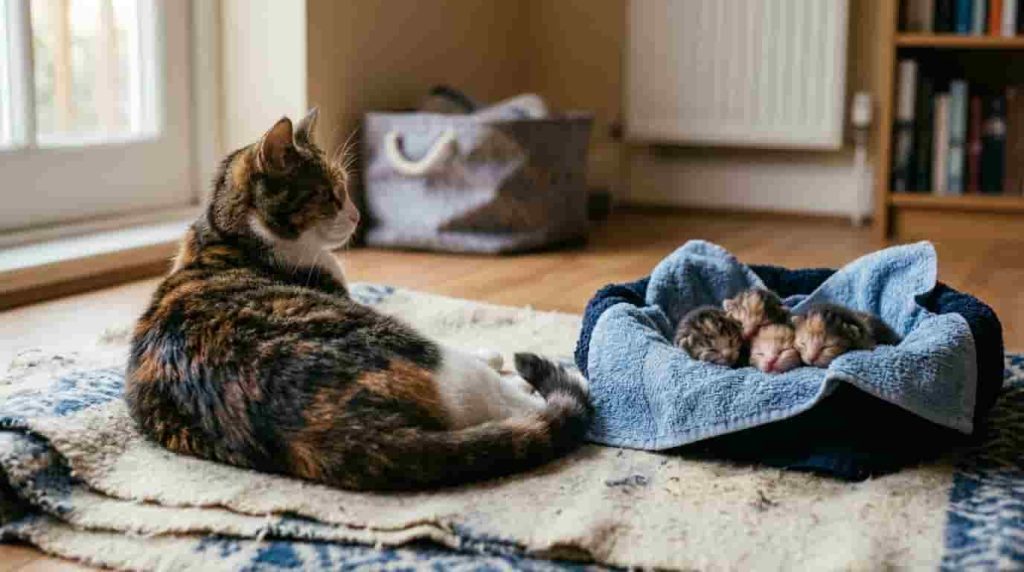
Dealing with a mother cat rejecting her kitten requires quick observation, emotional warmth, and dedicated hand-rearing care. You now understand how medical pain, stress, low temperatures, and natural instincts trigger feline rejection behaviors.
Stepping in quickly with warmth and proper bottle feeding saves young lives when natural mothers walk away.
Replacing fear with practical care routines gives every rejected newborn a fair chance at life. Embracing these hand-rearing responsibilities creates an exceptionally strong, affectionate bond with your rescued feline friend.
Have you ever hand-raised an abandoned or rejected newborn pet at home? Share your personal care experiences and stories in the comments section below!
Frequently Asked Questions
A mother cat rejects an individual newborn if she detects physical weakness, low body temperature, or birth defects. Natural instincts compel queens to focus limited energy and milk on healthy offspring capable of survival. Medical conditions like maternal mastitis or stress also trigger sudden individual rejection.
Signs of rejection include pushing the baby away, ignoring distress cries, refusing to nurse, and stepping on them. The mother may carry healthy babies to a new nest while leaving one behind on cold blankets. Physical aggression like hissing, growling, or swatting also signals complete maternal rejection.
Yes, a mother cat may accept her baby back if you resolve underlying issues like low temperature or pain. Warm the baby completely before attempting supervised reintroduction in a quiet, stress-free room. However, separate them permanently if the mother continues showing physical aggression or avoidance.
A newborn can only survive a few hours without maternal warmth and regular milk feedings. Newborns develop life-threatening hypothermia and low blood sugar rapidly when left alone on cold bedding. Immediate human intervention with heat pads and warm milk formula saves their lives.
Feed commercial kitten milk replacer formula using a specialized small nursing bottle or syringe every two hours. Never feed regular cow milk or human milk because they cause severe, dangerous digestive distress. Ensure the formula is comfortably warm before feeding the hungry baby slowly.