Orphanage kitten: How to Care for an Orphaned Kitten from Rescue to Adoption
Introduction:
An orphanage kitten needs special care from the moment rescue workers discover them alone in the world. How does a fragile two week old feline survive without a mother to provide heat and nourishment?
Rachel found a tiny black rescued pet inside a cardboard shoe box near her backyard porch. The quiet creature weighed barely eight ounces and shivered constantly despite the warm afternoon air outside.
Rachel felt instant panic as she gently lifted the helpless animal into her trembling hands.
She immediately placed the cold baby inside her jacket, wondering if she could keep him alive.
Would simple blankets save this vulnerable rescued pet, or did he need specialized medical aid right away?
Unattended young felines cannot regulate their body heat during their first three weeks of life. As a result, sudden chill quickly leads to low blood sugar, organ stress, and severe weakness.
Understanding basic rescue techniques empowers caring people to save vulnerable lives during critical moments. Let us explore the exact steps needed to nurse a rescued pet back to full health.
1. Saving a Vulnerable Orphanage Kitten with Immediate Warmth
Rescuing an orphanage kitten starts with providing steady external warmth before attempting any daily bottle feedings. Cold digestive systems cannot process milk replacer, which leads to fatal bloating and stomach cramps.
So, place a warm heating pad set on low heat underneath thick, clean cotton towels.
Nestle the young animal safely into blankets until his ears feel comfortably warm to touch.
Setting Up an Emergency Orphanage Kitten Shelter Space
Creating a safe orphanage kitten shelter environment keeps young pets protected from household drafts and loud noises. Set up a deep plastic storage tub lined with fleece blankets to build a secure nest.
You can learn about survival milestones by reading When Can a Kitten Survive Without Its Mother? A Week-by-Week Guide today.
Medical guidelines from the American Veterinary Medical Association stress that maintaining ninety-degree temperatures prevents hypothermia in newborns. Keeping your cozy nesting box warm ensures your pet stays relaxed and physically stable.
2. Navigating Daily Orphanage Kitten Care Feeding Schedules

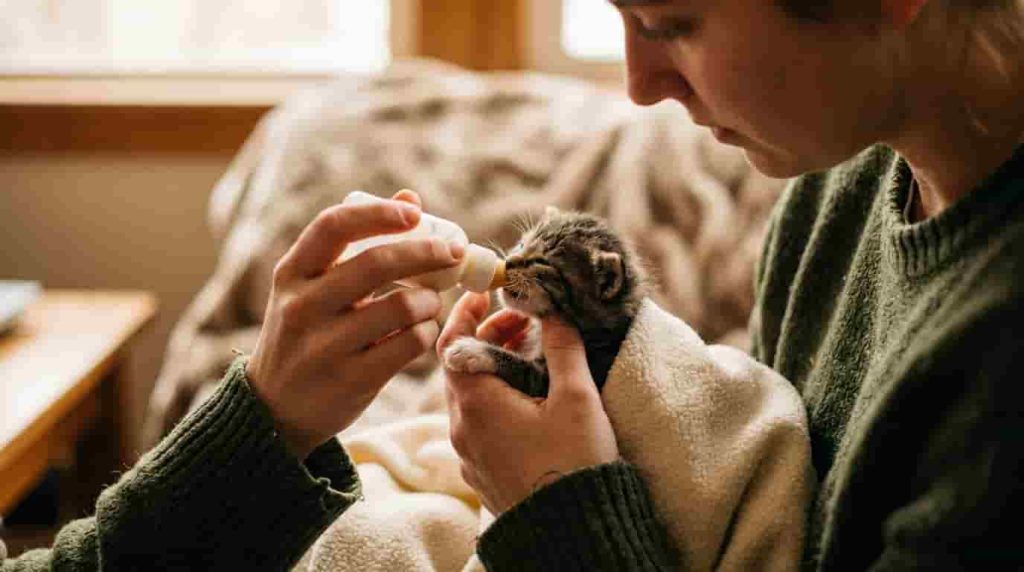
Mastering orphanage kitten care requires feeding specialized commercial milk replacer formula on strict round-the-clock schedules. Never offer regular cow milk because dairy causes severe diarrhea and dangerous dehydration.
Position the young pet flat on his belly during feedings to prevent liquid from entering sensitive lungs.
Warm the formula bottle in hot water before offering the soft silicone nipple gently.
Establishing Safe Feeding and Orphanage Kitten Foster Routines
Starting an orphanage kitten foster routine requires dedication during early bottle-feeding weeks. Feed two-week-old pets every three hours to maintain steady blood sugar levels throughout the day.
You can explore dietary transition details by reading What to Feed a Motherless Kitten at Every Age right now.
After every feeding, stimulate bowel movements using a warm, damp cotton ball gently.
You can discover step-by-step stimulation tips in How to Help a Kitten Poop Without Its Mother Safely today.
- Feed warm commercial formula every three hours using sterile bottles.
- Keep the pet lying flat on his stomach to protect breathing passages.
- Wipe bottom areas gently after meals to encourage normal elimination routines.
- Track daily weight in grams using a precise digital kitchen scale.
Proper nourishment and daily weight monitoring ensure steady growth throughout early developmental stages.
3. Treating Health Risks in Your Orphanage Kitten Rescue
Every orphanage kitten rescue project faces potential health threats like fleas, respiratory infections, and intestinal worms. Microscopic parasites rob growing bodies of vital nutrients, leading to anemia and chronic fatigue.
Because young pets have sensitive skin, never use harsh chemical flea sprays on fragile bodies.
Instead, comb fleas out by hand using warm water and mild dish soap carefully.
Securing Medical Care at an Orphanage Kitten Sanctuary
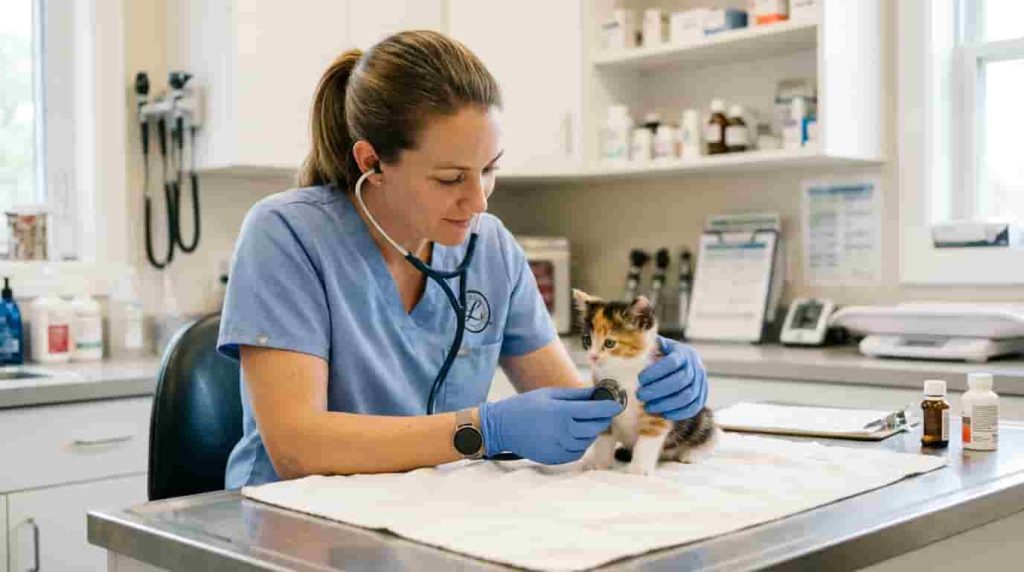
Working alongside an orphanage kitten sanctuary or veterinary clinic ensures your pet receives vital deworming treatments. Veterinarians examine small eyes for discharge while prescribing safe eye drops to fight common infections.
Expert insights from the Cornell Feline Health Center emphasize that early veterinary checks prevent severe infectious diseases.
Regular medical care builds strong immune defenses so young pets develop into vibrant, healthy adults.
4. Building Confidence Through Orphanage Kitten Volunteer Methods
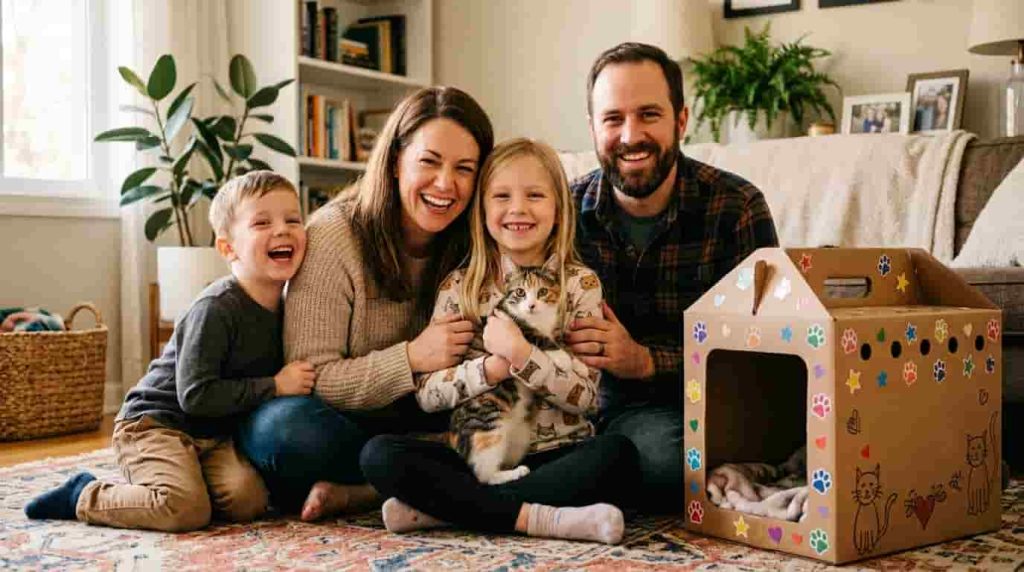
Applying orphanage kitten volunteer methods helps young pets build trusting relationships with human caregivers through play. Single rescued pets miss littermate feedback, which sometimes causes rough biting habits during play.
To fix this, offer soft plush toys whenever small teeth touch your bare hands.
Gently stroke his head using a soft toothbrush to mimic maternal grooming habits.
Preparing Families to Adopt an Orphanage Kitten
Getting ready to adopt an orphanage kitten involves introducing new sights, sounds, and household pets gradually. Expose your pet to vacuum sounds, car rides, and gentle human handling during early socialization weeks.
Positive early experiences prevent fearfulness, ensuring your pet adapts smoothly to a permanent home.
- Introduce soft scratching posts so your pet learns natural clawing habits early.
- Provide interactive wand toys to burn off physical energy safely each afternoon.
- Invite friendly guests over so your pet meets diverse human visitors comfortably.
- Reward calm behavior with delicious treats and soft verbal praise consistently.
Proper socialization shapes confident personalities, creating affectionate companions ready for loving adoption families.
5. Finding a Forever Home for Your Orphanage Kitten Adoption
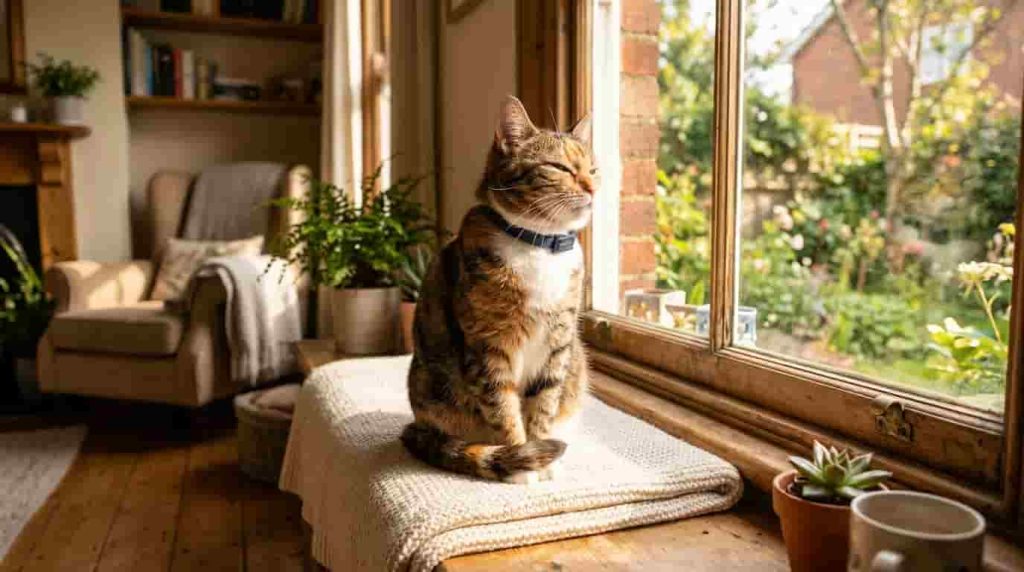
Completing an orphanage kitten adoption brings endless joy when you match your rescued pet with loving owners. Screen potential adopters carefully to confirm they provide safe indoor living spaces and routine veterinary care.
Check that adoptive families understand the lifelong responsibility of raising a happy cat.
Also, consider arranging paired adoptions so two rescued pets grow up playing together peacefully.
Supporting Shelters Through Orphanage Kitten Donation and Care
Encouraging an orphanage kitten donation supports rescue groups that provide food, medicine, and warm shelter supplies. Local rescue groups rely on community support to fund medical treatments for abandoned animals.
Whether you choose to adopt an orphanage kitten or offer an orphanage kitten foster space, your help saves lives.
- Submit adoption applications to reputable local shelters for background checks.
- Prepare a starter care kit containing food, dishes, and favorite soft blankets.
- Provide complete medical records showing recent vaccinations and deworming dates.
- Celebrate the happy moment your pet enters his permanent home safely.
Generous community support ensures every rescued pet receives the care needed for a bright future.
Final Thoughts on Raising an Orphanage Kitten
Raising an orphanage kitten transforms a fragile, abandoned newborn into a loving, healthy family companion. You now understand how immediate warmth, bottle feeding, medical checks, and socialization guide successful rescue journeys.
Taking action quickly saves vulnerable lives while creating an unbreakable bond between you and your pet.
Replacing early hardship with dedicated daily care gives every rescued animal a second chance at happiness. Sharing your home or supporting local shelters ensures more young felines find forever families.
Have you ever hand-raised a rescued pet or helped a shelter with kitten care? Share your personal experiences and rescue stories in the comments section below!
Frequently Asked Questions
Keep young pets warm by placing a heating pad set on low underneath thick cotton towels. Ensure the heating pad covers only half the box so your pet moves away if he feels too hot. Never place fragile bodies directly on heating elements to avoid accidental skin burns.
Use fresh goat milk or plain unflavored Greek yogurt as a temporary emergency meal until commercial formula arrives. Never feed regular cow milk because dairy causes severe diarrhea and dangerous dehydration in young felines. Purchase commercial milk replacer formula from local pet stores or veterinary clinics immediately.
Newborns under two weeks old require feeding every two hours around the clock including nighttime hours. Three week old pets need feedings every three to four hours as stomach capacity increases gradually. Wean pets onto solid wet food mixed with formula around four weeks of age.
Young pets become eligible for adoption at eight to ten weeks of age after reaching two pounds. This weight milestone allows veterinarians to perform safe spay or neuter surgeries and administer core vaccinations. Ensure your pet eats solid food independently before sending him to a new family.
Handle your pet gently every day using soft brush strokes to mimic natural maternal grooming habits. Introduce gentle human visitors, new household sounds, and interactive wand toys during early developmental weeks. Positive social interactions build confidence, ensuring your pet becomes a warm, affectionate adult companion.