Cat Flea Collars: Do They Really Work and Are They Safe?
Introduction
Cat Flea Collars. Fleas are irritating, difficult to control, and can keep returning if prevention is inconsistent. The short answer is that Cat Flea Collars can work, but their effectiveness and safety depend heavily on the active ingredients, product quality, correct use, and the individual cat.
Not every collar provides the same level of flea prevention, and some cats may experience skin reactions or other adverse effects. This guide covers everything you need to know about cat flea collars, including:
- How flea collars work
- Whether they really prevent or kill fleas
- Safety concerns and possible side effects
- What veterinarians may recommend
- How to choose and fit a suitable collar
- Alternatives for flea control for cats
Do Cat Flea Collars Really Work?
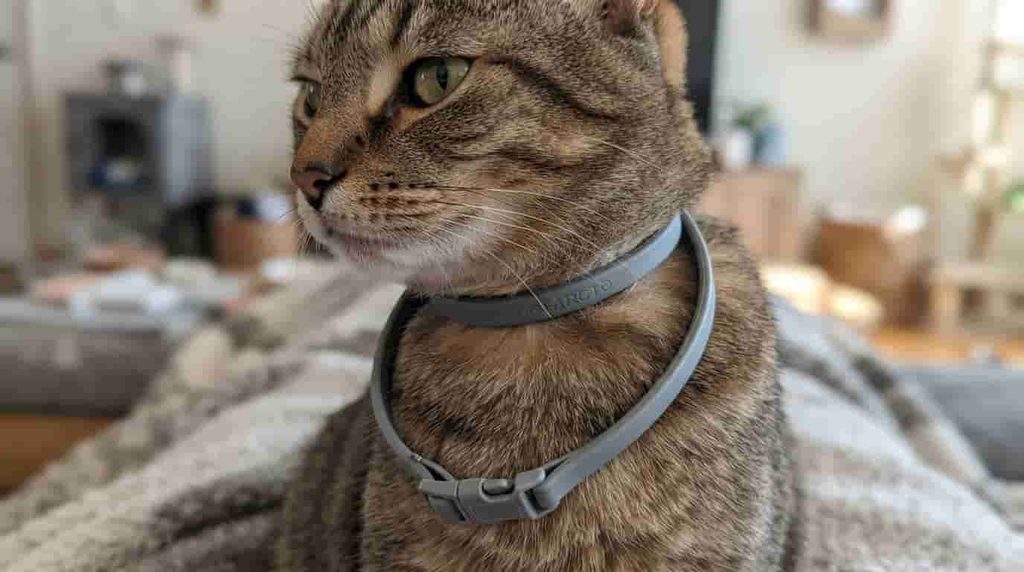
Some flea collars can be effective, but performance varies widely between products. Effectiveness depends on several vital factors:
- The active chemical or botanical ingredient
- How the ingredient is released over time
- Whether the collar kills adult fleas, prevents development, or both
- Proper fit and continuous use
- The level of flea exposure in the cat’s indoor or outdoor environment
A collar alone may not solve a serious household flea infestation if other pets or the environment remain untreated.
How Do Flea Collars for Cats Work?
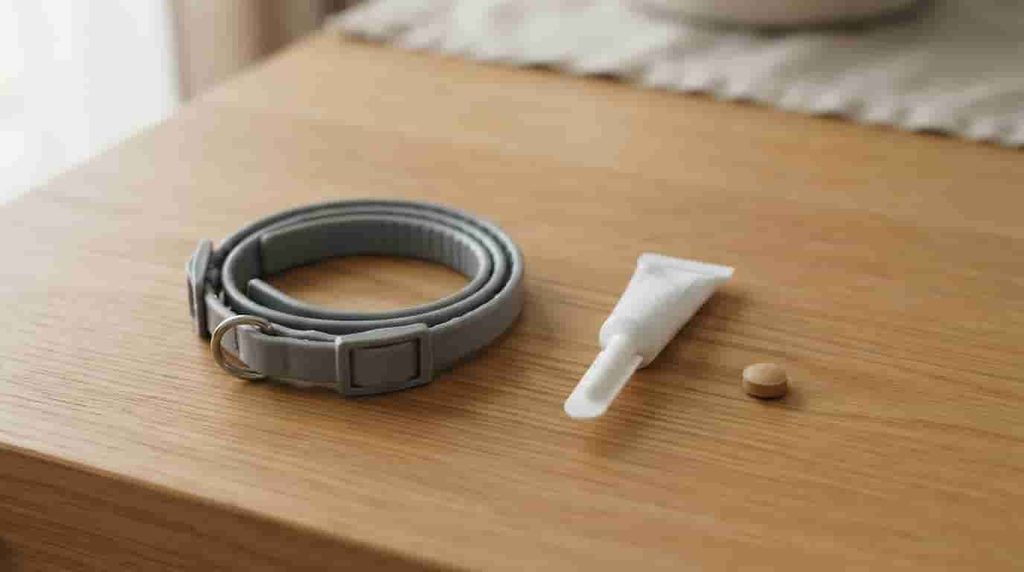
Flea collars contain active ingredients designed to repel or kill fleas. Many modern products release these ingredients gradually in low doses over weeks or months as the collar contacts the cat’s fur and skin. Different products work in distinct ways and should only be used according to their specific labels. Never assume that every long-lasting flea collar offers identical protection.
Why Some Flea Collars Seem Not to Work
- The collar is not designed to kill fleas effectively.
- The product has expired or was stored improperly.
- The collar does not fit correctly.
- Fleas are still developing elsewhere in the home.
- Other pets in the household remain untreated.
- The cat is repeatedly exposed to fleas outdoors.
- The owner expects the collar to eliminate an established infestation without environmental flea control.
Are Cat Flea Collars Safe?
Flea collars can be used safely when the product is appropriate for the cat and used exactly as directed, but adverse reactions can still occur. Safety depends on active ingredients, age and weight requirements, general health status, correct fitting, and whether the product is specifically labeled for cats.
A dog flea product should never be assumed safe for a cat. Dog treatments often contain chemicals like permethrins that are extremely toxic to felines.
Possible Side Effects to Watch For
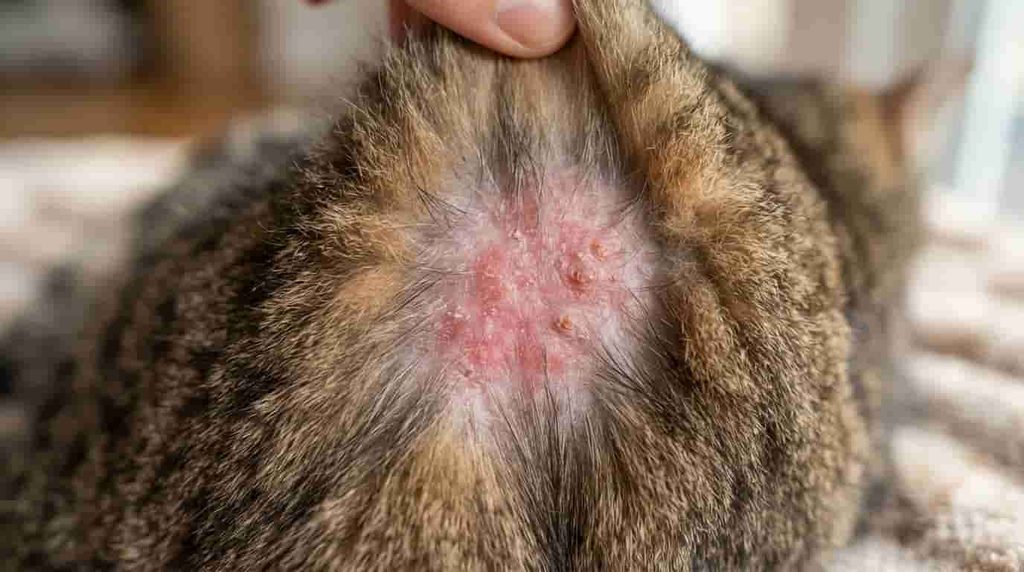
- Redness, inflammation, or irritation around the neck
- Hair loss where the collar touches the skin
- Excessive scratching or pawing at the neck
- Drooling or excessive salivation
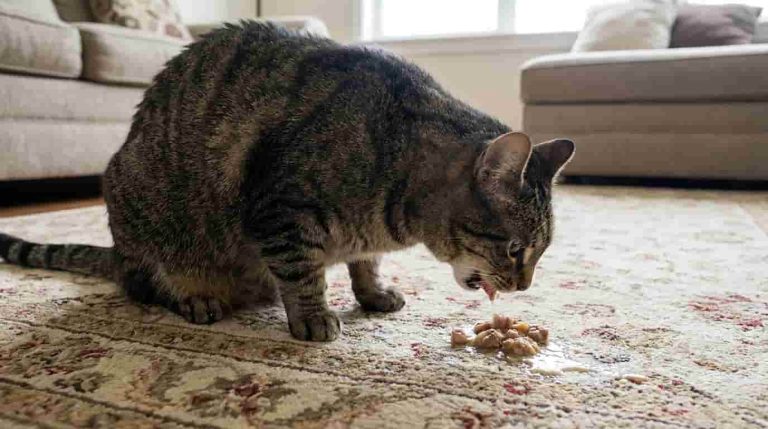
- Vomiting or digestive upset
- Tremors or muscle twitching
- Unusual weakness or lethargy
- Changes in behavior
- Difficulty walking
- Seizures
Severe or rapidly developing symptoms require prompt veterinary attention. For emergency neurological signs, see Cat Seizure: Signs, Causes, Treatment and What to Do
What Should You Do if Your Cat Reacts to a Flea Collar?
- Remove the collar immediately if a reaction is suspected.
- Prevent the cat from further contact with the product.
- Follow product label instructions regarding washing or decontamination if applicable.
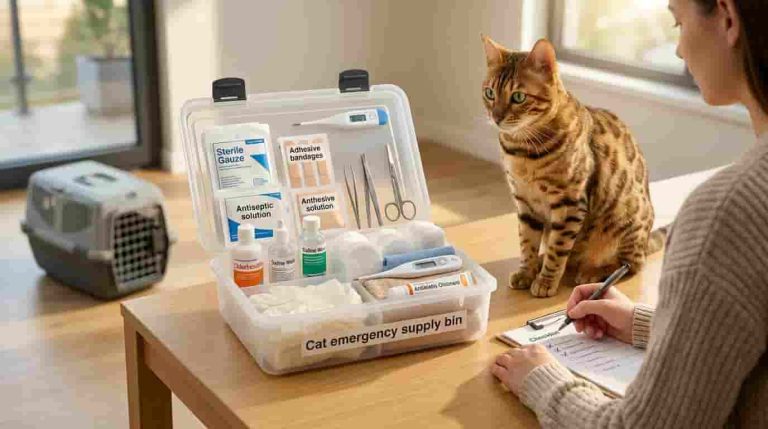
- Contact a veterinarian or animal poison resource for guidance. For suspected poisoning concerns, refer to Cat Poison: Symptoms, Common Toxins, Treatment and What to Do.
- Seek urgent veterinary care for severe or worsening symptoms.
What Is the Safest Flea Collar for Cats?

There is no single universal “safest” product because safety depends on the individual cat and the product’s ingredients and instructions. Instead of looking for a magic brand, check for these protective qualities:
- Specifically labeled for cats
- Appropriate for the cat’s age and weight
- Clear active ingredient information
- Reliable manufacturer instructions
- Appropriate safety warnings and breakaway features
- Secure but comfortable fit
Always purchase prevention products from reputable sources to reduce the risk of counterfeit or improperly stored merchandise.
Should You Choose Natural Flea Collars for Cats?
“Natural” does not automatically mean safer. Cats possess unique liver metabolisms and can be highly sensitive to certain substances, including concentrated essential oils like pennyroyal, tea tree, or citrus extracts. Always consult a veterinarian before using products marketed as natural flea prevention.
Do Veterinarians Recommend Cat Flea Collars?

Veterinary recommendations depend on the individual cat, lifestyle, flea exposure, health history, and available products. Some veterinarians may recommend flea collars, while others prefer topical or oral flea treatment for cats. The best option is not always the same for every household.
When a Flea Collar May Be a Practical Option
- Cats with regular outdoor exposure
- Homes needing ongoing, continuous prevention
- Owners seeking a long-lasting option
- Cats that tolerate the collar comfortably and are suited to its labeled use
When Another Flea Treatment May Be Better
- The cat develops skin irritation.
- The cat has previously reacted to a chemical product.
- The cat can easily become entangled or lose the collar outdoors.
- A veterinarian recommends a different method based on health history.
- The household has a heavy flea infestation requiring a broader treatment plan.
Cat Flea Collars vs. Other Flea Treatments
Flea Collars
- Long-lasting protection with select products
- Convenient once fitted properly
- Possible skin contact and local irritation concerns
- Effectiveness varies widely by brand
Topical Flea Treatment for Cats
- Applied directly to the skin, usually between the shoulder blades
- Requires using a cat-specific product and following precise dosing instructions
- Often provides protection against other parasites, such as ticks, ear mites, or worms, depending on the formulation
Oral Flea Treatments
- Medications administered by mouth (chewables or liquids)
- Offers convenience without residue on the fur, though availability and dosing schedules vary
Which Option Is Best?
The best flea prevention depends on your cat and household. Discuss options with a veterinarian, especially for kittens, senior cats, or cats with existing health conditions.
How to Choose Effective Cat Flea Collars
- Look for a Product Specifically Made for Cats: Never use a collar intended for dogs unless the manufacturer explicitly states it is safe for cats.
- Check Age and Weight Restrictions: Read the entire label to ensure the product matches your cat’s developmental stage.
- Understand What the Collar Actually Does: Check whether it kills adult fleas, repels pests, prevents reinfestation, or targets ticks.
- Consider Your Cat’s Lifestyle: Factor in indoor-only status, outdoor access, contact with other animals, and local parasite pressure.
- Check the Collar Regularly: Inspect for skin irritation and ensure the fit remains comfortable.
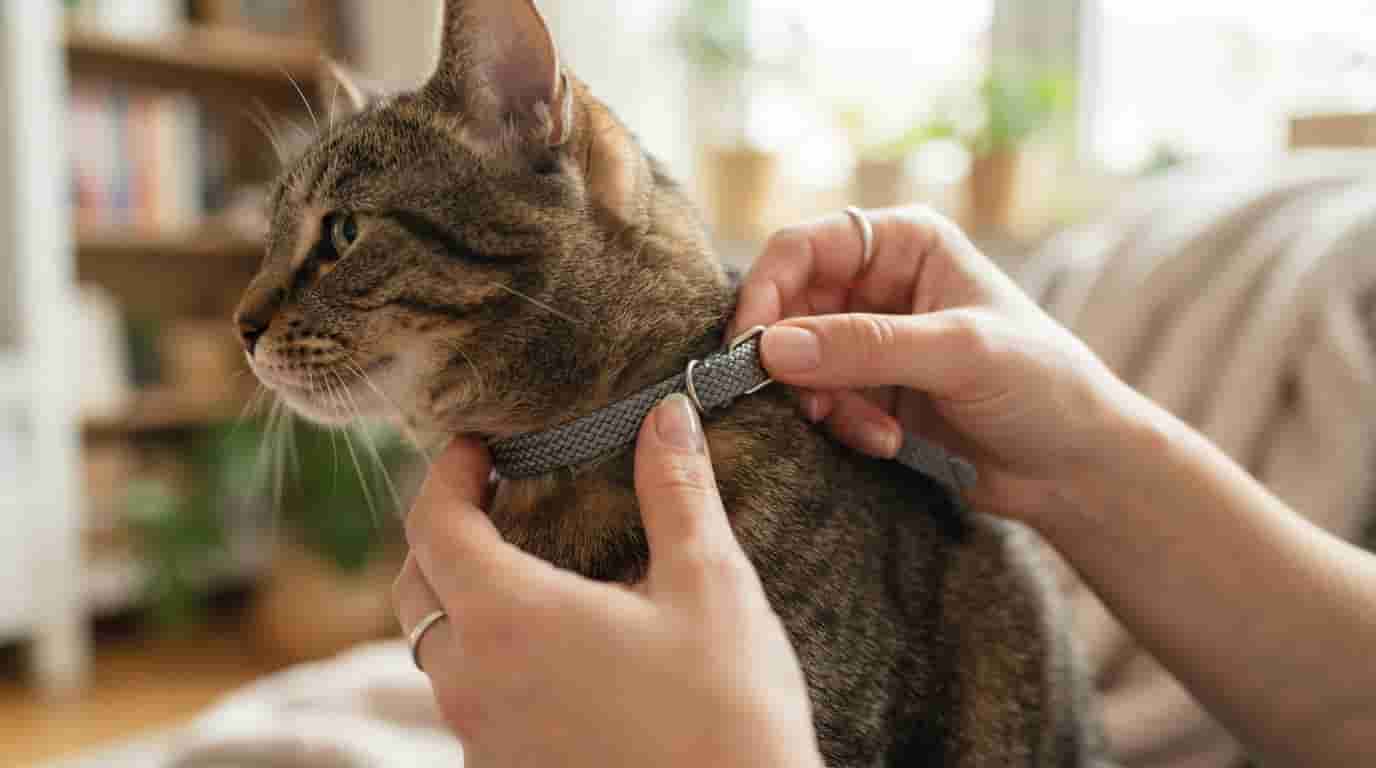
How to Put a Flea Collar on a Cat Safely

- Read the complete label before opening the product.
- Confirm that it is intended for cats of the appropriate age.
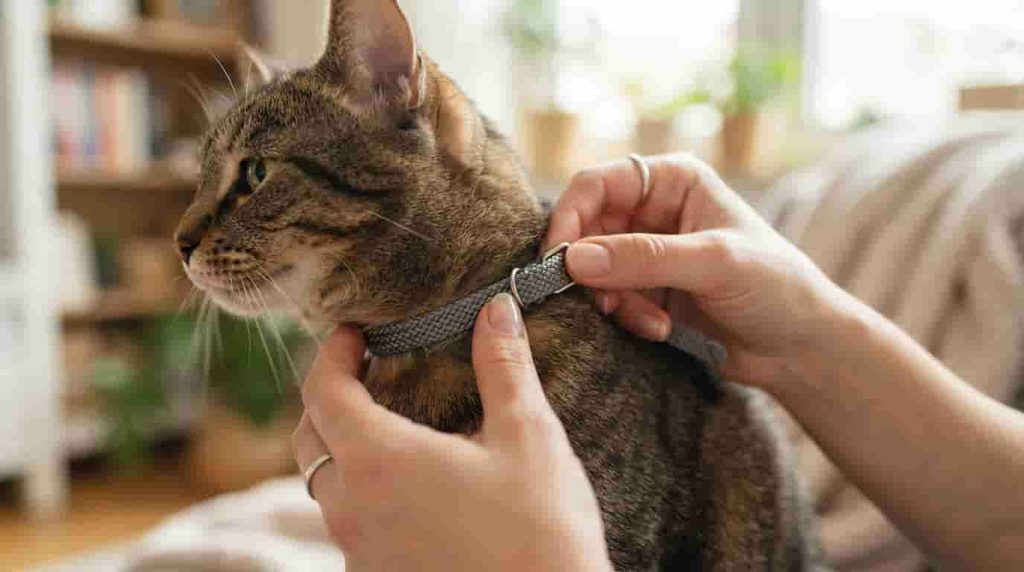
- Place the collar around the neck without making it too tight (you should be able to comfortably fit two fingers beneath the collar).
- Follow the manufacturer’s specific fitting guidance.
- Trim any excess only if the instructions explicitly state to do so.
- Check the skin beneath the collar regularly.
- Remove the collar and contact a veterinarian if concerning symptoms develop.
Common Fitting Mistakes
- Making the collar too tight
- Leaving it excessively loose, allowing the cat to get a paw or jaw stuck
- Using more than one pesticide product without veterinary guidance
- Leaving an expired collar on the cat
- Ignoring early signs of skin irritation
What Is the Best Thing to Keep Fleas Off Cats?

Consistent, cat-appropriate flea prevention combined with environmental control is generally more effective than relying on one step alone. Fleas spend a significant portion of their life cycle (eggs, larvae, pupae) away from the cat in your home.
Treat Every At-Risk Pet
Other pets may contribute to ongoing flea exposure. Ensure every dog and cat in the household is on a species-appropriate preventative regimen.
Control Fleas in the Home
- Vacuum carpets, rugs, and upholstered furniture regularly.
- Wash pet bedding in hot water frequently.
- Clean dark, quiet areas where pets rest.
- Follow pest-control guidance for significant infestations.
Stay Consistent With Prevention
Skipping doses allows the flea problem to return. Follow the treatment schedule recommended for your chosen product.
Can a Flea Collar Cause a Lump or Skin Problem?
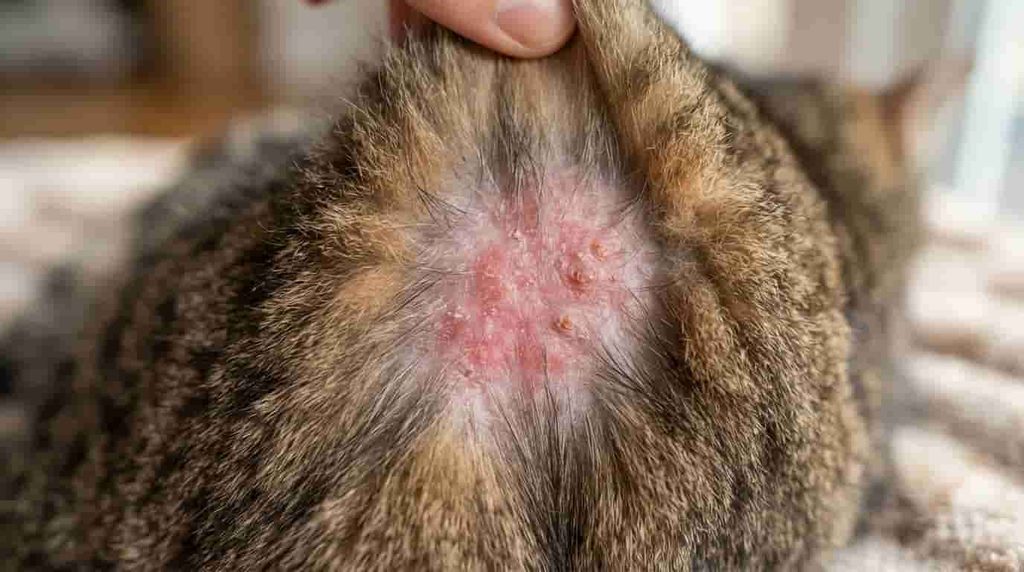
Irritation, swelling, or a skin reaction near the collar area should be examined if it persists or worsens. A lump appearing near the collar does not automatically mean the collar caused a tumor. For guidance on skin masses, review Cat Lump: Causes, Types, Treatment and When to Worry
.
When a Skin Reaction Needs Veterinary Care
- Significant swelling or localized edema
- Open sores or raw skin
- Persistent redness
- Rapidly worsening irritation
- Signs of pain or distress
- Discharge, bleeding, or infection
- A mass that does not resolve after removing the collar
For broader mass concerns, refer to Cat Tumor: Symptoms, Causes, Treatment, Types and Life Expectancy
A Hypothetical Example: When a Flea Collar May Not Be the Right Choice
A cat begins scratching heavily after a new flea collar is fitted. The owner notices redness beneath the collar and removes it. Instead of trying another pesticide product immediately, the owner contacts a veterinarian to discuss the reaction and choose a safer flea prevention plan.
This scenario highlights key principles:
- Do not ignore new symptoms.
- Do not stack multiple flea treatments without guidance.
- A previous adverse reaction should influence future product choices.
- The right flea prevention plan must match the individual cat.
Common Mistakes to Avoid With Cat Flea Prevention
- Using a flea product made for dogs on a cat
- Assuming all flea collars work equally well
- Choosing a product only because it is cheap or heavily advertised
- Using several parasite-control products at once without professional advice
- Ignoring age or weight restrictions
- Leaving a collar on despite visible skin irritation
- Treating only one pet when other pets carry fleas
- Forgetting environmental flea control
- Assuming “natural” means completely risk-free
When to Call a Veterinarian

Contact a veterinarian when:
- Fleas continue despite correct treatment.
- The cat develops a reaction to a collar.
- The cat is very young, elderly, pregnant, or has significant health concerns.
- There are neurological symptoms such as tremors, weakness, or seizures.
- The cat develops persistent skin changes or a new lump.
- You are unsure which flea treatment is appropriate.
Cat Flea Collars: The Bottom Line
Cat Flea Collars can work, but they are not all equally effective or appropriate for every cat. Safety depends entirely on choosing a cat-specific product, following instructions carefully, and monitoring for adverse reactions. The best flea prevention plan may involve a collar, another veterinary-approved topical or oral treatment, or a balanced combination of pet and environmental control. The safest choice is always one that fits your cat’s specific lifestyle and health needs.
What flea prevention methods have worked best for keeping your cats pest-free? Share your experiences below!
Frequently Asked Questions
1. How long does a cat flea collar take to work?
The time varies by product and active ingredient. Check the label instructions, as some collars require a day or two to distribute active ingredients across the skin and coat.
2. Can I use a dog flea collar on my cat?
No. Never use a dog flea collar on a cat unless the product specifically and explicitly states it is safe for cats. Dog treatments often contain chemical concentrations that are severely toxic to felines.
3. Should an indoor cat wear a flea collar?
Indoor cats can still be exposed to fleas brought in on clothing, by other pets, or through open doors, but the necessity of prevention depends on individual risk. Discuss the best approach with your veterinarian.
4. Can I use a flea collar and another flea treatment at the same time?
Combining products can drastically increase the risk of accidental chemical overexposure and toxicity. Always consult a veterinarian before using multiple flea-control products together.
5. What should I do if my cat eats part of a flea collar?
Remove any remaining pieces from the cat’s reach immediately and contact a veterinarian or animal poison control resource promptly. The appropriate medical response depends on the collar ingredients and the amount ingested.