
Cat Tumor: Symptoms, Causes, Treatment, Types and Life Expectancy
Introduction
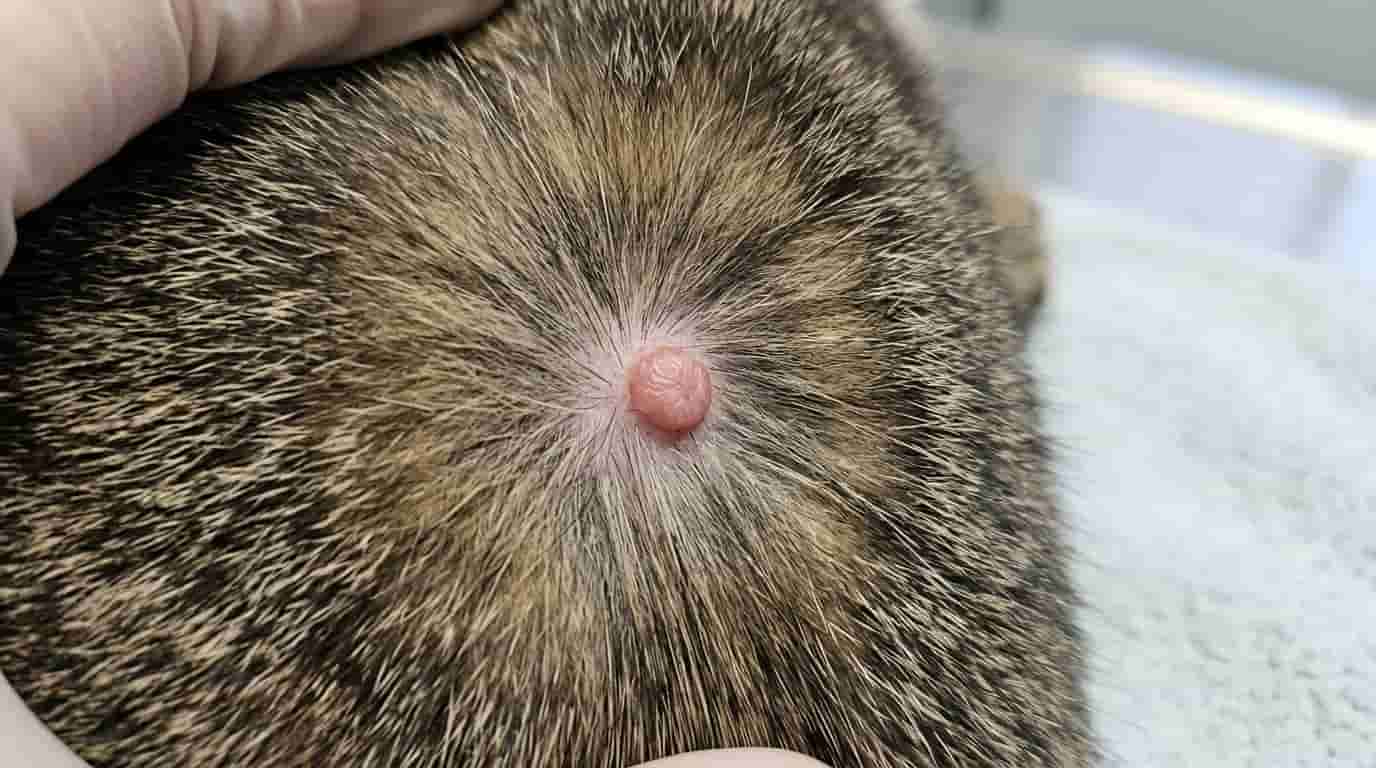
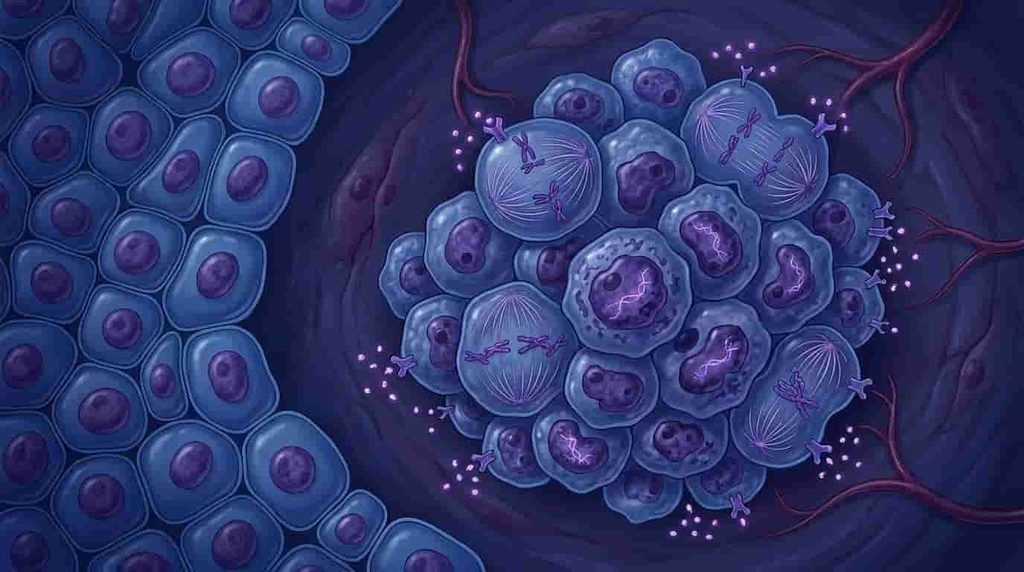
Cat Tumor. Finding a lump, swelling, unusual growth, or unexplained change on a cat’s body can be a deeply alarming experience for any pet owner. The most important message to understand early is that while a tumor is fundamentally an abnormal mass or growth of cells, not every tumor is cancerous. Tumors may be benign or malignant and can develop in various body tissues and locations.
This comprehensive guide covers everything you need to know about feline growths, including:
- Common cat tumor symptoms and appearance
- Different types of benign and malignant tumors
- Possible causes and risk factors
- How veterinarians diagnose masses
- Treatment options such as surgery, radiation, and chemotherapy
- Prognosis, life expectancy, and supportive care
- When a tumor constitutes a veterinary emergency
What Is a Cat Tumor?

A tumor is defined simply as an abnormal mass or growth of tissue that forms when cells multiply more rapidly than normal or fail to die when they should. It is vital to understand the difference between a visible physical lump and a confirmed tumor. Some physical swellings may be caused entirely by non-tumor conditions, such as inflammation, cysts, abscesses, or immune reactions. Only professional veterinary examination and testing can confirm whether a growth is a true tumor.
Benign vs. Malignant Tumors in Cats
- Benign cat tumors: These growths remain localized. They generally do not invade surrounding healthy tissues or spread to distant organs, though they can still cause health problems if their size or location interferes with normal bodily functions.
- Malignant tumors in cats: These cancerous growths are invasive, meaning they infiltrate nearby tissues and possess the ability to metastasize (spread) through the bloodstream or lymphatic system to other areas of the body. Behavioral traits vary widely depending on the specific cellular type.
Are All Lumps in Cats Tumors?
No. Lumps cannot be reliably diagnosed by appearance, texture, or size alone. Veterinarians rely on diagnostic testing—such as fine needle aspiration, cytology, or surgical biopsy—to determine the exact nature of any mass.
Common Types of Tumors in Cats

Skin and Soft Tissue Tumors
Tumors frequently appear as masses on or beneath the skin. While some are harmless fatty lipomas or benign cysts, others can be aggressive soft tissue sarcomas or mast cell tumors. Any change in size, shape, color, bleeding, or ulceration warrants immediate veterinary attention.
Mammary Tumors
Mammary masses develop in the breast tissue of both female and male cats (though much more common in unspayed females). These growths require prompt evaluation because a high percentage of feline mammary tumors are malignant and aggressive.
Oral Tumors
Searches regarding a cat tumor in mouth or a cat tumor under tongue typically involve squamous cell carcinomas or fibrosarcomas. Common signs include excessive drooling, bad breath, visible bleeding, difficulty eating, or noticeable facial asymmetry and swelling.
Tumors in Other Areas
Tumors can develop in or around almost any body system, including:
- A tumor on the neck or tumor on the leg
- Masses on the belly or stomach area
- A tumor on the chin
- A tumor in the nose or tumor in the ear
- A tumor on the face or masses situated near or behind the eye
The anatomical location heavily influences visible symptoms, treatment feasibility, and overall prognosis.
Cat Tumor Symptoms: What Should You Look For?
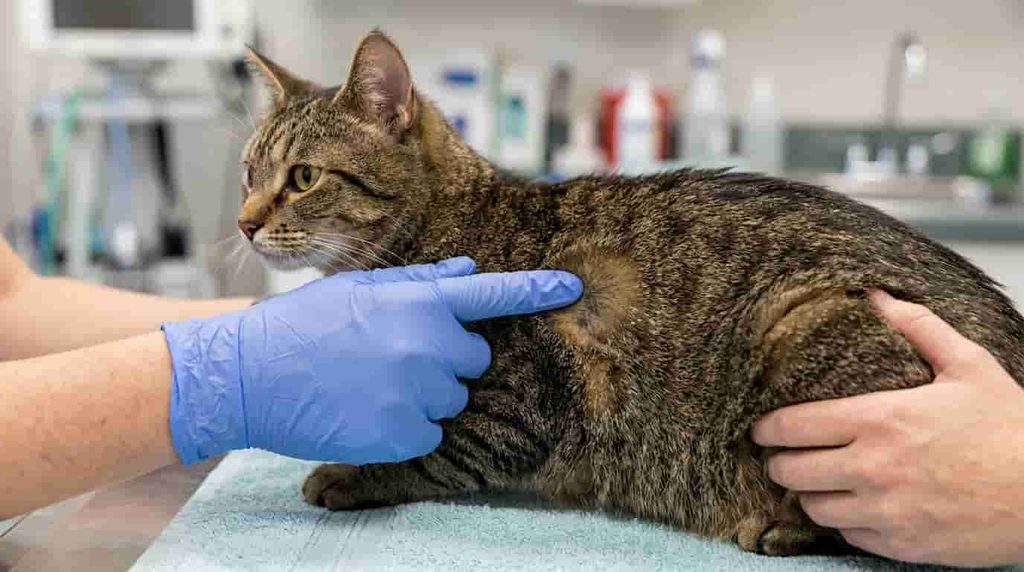
Symptoms depend heavily on where the tumor develops and whether it presses upon or disrupts nearby organs and tissues.
Common warning signs include:
- A new, growing, or changing lump or swelling
- Persistent bleeding or unusual discharge from a mass
- A skin sore or ulcer that refuses to heal
- Unexplained weight loss or changes in appetite
- Difficulty eating, chewing, or swallowing
- Excessive drooling
- Trouble breathing or labored respiration
- Noticeable changes in activity level or lethargy
- Lameness, stiffness, or difficulty walking
- Vomiting, diarrhea, or digestive changes
- Alterations in eye appearance, facial symmetry, or behavior
What Does Suspected Tumor Appearance Look Like?
Tumors vary wildly in presentation. Some feel soft, spongy, firm, smooth, or highly irregular; some are firmly fixed to underlying bone, while others are movable beneath the skin. Many tumors are completely hidden internally, showing no external signs until organ function is disrupted. Appearance alone cannot confirm whether a growth is cancerous.
Are Tumors Painful for Cats?
Some tumors cause little to no discomfort, while others are intensely painful. Pain depends on location, pressure on nerves or bone, inflammation, ulceration, and organ involvement. Because cats instinctively mask discomfort, subtle signs of pain include hiding, reduced activity, reluctance to be handled, or altered sleeping habits.
What Causes a Cat to Get a Tumor?

There is rarely a single, isolated cause for tumor development. Feline cancer involves complex cellular mutations influenced by a combination of factors:
- Age: Older cats experience higher rates of cell mutation and tumor development.
- Genetics: Certain breeds may show predispositions to specific types of cancer.
- Environmental Exposures: Long-term exposure to certain hazards can play a role. If you suspect environmental exposure, you can review resources on household safety such as Cat Poison: Symptoms, Common Toxins, Treatment and What to Do.
- Chronic Inflammation: Long-standing tissue irritation can sometimes trigger abnormal cell repair.
- Viral Infections: Viruses such as Feline Leukemia Virus (FeLV) or Feline Immunodeficiency Virus (FIV) are associated with specific cancers like lymphoma.
- Hormonal Influences: Hormones play a documented role in the development of mammary tumors, which is why early spaying significantly reduces risk.
How Veterinarians Diagnose a Cat Tumor
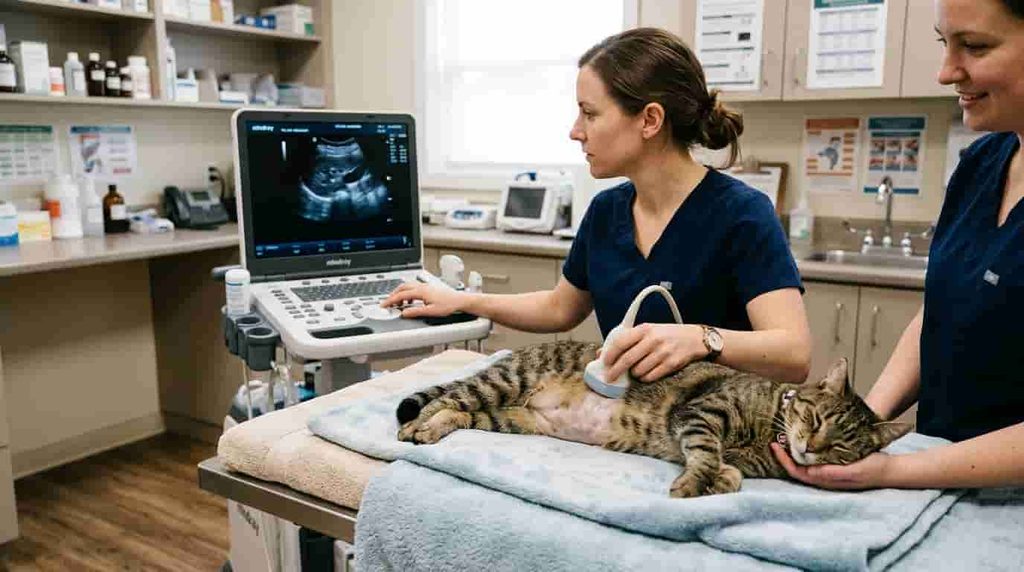
Diagnosing a tumor requires a systematic veterinary approach to identify cellular origin and check for systemic spread (staging).
Physical Examination and Medical History
The veterinarian will palpate the mass, record its exact dimensions, and ask detailed history questions: When did you first notice it? Has it grown? Has your cat’s appetite, weight, or energy shifted?
Fine Needle Aspiration and Cytology
A tiny needle is used to extract cells from the mass for microscopic examination. While quick and minimally invasive, cytology does not always provide a definitive final diagnosis.
Biopsy
A surgical or punch tissue sample provides a definitive architectural view of the mass, confirming tumor type and grading its aggressiveness to guide treatment planning.
Imaging and Additional Tests
Radiographs (X-rays), ultrasound, CT scans, or MRIs help determine internal organ involvement, check lung fields for metastasis, and assess whether complete surgical removal is achievable.
Cat Tumor Treatment Options

Cat Tumor Surgery
Surgical removal is frequently the primary treatment for localized tumors. Complete excision with clean margins offers the best chance for long-term control or cure, depending on the cancer type.
Radiation Therapy
Radiation uses high-energy rays to destroy cancer cells. It is often utilized when a tumor cannot be fully excised surgically or to shrink masses near vital structures.
Chemotherapy and Other Medical Treatments
Systemic medications target rapidly dividing cancer cells throughout the body. Feline chemotherapy protocols are generally well-tolerated and prioritize maintaining a high quality of life over aggressive eradication.
Palliative and Supportive Care
When a cure is not possible, supportive care focuses heavily on effective pain management, anti-nausea medications, nutritional support, and preserving the cat’s daily comfort.
Cat Tumor Removal Cost and Treatment Costs
Treatment costs vary widely based on geographic location, facility type, diagnostic complexity, surgical duration, hospitalization needs, and whether advanced therapies like radiation or oncology consultations are required. Owners should always request a detailed, itemized written estimate and discuss with their veterinarian which diagnostics are immediately essential versus optional.
Cat Tumor Life Expectancy: How Long Can a Cat Survive?
Survival times range dramatically depending on the specific tumor type, grade, location, stage, and treatment success.
Why Tumor Location Matters
- External masses on the skin are easily spotted and removed early.
- Internal masses (such as liver, spleen, or intestinal tumors) often remain hidden until advanced stages.
- Sensitive locations like the brain, nasal cavity, or mouth present unique surgical and management hurdles.
Questions to Ask Your Veterinarian About Prognosis
- What specific type of tumor does my cat have?
- Is this tumor benign or malignant?
- Has staging revealed any evidence of spread?
- What treatment options offer the best quality of life?
- What specific signs of pain or complications should I monitor at home?
When Is a Cat Tumor an Emergency?
While not every lump requires an immediate emergency room visit, seek urgent veterinary care if your cat exhibits:
- Severe, uncontrolled bleeding from a mass
- Acute respiratory distress or severe trouble breathing
- Sudden collapse, extreme weakness, or pale gums
- Complete inability to eat or drink
- Signs of severe, unmanaged pain
- Seizures or sudden neurological deterioration. For emergency neurological guidance, see Cat Seizure: Signs, Causes, Treatment and What to Do.
- Rapidly expanding swellings that obstruct breathing, swallowing, or movement
What Should You Do If You Find a Lump on Your Cat?
- Do Not Panic: Remember that finding a lump does not automatically mean your cat has cancer.
- Do Not Squeeze, Pop, or Cut the Lump: Attempting home treatments can cause severe pain, hemorrhage, or dangerous secondary infections.
- Observe and Record Changes: Note the exact location, size, texture, and whether it changes over time. For broader information on skin lumps, review Cat Lump: Causes, Types, Treatment and When to Worry.
- Schedule a Veterinary Examination: Early professional assessment yields the best clinical outcomes.
- Follow the Recommended Diagnostic Plan: Let professional testing guide treatment rather than guessing based on appearance.
Common Mistakes to Avoid When You Notice a Possible Tumor

- Assuming every new lump is automatically cancer
- Dismissing a small lump as harmless without checking it
- Waiting until a mass becomes painful or ulcerated before seeking help
- Attempting at-home surgical removal or draining
- Administering human pain medications (which are highly toxic to cats)
- Relying on online photographs to self-diagnose
- Skipping recommended follow-up cytology or staging tests
Can Flea Products or Other Exposures Be Related to a Lump?
A skin lump appearing after applying a topical product does not automatically mean the product caused a tumor; transient skin reactions differ from true neoplastic growths. However, if skin swelling persists or ulcerates, it requires veterinary diagnosis. For product safety background, consult Cat Flea Collars: Do They Really Work and Are They Safe?
How to Support a Cat During Tumor Treatment
- Administer prescribed medications precisely on schedule.
- Attend all scheduled oncology or veterinary recheck appointments.
- Monitor appetite, water intake, daily activity, and comfort levels closely.
- Maintain a calm, stress-free, and easily accessible home environment.
- Adhere to tailored nutritional guidelines provided by your veterinary team.
Cat Tumor: The Bottom Line
Finding an unexpected lump can be frightening, but a Cat Tumor can be benign or malignant, and proper veterinary diagnosis is the only reliable way to know what you are dealing with. Watch for changes, avoid home remedies, seek prompt professional evaluation, and follow a customized treatment plan tailored to your cat’s specific health needs.
What helped you notice an unusual lump on your cat, or what questions did you find most helpful during your veterinary visit? Share your experiences below!
Frequently Asked Questions
1. How long can a cat survive with a tumor?
Survival depends entirely on the tumor type, biological grade, anatomical location, cancer stage, and how well the cat responds to medical or surgical treatment.
2. What does a tumor in a cat look like?
Tumors can manifest as raised skin bumps, sub-cutaneous swellings, open sores, or entirely hidden internal masses. Appearance alone cannot identify the specific cellular type.
3. Are tumors painful for cats?
Some tumors cause significant pain and inflammation, while others cause very few visible signs. Professional veterinary evaluation is essential to assess feline comfort.
4. What causes a cat to get a tumor?
Causes are multifactorial, involving genetics, cellular aging, environmental factors, chronic inflammation, or specific viral triggers. Owners rarely can point to one exact cause.
5. Should I have a lump on my cat checked by a veterinarian?
Yes. Any new, growing, bleeding, or changing lump should be examined by a veterinarian promptly to determine whether testing or treatment is necessary.