Why Is My Cat Losing Weight? Causes, Warning Signs and What to Do
Introduction:
Why Is My Cat Losing Weight is an important question when your cat’s body condition or weight starts changing without an obvious reason. Watching your once-plump or healthy feline companion grow visibly thinner, lose muscle mass, or develop a bony spine can be deeply concerning. Weight loss in cats is not a disease in itself, but rather a physical sign that something within their body, environment, or daily routine has shifted. Because cats are evolutionarily hardwired to hide vulnerability, noticeable weight loss is often one of the earliest visible indicators of an underlying health concern.
While a minor weight fluctuation can occasionally happen due to simple factors like an intentional diet shift or temporary stress, unexplained, rapid, or continuous weight loss should never be ignored. To understand what might be happening, veterinarians often evaluate three distinct behavioral patterns: a cat losing weight and not eating, a cat losing weight while eating normally, or a cat losing weight despite being constantly hungry. Each pattern points toward very different biological processes, ranging from simple caloric deficits and dental discomfort to complex metabolic conditions, intestinal malabsorption, or organ dysfunction.
This comprehensive guide will walk you through the most common reasons for feline weight loss, help you decode appetite changes, explore special considerations for senior cats, and outline clear steps for home monitoring and veterinary evaluation. Please remember that this article provides general educational information and cannot replace a professional diagnostic evaluation by a licensed veterinarian.
Why Is My Cat Losing Weight?

Weight loss occurs when a cat’s body burns or expels more energy than it absorbs from food. This negative energy balance causes the body to break down its own fat stores and skeletal muscle to sustain vital organ function. While the underlying triggers vary widely, identifying the speed, pattern, and accompanying signs of body mass reduction is the first step toward getting your cat the right care.
Is some weight loss normal in cats?
Unexplained weight loss should never automatically be considered a normal part of a cat’s life. It is vital to distinguish between different scenarios:
- Intentional Weight Loss: Gradual, planned weight reduction in an overweight cat managed under strict veterinary supervision using balanced calorie goals.
- Reduced Food Intake: Unintentional loss of body mass caused directly by a cat eating fewer calories due to nausea, stress, pain, or illness.
- Unintentional Loss Despite Eating: Weight loss occurring even when a cat consumes their standard amount of food—or eats significantly more than usual—which strongly suggests a metabolic, systemic, or malabsorptive health condition.
What does unexplained weight loss mean?
The manner in which a cat sheds weight offers key insights into the severity of the issue:
- Gradual Weight Loss: A slow, steady decrease in body mass over several months. This is easily missed in fluffy cats until you physically feel their ribs or notice a tucked abdomen.
- Sudden or Rapid Weight Loss: A fast drop in body weight over days or weeks. Rapid weight loss is particularly dangerous in felines because it can trigger Hepatic Lipidosis (fatty liver disease), a severe medical condition where the liver becomes overwhelmed by mobilized fat.
- Noticeable Muscle Wasting: Loss of lean muscle tissue along the spine, hips, and shoulders, which can happen alongside or independent of body fat loss.
Common Causes of Cat Weight Loss
Feline weight loss stems from a broad range of biological, environmental, and medical factors. Rather than treating weight loss as a single isolated problem, veterinarians look at major categories to uncover the root cause.
| PRIMARY CATEGORIES OF FELINE WEIGHT LOSS | |
| Caloric & Environmental | Medical & Systemic |
| • Reduced caloric intake | • Dental disease & oral pain |
| • Environmental stress or anxiety | • Gastrointestinal & parasitic issues |
| • Inappropriate or unbalanced diet | • Chronic metabolic illness (Kidney, Liver, Diabetes) |
| • Multi-pet food competition | • Systemic inflammation or neoplasia |
Your cat is not eating enough
At its most basic level, a cat loses weight when they consume fewer calories than their body requires to maintain daily metabolic functions. A drop in food intake can result from:
- Loss of appetite (anorexia or hyporexia) due to internal nausea or systemic illness
- Difficulty accessing food bowls in multi-pet households due to animal bullying
- Sudden, unpalatable changes in food brand, texture, or flavor
- Disruption of daily routines or unmanaged household environmental stress
Dental and oral problems
Oral pain is a frequently overlooked cause of weight loss in felines. Cats suffering from severe dental disease may want to eat, but find the physical act of chewing too painful to endure. Common oral issues include:
- Periodontal disease and severe gum inflammation (gingivitis)
- Tooth resorption (painful lesions where the tooth structure breaks down)
- Fractured teeth or deep oral abscesses
- Ulcers or masses within the mouth and throat
Cats with dental issues may approach the food bowl enthusiastically, only to back away after a single bite, drop kibble out of their mouth, drool excessively, or chew awkwardly on one side.
Digestive problems
Gastrointestinal (GI) disorders can impair a cat’s ability to digest food or absorb nutrients through the intestinal wall. Even if the cat eats a normal diet, essential nutrients pass through the gut unabsorbed. Accompanying digestive signs often include intermittent vomiting, chronic diarrhea, gas, or noticeable abdominal discomfort.
If your cat experiences recurring digestive upset along with body weight changes, explore our detailed guide on Why Is My Cat Throwing Up? Causes, Warning Signs and What to Do to better understand how GI issues impact overall health.
Parasites and infections
Intestinal parasites—such as roundworms, hookworms, Giardia, or Coccidia—compete directly with the host cat for nutrients. Parasites consume calories from digested food while simultaneously irritating the intestinal lining, leading to malabsorption, weight loss, soft stools, and a dull, scruffy coat.
Systemic infections, including viral diseases like Feline Immunodeficiency Virus (FIV), Feline Leukemia Virus (FeLV), or Feline Infectious Peritonitis (FIP), can also cause progressive weight loss and muscle wasting.
Chronic health conditions

A wide variety of long-term medical conditions can alter a cat’s metabolism, organ function, or energy requirements. Key chronic conditions associated with weight loss include:
- Chronic Kidney Disease (CKD): Impaired kidney function leads to a buildup of metabolic toxins in the bloodstream, causing chronic nausea, poor appetite, increased thirst, and progressive weight loss.
- Diabetes Mellitus: Inability to properly utilize glucose forces the body to break down fat and muscle stores for energy, often resulting in weight loss paired with a ravenous appetite.
- Hyperthyroidism: Overproduction of thyroid hormone dramatically accelerates metabolism, causing rapid weight loss despite an voracious appetite.
- Pancreatitis and Inflammatory Bowel Disease (IBD): Chronic gut inflammation impairs nutrient digestion and causes ongoing nausea or bowel changes.
Stress and environmental changes
Cats are sensitive creatures of habit that thrive on predictability. Significant changes in their environment—such as moving to a new home, introducing a new baby or pet, household construction, or loss of a companion—can induce chronic stress. Stressed cats often reduce their daily food intake or stop eating altogether. However, veterinarians caution that persistent or severe weight loss should never be blamed solely on stress without ruling out underlying physical illness first.
Why Is My Cat Losing Weight but Still Eating?
One of the most confusing scenarios for cat owners is watching a cat shed pounds while continuing to clear their food bowl—or even begging for extra meals.
Why appetite does not always tell the whole story
An active appetite is reassuring, but it does not guarantee that your cat’s body is absorbing or utilizing calories correctly. Evaluating appetite alongside body condition involves recognizing three distinct behaviors:
- Eating Less: The weight loss is logically tied to a decrease in caloric intake.
- Eating Normally: Caloric intake matches their historic baseline, but the body is wasting energy or failing to absorb nutrients.
- Eating More (Polyphagia): The cat displays an increased or ravenous appetite, yet continues to lose body mass rapidly.
Weight loss with increased appetite
When a cat is losing weight despite being constantly hungry, their body is likely in a hypermetabolic or malabsorptive state. Common reasons for this symptom combination include:
- Hyperthyroidism: Common in middle-aged and senior cats, an overactive thyroid gland acts like a stuck accelerator pedal on the metabolic engine, burning calories faster than the cat can consume them.
- Diabetes Mellitus: Because the cat’s cells cannot absorb glucose from the bloodstream without functioning insulin pathways, the body feels as if it is starving, driving intense hunger while fat and muscle tissue are broken down.
- Exocrine Pancreatic Insufficiency (EPI) or Malabsorption: The digestive tract fails to produce key enzymes or absorb nutrients, causing calories to pass directly out in the stool despite heavy food consumption.
If your cat seems perpetually hungry yet continues to lose weight, schedule a veterinary visit to evaluate their blood work and organ function.
Why Is My Cat Losing Weight and Not Eating?
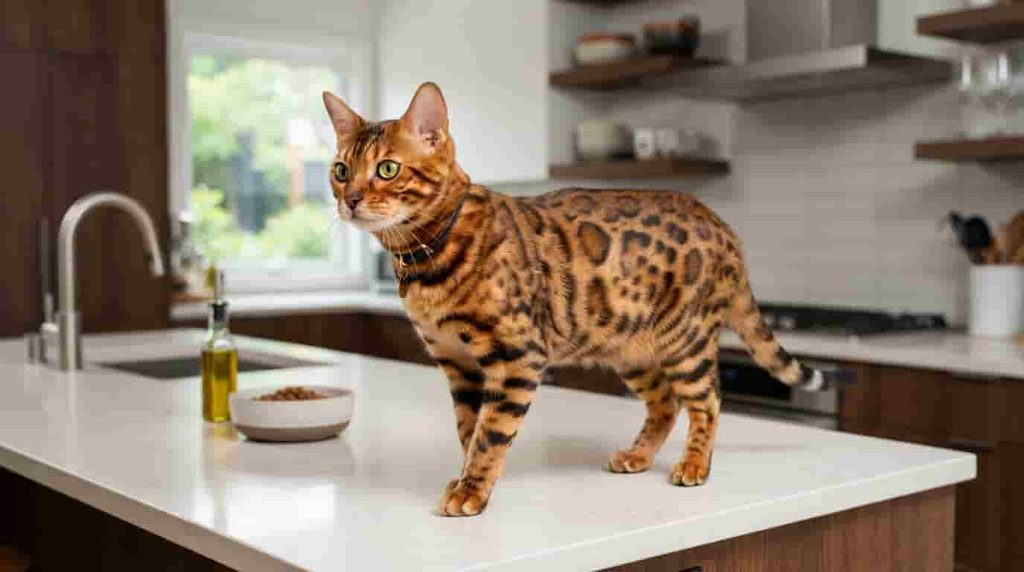
Weight loss accompanied by a partial or complete loss of appetite (anorexia) requires prompt attention. Unlike humans, who can fast safely for extended periods, a cat that stops eating faces unique biological risks.
| THE DANGERS OF FELINE ANOREXIA & WEIGHT LOSS |
| Systemic Illness, Pain, Nausea, or Unmanaged Environmental Stress |
| ⬇️ |
| Cat Stops Eating (Anorexia) |
| ⬇️ |
| Rapid Mobilization of Body Fat Reserves |
| ⬇️ |
| Fat Overwhelms the Liver (Hepatic Lipidosis / Fatty Liver) |
| ⬇️ |
| Progressive Liver Dysfunction & Critical Illness |
Why appetite loss matters
When a cat stops eating or eats significantly less than needed, their body rapidly mobilizes stored fat to generate energy. However, the feline liver is not equipped to process large quantities of fat efficiently. This fat accumulates within liver cells, leading to Hepatic Lipidosis (fatty liver disease), a life-threatening condition that causes severe jaundice, nausea, and worsening liver failure.
What else should you look for?
When appetite loss and weight loss occur together, carefully check for additional warning signs:
- Complete refusal of favorite foods or treats
- Drooling or lip-licking when food is offered (signs of nausea)
- Hiding, social withdrawal, or changes in sleeping posture
- Vomiting, diarrhea, or constipation
- Lethargy, weakness, or vocalizing in distress
If your cat is turning away from their food bowl entirely, consult our dedicated guide on Why Is My Cat Not Eating? Causes, Warning Signs and What to Do for actionable guidance.
Why Is My Cat Losing Weight So Fast?
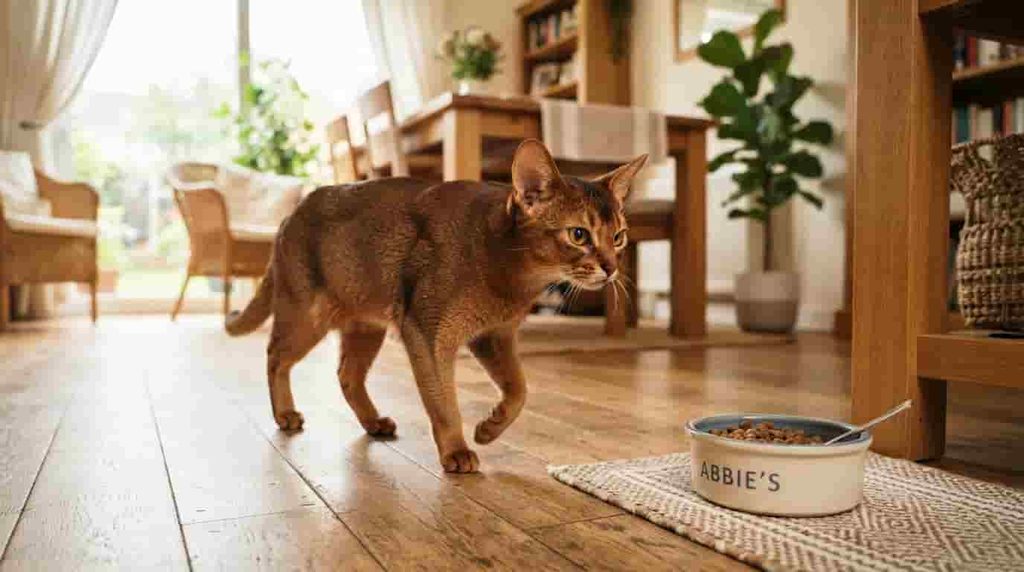
Rapid or sudden weight loss is always more concerning than a slow, subtle drop in weight over a long period.
| WEIGHT LOSS PATTERN COMPARISON | |
| Pattern | Clinical Context & Urgency |
| Gradual & Intentional | Monitored diet plan for an overweight cat; low urgency. |
| Gradual & Unexplained | Slow drop over months; warrants standard veterinary evaluation. |
| Sudden or Rapid | Noticeable drop in days/weeks; high urgency due to fatty liver risk. |
| Rapid + Acute Symptoms | Fast loss with vomiting, diarrhea, or lethargy; immediate emergency care. |
Sudden weight loss vs. gradual weight loss
Gradual weight loss often points toward slow-developing chronic conditions like early kidney disease, mild dental problems, or age-related muscle loss.
Rapid weight loss, on the other hand, indicates acute health crises such as severe organ failure, aggressive cancers, acute systemic infections, unmanaged diabetes, or complete gastrointestinal blockages.
When rapid weight loss needs urgent attention
Seek immediate veterinary evaluation if rapid weight loss is accompanied by:
- Complete refusal to eat for more than 24 to 48 hours
- Repeated vomiting or severe, watery diarrhea
- Noticeable yellowing of the eyes, gums, or skin (jaundice)
- Extreme muscle weakness, staggering, or sudden collapse
- Open-mouth breathing, panting, or labored respiration
Why Is My Cat Losing Weight and Having Diarrhea?
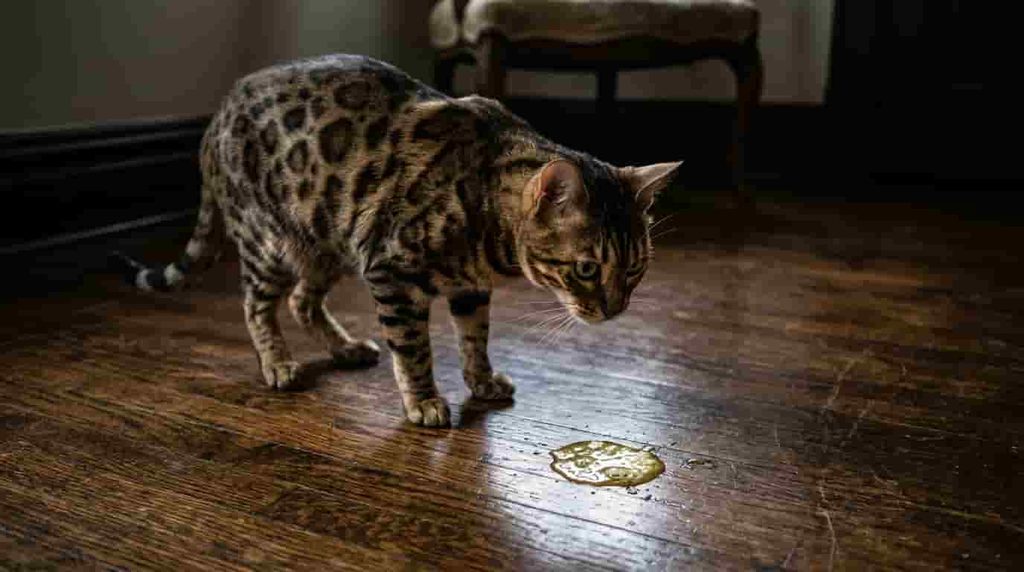
When weight loss is paired with ongoing soft stools or watery diarrhea, the gastrointestinal tract is clearly involved.
What to watch for
Document the specific characteristics of your cat’s diarrhea to share with your veterinarian:
- Frequency: How many times a day is your cat using the litter box?
- Stool Appearance: Is the stool soft, completely liquid, greasy, or unusually pale?
- Presence of Blood or Mucus: Are there streaks of bright red blood or slimy mucus present?
- Litter Box Accidents: Is your cat straining or failing to make it to the litter box in time?
When diarrhea and weight loss need veterinary attention
The combination of weight loss and chronic diarrhea leads to rapid nutrient depletion, dehydration, and electrolyte imbalances. Intestinal parasites, Inflammatory Bowel Disease (IBD), food allergies, exocrine pancreatic insufficiency, or intestinal tumors are primary causes. If diarrhea lasts more than two or three days, or if it contains blood or is accompanied by vomiting, schedule a veterinary visit right away.
Why Is My Cat Losing Weight and Having Hair Loss?
Noticing that your cat is losing both body weight and fur indicates that their systemic health, nutritional status, or skin barrier is compromised.
What coat changes can tell you
A cat’s coat is a direct mirror of their overall internal health. Combined weight loss and skin issues can manifest as:
- Matted or Unkempt Fur: Sick or painful cats often stop self-grooming, leading to matted, greasy, or messy hair.
- Excessive Shedding and Bald Patches: Severe systemic stress or poor nutritional absorption can cause hair follicles to enter a resting phase and fall out in clumps.
- Over-grooming: Chronic stress, skin parasites (like fleas or mites), or underlying allergies can drive a cat to lick themselves raw, causing hair loss and behavioral calorie burn.
- Dull, Brittle Coat: Lack of essential fatty acids or protein absorption weakens individual hair strands.
When a cat’s body lacks basic nutrients or deals with metabolic illness, it prioritizes vital organs over hair growth, resulting in a thin, patchy, or unkempt coat.
Why Is My Cat Losing Weight but Acting Normal?
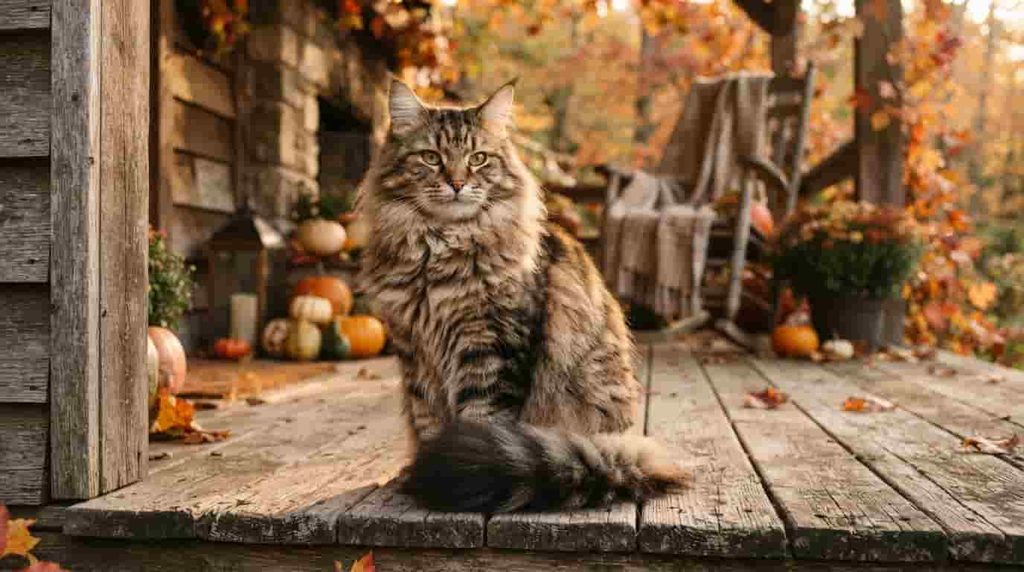
It is common for owners to be puzzled when a cat loses weight while continuing to play, purr, groom, and interact with the family as if nothing is wrong.
Why cats may hide signs of illness
Cats inherited strong instincts from their wild desert ancestors to conceal illness and pain. Showing physical weakness in nature makes an animal vulnerable to rivals and predators. Consequently, a cat can maintain a outwardly happy demeanor even while experiencing early-stage kidney failure, hyperthyroidism, or internal tumors.
Subtle signs worth watching
Rather than relying on whether your cat “acts sick,” look closely for subtle shifts in daily routines:
- Sleeping slightly more than usual or choosing new resting spots on the floor
- Subtle hesitation before jumping onto high countertops or furniture
- Subtle changes in drinking frequency or litter box urine volume
- Becoming slightly more demanding or vocal around mealtimes
- Gradual loss of muscle mass along the spine despite normal playfulness
Senior Cat Weight Loss: Why Older Cats May Lose Weight
As cats enter their senior (7–10 years) and geriatric (11+ years) years, their bodies undergo physiological shifts that alter nutrient absorption and metabolism. However, weight loss should never be dismissed as simply “getting old.”
| COMMON CAUSES OF SENIOR CAT WEIGHT LOSS | |
| Metabolic & Systemic Conditions | Structural & Digestive |
| • Hyperthyroidism | • Severe dental disease |
| • Chronic Kidney Disease (CKD) | • Inflammatory Bowel Disease |
| • Diabetes Mellitus | • Age-related muscle wasting |
| • Systemic Cancer (Neoplasia) | • Malabsorption / Low lipase |
What changes should concern you?
Older cats naturally experience slight reductions in digestive efficiency, making it harder to process fats and proteins. However, noticeable drops in body weight or loss of muscle along the back typically signal manageable medical conditions such as hyperthyroidism, chronic kidney disease, or arthritis pain that makes reaching food dishes uncomfortable.
Why regular monitoring matters
Because senior cats face higher risks for chronic diseases, monitoring their weight at home and scheduling bi-annual veterinary wellness exams is vital. Detecting conditions like renal disease or hyperthyroidism in their early stages dramatically improves long-term management and preserves your cat’s quality of life.
Why Is My Cat Losing Weight in the Summer?
Owners sometimes notice subtle weight changes in their pets during warmer summer months, leading them to wonder if heat is the culprit.
What to monitor during hot weather
During hot weather, cats naturally reduce their physical activity to avoid overheating. This drop in energy expenditure is often paired with a mild reduction in daily food intake. Furthermore, if a cat spends time outdoors or in warm rooms, they may drink more water and eat smaller, lighter meals.
When seasonal changes become a concern
While a minor, temporary reduction in appetite during a heatwave can happen, significant or progressive weight loss is not a normal response to summer heat. If your cat loses noticeable weight, acts unusually lethargic, or stops eating for more than 24 hours during warm weather, seek veterinary advice rather than blaming the season.
What Other Signs Can Happen With Cat Weight Loss?

Evaluating weight loss alongside other physical and behavioral signs creates a clearer picture of your cat’s health.
Appetite changes
Pay attention to whether your cat is eating less, refusing food completely, acting extremely picky, or exhibiting a ravenous, unquenchable hunger.
Digestive changes
Take note of accompanying gastrointestinal signs, such as frequent vomiting, clear liquid expulsion, soft stools, flatulence, or straining in the litter box.
Drinking and urination changes
A noticeable increase in daily water intake (polydipsia) paired with larger or more frequent urine clumps in the litter box (polyuria) is a classic combination seen alongside feline weight loss.
If you notice your cat spending significantly more time at the water bowl, read our detailed article on Why Is My Cat Drinking So Much Water? Causes and When to Worry to learn how kidneys, thyroid, and blood sugar interact.
Behavioral changes
Watch for social withdrawal, hiding under beds, uncharacteristic aggression, irritability when handled, excessive vocalization, or a total neglect of self-grooming.
Physical changes
Examine your cat for visible physical shifts, such as sunken eyes, pale or yellowed gums, a bony spine and hip region, bad breath (halitosis), or loss of lean muscle mass.
How Can I Tell If My Cat Is Losing Too Much Weight?

Because you see your cat every day, gradual weight loss can be surprisingly difficult to notice visually—especially in long-haired or fluffy breeds.
Look at body condition, not only the scale
Veterinarians use a standardized Body Condition Score (BCS) system—typically on a scale of 1 to 9—to evaluate a cat’s body fat and muscle reserves:
| FELINE BODY CONDITION SCORE (BCS) | |
| Score | Physical Characteristics |
| 1-3 (Underweight) | Ribs, spine, and pelvic bones easily visible and felt; severe abdominal tuck; minimal fat. |
| 4-5 (Ideal) | Ribs easily palpable with a slight fat cover; smooth waistline visible behind ribs. |
| 6-9 (Overweight) | Ribs difficult to feel under thick fat layer; absent waistline; prominent fat pad. |
Run your hands gently along your cat’s sides. You should be able to feel their ribs easily under a thin layer of fat, similar to feeling the back of your knuckles when your hand is flat. If the ribs, spine, and hip bones feel sharp, prominent, or lack any covering tissue, your cat is underweight.
Track weight over time
The most reliable way to monitor body condition at home is to weigh your cat regularly:
- Purchase a digital baby scale or use a home bathroom scale.
- Weigh yourself holding the cat, then weigh yourself alone.
- Subtract your weight from the combined total to find your cat’s weight.
- Record the date and weight in a notebook or tracking app once a month (or weekly for sick or senior cats).
Because a typical domestic cat weighs around 8 to 10 pounds, a loss of just 1 pound represents a massive 10% to 12% drop in total body mass—the equivalent of a 150-pound human suddenly losing 15 to 18 pounds.
What Can I Give My Cat to Gain Weight?
When owners notice their cat is getting thin, their first impulse is often to offer rich treats, high-calorie supplements, or extra food. However, this approach can be counterproductive or even dangerous.
Don’t simply add high-calorie foods
Attempting to force weight gain without knowing why the cat lost weight can worsen underlying medical issues. For example:
- Offering high-fat foods to a cat with pancreatitis can trigger a severe, painful flare-up.
- Feeding high-protein diets to a cat with advanced kidney disease can accelerate toxin buildup in the blood.
- Offering rich milk or human foods to a cat with inflammatory bowel disease can cause severe diarrhea and dehydration.
Focus on appropriate nutrition
If your veterinarian confirms that your cat needs calorie support while undergoing diagnostic testing, focus on safe, highly digestible strategies:
- Offer warm, wet canned food to increase aroma and palatability.
- Feed small, frequent meals throughout the day rather than one or two large feedings.
- Choose balanced, highly palatable feline veterinary recovery diets recommended by your clinic.
- Ensure food dishes are wide, flat, and placed in quiet, stress-free locations.
When appetite support may be needed
If your cat refuses to eat due to nausea or systemic illness, your veterinarian can prescribe targeted feline appetite stimulants (such as mirtazapine) or anti-nausea medications (such as maropitant) to make eating comfortable again.
How Is Cat Weight Loss Diagnosed by a Veterinarian?
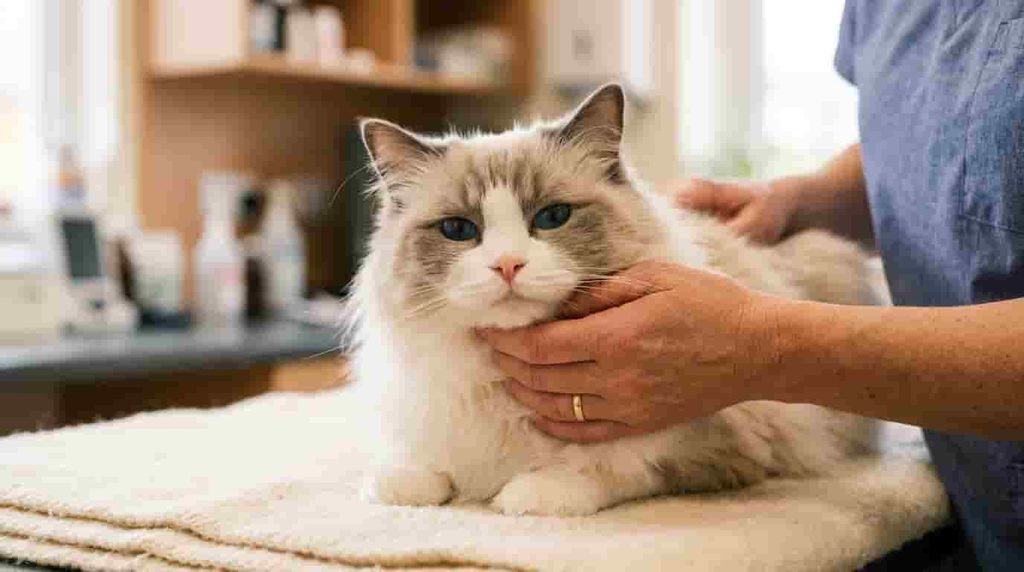
Because weight loss is a broad symptom with many potential causes, your veterinarian will use a structured diagnostic approach to uncover the underlying issue.
| VETERINARY DIAGNOSTIC FLOW |
| Step 1: Comprehensive Medical History & Physical Examination • Dietary review, appetite pattern, environment, palpation, mouth examination. |
| ⬇️ |
| Step 2: Baseline Laboratory Diagnostics • Complete Blood Count (CBC) & Serum Biochemistry Panel. • Total T4 (Thyroid) Screening & Urinalysis. • Fecal Parasite Examination. |
| ⬇️ |
| Step 3: Advanced Diagnostic Imaging & Targeted Testing • Abdominal Ultrasound & Digital Radiography (X-rays). • GI Biomarkers (B12, Folate, fPLI) & Biopsies. |
What the veterinarian may ask
Your clinic visit will begin with a thorough medical history. Be prepared to share:
- When you first noticed the weight loss and how quickly it occurred
- Details about your cat’s appetite (eating more, less, or normally)
- Exact food brand, portions, and feeding schedule
- Any observed vomiting, diarrhea, cough, or drinking changes
- Behavioral shifts, stress triggers, or household changes
Physical examination
Your veterinarian will perform a hands-on physical exam, including:
- Checking body weight, muscle condition score, and hydration levels
- Examining the mouth, gums, and teeth for inflammation, resorption, or masses
- Palpating the neck for enlarged thyroid glands
- Feeling the abdomen to evaluate kidney size, intestinal thickness, or masses
- Listening to the heart and lungs for murmurs, irregular rhythms, or fluid
Possible diagnostic tests
To pinpoint the exact cause, your vet may recommend initial diagnostic tests:
- Complete Blood Count (CBC): Checks for anemia, infection, and inflammation.
- Serum Biochemistry Panel: Evaluates kidney values, liver enzymes, blood sugar, and protein levels.
- Total T4 Level: Screens for feline hyperthyroidism in cats over 6 years old.
- Urinalysis: Assesses kidney concentrating ability, urinary infections, and glucose leakage.
- Fecal Examination: Checks for microscopic intestinal parasites and protozoa.
- Diagnostic Imaging: Radiographs (X-rays) or abdominal ultrasound to visualize internal organs and rule out tumors or foreign bodies.
What Is the Treatment for Cat Weight Loss?
There is no single universal “treatment” for feline weight loss because therapy must target the underlying medical condition causing the weight drop.
Treatment depends on the cause
Depending on the diagnosis, your veterinarian will create a tailored treatment plan:
- Hyperthyroidism: Managed with daily antithyroid medications, radioactive iodine therapy (I-131), surgical removal of thyroid tissue, or specialized prescription diets.
- Diabetes Mellitus: Treated with daily insulin injections, dietary modifications, and routine blood glucose monitoring.
- Chronic Kidney Disease: Managed with fluid therapy, prescription renal diets, phosphorus binders, and anti-nausea medications.
- Dental Disease: Addressed through professional dental cleanings, extractions under anesthesia, and antibiotics if needed.
- Intestinal Parasites: Cleared quickly using targeted deworming medications.
- Inflammatory Bowel Disease: Treated with hypoallergenic prescription diets, anti-inflammatory medications, or gut-targeted steroids.
Why treating the symptom is not enough
Simply trying to feed more calories without addressing the root condition will not solve feline weight loss. Treating the underlying disease halts body wasting, restores digestive absorption, and allows your cat to regain healthy weight naturally.
Should I Be Worried About My Cat Losing Weight?
Determining how quickly to act depends on the severity of the weight loss and whether other symptoms are present.
Monitor closely
You can monitor your cat closely at home for a few days if:
- The weight loss is minor, planned, and part of a vet-approved diet for an overweight cat.
- Your cat is bright, active, eating well, drinking normally, and using the litter box without issue.
Schedule a veterinary appointment
Schedule a non-emergency appointment with your veterinarian within a few days if:
- You notice unexplained, gradual weight loss over several weeks.
- Your cat is losing weight while eating normally or eating significantly more than usual.
- Your cat’s coat looks unkempt, dull, or matted.
- Your senior cat is becoming noticeably thinner along their spine or hips.
Seek urgent veterinary care
Proceed immediately to an emergency clinic or urgent care facility if:
- Your cat has stopped eating completely for more than 24 to 48 hours.
- Rapid weight loss is paired with repeated vomiting or severe diarrhea.
- You notice yellowing of the eyes, gums, or skin (jaundice).
- Your cat is extremely weak, lethargic, unsteadily walking, or collapsing.
- Your cat displays open-mouth breathing, panting, or acute respiratory distress.
If your cat exhibits weight loss paired with severe breathing difficulty, review our emergency overview on Why Is My Cat Breathing With Its Mouth Open? Causes and When to Worry for immediate steps.
Common Mistakes Owners Make When a Cat Loses Weight
Avoiding common pitfalls ensures your cat gets timely, effective care:
- Assuming Weight Loss Is Just “Old Age”: Assuming that aging automatically causes thinness leads to missed diagnoses of treatable conditions like hyperthyroidism or kidney disease.
- Blaming Everything on “Picky Eating”: Assuming a cat is just picky when they turn away from food often overlooks underlying oral pain, nausea, or systemic illness.
- Randomly Changing Foods or Adding Rich Treats: Switching diets repeatedly can irritate an already inflamed GI tract and delay proper diagnosis.
- Waiting Because the Cat “Acts Normal”: Delaying a vet check because a cat is still purring or playing allows early-stage metabolic conditions to progress.
- Relying Only on Visual Appearance: Failing to feel your cat’s spine or weigh them regularly makes subtle weight loss hard to detect early.
- Ignoring Increased Thirst or Urination: Dismissing larger urine clumps or frequent drinking hides critical clues for diabetes or renal disease.
- Giving Human Medications or Supplements: Attempting home remedies without veterinary guidance can cause severe toxicity or organ failure.
When Should I Take My Cat to the Vet for Weight Loss?
Make an appointment if
- Unexplained weight loss continues over two to three weeks.
- Your cat’s appetite has visibly increased or decreased.
- Your cat is losing weight despite eating full meals.
- Intermittent vomiting, soft stools, or coat changes accompany the weight drop.
- Your senior cat shows visible muscle wasting along their back.
Seek urgent help if
- Your cat refuses all food for longer than 24 to 48 hours.
- Rapid weight loss occurs alongside continuous vomiting or severe diarrhea.
- Your cat shows yellowed gums/eyes, extreme weakness, or collapse.
- Your cat exhibits severe distress, vocalizing, or open-mouth breathing.
Frequently Asked Questions About Cat Weight Loss
Why is my cat losing weight but still eating?
A cat losing weight while continuing to eat usually suffers from a metabolic or malabsorptive condition. Common culprits include hyperthyroidism, diabetes mellitus, or intestinal issues like Inflammatory Bowel Disease (IBD). Blood work and urinalysis performed by a veterinarian are necessary to determine the exact cause.
Why is my cat losing weight so quickly?
Rapid weight loss indicates an acute illness, severe metabolic disruption, or sudden loss of appetite. Conditions like uncontrolled diabetes, acute liver failure, aggressive tumors, or complete anorexia cause fast body wasting. Rapid weight loss carries a high risk of Hepatic Lipidosis (fatty liver disease) and requires prompt veterinary assessment.
Why is my cat skinny even though she eats?
If your cat remains very thin despite eating adequate meals, their body is either failing to absorb nutrients through the gut or burning calories at an abnormally high rate. Parasites, pancreatic insufficiency, intestinal inflammation, or an overactive thyroid gland are frequent explanations that should be investigated by a veterinarian.
What can I give my cat to gain weight?
Do not offer random high-fat human foods or supplements without veterinary guidance, as this can trigger pancreatitis or worsen underlying disease. Focus on offering palatable, veterinary-approved canned foods or recovery diets while scheduling an exam to treat the root cause of the weight loss.
Is weight loss normal in older cats?
While senior cats may experience mild changes in digestion, noticeable or continuous weight loss is not a normal part of aging. It typically points to common senior conditions like chronic kidney disease, hyperthyroidism, arthritis pain, or dental disease—most of which can be managed successfully when identified early.
Conclusion
Understanding Why Is My Cat Losing Weight requires looking at your cat’s overall behavior, appetite patterns, and physical condition rather than focusing on body size alone. As we have explored, weight loss can stem from simple caloric shortages or environmental stress, but it frequently signals underlying health concerns like dental disease, hyperthyroidism, chronic kidney dysfunction, or gastrointestinal disorders.
Paying close attention to whether your cat is eating less, eating normally, or eating ravenously provides essential diagnostic clues for your veterinarian. While an energetic cat losing a minor amount of weight can be scheduled for a routine checkup, rapid weight loss, persistent anorexia, vomiting, or extreme weakness demand immediate veterinary intervention. By monitoring your cat’s body condition score, tracking their weight monthly on a home scale, and seeking timely professional care, you can protect your feline companion’s health and ensure they enjoy a comfortable, happy life.
Have you noticed unexpected weight shifts or appetite changes in your cat recently? Leave a comment below to share your story, ask questions, or connect with our community of caring cat owners!