Can Cats Eat Chicken? What Parts Are Safe and What to Avoid
Introduction:
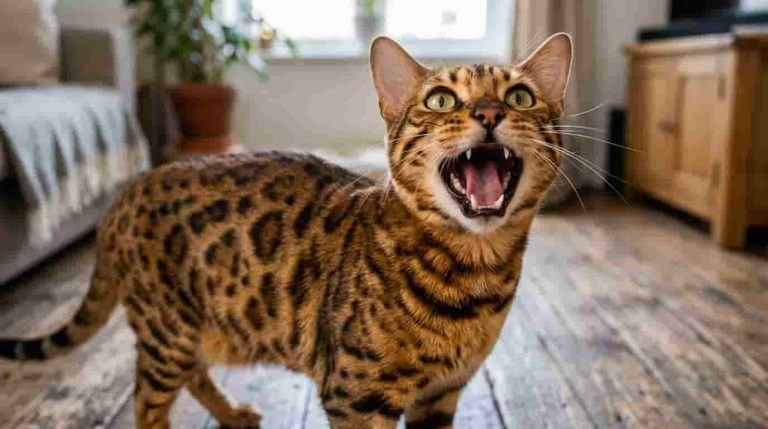
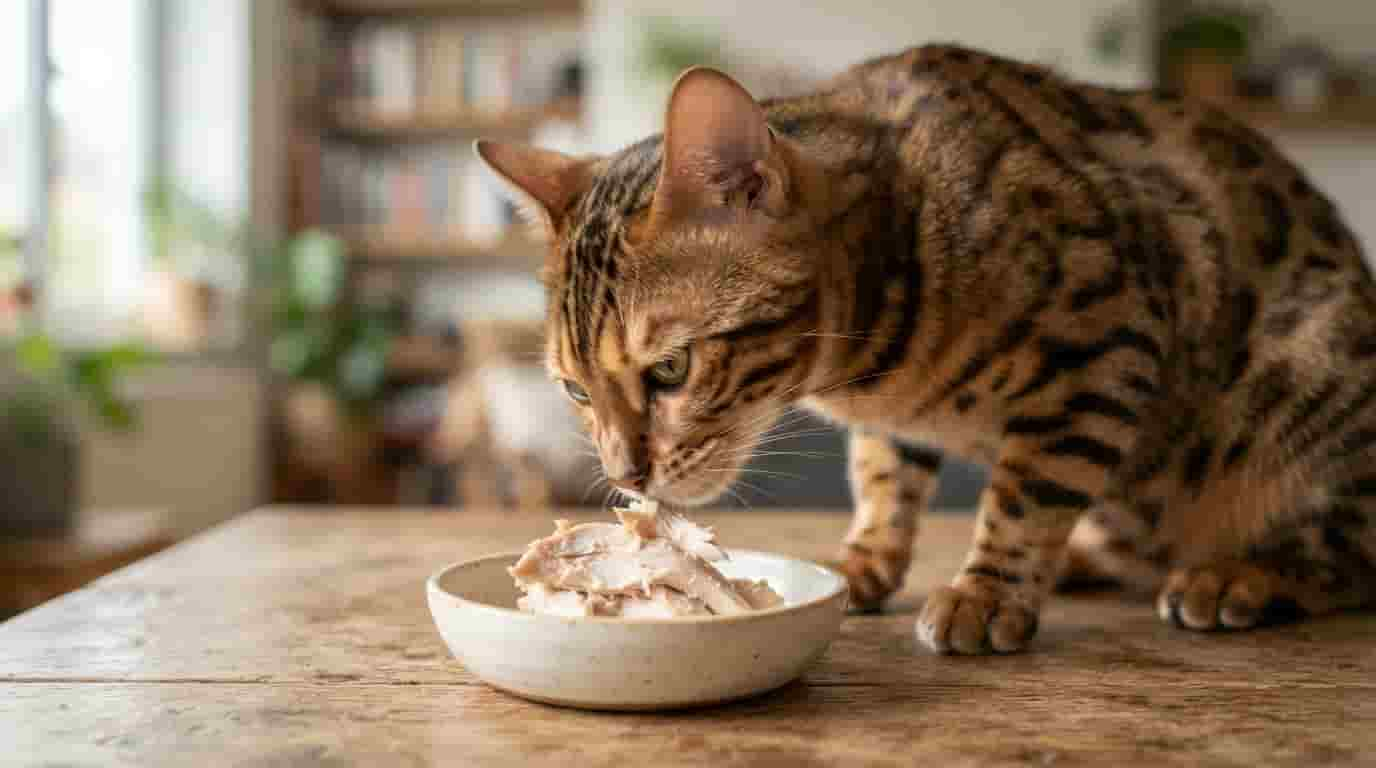
Can Cats Eat Chicken? Yes, plain, properly cooked chicken is generally safe and highly nutritious for most cats when offered as an occasional treat. As obligate carnivores, cats possess a biological requirement for meat-based protein, making lean poultry an appealing and species-appropriate snack. However, the way chicken is prepared determines whether it is a healthy treat or a potential trip to the emergency vet.
Many cat owners find themselves staring down a begging feline while preparing dinner and wondering if it is safe to share a bite. While plain, unseasoned chicken meat is completely fine, chicken dishes prepared for humans often contain dangerous levels of sodium, toxic seasonings like onion and garlic, heavy fats, or sharp cooked bones. Feline digestive systems simply cannot handle the oils and seasonings common in human cooking.
Understanding how to safely include chicken in your cat’s diet requires knowing which parts are safe, how to cook it properly, which chicken-based foods to avoid, and why plain meat can never replace a balanced commercial cat food. Whether you are curious about chicken breast, organ meats, broth, or raw poultry, this comprehensive guide covers everything you need to know about feeding chicken to your cat safely.
Can Cats Eat Chicken?

Plain, cooked chicken can be an excellent addition to a healthy cat’s diet when prepared correctly and served in moderation. Chicken supplies high-quality animal protein, essential amino acids, and micronutrients that support muscle mass, metabolic function, and overall vitality in felines.
Cats are obligate carnivores, meaning their bodies are hardwired to process animal tissues rather than plant matter. Unlike omnivores, cats cannot synthesize certain crucial nutrients—such as taurine, vitamin A, and arachidonic acid—from plant sources. Chicken naturally contains many of these vital compounds, making it an intrinsically suitable food for felines.
However, not all chicken products are created equal. A piece of plain, boiled chicken breast is vastly different from a fried chicken wing, a processed chicken nugget, or a slice of roasted chicken rubbed with herbs and garlic.
Safety Rule:
Plain + Fully Cooked + Boneless + Unseasoned + Moderate Portion = Safe for Cats.
While plain chicken is biologically appropriate, it should complement—rather than replace—a complete and balanced cat diet. Offering a few small bites of cooked chicken breast is a wonderful way to reward your pet, but it should remain a treat rather than their main source of nutrition.
Why Chicken Can Fit into a Cat’s Diet
Chicken is loaded with lean, easily digestible animal protein. For active cats, senior cats needing protein support, or picky eaters requiring a high-value treat, plain chicken provides a safe and highly palatable boost of nutrients.
Because chicken is naturally low in carbohydrates and high in moisture when boiled or poached, it aligns well with a cat’s natural metabolic needs. When used as a meal topper or training reward, plain chicken offers a clean, single-ingredient treat without the artificial preservatives, fillers, or colorings found in some commercial snacks.
Chicken Is Not Automatically a Complete Cat Diet
A common misconception among pet owners is that because cats are meat eaters, a diet consisting entirely of plain chicken meat is sufficient. In reality, feeding a cat only chicken muscle meat will lead to severe nutritional deficiencies over time.
Plain chicken meat lacks critical balances of vitamins and minerals—most notably calcium, phosphorus, vitamin D, and sufficient taurine levels—that felines require for daily health. Commercial cat foods are specially formulated to meet these precise nutrient ratios.
Plain meat alone supplies protein, but it fails to deliver the comprehensive balance necessary for bone strength, heart function, and organ health. Chicken is a fantastic food, but safe does not mean nutritionally complete on its own.
Is It Okay to Feed a Cat Cooked Chicken?
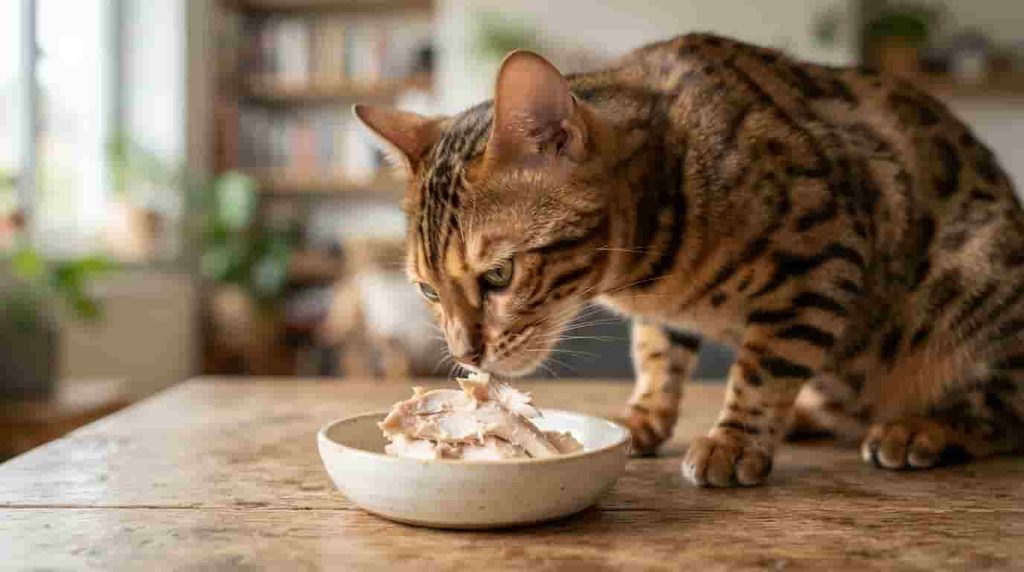
Yes, plain, fully cooked chicken is the safest and most reliable way to offer poultry to your cat. Cooking chicken eliminates harmful foodborne bacteria like Salmonella and Campylobacter, making it far safer for both your pet and your household.
How to Prepare Cooked Chicken for Cats
When preparing chicken for your feline companion, simplicity is key. Follow these preparation principles to ensure complete safety:
- Cook Thoroughly: Boil, poach, or bake the chicken until it reaches an internal temperature of 165°F (74°C).
- Strip All Bones: Carefully remove every bone, large or small, before serving.
- Remove the Skin: Strip off the skin and excess fat layers to reduce caloric density and prevent stomach upset.
- Skip All Seasonings: Never use salt, pepper, butter, oil, garlic, onion, or commercial meat rubs.
- Cool Completely: Allow the meat to reach room temperature so it does not burn your cat’s mouth.
- Portion Properly: Dice or shred the meat into small, bite-sized pieces to prevent choking.
What Does “Plain Chicken” Mean?
In feline nutrition, “plain chicken” has a very strict definition. It refers exclusively to poultry meat cooked in plain water or baked dry with zero added ingredients.
Human meals almost always involve additions that are dangerous for felines. Butter, vegetable oils, pan drippings, marinades, soy sauce, and aromatic vegetables like onions or garlic turn a healthy piece of meat into a gastrointestinal hazard. If a piece of chicken was prepared as part of a human meal, you should assume it is unsafe for your cat unless it was set aside completely unseasoned before cooking.
Which Parts of Chicken Can Cats Eat?

Cats can eat various parts of a chicken, but each part comes with distinct nutritional profiles and safety considerations.
| Chicken Part | Safety Level | Key Considerations |
| Chicken Breast | Very High | Lean, low-fat, highly digestible muscle meat. Must be boneless and plain. |
| Chicken Thighs | High | Darker meat with higher fat content. Rich in flavor; remove bones and skin. |
| Chicken Wings | Low | High bone-to-meat ratio. Cooked wing bones are extreme choking hazards. |
| Chicken Skin | Very Low | Extremely high in fat. Can trigger acute pancreatitis or severe diarrhea. |
| Chicken Liver | Moderate | Nutrient-dense; offer only in tiny amounts to avoid Vitamin A toxicity. |
| Chicken Hearts | High | Excellent source of natural taurine and lean protein; serve plain and cooked. |
Can Cats Eat Chicken Breast?
Plain, cooked chicken breast is the absolute gold standard when offering poultry to a cat. It is lean, low in fat, highly digestible, and easy to shred into bite-sized pieces.
Chicken breast is ideal for cats on restricted diets, senior cats requiring gentle protein sources, or pets recovering from mild upset stomachs. Always ensure the breast meat is completely boneless and cooked without oils or marinades.
Can Cats Eat Chicken Thighs?
Chicken thighs and leg meat are perfectly safe for cats when cooked plain and stripped of all bones and skin. Thigh meat is “dark meat,” meaning it contains slightly more fat and iron than chicken breast.
Many cats find chicken thighs more flavorful and tender than breast meat. However, because of the higher fat content, portion control is especially important to prevent weight gain or digestive sluggishness.
Can Cats Eat Chicken Wings?
Cats should not be given whole cooked chicken wings. Chicken wings consist mostly of skin, fat, and small, delicate bones that become brittle when cooked.
If you wish to feed your cat meat from a chicken wing, you must strip the meat entirely away from the bone and discard the greasy skin. Given the effort required to safely prepare a wing, sticking to plain chicken breast or thigh meat is a much safer and practical choice.
Can Cats Eat Chicken Skin?
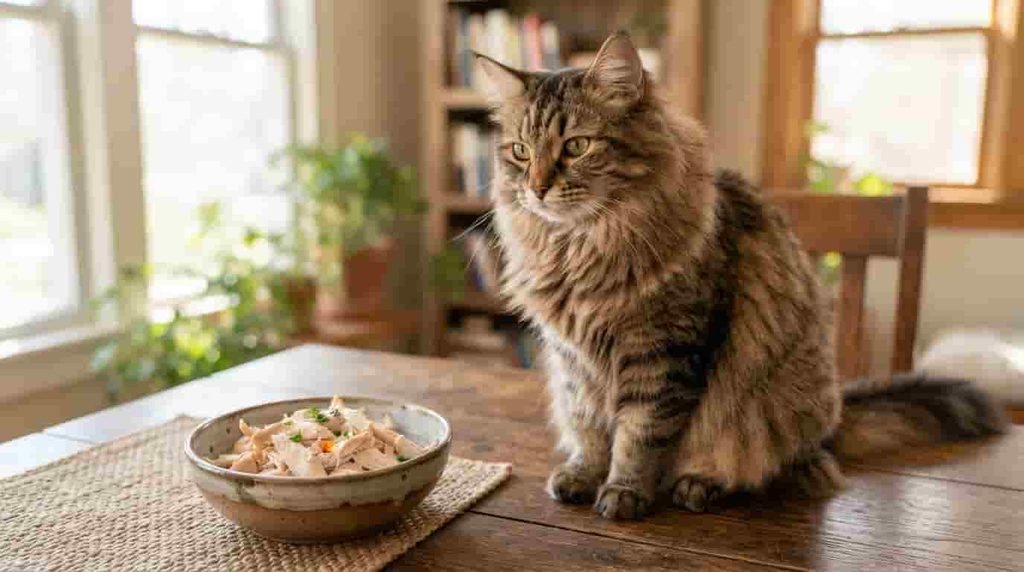
Chicken skin should be removed before giving chicken to your cat. While the skin is not toxic, it is composed almost entirely of fat and often retains high amounts of cooking oils and seasonings.
Feeding greasy chicken skin to a cat can cause immediate gastrointestinal distress, resulting in acute diarrhea, vomiting, and abdominal pain. In severe cases, high-fat foods can trigger pancreatitis—a painful and potentially life-threatening inflammation of the pancreas.
Can Cats Eat Chicken Bones?
No, cats should never eat cooked chicken bones. While wild felines consume raw bones from small prey, cooking completely alters the cellular structure of bone tissue, creating a severe health hazard.
Why Cooked Chicken Bones Are Dangerous
When chicken bones are cooked through boiling, baking, or frying, they lose their flexibility and become brittle. When a cat chews a cooked chicken bone, it splinters into razor-sharp shards that present multiple dangerous hazards:
- Esophageal Perforation: Sharp bone fragments can tear the delicate lining of the throat and esophagus as the cat swallows.
- Internal Punctures: Splintered bones can pierce the stomach lining or puncture the intestinal walls, leading to life-threatening internal bleeding and peritonitis.
- Bowel Obstructions: Large bone pieces can lodge in the stomach or intestines, completely blocking the digestive tract and requiring emergency surgery.
- Choking and Dental Damage: Hard bones can cause choking, asphyxiation, or fractured teeth.
What if a Cat Accidentally Eats a Chicken Bone?
If your cat manages to steal and swallow a cooked chicken bone, do not panic, but act promptly:
- Do NOT Induce Vomiting: Forcing a cat to vomit a sharp bone can cause twice as much damage as it travels back up the esophagus.
- Remove Remaining Bones: Safely secure any leftover bones so your cat cannot consume more.
- Monitor Closely: Watch for immediate signs of distress such as choking, coughing, gagging, excessive drooling, or pawing at the mouth.
- Call Your Veterinarian: Contact your vet or an emergency clinic immediately for guidance. They may advise you to bring the cat in for an X-ray or prescribe a high-fiber meal to help cushion the bone as it passes.
- Watch for Delayed Symptoms: Over the next 48 hours, monitor for lethargy, bloody stool, vomiting, abdominal swelling, or refusal to eat.
Can Cats Eat Chicken Liver, Hearts and Gizzards?

Organ meats are dense sources of vitamins and minerals. While wild cats naturally consume organs when hunting, domestic feeding requires careful portion management.
Can Cats Eat Chicken Liver?
Chicken liver is exceptionally rich in protein, iron, trace minerals, and Vitamin A. Small morsels of cooked chicken liver make an incredible, high-value treat that most cats love.
However, moderation is vital. Because liver is so rich in Vitamin A, feeding too much chicken liver over time can lead to a dangerous condition known as Hypervitaminosis A (Vitamin A toxicity). This condition causes abnormal bone growth, spinal stiffness, joint pain, and lethargy. Keep liver treats to a tiny piece once every few weeks.
Can Cats Eat Chicken Hearts?
Chicken hearts are muscle organs, making them exceptionally healthy for felines. They are one of the single best natural sources of taurine—an essential amino acid that supports feline heart function, vision, and reproductive health.
Chicken hearts should be washed, cooked plain, and sliced into manageable pieces. Because they are lean muscle meat rather than storage organs, they carry no risk of Vitamin A toxicity and can be offered more frequently than liver.
Can Cats Eat Chicken Gizzards?
Chicken gizzards are tough, muscular organs used by birds to grind down food. They are safe for cats, low in fat, and packed with protein and cartilage-supporting nutrients.
Because gizzards are quite chewy, they must be cooked thoroughly and chopped into small pieces. They serve as a great chewy treat that can help satisfy a cat’s natural urge to gnaw, provided they are served completely plain.
Can Cats Eat Chicken Feet and Necks?
Chicken feet and necks are popular in certain raw feeding circles, but they require extreme caution when considered for house cats.
Chicken Feet
Chicken feet consist mostly of skin, bone, tendons, and cartilage. While they contain collagen, cooked chicken feet are full of small bones that splinter easily and should never be given to a cat.
Raw chicken feet are sometimes used as dental chews for dogs, but for cats, the small bones pose a constant risk of choking or intestinal impaction. Plain muscle meat is a vastly superior choice.
Chicken Necks
Chicken necks contain central spinal bones surrounded by lean meat. Just like wings and feet, cooked chicken necks are strictly dangerous because the vertebrae harden and break into sharp fragments when chewed.
While some raw-feeding advocates offer whole raw chicken necks to cats, feeding raw bones introduces pathogen risks and potential blockages. Unless you are working directly with a board-certified veterinary nutritionist, avoid feeding chicken necks.
Can Cats Eat Raw Chicken?

Feeding raw chicken to domestic cats is a heavily debated topic in pet care. While proponents argue that raw meat mimics a wild feline diet, major veterinary organizations—including the American Veterinary Medical Association (AVMA)—strongly caution against feeding raw poultry.
Potential Concerns with Raw Chicken
Feeding raw chicken introduces significant health risks for both your cat and your human family:
- Bacterial Pathogens: Raw chicken frequently harbors dangerous bacteria such as Salmonella, E. coli, and Campylobacter. While a cat’s short, acidic digestive tract offers some protection, cats can still suffer from acute bacterial infections leading to severe vomiting, bloody diarrhea, and sepsis.
- Cross-Contamination: Raw-fed cats shed pathogens in their feces and saliva. Licking furniture, human hands, or living spaces can expose children, elderly individuals, or immunocompromised family members to serious bacterial illnesses.
- Nutritional Imbalance: Simply feeding raw chicken meat without precise ratios of organs, bones, and mineral supplements creates severe long-term nutritional deficiencies.
Raw Chicken vs. Properly Cooked Chicken

| Factor | Plain Cooked Chicken | Raw Chicken |
| Pathogen Risk | Minimal (destroyed by heat) | High (Salmonella, Campylobacter) |
| Handling Safety | Very safe for humans | Requires strict sanitation |
| Digestibility | Highly digestible starch & protein | Highly digestible protein |
| Bone Safety | Never serve with bones | Small raw bones chewable (still risky) |
| Nutritional Completeness | Supplemental only | Supplemental only |
For the vast majority of households, plain cooked chicken provides all the protein benefits of poultry without any of the dangerous biological hazards associated with raw meat.
Can Cats Eat Chicken Broth?
Plain chicken broth can be a wonderful, hydrating addition to a cat’s diet, particularly for senior cats, pets recovering from illness, or cats that do not drink enough water. However, commercial human broths are almost always unsafe.
The Danger of Human Chicken Broth
Store-bought chicken broth, canned soups, and bouillon cubes manufactured for human consumption are packed with ingredients that are toxic to cats:
- Onions and Garlic: Frequently used as primary flavor bases, both onions and garlic destroy feline red blood cells.
- High Sodium: Commercial broths contain excessive salt levels that stress a cat’s kidneys.
- Preservatives and Oils: Added fats and artificial flavor enhancers can trigger gastrointestinal distress.
How to Choose or Make Safe Cat Broth
If you want to feed your cat chicken broth, either buy specialized cat-safe bone broth from a pet retailer or make it at home using a simple recipe:
- Place plain chicken bones or chicken meat into a pot of water.
- Add zero salt, onions, garlic, or vegetables.
- Simmer on low heat for several hours.
- Strain out every single bone, fragment, and excess fat layer.
- Allow the broth to cool completely before pouring a spoonful over your cat’s regular food.
Can Cats Eat Chicken Nuggets?
No, cats should not eat chicken nuggets. While chicken nuggets contain poultry meat inside, the outer layer and processing methods make them completely unsuitable for cats.
Chicken nuggets present multiple nutritional hazards:
- Deep-Fried Batter: The thick breading absorbs massive amounts of cooking oil, delivering concentrated fat that can trigger acute pancreatitis.
- Toxic Seasonings: The breading mixes often contain garlic powder, onion powder, and high sodium concentrations.
- Processed Meat: The internal chicken meat is heavily processed and filled with preservatives and sodium additives.
Feeding a chicken nugget to a cat is equivalent to feeding ultra-processed junk food to a human child. Stick to real, plain, unbreaded chicken meat instead.
What Chicken Should Cats Avoid?
To protect your pet’s digestive health, keep the following clear checklist of dangerous chicken products in mind:
- Cooked Chicken Bones: Splinter easily and cause internal punctures or blockages.
- Seasoned or Rotisserie Chicken: Contains heavy salt, rubs, butter, onions, and garlic.
- Chicken Skin and Fat Trimmings: High fat density triggers diarrhea and pancreatitis.
- Fried Chicken and Nuggets: Heavy breading and deep-frying oils cause severe stomach upset.
- Human Canned Soups and Broths: Packed with toxic onion/garlic bases and high sodium.
- Raw Chicken (Without Veterinary Protocols): Carries pathogen and cross-contamination risks.
What Meat Should Cats Not Eat?
Beyond dangerous chicken preparations, cats should avoid processed meats such as bacon, sausage, deli ham, hot dogs, and cured meats. These meats contain massive levels of sodium, nitrates, chemical preservatives, and saturated fats that strain feline kidneys and cardiovascular systems.
Always opt for fresh, plain, unseasoned lean meats cooked thoroughly at home.
How Much Chicken Can Cats Eat?

Even healthy treats must be offered in strict moderation. Treat foods—including plain cooked chicken—should never exceed 10% of a cat’s total daily caloric intake, with 5% being an even safer target.
For an average 10-pound (4.5 kg) adult cat requiring roughly 200–250 calories per day, treats should account for no more than 15–20 calories.
A portion of plain chicken for a cat should equal roughly one or two small, bite-sized cubes (about the size of a die). Giving your cat an entire chicken breast in one sitting will overcrowd their stomach, cause nutritional imbalances, and likely trigger vomiting or diarrhea.
How Often Can Cats Eat Chicken?
Plain chicken can be offered two to three times a week as a reward, training incentive, or meal topper.
While feeding a small bite of plain chicken daily is unlikely to cause toxicity, doing so regularly can encourage picky eating habits, leading your cat to reject their balanced commercial food in favor of plain meat.
Signs That Chicken May Not Agree with Your Cat
When introducing chicken for the first time, monitor your cat for 24 to 48 hours. Watch out for signs of food intolerance or sensitivity:
- Vomiting or regurgitation shortly after eating
- Loose stools or watery diarrhea
- Excessive flatulence or audible stomach gurgling
- Facial scratching or skin redness (potential chicken allergy)
If any of these symptoms appear, discontinue feeding chicken immediately.
Chicken as a Treat vs. Chicken as a Main Meal

It is vital to understand the functional difference between offering chicken as an occasional reward versus using it as a primary meal.
| Feature | Chicken as an Occasional Treat | Chicken as a Primary Meal |
| Portion Size | 1–2 small, bite-sized pieces | Full bowl serving |
| Frequency | 2–3 times per week maximum | Daily feeding |
| Nutritional Impact | Adds palatability & lean protein | Creates calcium & taurine deficits |
| Impact on Baseline Food | Minimal; baseline food consumed | Displaces complete cat food |
| Veterinary Status | Recommended for healthy cats | Unsafe without nutritionists |
Can Chicken Replace Cat Food?
Plain chicken cannot replace complete commercial cat food. A diet consisting solely of chicken muscle meat lacks dozens of essential vitamins, minerals, and fatty acids required for basic feline survival.
If a cat is fed only plain chicken meat for extended periods, they will quickly develop severe health complications:
- Metabolic Bone Disease: Muscle meat contains high phosphorus but virtually no calcium. Without calcium, the body leaches minerals from its own bones, leading to soft, brittle, and fractured skeletons.
- Taurine Deficiency: While chicken contains taurine, plain cooking without organs or precise fortification may not supply enough taurine to prevent heart disease (dilated cardiomyopathy) and central retinal degeneration.
- Vitamin Deficiencies: Missing Vitamin A, D, E, and B-complex balances affect organ function, skin integrity, and immune defenses.
If you are interested in exploring other human foods that offer animal protein, read our detailed guide on Can Cats Eat Eggs? Are Cooked, Raw and Scrambled Eggs Safe?
to understand how eggs compare to poultry.
What Are the Health Benefits of Chicken for Cats?
When served plain and in proper portions, chicken offers several genuine health benefits for cats:
- High-Quality Lean Protein: Supports muscle maintenance, tissue repair, and enzyme production without adding excess weight.
- Rich in Essential Amino Acids: Delivers natural building blocks like lysine, leucine, and isoleucine that support daily metabolic function.
- High Palatability: Excellent for encouraging sick, elderly, or postoperative cats to eat when their appetite is low.
- Gentle on the Stomach: Plain boiled chicken is highly digestible and provides a soothing food source during recovery from mild digestive upset.
To see how chicken fits into broader protein-feeding options alongside seafood, check out our companion guides on Can Cats Eat Tuna? How Much Is Safe and How Often? and Can Cats Eat Fish? Safe Types, Bones, Raw Fish and Feeding Tips
Chicken and a Balanced Feline Diet
To maintain optimal health, your cat’s dietary intake should follow a structured hierarchy. The foundation must always consist of a commercial, high-protein cat food formulated to meet AAFCO (or equivalent) nutritional standards.
Chicken should be viewed as a topper or periodic reward that sits at the top of this hierarchy. If you ever use a temporary bland diet of chicken and grains to help resolve a tummy bug, learn how to prepare grains safely in our guide on Can Cats Eat Rice? Is Cooked Rice Safe for Cats?
When Homemade Chicken Diets Become Complicated
Creating a fully balanced homemade cat food using chicken requires far more than boiling meat and vegetables. It requires precise supplementation of calcium carbonate, taurine, essential fatty acids, trace minerals, and vitamins.
Attempting to formulate a long-term homemade chicken diet without the direct guidance of a board-certified veterinary nutritionist almost always leads to dangerous nutritional imbalances.
Safe Ways to Feed Chicken to Your Cat
Follow this step-by-step checklist whenever you prepare chicken for your pet:
- Select Plain Meat: Choose boneless, skinless chicken breast or thigh meat.
- Boil or Bake Dry: Cook the meat thoroughly in plain water or bake it on a clean tray without oils, butter, or seasonings.
- Inspect for Bones: Feel through the meat with your fingers to ensure zero bone fragments remain.
- Remove Fat and Skin: Trim away all skin, gristle, and visible fat layers.
- Dice into Small Cubes: Cut the meat into tiny, bite-sized pieces appropriate for your cat’s mouth.
- Cool to Room Temperature: Never serve hot food that could scald your cat’s mouth or throat.
- Serve as a Topper or Treat: Place one or two small pieces on top of their regular food or offer them by hand.
What If My Cat Ate Seasoned Chicken?

It is a common scenario: you step away from the dinner table for a moment, and your cat steals a piece of seasoned rotisserie chicken. How you react depends entirely on the ingredients used:
- If the meat contained garlic or onions: Contact your veterinarian or a pet poison helpline immediately. Even small amounts of garlic or onion powder can cause red blood cell damage.
- If the meat was attached to a cooked bone: Call your vet for advice and monitor for choking, gagging, or bloody stool over the next 48 hours.
- If the meat was just slightly salty or buttery: Monitor your cat closely at home. They may experience mild diarrhea or vomiting, but serious complications are unlikely from a single tiny crumb. Provide plenty of fresh drinking water.
Hypothetical Scenario: If a cat snagged a piece of garlic-rubbed chicken skin off a plate, the owner should immediately call their clinic rather than waiting for symptoms, as Allium toxicity can take several days to show up in blood work.
When Should You Call a Veterinarian?
While plain chicken is safe, unexpected emergencies can happen. Contact your veterinarian immediately if you observe any of the following warning signs:
- Swallowed Cooked Bones: Your cat consumed cooked chicken bones or fragments.
- Ingestion of Toxic Ingredients: Your cat ate chicken containing garlic, onions, heavy spices, or chocolate-based sauces.
- Choking or Respiratory Distress: Coughing, gagging, pawing at the mouth, or difficulty breathing after eating.
- Severe Gastrointestinal Symptoms: Repeated vomiting, profuse diarrhea, or blood in the stool.
- Abdominal Pain and Lethargy: Hunching over, crying when touched, extreme weakness, or refusal to eat for over 24 hours.
Disclaimer: This article is for educational purposes only and should not replace professional veterinary advice, diagnosis, or treatment. Always consult your veterinarian before introducing new human foods to your pet’s diet.
Frequently Asked Questions About Cats and Chicken
Can cats eat cooked chicken every day?
Offering a tiny bite of plain cooked chicken every day is unlikely to cause toxicity, but it can encourage picky eating habits. Furthermore, chicken treats should never displace their complete commercial cat food, which provides the full spectrum of nutrients they need daily.
Can cats eat chicken skin?
Cats should not eat chicken skin. Chicken skin is dense in fats and cooking oils, which can easily trigger severe digestive upset, vomiting, diarrhea, or acute pancreatitis.
Can cats eat chicken liver?
Yes, cats can eat plain cooked chicken liver in strict moderation. Because liver is extraordinarily high in Vitamin A, it should only be offered as a rare treat (a tiny piece once every few weeks) to prevent Vitamin A toxicity.
Can cats eat chicken broth?
Cats can drink plain, cat-safe chicken broth made without added salt, onions, garlic, or seasonings. Never give your cat human canned chicken soup or store-bought broth, as these almost always contain toxic onion or garlic bases and high sodium levels.
What meat do cats love most?
Individual meat preferences vary from cat to cat. While many cats love poultry like chicken and turkey due to its mild flavor, others show a strong preference for fish like salmon or tuna, or red meats like beef.
Conclusion — Can Cats Eat Chicken?
Can Cats Eat Chicken safely? Absolutely. Plain, fully cooked chicken is a safe, highly digestible, and species-appropriate treat that provides quality animal protein for your feline companion.
To keep your pet safe, always ensure the chicken is completely plain—cooked without oils, butter, salt, garlic, or onions—and entirely free of splintering cooked bones and fatty skin. Remember that plain meat alone lacks essential feline vitamins and minerals, meaning it should remain an occasional treat rather than a primary diet. By prioritizing balanced feline nutrition and serving treats responsibly, you can safely share the joy of chicken with your cat!
Does your cat love plain chicken breast, or do they prefer organ treats like chicken hearts? Let us know in the comments below!