
Cat Tail Twitch: Why the tip moves while the rest is still.
Introduction:
Cat Tail Twitch actions often leave owners puzzled during quiet moments. Have you ever watched your cat lying perfectly still, yet the end of their tail moves? Most people assume this happens by accident. However, your cat uses this motion to send you a very specific message.
Learning to read these signs helps you understand your pet much better. Every small flick carries meaning for those who know how to watch. You might start noticing patterns you missed before. Therefore, let us unlock the mystery behind this silent communication.
The Science of the Cat Tail Twitch
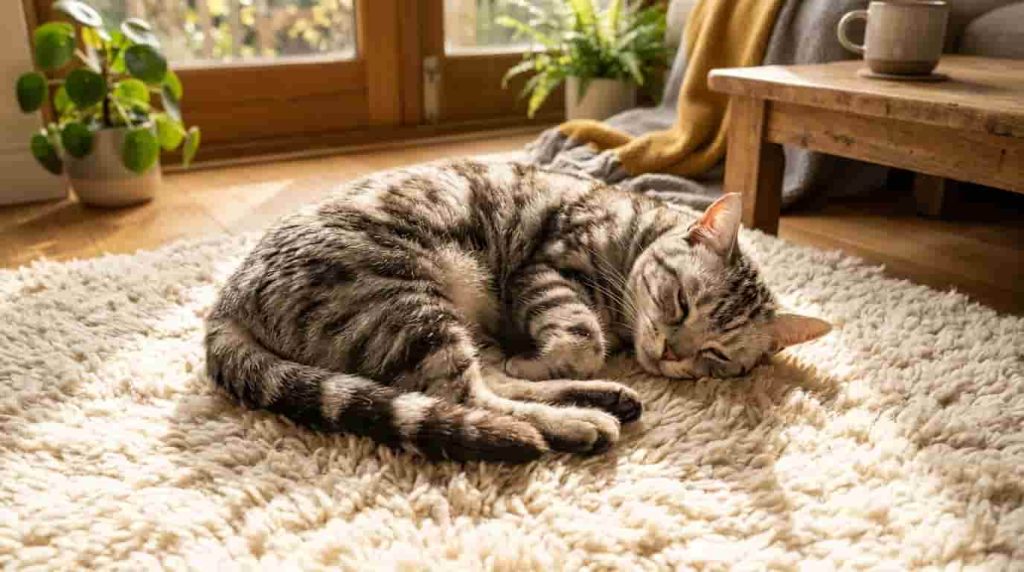
The cat tail twitch represents a complex part of feline body language. Because cats lack our ability to use words, they rely on movement. They signal their internal state through these subtle gestures. Consequently, you can often predict their next move by watching the tail.
Experts at the Cornell University College of Veterinary Medicine emphasize that tail posture reveals much about feline behavior. They note that the tail serves as a balance tool and a social signal. When the tail remains still while the tip flicks, your cat processes information. They watch the world with intense focus.
Understanding Cat Body Language and Cues
You should observe the whole animal to interpret cat communication correctly. If the body stays relaxed, a small flick shows mild interest. However, if the muscles tighten, the movement suggests rising excitement. This difference changes the meaning of the cat tail twitch entirely.
Owners often connect these motions to other physical traits they observe. You might link these signs to your understanding of Cat Paw Pad Colors: Why some have pink beans and some have black. to see how unique features vary. Also, remember to watch for shedding signs in Cat Whiskers Falling: Is it normal to find them on the floor. to monitor health. Every detail adds up to a complete picture of your pet.
Why Do Cats Twitch Their Tails During Play?
The cat tail twitch serves as a primary signal for a predator on the hunt. When your cat spots a toy, their focus sharpens instantly. They prepare to pounce, and the tail helps them maintain perfect balance. As a result, the tip moves as they calculate the right distance.
You might see this when your cat plays with a feather wand. First, they crouch low to the ground. Next, they wiggle their rear end to gain traction. Finally, the cat tail twitch indicates they found the perfect moment to strike.
Signs of Agitation in Cats
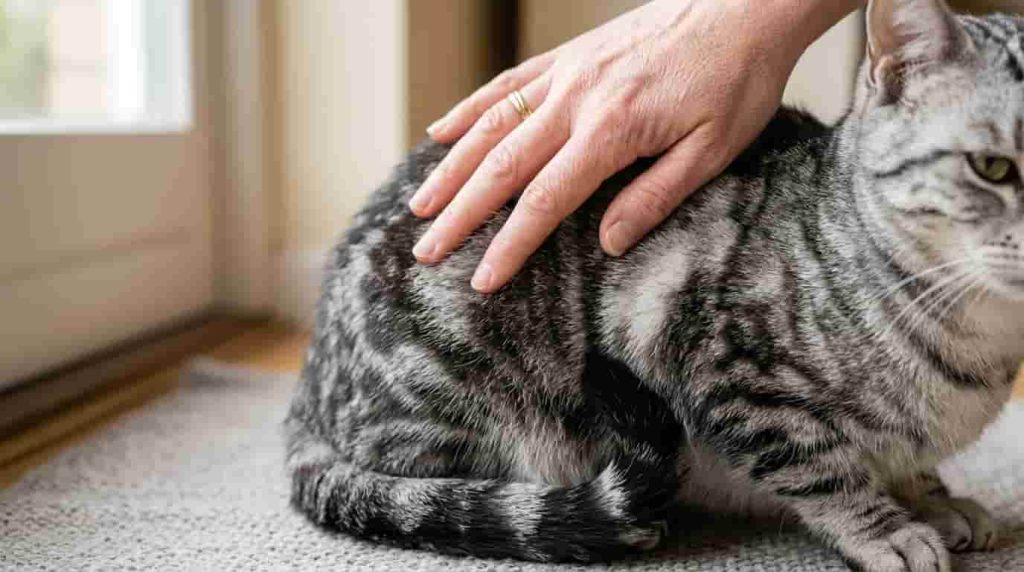
Sometimes, a cat tail twitch signals that your cat feels annoyed or overstimulated. If you pet them too long, the tail often begins to flick. This serves as a warning that they need space. Therefore, you should stop petting when you notice this shift.
Respecting these boundaries prevents unwanted scratches or bites. Because cats value their independence, they appreciate when you listen to their cues. Most importantly, your cat will trust you more if you honor their requests. Understanding cat psychology ensures a stronger, happier bond for both of you.
Interpreting Cat Tail Movements at Home
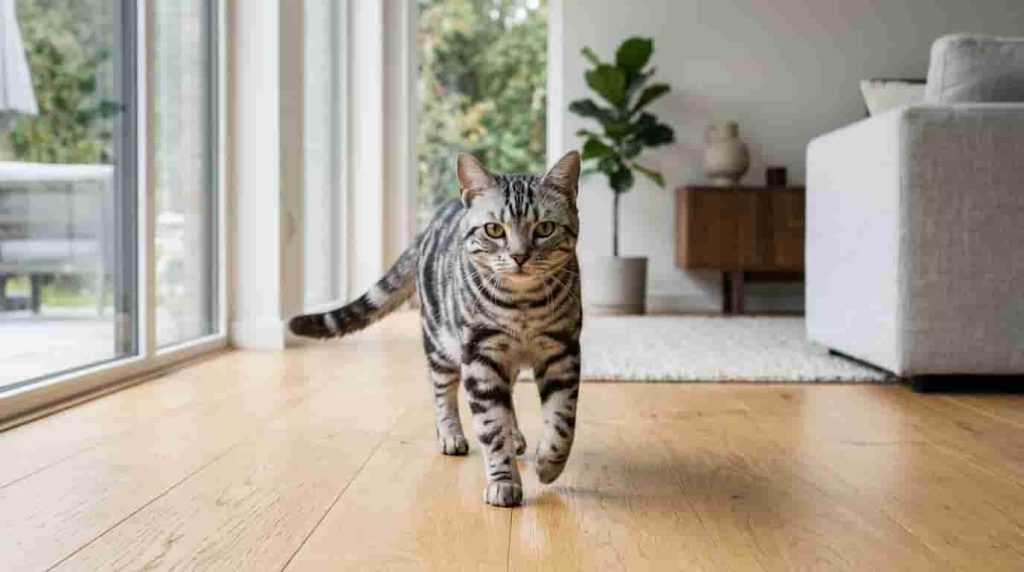
You can improve your cat communication skills by practicing daily. Observe your cat while they eat, sleep, and watch birds from a window. You will soon see how different cat tail positions convey various moods. For instance, a high tail signifies a friendly greeting.
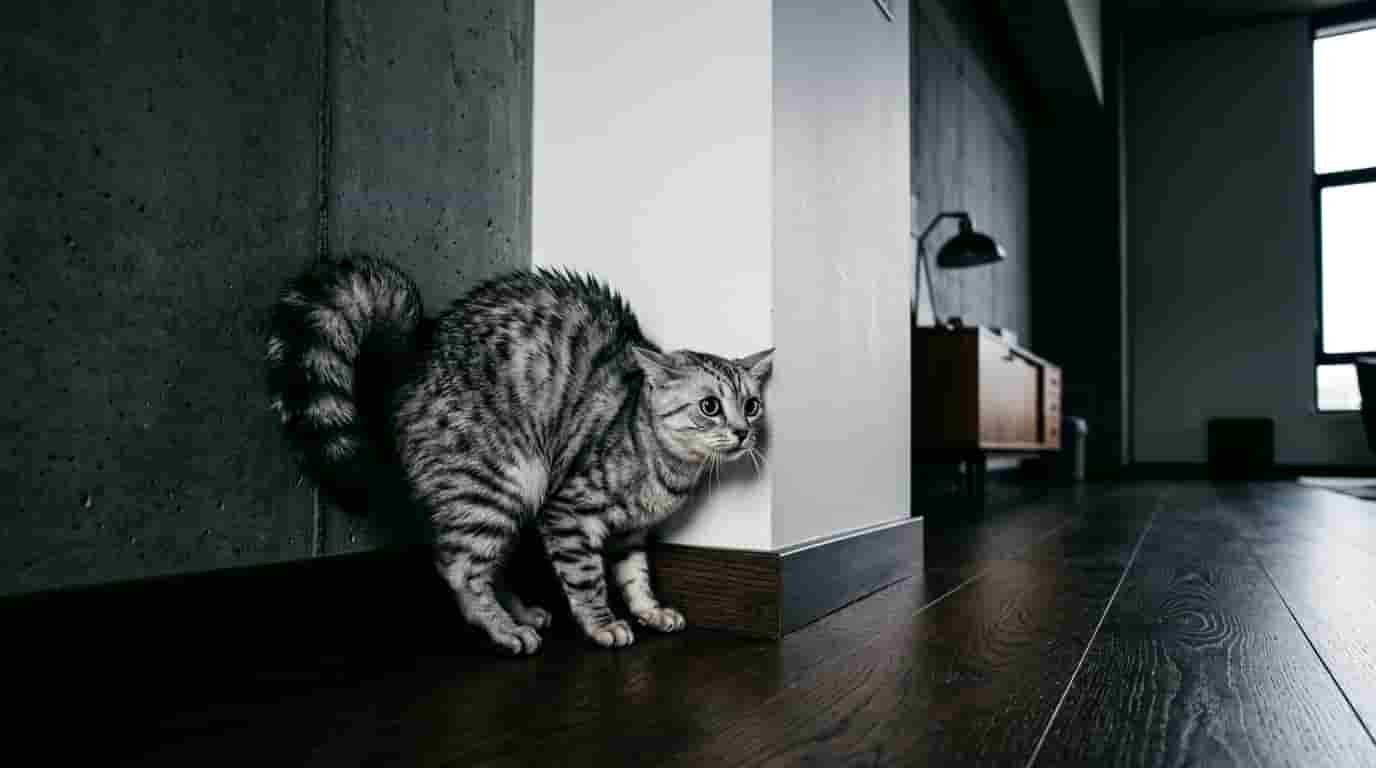
On the other hand, a puffed tail shows fear or aggression. The cat tail twitch occupies the space between these obvious signals. It acts as a bridge between calm observation and active engagement. Use this knowledge to guide your interactions throughout the day.
Feline Body Language and Your Routine
Building a routine helps you interpret cat gestures much more accurately. Your cat learns your habits, and you learn theirs in return. For example, my cat always performs a quick cat tail twitch when I open a can of food. This behavior tells me they feel excited about the upcoming meal.
Additionally, consider other grooming factors like those in Cat Ear Tufts: The purpose of those little hairs on top. to maintain their health. When you know your cat, you spot health issues before they become serious. Good observation makes you a superior pet parent.
Decoding Cat Tail Positions and Emotions

The cat tail twitch does not always mean the same thing for every cat. Some individuals are naturally more expressive than others. You must learn the baseline for your specific pet. Thus, pay attention to their mood during quiet, happy moments first.
- Small, rhythmic twitches indicate intense focus.
- Sharp, quick flicks often signal mild irritation.
- Slow, soft movements show a state of relaxation.
- Sudden, erratic motions suggest confusion or surprise.
If you find yourself confused, step back and let the cat lead. Cats appreciate calm owners who provide a predictable environment. Because they live in the moment, they do not hold grudges if you misread a sign. Simply try again and watch for the next hint.
Cat Communication and Feline Behavior Tips
You can use these signs to make your cat feel more secure. For example, if you notice a cat tail twitch while you hold them, set them down. This act shows you respect their comfort level. Furthermore, this builds a foundation of safety within your home.
You will notice a change in your cat’s overall confidence as you improve your communication. They feel heard, which leads to better behavior in general. Every gesture serves as a building block for a deep, lasting friendship. Keep watching and keep learning about your companion.
The Role of Pet Body Language in Health
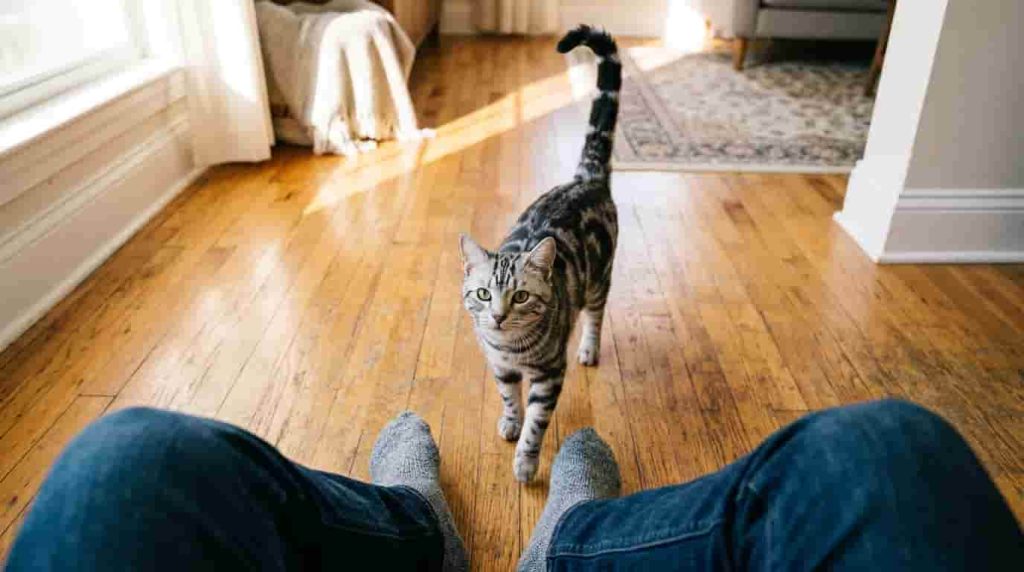
Sometimes, frequent tail movements signal pain or stress. If you see a constant cat tail twitch that you cannot explain, visit a vet. ASPCA provides resources on recognizing signs of illness in pets. Never assume that constant movement remains normal if the cat seems uncomfortable.
Your vet can check for underlying issues that might cause discomfort. A healthy cat usually keeps the tail still when relaxing. Therefore, sudden changes in feline behavior should always be addressed. You act as the primary guardian of their well-being.
Final Advice on Interpreting Cat Gestures
Understanding cat behavior takes time and a lot of patience. Do not feel discouraged if you misread a signal at first. You learn by doing and by watching your pet closely. Soon, you will know exactly what that small flick means.
Every cat speaks their own unique dialect of body language. Focus on the individual quirks of your specific pet. This personal connection makes the process much more rewarding. Enjoy every moment of this journey with your cat.
Conclusion
The cat tail twitch remains one of the most interesting ways your cat speaks to you. It bridges the gap between their natural instincts and your daily life together. By learning to decode these subtle motions, you enhance your relationship and ensure your cat feels understood. Remember that your attention is the best gift you can offer your pet. Does your cat have a specific tail signal that makes you laugh or warns you to stay back? Share your experiences in the comments section below!
Frequently Asked Questions
No, it does not. It can indicate excitement, focus, or even mild annoyance depending on the context and body language.
Cats often twitch their tails while dreaming. This represents normal behavior and usually means your cat is in a deep, active sleep phase.
Yes, you should monitor the situation. Constant twitching can sometimes indicate pain, stress, or a medical issue that needs a vet visit.
A happy cat often holds their tail high with a slight curve at the top. If they flick it gently while purring, it shows contentment.
Yes, they use tail movements to signal intent and mood to other cats. It helps them establish boundaries and social status within their group.