Cymric Cat: Personality, Price, Size, Colors and Breed Guide
Introduction:
Cymric Cat companions are renowned for their striking tailless appearance, lush double coats, and engagingly affectionate personalities. Often described as the long-haired variant of the classic Manx, the Cymric brings a distinct blend of sweetness, intelligence, and sturdy elegance into any household. Whether you are captivated by their unique physical silhouette or drawn to their reputation as loyal family pets, understanding the full scope of their traits, care demands, and heritage is essential before welcoming one into your life.
Prospective owners are often fascinated by the breed’s thick, silky fur and playful nature. However, caring for a long-haired, tailless cat involves specific responsibilities, ranging from dedicated grooming routines to an awareness of potential genetic health considerations. This comprehensive breed guide explores the Cymric cat’s temperament, physical characteristics, nutrition, grooming needs, average purchasing costs, and historical origins, helping you decide if this remarkable cat is the right fit for your home.
What Is a Cymric Cat?

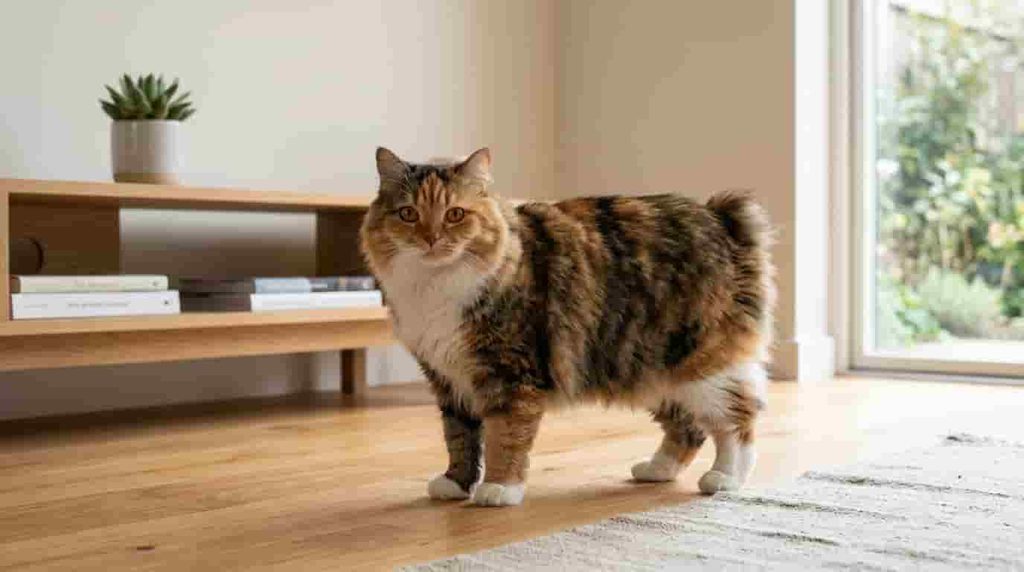
The Cymric Cat is a medium-to-large long-haired cat breed defined primarily by its round body structure, dense coat, and natural taillessness or shortened tail. While recognized as an independent breed by several major registries—such as The International Cat Association (TICA)—other organizations classify it as a long-haired division of the Manx. Regardless of administrative classification, the Cymric shares nearly every physical attribute with the Manx, with the standout exception of its luxurious, flowing coat.
A long-haired version of the Manx
To understand the Cymric, one must look directly at its foundational lineage: the Manx. The same naturally occurring genetic mutation responsible for the signature tailless body of the Manx is present in the Cymric. During breeding programs on the Isle of Man and in North America, long-haired kittens periodically appeared in Manx litters due to recessive long-hair genes. Breeders recognized the quiet grandeur of these kittens and intentionally cultivated the strain, eventually establishing the longhaired Manx cat as its own distinct show breed, named the Cymric (derived from Cymru, the Welsh name for Wales, chosen to reflect a Celtic heritage).
What makes the Cymric different?
Beyond coat length, the Cymric is celebrated for its distinctly rounded geometry. A properly built Cymric presents roundness in almost every aspect of its frame:
- A round head with broad cheeks and large, expressive eyes.
- A short, compact back ending in a heavy, rounded rump.
- Hind legs that are noticeably longer than the forelegs, giving the cat a signature “bunny hop” gait when running.
- A substantial, dense double coat that stands off from the body, making the cat look even stockier than its actual weight suggests.
Is the Cymric a rare cat breed?
Yes, the Cymric is considered a relatively rare cat breed. Because breeding tailless cats requires precise genetic management to avoid severe health complications, reputable breeders are few and far between. Consequently, finding a Cymric kitten often involves long waitlists and thorough breeder vetting, making them a prized gem among feline enthusiasts.
Cymric Cat History and Origin

The historical journey of the Cymric is intertwined with the remote geography of the Isle of Man, an island situated in the Irish Sea between Great Britain and Ireland.
Where did the Cymric cat originate?
The foundational lineage began centuries ago when a spontaneous genetic mutation took hold among the local domestic cat population on the Isle of Man. Due to the geographic isolation of the island, this autosomal dominant gene for taillessness spread rapidly through the closed breeding pool. While short-haired tailless cats were documented as early as the 18th century, long-haired kittens continued to appear silently in litters for generations due to inherited recessive genes.
It was not until the mid-20th century that serious efforts began in Canada and the United States to develop these long-haired variations into a recognized breed. Breeders like Blair Wright in Canada and Leslie Falteisek in the United States worked diligently during the 1960s and 1970s to establish fixed standards for the long-haired coat while maintaining the sturdy, rounded body style of the traditional Manx.
Why is the Cymric associated with the Manx?
Genetically, the Cymric and the Manx are virtually identical. Both share the autosomal dominant gene ($M$) that affects spinal development and suppresses tail formation. For a deeper look into the history, genetic structure, and shared care traits of this parent lineage, explore our detailed guide on the Manx Cat: Personality, Characteristics, Lifespan, Price and Health
How the breed developed its distinctive coat
The development of the Cymric’s signature double coat was a process of deliberate selection. Breeders sought a texture that was dense, soft, and equipped with a full undercoat to withstand cool climates. In the late 1970s, TICA granted the Cymric championship status, and other international registries gradually followed, though some registries still prefer to register the Cymric under the banner of the long-haired Manx.
Cymric Cat Characteristics and Appearance

The physical appearance of a Cymric cat is a study in harmony, roundness, and robust muscularity. Nothing about this cat is delicate or fine-boned; it is built with solid substance and impressive strength.
Body shape and build
A Cymric’s body is sturdy, compact, and broad-chested. The back line slopes upward from the shoulders toward a high, rounded rump. This elevation occurs because the hind legs are visibly longer and stronger than the front legs, contributing to the breed’s impressive jumping capability and distinct movement.
The Cymric’s distinctive tail
Contrary to popular belief, not all Cymric cats are completely tailless. The gene responsible for taillessness displays variable expressivity, leading to four distinct tail categories within the breed:
- Rumpy: The classic, completely tailless show cat. There is no tail stub, only a smooth hollow at the base of the spine.
- Rumpy Riser: A tiny rise or knuckle of bone at the end of the spine, covered by hair, which does not stop the hand when stroked.
- Stumpy: A short, partial tail stub that may be straight, kinked, or curved.
- Longy: A full or near-full-length tail. While Longies cannot be shown in competitive championship classes, they are vital to safe breeding programs to prevent dangerous genetic defects.
Coat and texture
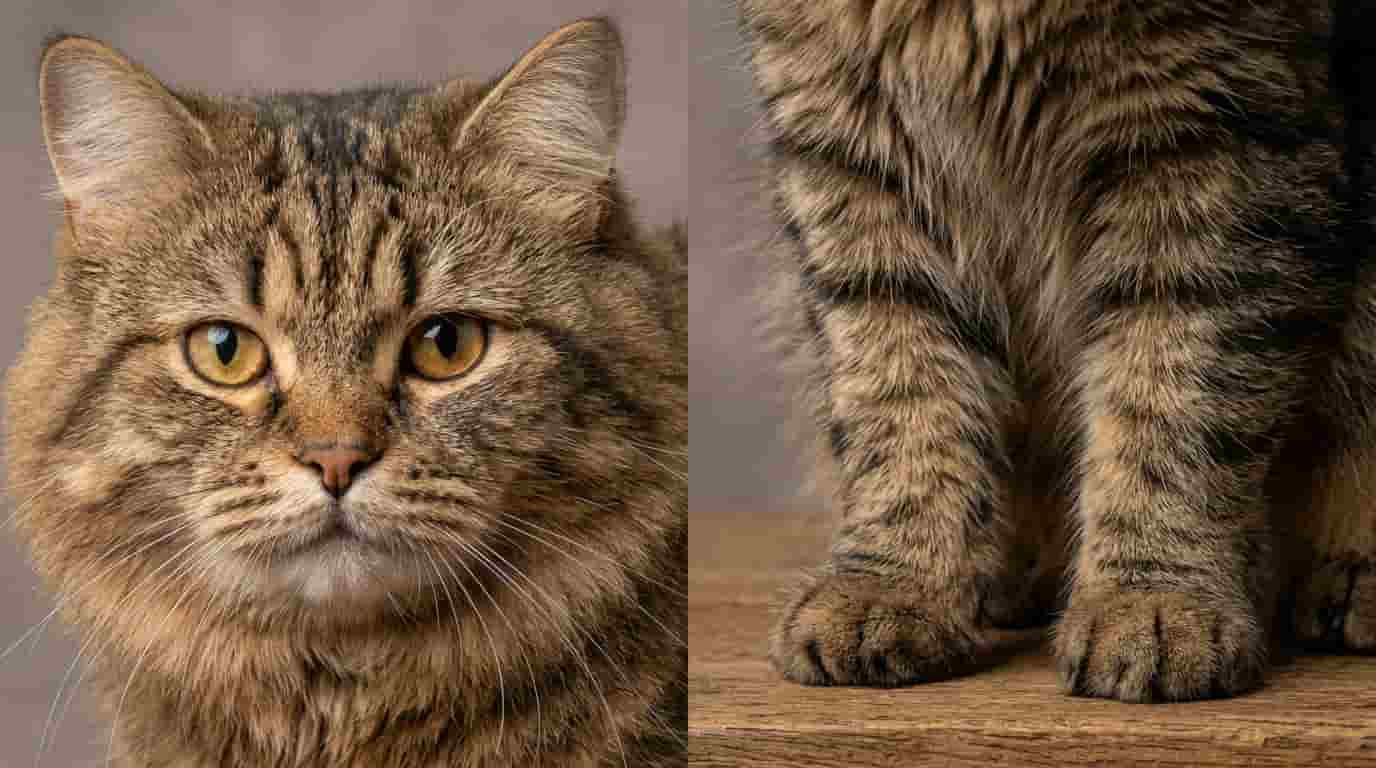
The Cymric coat is a medium-to-long double coat that feels remarkably plush and silky to the touch. The undercoat is thick and insulating, while the outer guard hairs stand off from the body, accentuating the cat’s soft, rounded contours. Full tufts of hair are typically present on the ears, between the toes, and around the neck, forming a subtle, elegant ruff.
Face, eyes and overall expression
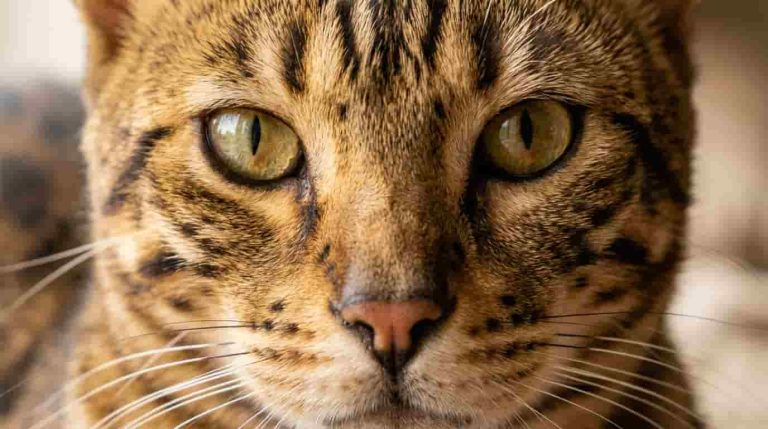
A Cymric possesses a broad, rounded head with well-developed cheeks and a firm chin, creating a pleasant and open expression. Their large, circular eyes are set at a slight angle toward the ears, radiating alertness and curiosity. The ears are medium-sized, wide at the base, and taper to rounded tips, perfectly framing the cat’s circular facial outline.
Cymric Cat Size and Weight
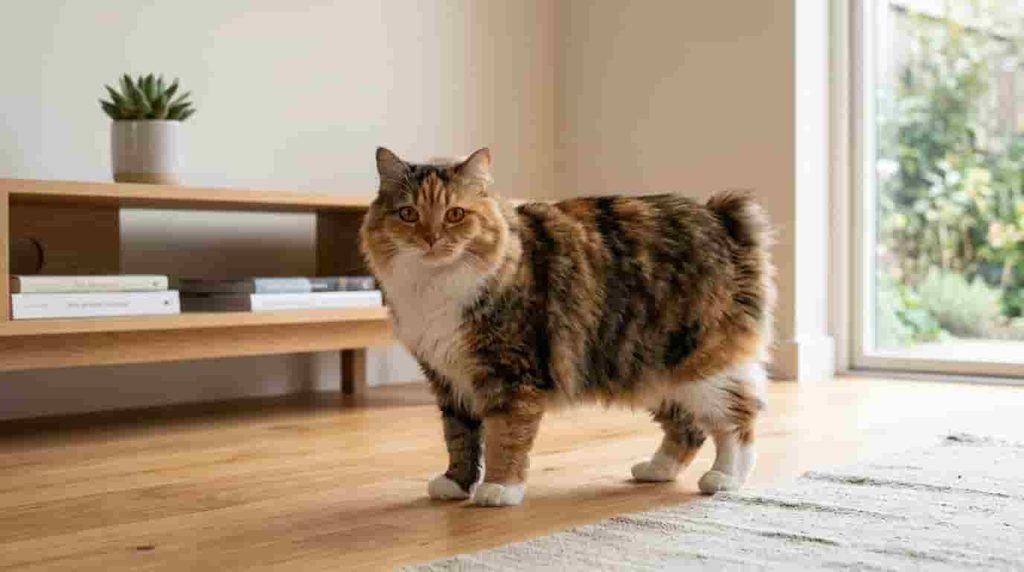
Despite their medium overall length, Cymrics are unexpectedly heavy, dense cats. Their muscular frame and heavy bone density mean they often weigh significantly more than they appear at first glance.
- Average Weight (Males): 9 to 12 pounds (4.0 to 5.4 kg)
- Average Weight (Females): 7 to 9 pounds (3.1 to 4.0 kg)
- Overall Size Category: Medium to Large
How big does a Cymric cat get?
A fully grown adult Cymric reaches a height of 7 to 10 inches at the shoulder. However, because they are slow-maturing felines, they often take between three and five years to achieve their full physical size, muscular frame, and thickest coat density.
During the first 3 to 6 months, kittens experience rapid skeletal growth and may look somewhat leggy. By 12 months, they reach their full height and begin to broaden, while full muscle density, coat thickness, and rump rounding take up to five years to fully develop.
Is the Cymric a large or medium-sized cat?
The Cymric is generally classified as a medium-to-large cat due to its dense bone structure and heavy muscle mass. For practical home life, their size requires sturdy cat trees, spacious litter boxes, and robust carrying crates that can comfortably support a heavy, muscular cat without bending or tipping over.
Cymric Cat Colors and Coat Patterns
The Cymric breed standard permits an extensive palette of coat colors and pattern variations, making each cat visually unique.
What colors can Cymric cats have?
- Solid Colors: Pure black, snow white, deep grey/blue, cream, and rich red.
- Tabby Patterns: Classic, mackerel, and spotted tabbies in brown, silver, red, or blue tones.
- Bicolor & Calico: Striking combinations of solid or tabby patches mixed with clean white, including classic black and white combinations.
- Tortoiseshell & Smoke: Intricate mixes of red and black, or coats with silver, tipped undercoats.
Common coat patterns
Common pattern combinations include classic tabbies with bold swirl markings, mackerel tabbies with narrow pencil stripes, and striking bicolor coats. You will also find shaded variants like silver-tipped or smoke coats, where the roots of the hairs are light silver while the tips carry darker pigments.
Does coat color affect personality?
Feline genetic research confirms that coat color has no direct influence on a cat’s baseline temperament. A Cymric cat grey coat or a bold Cymric cat black coat will exhibit the same loyal, affectionate, and playful disposition. Personality is shaped primarily by social exposure, genetics, and environment rather than pigment genes.
Cymric Cat Personality and Temperament
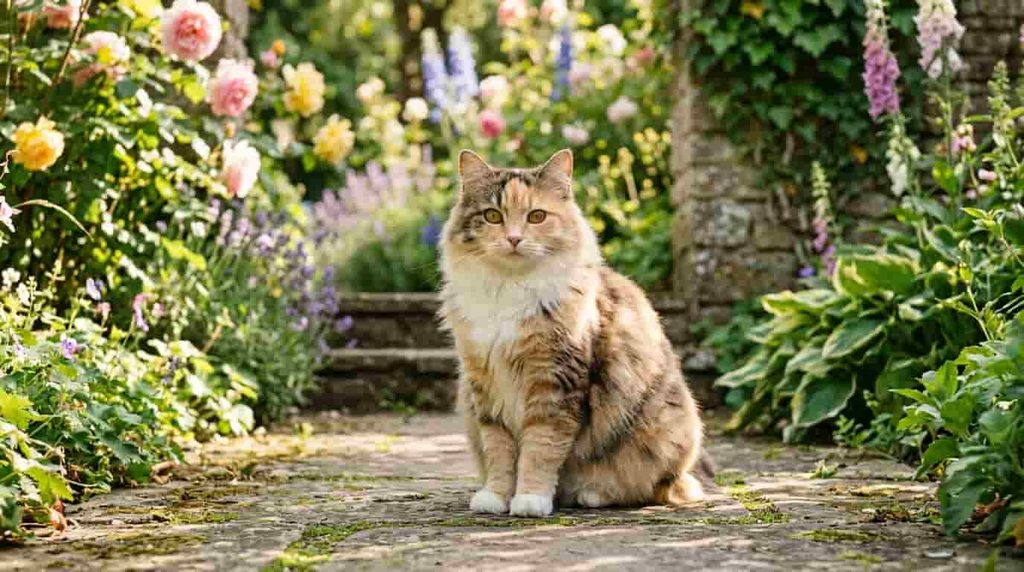
The personality of the Cymric is frequently compared to that of a loyal, companionable dog. They are warm, people-oriented, and remarkably calm, forming deep bonds with their human families.
What is a Cymric cat’s personality like?
Cymrics are affectionate without being overly needy. They enjoy following their owners from room to room, perching on nearby furniture to monitor home activities, and curling into laps for quiet evening snuggles. They possess a soft, chirping voice that they use sparingly to communicate with their owners when dinner time approaches or when they want to play.
Are Cymric cats good pets?
Yes, Cymrics make outstanding family pets. Their balanced temperament allows them to adapt easily to vibrant households containing gentle children, dogs, and other cats. They are renowned for their peaceful, even-tempered nature and generally adjust well to household routines.
Are Cymric cats intelligent?
Equipped with powerful hind legs, Cymrics love to climb and jump to high perches, easily reaching the tops of bookshelves or refrigerators. They are also exceptionally smart:
- They learn interactive games quickly, frequently enjoying fetches with soft toys.
- They excel at solving food puzzle toys to earn treats.
- Many quickly learn how to open cabinet doors, requiring owners to child-proof cabinets containing food or supplies.
Do Cymric cats like attention?
Cymrics thoroughly enjoy human companionship and interactive play, but they strike an ideal balance by retaining a comfortable degree of independence. They are content to relax near you while you work or read, enjoying your presence without demanding constant hand-held entertainment.
Cymric Cat Care Guide

Providing excellent care for a Cymric cat involves balancing physical enrichment, nutritional control, and environmental safety tailored to their unique build.
Feeding and nutrition
Because of their compact, heavy build, Cymrics are prone to hidden weight gain. Excess weight places unnecessary strain on their shortened spinal structures, making portion control vital.
- Diet: Feed a high-quality, meat-focused diet rich in animal proteins and essential fatty acids to support their thick coat.
- Hydration: Maintain fresh water fountains in multiple locations, as long-haired cats require good hydration to help manage hairballs naturally.
- Conditioning: Measure daily meals strictly according to age, weight, and activity level rather than leaving dry food out for free-feeding.
Exercise and enrichment
Keep your Cymric active with twice-daily play sessions lasting 10 to 15 minutes. Use wand toys, laser pointers, and soft throw-balls that trigger their natural pouncing instincts. Provide sturdy, heavy-based cat trees to accommodate their impressive leaping strength without dangerous wobbling. A great daily routine involves a morning meal and quick play session, daylight access to window perches and puzzle toys, an evening grooming comb-through, and a final measured meal before bed.
Litter box setup
Due to their broad rump and thick fur coat, Cymrics require extra-large litter boxes with high sides. A spacious box ensures they can turn around comfortably without dirtying their long hind-quarter coat against the walls of the pan.
Home environment
Create a safe indoor environment equipped with comfortable resting spots near sunny windows and accessible scratching posts. Since Cymrics can jump remarkably high, ensure that breakable items are secured away from high mantlepieces or shelf edges.
Common Cymric cat care mistakes
- Neglecting Spine Safety: Avoid allowing children to handle or carry the cat by their rear end without full lower-body support, which can cause severe pain.
- Overfeeding: Allowing a Cymric to become overweight compromises its mobility and places stress on its lower spine.
- Underestimating Coat Care: Skipping weekly brushing sessions leads quickly to dense undercoat mats that require professional removal.
Cymric Cat Grooming: How Much Work Is the Coat?

While the Cymric’s plush long coat is one of its most gorgeous features, maintaining its beauty requires a consistent grooming routine.
How often should you brush a Cymric cat?
The double coat needs to be brushed at least two to three times a week using a combination of a stainless-steel comb and a slicker brush. During seasonal shedding periods in spring and autumn, daily brushing is highly recommended to remove dead hair from the dense undercoat before it knots.
Managing shedding and mats
Pay special attention to areas prone to friction: behind the ears, under the armpits, along the belly, and around the trousers (rear quarters). Keeping the hindquarters trimmed cleanly—sometimes called a “hygiene cut”—prevents waste material from getting trapped in their plush fur. Gently work through tangles with a wide-toothed comb rather than pulling forcefully.
Basic grooming beyond brushing
In addition to coat care, inspect their ears weekly for dirt or redness and clean them gently with a vet-approved wipe. Brush their teeth regularly with feline-safe toothpaste, and trim their front and rear claws every two to three weeks.
Is a Cymric cat hypoallergenic?
No, the Cymric cat is not hypoallergenic. Cat allergies are primarily triggered by the Fel d 1 protein found in feline saliva, skin dander, and urine—not by fur length alone. In fact, the dense double coat of a Cymric can trap and spread dander around the house, making them unsuited for individuals with moderate-to-severe cat allergies.
Cymric Cat Health and Lifespan

The average lifespan of a healthy Cymric cat ranges between 12 and 15 years, with many well-cared-for indoor individuals living beyond 16 years. However, their unique anatomy brings specific health conditions that owners must understand.
Health issues associated with the Cymric
The primary health concern within the Cymric breed is “Manx Syndrome,” a condition linked directly to the gene that creates taillessness. When the gene shortens the spine too significantly, it can cause severe neurological and anatomical issues, including:
- Spina bifida or incomplete spinal column formation.
- Nerve damage affecting bowel and bladder control.
- Mobility challenges or weakness in the hind legs.
These symptoms typically present within the first three to four months of a kitten’s life. Responsible breeders will keep kittens until at least 16 weeks of age to monitor spinal development carefully before placing them in new homes.
What should owners watch for?
Owners should monitor their cat for any awkwardness in their hind-leg stride, difficulty hopping or jumping, signs of constipation, or urinary incontinence. Screening priorities include lower-spine physical exams, weight monitoring, cardiac evaluations for Hypertrophic Cardiomyopathy (HCM), and routine dental checkups.
Routine veterinary care
Regular veterinary checkups, annual vaccinations, preventative parasite treatments, and routine dental cleanings are fundamental to maintaining your Cymric’s health.
When should you contact a veterinarian?
Always consult a licensed veterinarian immediately if you observe signs of physical discomfort, sudden changes in gait or jumping willingness, pain when touched near the lower back, or persistent digestive and elimination issues.
How Much Does a Cymric Cat Cost?
Purchasing or adopting a Cymric involves financial planning for both initial acquisition and ongoing care expenses.
Cymric cat price from a breeder
A purebred Cymric kitten from an ethical, registered breeder typically costs between $800 and $2,000 USD. Prices fluctuate based on several factors:
- Pedigree & Show Quality: Show-prospect “Rumpy” kittens command higher prices than pet-quality “Stumpy” or “Longy” kittens.
- Breeder Reputation: Responsible breeders invest heavily in genetic testing, early veterinary care, and high-quality nutrition.
- Geographic Availability: Due to the rarity of the breed, shipping or travel expenses may add to the base price.
Other costs to budget for
Beyond the purchase price, budget around $200 to $400 for initial supplies such as scratching posts, litter boxes, carriers, and grooming tools. Ongoing maintenance, including high-grade food, litter, routine vet visits, and insurance, usually averages between $1,000 and $1,500 annually.
Cymric cats for adoption
Finding a purebred Cymric in standard shelters is rare, but breed-specific rescues and local animal shelters occasionally care for adult Cymrics or Cymric mixes. Adoption fees generally range from $100 to $300, which typically includes spay/neuter surgery, initial vaccinations, and microchipping.
What to check before buying
When selecting a breeder, verify that they test their breeding cats for genetic health issues, allow you to view the kittens’ living conditions, provide full vaccination records, and keep kittens until they are at least 12 to 16 weeks old to ensure proper spinal health and socialization.
Manx vs Cymric: What Is the Difference?
Because the Cymric and Manx share a deep genetic bond, comparing their traits directly helps clarify the subtle differences between these two iconic tailless breeds.
Coat and Grooming Differences
The primary distinction lies in coat length. The Cymric possesses a medium-to-long, plush double coat that requires brushing two to three times weekly. In contrast, the Manx features a short, dense double coat that is far easier to manage with a single weekly brushing session.
Appearance and Build
While both breeds share identical rounded bone structures, high hindquarters, and sturdy builds, the Cymric’s longer fur gives it a softer, fuller, and rounder overall silhouette compared to the firm, sleek appearance of the Manx.
Shared Genetic Heritage
Both breeds share identical tail variation categories (Rumpy, Rumpy Riser, Stumpy, and Longy) and are governed by the same autosomal dominant gene responsible for taillessness. They also share identical affectionate, intelligent, and loyal temperaments.
If you are intrigued by these physical traits but prefer a feline companion with folded ears or a straight-eared build, explore our comparative breed guides on the Scottish Straight Cat: Price, Personality, Colors, Temperament and Care and the Scottish Fold Cat: Price, Personality, Health Issues and Care Guide
Is a Cymric Cat Right for You?
Choosing to bring a Cymric into your life requires evaluating your daily schedule, home environment, and personal commitment to pet grooming.
A Cymric may be a good fit if you:
- Want a loyal, dog-like feline companion that bonds closely with family.
- Enjoy spending time grooming and brushing a plush, silky double coat.
- Can provide high perches, scratching trees, and engaging daily play sessions.
- Appreciate the unique look and history of tailless cat breeds.
Consider another breed if you:
- Want a low-maintenance, short-haired cat with minimal coat care needs.
- Are frequently away from home for long periods without other pets around.
- Have moderate-to-severe cat allergy sensitivities in your household.
Quick Cymric owner checklist
- [ ] I have 15 to 20 minutes available every few days for thorough grooming.
- [ ] I am prepared to keep my cat safely indoors to protect its plush coat and overall health.
- [ ] My budget accommodates quality nutrition, grooming tools, and potential veterinary care.
- [ ] I am excited to provide high jumping spaces, scratch posts, and interactive play options.
Frequently Asked Questions About Cymric Cats
Are Cymric cats good pets?
Yes, Cymrics are wonderfully affectionate, calm, and intelligent family pets. They adapt exceptionally well to homes with children, dogs, and other companion animals.
How much does a Cymric cat typically cost?
A purebred Cymric kitten from a reputable breeder generally costs between $800 and $2,000 USD. Adoption fees through shelters or rescues typically range from $100 to $300.
What is the difference between a Manx and a Cymric?
The fundamental difference is coat length. The Cymric possesses a medium-to-long plush double coat, whereas the Manx features a short, thick double coat.
Are Cymric cats hypoallergenic?
No, Cymric cats are not hypoallergenic. Their thick double coat traps dander, which can trigger reactions in people sensitive to feline allergens.
How big does a Cymric cat get?
An adult Cymric typically weighs between 7 and 12 pounds and stands 7 to 10 inches tall at the shoulder, maturing fully around three to five years of age.
Conclusion — Cymric Cat
The Cymric Cat is a truly exceptional breed that brings together the endearing tailless build of the island-born Manx with the luxurious elegance of a flowing long coat. Their sweet, loyal personality, high intelligence, and playful nature make them beloved additions to diverse households. While their thick double coat demands consistent grooming and their unique spinal structure requires informed, responsible health care, the rewarding companionship offered by this gentle breed is well worth the effort.
If you are ready to dedicate time to regular grooming, interactive play, and attentive care, the Cymric will reward your efforts with years of steadfast loyalty, gentle chirps, and warm lap-snuggling companionship. Do you currently share your home with a Cymric cat, or are you preparing to welcome one into your family soon? Share your thoughts and experiences in the comments below!