
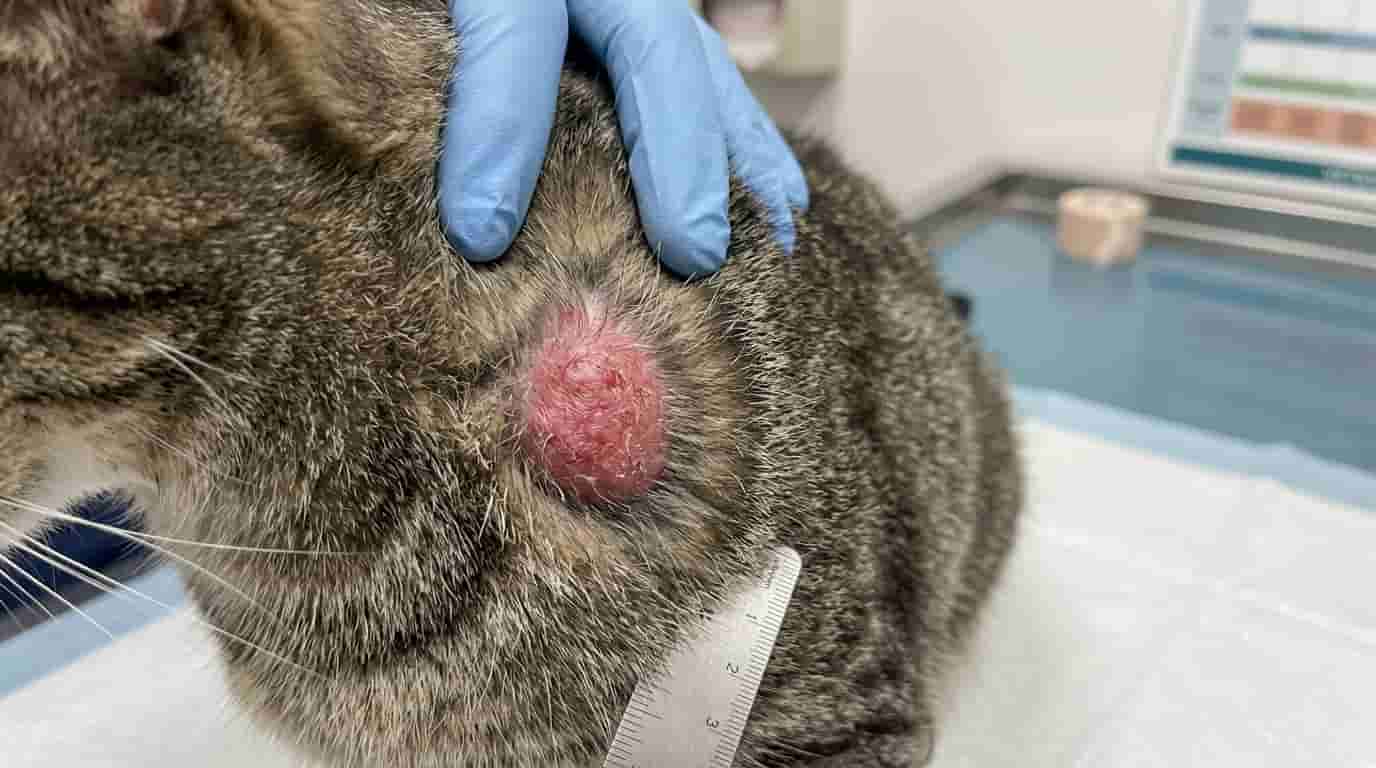
Cat Lump: Causes, Types, Treatment and When to Worry
Introduction
Cat Lump. Discovering a new bump, swelling, or mass on your feline companion can trigger immediate worry for any pet owner. The direct answer to keep in mind early is that a cat lump can stem from a wide variety of causes, ranging from minor skin inflammation, bug bites, or an infected abscess to a benign cyst or a tumor.
It is important to understand that a lump’s visual appearance and texture alone cannot reliably identify what it is. Scheduling a professional veterinary evaluation is always the safest course of action—especially if the lump is growing, painful, firm, ulcerated, or altering your cat’s normal behavior.
This guide covers everything you need to know about feline skin masses, including:
- Common and unexpected causes of cat lumps
- Different classifications of benign and serious growths
- Critical warning signs that demand urgent attention
- How veterinarians diagnose and treat masses
- Practical steps for safe home monitoring
What Is a Cat Lump?
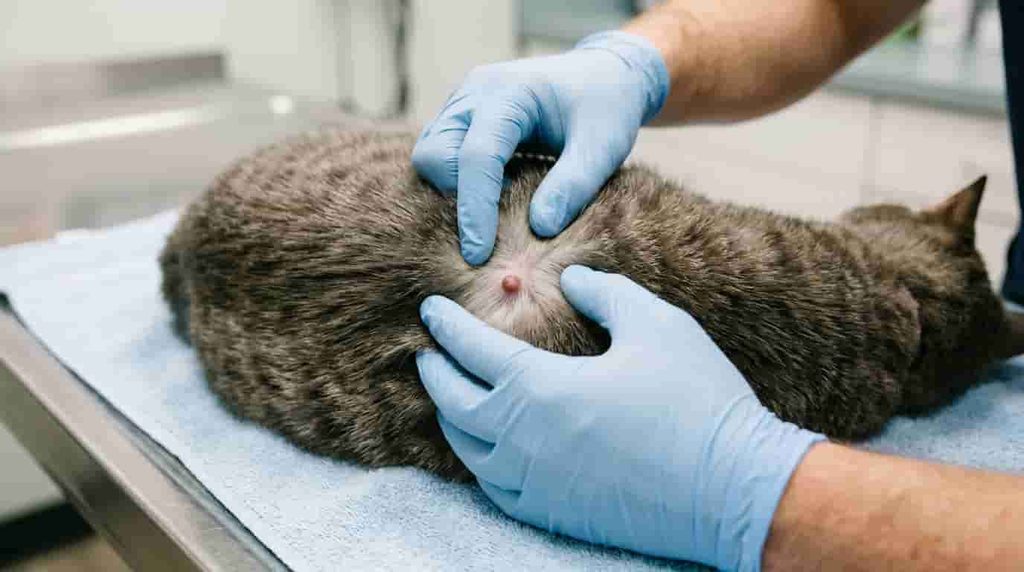
A cat lump is defined as any unusual swelling, bump, or palpable mass that develops under or directly on the skin. These growths can vary drastically in:
- Size (from tiny sesame-seed bumps to large masses)
- Shape and elevation
- Texture (soft, fluid-filled, rubbery, or hard)
- Exact bodily location
- Growth rate (slow-developing vs. rapidly appearing)
While some swellings are entirely harmless or resolve independently, others require prompt veterinary intervention. Veterinarians frequently use descriptive terminology such as feline mass, palpable lump, skin mass, or localized swelling during clinical assessments.
Can You Tell What a Lump Is by Touching It?
A very common question owners ask is whether cancerous lumps feel hard or soft. The reality is that touching a lump cannot provide a reliable diagnosis. Both benign (noncancerous) and malignant growths can feel soft, firm, movable, or firmly fixed to underlying tissue. Professional diagnostic testing is always necessary to uncover the true underlying cause.
What Should I Do If My Cat Has a Lump?
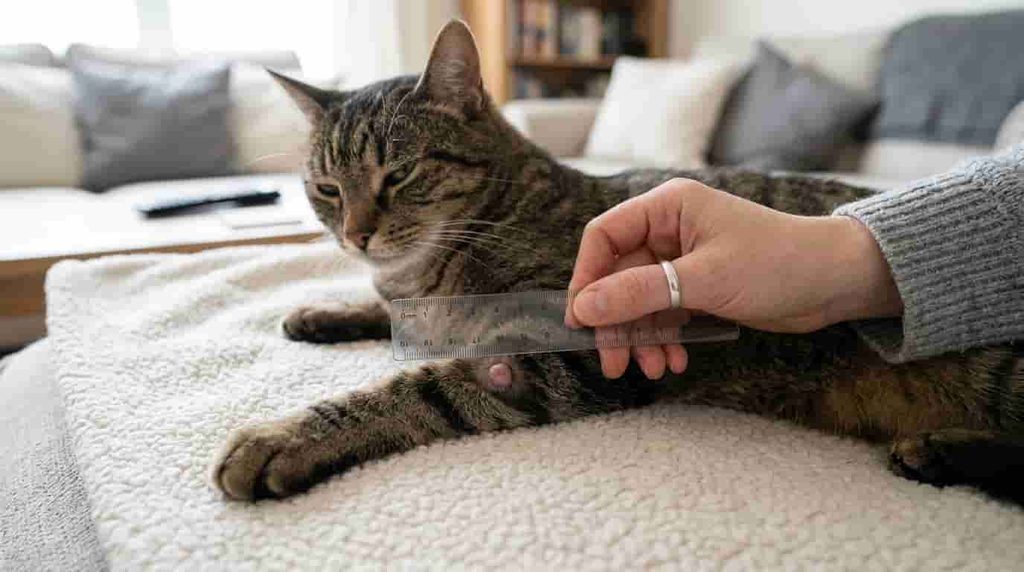
Discovering a new growth requires a calm, structured response. Follow these practical steps:
Step 1: Stay Calm and Check the Area Carefully
Gently part the fur to inspect the region. Look for signs of:
- Localized redness or heat
- Swelling or skin distortion
- Fluid discharge, pus, or active bleeding
- Hair loss over the bump
- An open, raw, or ulcerated skin surface
Never squeeze, puncture, lance, or attempt to drain a lump at home, as this can introduce severe bacterial infections.
Step 2: Note the Lump’s Size and Location
Keep track of how the mass behaves over time. Record:
- The exact date you first noticed it
- Its approximate size (comparing it to common objects like a pea or grape helps)
- Its precise bodily location
- Any noticeable changes in size, shape, or texture
Taking clear, well-lit photographs from a consistent distance can also help track visible changes.
Step 3: Arrange Veterinary Evaluation
Schedule an appointment with your veterinarian to examine any persistent or concerning lump. Early detection allows for more effective treatment options before conditions advance.
Common Causes of a Cat Lump

A lump is a physical finding rather than a standalone medical diagnosis. Potential underlying causes include:
Abscesses and Infections
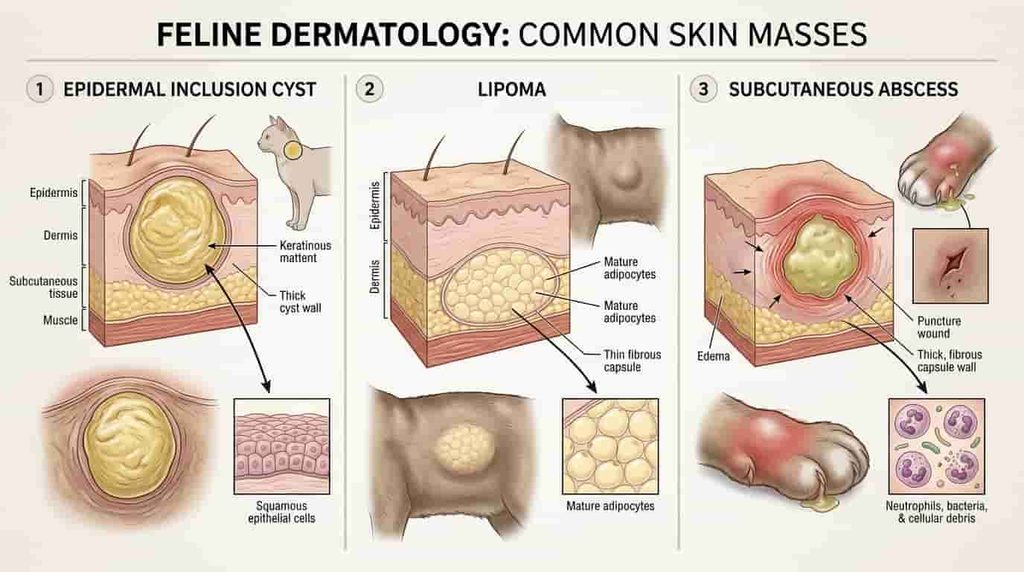
An abscess is a localized pocket of pus and infection resulting from a bacterial invasion, frequently caused by bite wounds from outdoor cat fights or minor skin punctures. Signs often include localized warmth, intense pain, fever, redness, and eventual drainage. Abscesses require professional veterinary cleaning, medical drainage, and antibiotics rather than home management.
Cysts and Other Benign Growths
Certain lumps develop due to blocked oil or sweat glands (such as sebaceous cysts) or other noncancerous cellular changes. While benign means the growth is not cancerous, treatment may still be necessary if it becomes irritated or infected.
Insect Bites or Local Reactions
Stings or insect bites can cause sudden local allergic swelling. Note that sudden swelling around the face, muzzle, or throat requires emergency veterinary attention if it obstructs normal breathing.
Enlarged Lymph Nodes
Lymph nodes can swell in response to nearby dental infections, systemic illness, or immune reactions. A veterinarian must evaluate swollen lymph nodes to determine the root cause.
Tumors and Cancer
Some lumps are true neoplasms (tumors), but it is vital to remember that not every lump is cancer. Tumors are broadly split into benign growths that do not spread and malignant cancers that require aggressive management. For a comprehensive discussion on feline tumors, refer to Cat Tumor: Symptoms, Causes, Treatment, Types and Life Expectancy
Injection-Site or Post-Vaccination Swelling
Some cats develop temporary, small localized swelling following a routine vaccination or injection. While many of these fade independently, persistent or expanding masses must be examined by a veterinarian.
Cat Lump Locations and What They May Mean

While bodily location alone cannot confirm a diagnosis, it provides helpful diagnostic clues.
Cat Lump on Neck or Under the Chin
Potential causes include reactive lymph nodes, dental abscesses, salivary gland cysts, or localized skin masses. Swelling near the throat requires prompt medical attention if swallowing or breathing is compromised.
Lump on the Belly or Chest
Masses in this region may involve skin tissue, fatty lipomas, or mammary gland tumors. Deeper internal wall masses can be harder to evaluate without professional palpation and imaging.
Cat Lump Under the Armpit
Lumps located in the axillary (armpit) region can involve skin structures, lymph tissue, or muscle. Avoid repeated squeezing and let a veterinarian examine the area.
Cat Lump at the Base of the Tail or on the Tail
These may stem from tail base injuries, stud tail infections, localized cysts, or tumors. Tail injuries are often hidden beneath thick fur.
Lump Between the Shoulder Blades or Behind the Ear
Location does not determine whether a mass is harmless. Always check these areas for recent injection histories, minor puncture wounds, or tick bites.
When Should You Worry About A Cat Lump?
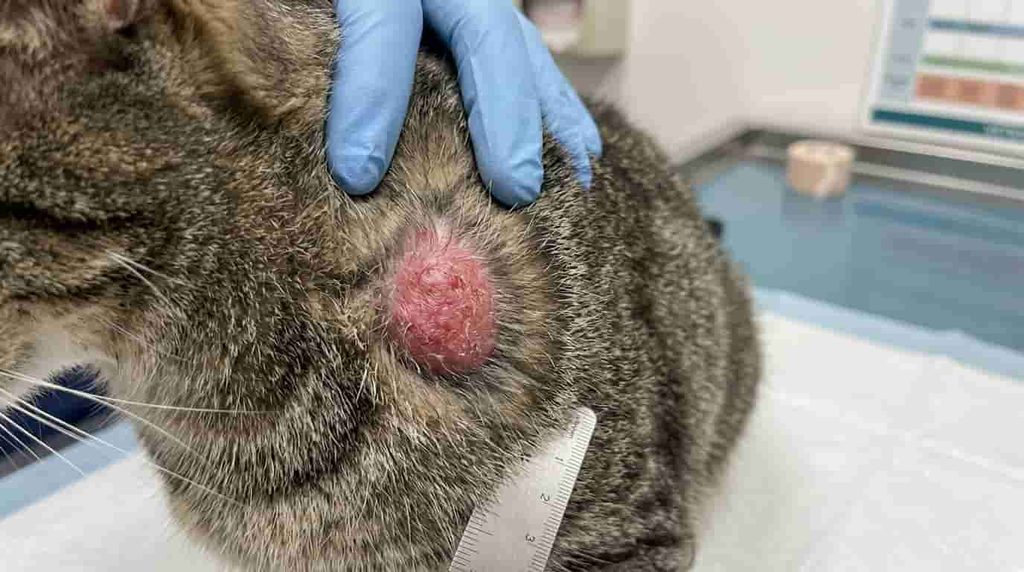
While any new or unexplained bump deserves attention, specific red flags make prompt veterinary care critical.
Warning Signs That Need Prompt Veterinary Attention
- Rapid or noticeable growth over days or weeks
- Sudden appearance accompanied by severe inflammation
- Pain, tenderness, or vocalization when the area is touched
- Heat, localized redness, or active bleeding
- A surface that becomes open, raw, or ulcerated
- A very firm texture or a mass that feels tightly anchored to underlying bone or muscle
- Difficulty eating, swallowing, walking, or breathing
- Lethargy, loss of appetite, or uncharacteristic behavior changes
- A lump that disappears and keeps returning
When Is a Lump an Emergency?
Seek immediate emergency veterinary care if a lump is accompanied by acute respiratory distress, severe facial swelling, rapid collapse, heavy bleeding, intense pain, or signs of an acute systemic allergic reaction.
Are Cancerous Lumps on Cats Hard or Soft?
As noted earlier, texture alone cannot distinguish between benign and malignant conditions. Assumptions based entirely on hardness, softness, mobility, size, or shape can easily be misleading. Diagnostic testing provides the only reliable answers. For an in-depth review of feline neoplasms, see Cat Tumor: Symptoms, Causes, Treatment, Types and Life Expectancy
How Veterinarians Diagnose a Cat Lump
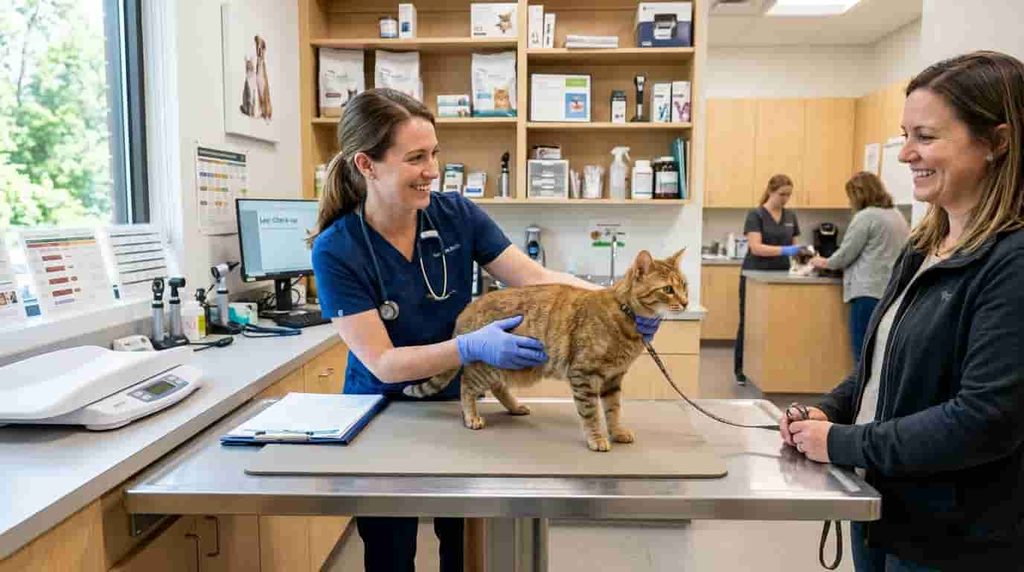
Diagnosis typically begins with a thorough clinical examination followed by targeted testing.
Physical Examination and Medical History
Your veterinarian will ask targeted questions: When was the lump first noticed? Has it changed in size or shape? Does your cat react in pain when touched? Has the cat recently experienced trauma or received vaccines?
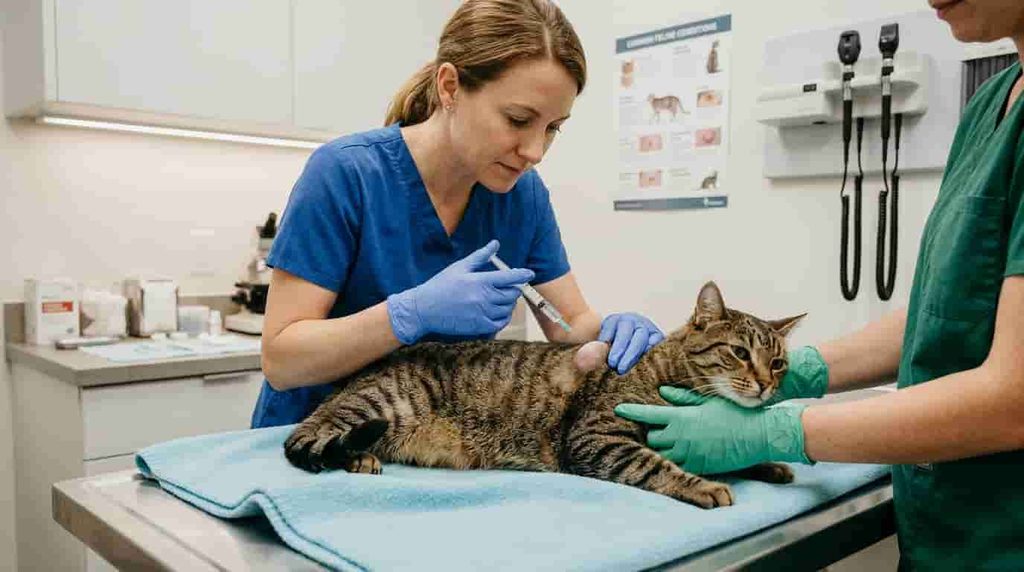
Fine-Needle Aspiration (FNA)
In many cases, the veterinarian performs a fine-needle aspiration, using a tiny needle to collect a small sample of cells from the mass. Examining these cells under a microscope can quickly differentiate between an abscess, a cyst, inflammation, or certain tumor types.
Biopsy or Tissue Testing
When cytology is inconclusive, a surgical biopsy—collecting a larger tissue section—may be necessary to secure a definitive diagnosis and grade.
Imaging and Other Tests
X-rays, ultrasounds, or comprehensive blood work may be recommended to assess internal organ health or determine if a mass has spread locally.
Cat Lump Treatment Depends on the Cause
Treatment strategies vary entirely depending on the diagnostic results.
Treatment for Infections and Abscesses
Abscesses are managed by surgical cleaning, flushing, establishing drainage paths, and prescribing appropriate antibiotic and pain relief medications. Never attempt to lance an abscess at home.
Monitoring Certain Benign Lumps
If diagnostic tests confirm a mass is completely benign, harmless, and non-painful, your veterinarian may recommend active monitoring rather than immediate surgery.
Surgical Removal
Many masses are surgically excised to prevent local growth, eliminate discomfort, or obtain clear diagnostic margins.
Treatment for Cancerous Masses
Malignant masses require tailored cancer treatment plans, which may involve specialized surgery or adjunctive therapies. Review Cat Tumor: Symptoms, Causes, Treatment, Types and Life Expectancy for expanded oncology insights.
What Not to Do When You Find a Lump on Your Cat
- Do not squeeze, press, or massage the lump repeatedly.
- Do not try to pop or pierce it.
- Do not cut or puncture the skin.
- Do not apply human antiseptic creams, ointments, or medications without veterinary approval.
- Do not assume a painless lump is harmless.
- Do not delay evaluation simply because the lump is small.
- Do not attempt a home diagnosis based on internet photos or texture.
These mistakes risk introducing severe secondary infections, increasing pain, or delaying crucial medical treatment.
How to Monitor a Lump at Home Safely
Home monitoring is useful for tracking stable conditions but never replaces veterinary diagnosis.
Create a Simple Lump Record
Maintain a log noting the discovery date, exact body map location, size measurements, texture changes, and any shifts in your cat’s daily appetite or energy level.
Take Consistent Photos
Photograph the mass alongside a standard scale reference (like a coin) from the same angle to evaluate subtle growth patterns objectively.
Know When Monitoring Should Stop
Any sudden expansion, ulceration, discharge, or behavioral decline means home observation must end immediately in favor of a veterinary visit.
A Realistic Example of When to See a Veterinarian
A cat owner notices a small, pea-sized lump beneath their cat’s skin near the shoulder. It does not seem painful initially, but over the course of ten days, the bump doubles in size and feels noticeably warmer to the touch.
This scenario justifies immediate veterinary evaluation. The main lesson is that dynamic changes over time are just as significant as the original appearance of the lump.
Can You Prevent Cat Lumps?

Not all feline lumps can be prevented, but proactive wellness care supports early detection.
Regular At-Home Checks
Gently run your hands across your cat’s entire body during routine grooming sessions or cuddle time. Pay special attention to frequently overlooked areas:
- Under the chin and jawline
- Neck and throat
- Armpits and groin
- Belly
- Base of the tail
- Behind the ears
Reduce Preventable Skin Problems
Keep up with routine parasite protection to prevent skin trauma, flea dermatitis, and secondary scratching injuries. For safe parasite prevention guidelines, see Cat Flea Collars: Do They Really Work and Are They Safe?
Keep Veterinary Visits Up to Date
Annual or bi-annual wellness exams give your veterinarian an opportunity to catch developing lumps during routine physical screenings long before they become advanced.
Conclusion: Take Every Cat Lump Seriously, Without Panicking
Finding a cat lump can feel alarming, but keeping a level head ensures your cat receives the best care. Remember that a lump can stem from numerous causes—some minor and easily treated, others requiring targeted medical management. Because appearance and texture cannot provide a reliable diagnosis, tracking changes and seeking prompt professional veterinary advice are your safest steps. Finding a mass does not automatically mean cancer, but ignoring a changing lump can delay vital answers.
What unusual lumps have you discovered on your cat, and what questions or experiences did you encounter during your veterinary visit? Share your thoughts below!
Frequently Asked Questions About Cat Lumps
1. What should I do if my cat has a lump?
Avoid squeezing or manipulating the mass, note its size, shape, and exact location, and arrange a professional veterinary evaluation for any new, persistent, or changing lump.
2. Why does my cat have little lumps under its skin?
Multiple small skin bumps can stem from various causes, including mild allergic reactions, localized cysts, insect bites, or minor infections. Always consult a veterinarian for accurate identification rather than assuming they are harmless.
3. Why does my cat have a huge hard lump?
Large or firm masses require prompt veterinary examination. Remember that hardness alone cannot confirm whether a mass is an inflammatory reaction, a benign fibroma, or a malignant tumor.
4. Can a cat lump go away on its own?
Some temporary swellings—such as minor bug bite reactions or small post-vaccine nodules—may gradually resolve on their own, but any persistent or changing lump should never be ignored.
5. How quickly should I take my cat to the vet for a lump?
Urgency depends on symptoms and progression. Seek immediate veterinary care if the lump is accompanied by breathing difficulties, rapid growth, severe pain, active bleeding, or open ulceration.