Scottish Fold Cat: Price, Personality, Health Issues and Care Guide
Introduction:
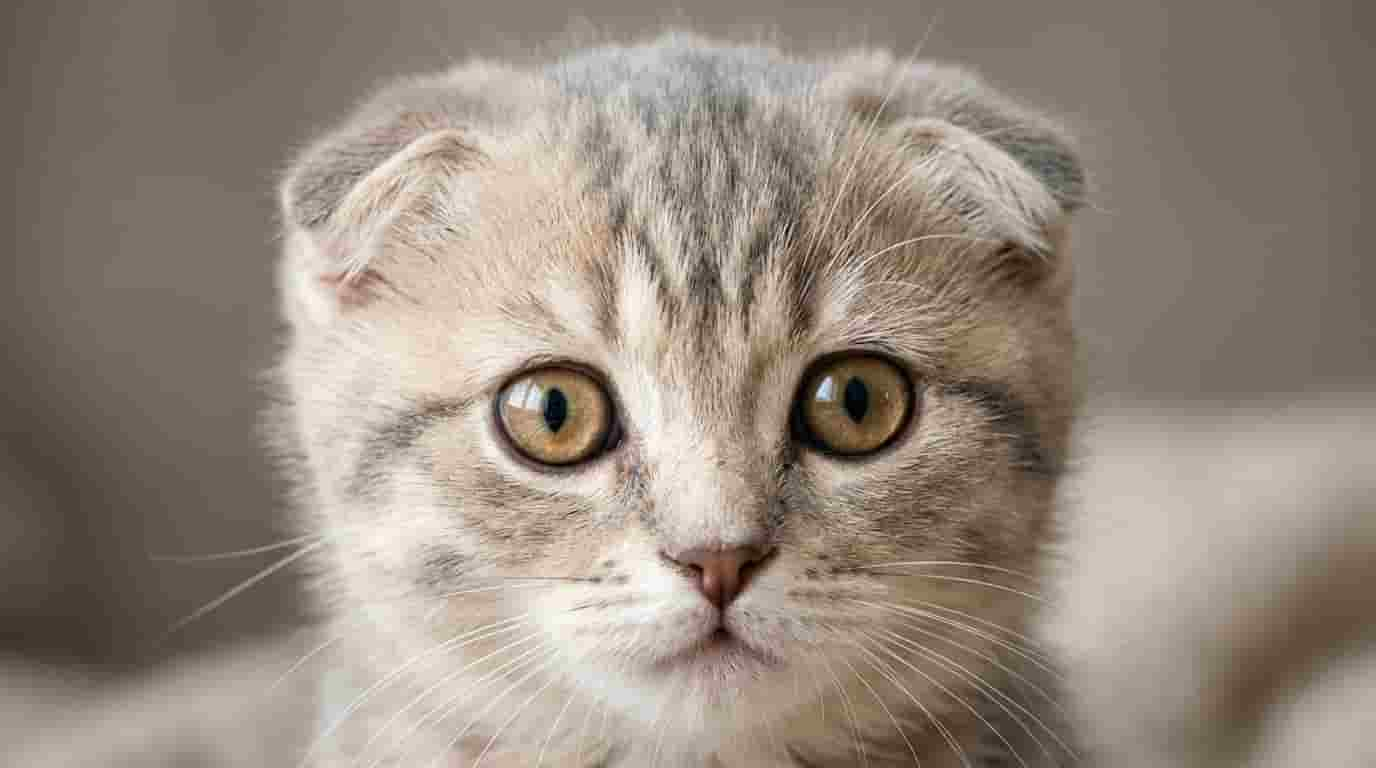
Scottish Fold Cat companions are among the most recognizable felines in the pet world, immediately distinguished by their unique forward-folded ears, large round eyes, and owl-like facial structure. Originating in Scotland, this affectionate and gentle breed has captured the hearts of cat lovers globally. However, prospective owners often have pressing questions regarding their temperaments, grooming needs, lifespan, pricing, and the genetic traits that give them their iconic appearance.
Understanding the full picture of this breed is vital before bringing one into your home. The same genetic mutation responsible for their signature ear fold also impacts cartilage throughout their body, making health management and responsible breeding essential topics for every owner. This comprehensive guide covers everything you need to know about the breed—including physical traits, personality, health issues, care requirements, pricing, and adoption options—to help you decide if this sweet-tempered feline is the right companion for your household.
What Is a Scottish Fold Cat?
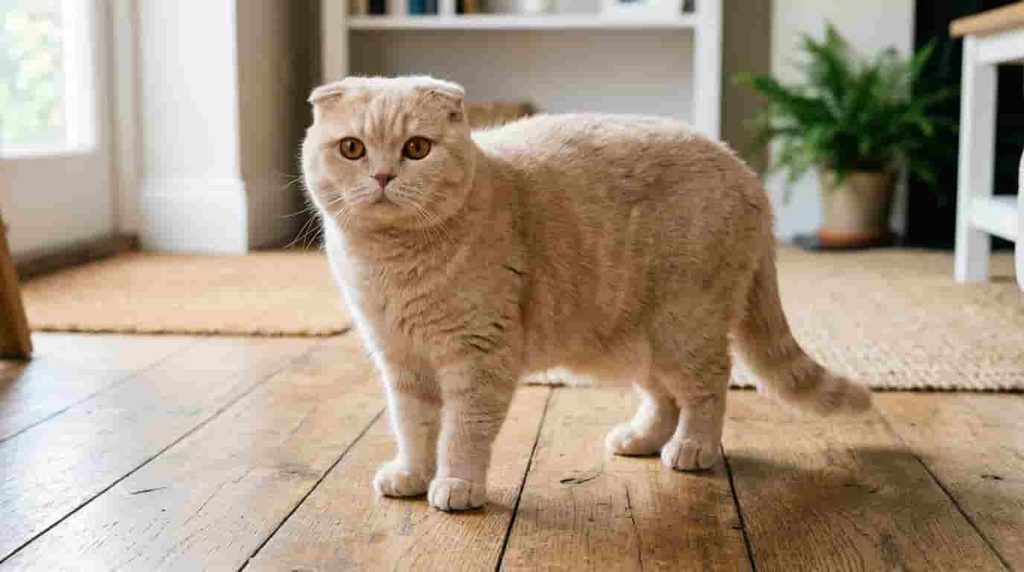
The Scottish Fold Cat is a domestic cat breed defined by a naturally occurring genetic mutation that causes the ear cartilage to fold forward and downward toward the front of the head. Combined with broad cheeks and large, expressive eyes, this gives the feline a distinctively rounded, open expression.
What makes the Scottish Fold different?
Beyond their iconic ears, these cats possess a sturdy, medium-sized body, a short plush coat, and a sweet, calm disposition. Recognized by major feline registries like The International Cat Association (TICA) and the Cat Fanciers’ Association (CFA), they are celebrated for their adaptability and quiet charm.
Why do Scottish Fold cats have folded ears?
The folded ear trait is caused by an autosomal dominant genetic mutation that alters cartilage development during embryonic growth. Because cartilage provides structural support to the ear pinna, the weakened cartilage bends forward rather than standing erect.
Are all Scottish Fold kittens born with folded ears?
No. All kittens in a litter are born with straight, unfolded ears. Ear folding typically begins to show between 18 and 21 days after birth. Kittens that do not develop folded ears carry standard ear cartilage genetics and are known as Scottish Straights.
Scottish Fold Characteristics and Appearance
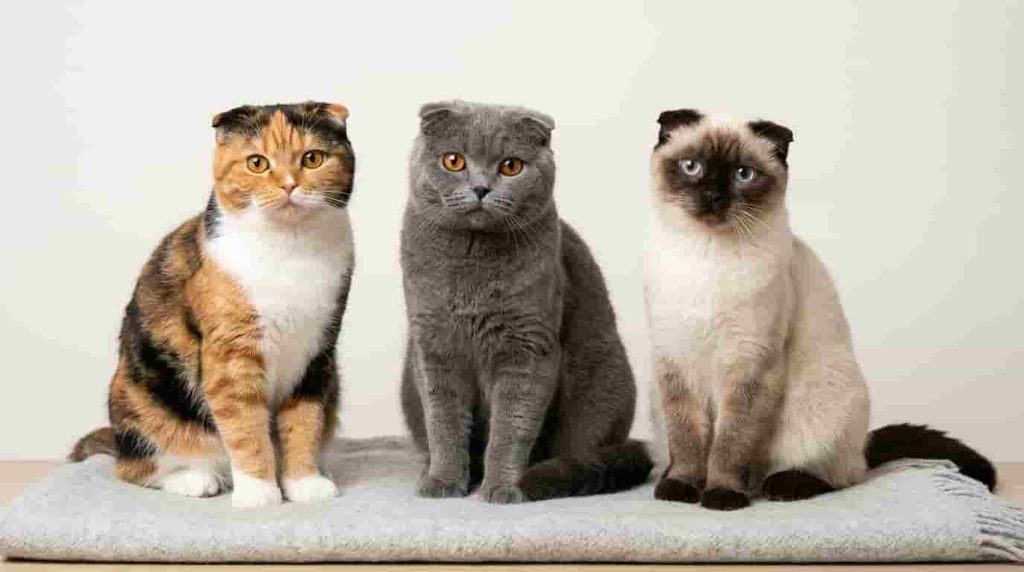
The visual identity of this breed centers on roundness, symmetry, and balance. From head to tail, their physical features evoke a soft, plush aesthetic.
Scottish Fold cat body type
The body build is medium in size, muscular, and well-padded with a compact, padded frame. The chest is broad, and the legs are proportionate to the body, ending in neat, well-rounded paws. The tail should be flexible, medium to long, and taper gently to a rounded tip.
Scottish Fold ears
Ear folds vary significantly between individual cats:
- Single Fold: A light fold bending only the tips of the ears forward.
- Double Fold: A prominent fold where the ear caps fold tighter against the head.
- Triple Fold: A tight, flat fold where the ears lie flush against the skull, creating a seamless, perfectly round head outline highly prized in show rings.
Scottish Fold eyes and face
Their facial structure is famously expressive. Large, wide-set, circular eyes match their coat colors, giving them an innocent, wide-awake gaze. Prominent whisker pads and a short, gently curved nose complete their characteristic rounded profile.
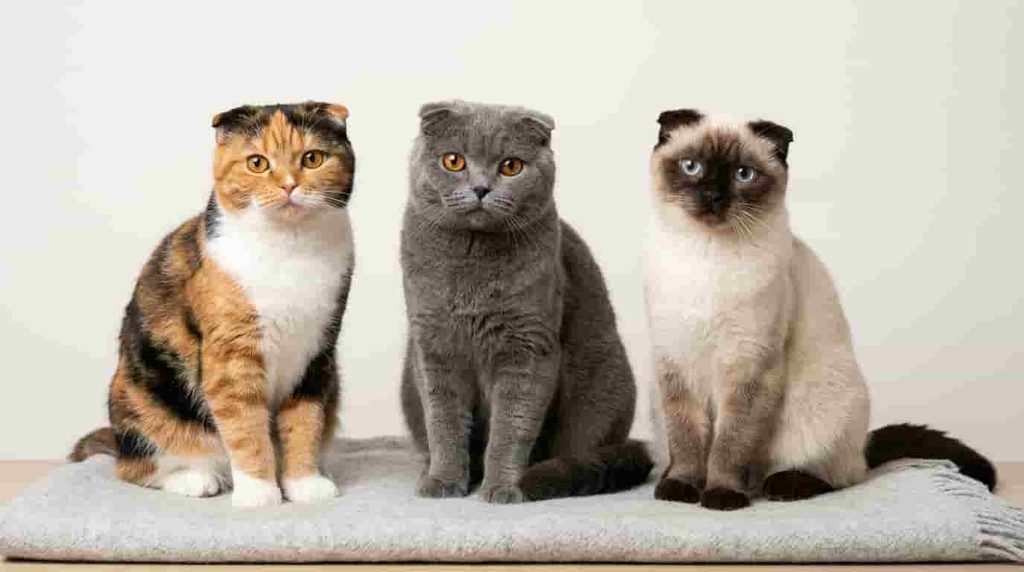
Scottish Fold cat colors
These cats come in almost every coat color and pattern imaginable:
- Solid: Blue (gray), white, black, cream, and red.
- Tabby: Classic, mackerel, and spotted patterns in silver, brown, red, and blue.
- Bicolor & Calico: Combinations of solid or tabby patches mixed with clean white.
- Colorpoint: Light body coats featuring darker points on the ears, face, paws, and tail.
Scottish Fold short hair vs long hair
The breed exists in both short-haired and long-haired varieties (the long-haired version is sometimes called the Highland Fold). Short coats are dense, plush, and resilient, requiring minimal grooming. Long coats feature full, soft fur with feathering on the legs, toe tufts, and a magnificent plume tail, requiring more frequent brushing.
Scottish Fold Cat Personality and Temperament
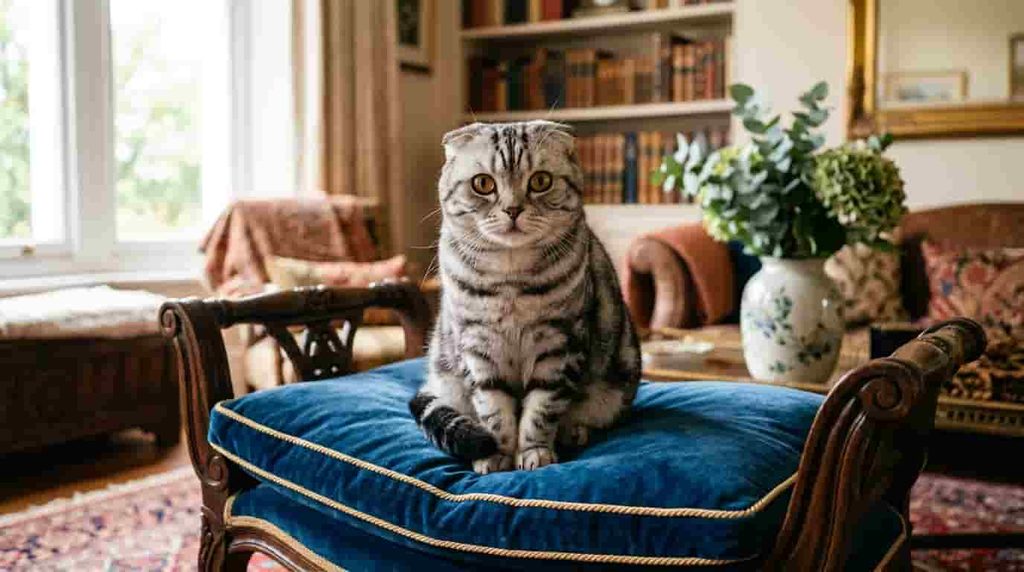
While their owl-like appearance catches immediate attention, their gentle and affectionate temperament makes them cherished family members.
What is the Scottish Fold cat personality like?
These cats are known for an easygoing, calm, and highly social temperament:
- Affectionate: They bond deeply with their owners and enjoy being near human activity.
- Quiet Communicators: They rarely vocalize loudly, preferring soft, quiet purrs and chirps.
- People-Oriented: They thrive on companionship and dislike being left alone for extended periods.
- Flexible Behavior: They are famous for posing in unusual sitting positions, such as the flat-backed “Buddha position” or lying flat on their backs.
Are Scottish Fold cats good pets?
Yes, they make exceptional pets for singles, couples, seniors, and active families. Their patient nature allows them to handle household activity well, making them suitable companions for children and other pets when introduced properly.
Do Scottish Fold cats like to cuddle?
Most express affection by resting closely beside their owners, leaning against legs, or sitting quietly on laps. While individual personalities vary, they generally enjoy physical closeness without being overly demanding or pushy.
Are Scottish Fold cats independent or demanding?
They strike a comfortable balance between curiosity and calmness. While they enjoy interactive play sessions, they do not require constant entertainment and are content observing household routines from a comfortable perch.
Scottish Fold History and Breed Background
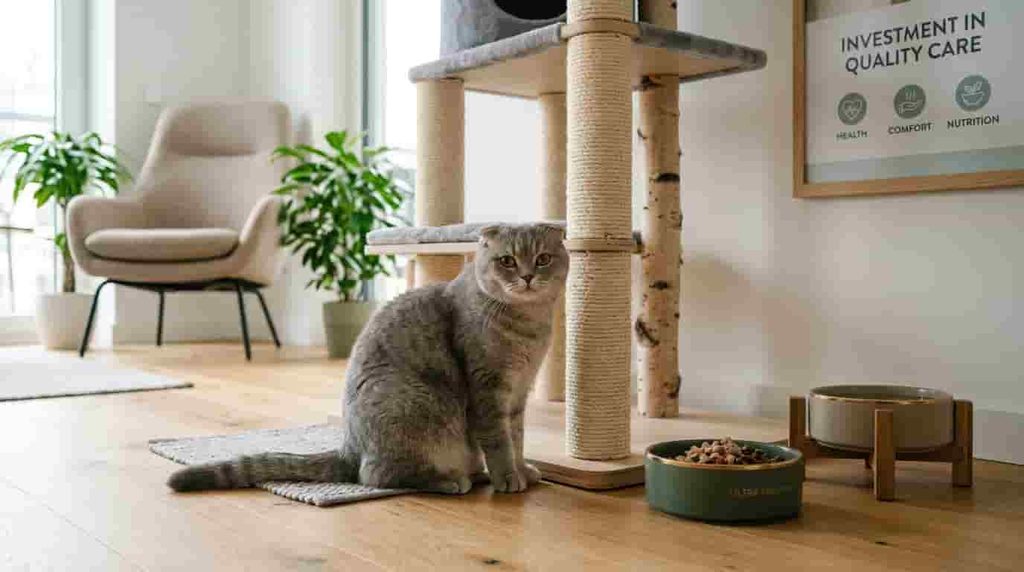
The story of the breed began in 1961 on a farm near Coupar Angus in Perthshire, Scotland.
Where did the Scottish Fold originate?
A shepherd named William Ross discovered a white barn cat named Susie who possessed unusual folded ears. When Susie gave birth to kittens, two carried the same folded trait. Ross registered the line with the Governing Council of the Cat Fancy (GCCF) in the UK and began developing the breed alongside local enthusiasts.
How did the folded-ear trait become associated with the breed?
Breeding programs quickly demonstrated that the trait was controlled by a dominant gene. To maintain health and genetic diversity, breeders crossed folded-eared cats with domestic shorthairs, British Shorthairs, and American Shorthairs.
How is the Scottish Fold related to other Scottish breeds?
Every folded litter produces both folded-eared and straight-eared offspring. The straight-eared kittens form the genetic foundation of the Scottish Straight Cat: Price, Personality, Colors, Temperament and Care, playing a critical role in healthy breeding programs.
Why Do Scottish Fold Cats Have Folded Ears?
Understanding the genetics behind the signature ear fold is vital for prospective owners, as the underlying gene affects more than just visible ear cartilage.
The genetics behind the folded ears
The ear fold is caused by a dominant gene allele ($Fd$). A cat carrying one copy of the folded gene and one copy of the standard gene ($Fd/fd$) will express folded ears.
Why are some ears more folded than others?
Variable gene expressivity determines whether an individual displays a single, double, or triple fold. Environmental factors like heat, stress, or illness can also temporarily cause the ear folds to loosen slightly.
Does the folded-ear trait affect more than the ears?
Yes. The $Fd$ gene affects cartilage formation body-wide. Because cartilage provides joint cushioning throughout the skeleton, carrying the folded gene impacts bone and joint structure beyond the ears.
Why responsible breeding matters
Ethical breeders never mate two folded-eared cats together ($Fd/Fd$), as homozygous offspring suffer from severe, painful crippling skeletal deformities. Responsible breeders only cross a folded-eared cat ($Fd/fd$) with a straight-eared cat ($fd/fd$). Prospective buyers should insist on reviewing parent pedigree records to verify ethical breeding practices.
Scottish Fold Cat Health Issues
Because the genetic mutation driving ear folding affects bodily cartilage, owners must stay proactive regarding health monitoring.
What health issues are Scottish Fold cats known for?
The dominant health concern intrinsic to the breed is Osteochondrodysplasia (OCD). Additional general feline conditions that can affect the breed include Hypertrophic Cardiomyopathy (HCM) and Polycystic Kidney Disease (PKD).
What is Scottish Fold osteochondrodysplasia?
Osteochondrodysplasia is a hereditary skeletal disorder affecting bone and cartilage development. In cats carrying the $Fd$ gene, OCD can cause abnormal bone growth, swollen joints, thickened tail vertebrae, and premature arthritis. According to welfare evaluations from organizations like the International Cat Care Association , all folded-eared cats experience varying degrees of OCD, though heterozygous individuals ($Fd/fd$) typically show far milder symptoms than homozygous cats.
What signs should Scottish Fold owners watch for?
Owners should monitor their pets for subtle indications of joint stiffness or discomfort:
- A short, stiff, or stilted walking gait.
- Reluctance to jump onto elevated surfaces or climb stairs.
- A short, thick, or inflexible tail that resists gentle bending.
- Swollen, sensitive ankle or wrist joints.
- Lethargy, reduced activity, or vocalizing when handled around the hindquarters.
When should a Scottish Fold see a veterinarian?
Contact your veterinarian immediately if your cat demonstrates lameness, altered jumping habits, joint swelling, or behavioral changes signaling pain. Regular veterinary check-ups allow for early administration of joint supplements or pain management therapies.
Can responsible breeding reduce health risks?
While responsible breeding ($Fd/fd$ crossed with $fd/fd$) eliminates the severe, early-onset deformities seen in homozygous cats, buyers should understand that all folded-eared cats require lifetime monitoring for mild joint stiffening.
Scottish Fold Cat Lifespan
With attentive healthcare, high-quality nutrition, and indoor living, these cats enjoy a long life.
- Average Lifespan: 12 to 15 years
What can affect a Scottish Fold’s lifespan?
- Joint Health: Early management of joint stiffness and arthritis.
- Weight Control: Excess weight places unnecessary strain on compromised cartilage and joints.
- Indoor Lifestyle: Shielding cats from outdoor hazards, infections, and injuries.
- Routine Care: Preventative vaccinations, dental cleanings, and screening for cardiac and renal health.
Scottish Fold Cat Care Guide
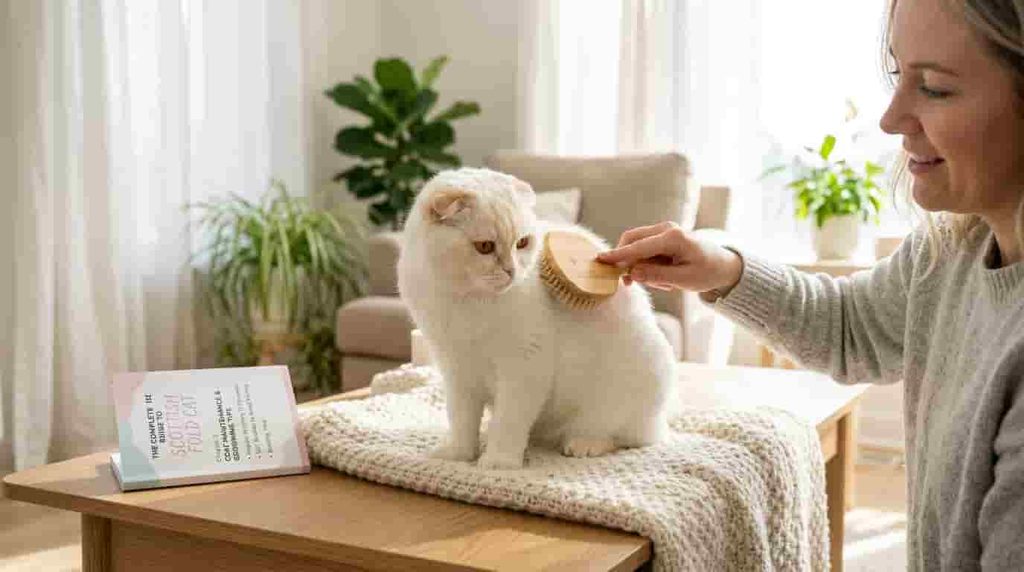
Providing optimal care involves balancing proper nutrition, comfortable living arrangements, gentle play, and routine grooming.
Feeding and nutrition
Controlling body weight is essential to prevent joint stress:
- Diet: Feed high-quality, meat-first commercial diets balanced for age and activity level.
- Portion Control: Measure meals daily rather than allowing free access to dry food.
- Hydration: Provide fresh water daily or use circulating water fountains to encourage urinary health.
- Joint Support: Discuss adding Omega-3 fatty acids, glucosamine, and chondroitin supplements with your veterinarian.
Exercise and enrichment
Keep your cat active with low-impact exercises:
- Engage in gentle interactive play using wand toys, ground-based puzzle toys, and catnip mice.
- Provide low-height scratching posts and ramps to assist access to favorite perches without requiring high jumps.
- Avoid encouraging high-impact leaping from tall furniture.
Scottish Fold grooming
- Brushing: Brush short-haired coats weekly; long-haired coats require brushing two to three times weekly to prevent mats.
- Ear Care: Check folded ears weekly for wax buildup or moisture, wiping gently with a damp cotton pad (never insert swabs into the ear canal).
- Nail Care: Trim claw tips every two to three weeks.
- Dental Hygiene: Brush teeth regularly using cat-safe toothpaste.
Common Scottish Fold care mistakes
- Forcing Tail Flexibility: Never forcefully bend or flex a stiff tail, as this can cause intense pain.
- Allowing Weight Gain: Overfeeding directly accelerates joint deterioration.
- Skipping Veterinary Checks: Neglecting routine check-ups delays early joint and cardiac interventions.
Scottish Fold Cat Price and Cost of Ownership
Understanding the financial commitment helps prospective owners plan responsibly.
How expensive is a Scottish Fold cat?
A kitten from an ethical, registered breeder costs between $1,000 and $2,000 USD. Prices vary based on ear fold quality (triple folds command higher prices), coat color, pedigree, and breeder health testing.
What does owning a Scottish Fold really cost?
Beyond purchase price, account for ongoing care costs:
- Initial Setup (Litter box, ramps, carrier, bed): $150 – $300
- Annual Veterinary Visits & Vaccines: $200 – $400
- Monthly Food & Litter: $50 – $80
- Joint Supplements & Preventatives: $30 – $60 per month
Scottish Fold cat for sale: what should buyers check?
When evaluating listings, avoid red flags like prices far below market rate, unverified health claims, or breeders who cannot produce registration documents from CFA or TICA.
Buying a Scottish Fold Cat From a Breeder
Selecting a conscientious breeder is the single most effective way to protect kitten welfare.
How do you find a responsible breeder?
Reputable breeders prioritize health and welfare over cosmetics. They openly discuss the breed’s genetic considerations, provide parent registration papers, and maintain clean rearing facilities.
Questions to ask before buying
- Do you cross folded-eared cats only with straight-eared cats?
- Can I see veterinary health records and genetic testing results for the parents?
- What joint support or social care have the kittens received?
- What health guarantee and return policy do you provide?
Scottish Fold Cat Adoption
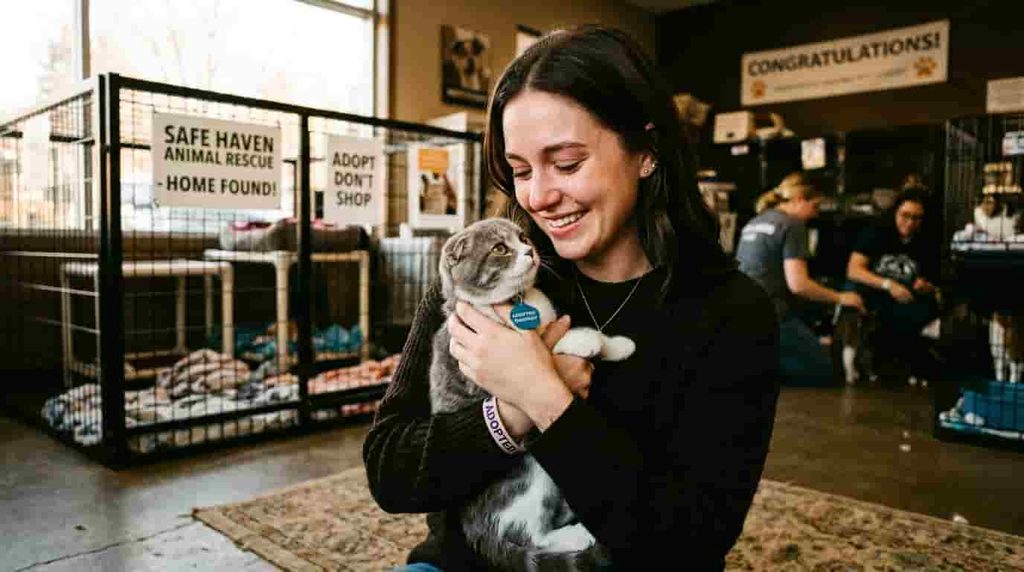
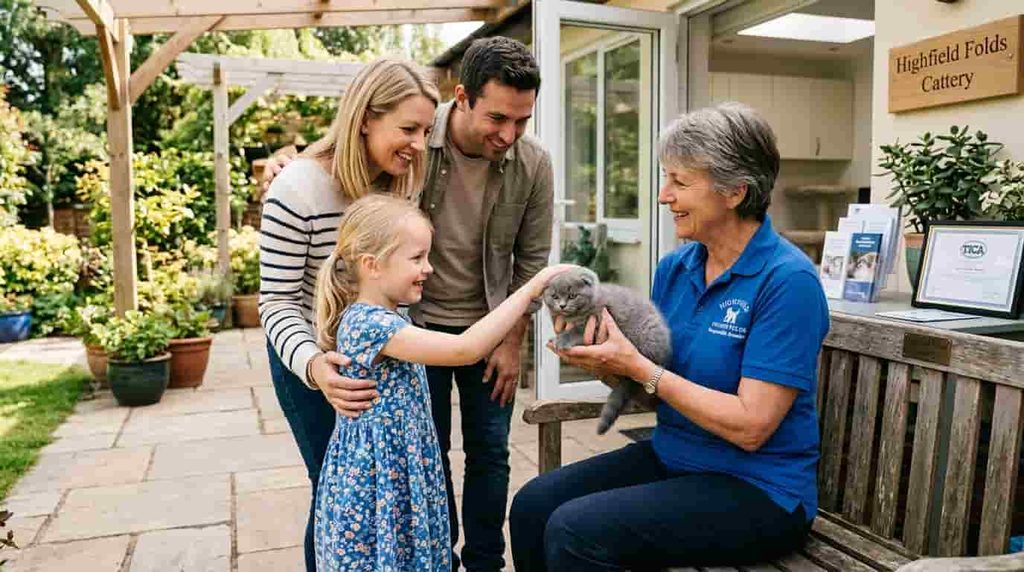
Adopting a rehomed cat gives a deserving feline a loving family.
Can you adopt a Scottish Fold cat?
While less common than domestic breeds in standard shelters, purebred cats sometimes become available through breed-specific rescue networks, animal shelters, or rehoming programs when previous owners undergo life changes.
What should you ask before adopting?
- Has the cat undergone a full veterinary joint evaluation?
- Does the cat show signs of joint pain or require mobility management?
- How does the cat interact with children and other household pets?
How to Tell If Your Cat Is a Scottish Fold
Visual traits provide initial clues, but pedigree documentation confirms breed status.
Look at the ears and head
Folded ears combined with a distinctively round head, circular eyes, and plush coat are key indicators.
Can appearance prove pedigree?
No. Domestic cats can occasionally develop bent ears due to trauma, hematomas, or infection. Official registration papers from recognized feline registries like TICA or CFA are the only definitive proof of pedigree status.
Scottish Fold Cat Colors and Coat Types
The breed features an incredible diversity of patterns and coat lengths.
- Solids: Jet black, crisp white, blue (gray), and cream.
- Tabbies: Classic, mackerel, and spotted patterns across silver, red, and brown bases.
- Calico & Tortoiseshell: Stunning multi-colored patches popular in female kittens.
- Longhair (Highland Fold): Features long, flowing fur with a dramatic tail plume and neck ruff.
For owners interested in comparing unique structural variations across domestic felines, explore our guides on the tailless Manx Cat: Personality, Characteristics, Lifespan, Price and Health and its long-haired relative, the Cymric Cat: Personality, Price, Size, Colors and Breed Guide
Scottish Fold Cat vs Scottish Straight
Comparing these siblings clarifies structural differences within the breed line.
| Feature | Scottish Fold Cat | Scottish Straight Cat |
| Ear Appearance | Folded forward and downward | Upright and erect |
| Gene Composition | Heterozygous folded allele ($Fd/fd$) | Two standard alleles ($fd/fd$) |
| Joint Mobility Risk | Requires monitoring for OCD stiffness | Standard feline joint risk |
| Facial Impression | Owl-like, seamless round face | Sweet, open round face framed by ears |
| Temperament | Calm, gentle, social | Calm, gentle, social |
Is a Scottish Fold Cat Right for You?
A Scottish Fold may suit you if:
- You desire a calm, loving companion that enjoys peaceful family life.
- You are prepared to monitor joint health and provide low-impact exercise.
- You are committed to sourcing kittens exclusively from health-focused, ethical breeders.
- You want a friendly pet that adapts well to multi-pet environments.
Think carefully if:
- You are unprepared for potential veterinary costs associated with joint care.
- You want an exceptionally athletic, high-jumping cat.
- You cannot commit to regular ear and coat grooming routines.
Frequently Asked Questions About Scottish Fold Cats
How expensive is a Scottish Fold cat?
Kittens from ethical breeders typically cost between $1,000 and $2,000 USD, with ongoing annual care expenses averaging $800 to $1,500 USD.
Is a Scottish Fold cat a good pet?
Yes, their calm, affectionate, and quiet nature makes them wonderful companions for families, singles, and seniors alike.
Why are Scottish Fold cats so expensive?
High prices reflect breeder investments in genetic testing, health screenings, registration fees, and the careful management required for safe breeding programs.
What health issues do Scottish Fold cats have?
Their primary health condition is Osteochondrodysplasia (OCD), a developmental cartilage disorder that can cause joint stiffness and arthritis.
Do Scottish Fold cats require special ear cleaning?
Yes, their folded ear shape can trap moisture or wax, requiring gentle weekly inspections and regular cleaning with a damp cotton pad.
Conclusion — Scottish Fold Cat
The Scottish Fold Cat remains one of the most charming and captivating felines in the domestic cat world. Their iconic folded ears, broad owl-like eyes, and sweet, affectionate personality make them deeply rewarding companions. However, welcoming one into your life comes with the responsibility of understanding their unique genetic health needs, prioritizing weight control, and supporting joint comfort throughout their lives. By choosing an ethical breeder or adoption shelter and providing attentive daily care, you can look forward to years of loving companionship with this remarkable breed.
Are you currently sharing your life with a Scottish Fold, or are you considering adopting one soon? Share your stories and questions in the comments below!