
Manx Cat: Personality, Characteristics, Lifespan, Price and Health
Introduction:
Manx Cat companions are among the most distinctive, fascinating, and historically rich felines in the domestic cat world. Instantly recognizable by their rounded silhouette, robust hindquarters, and characteristic lack of a tail, these clever and devoted cats have captivated animal lovers for centuries. Originating from the isolated environment of the Isle of Man, the breed is far more than a simple biological curiosity; it represents a deeply loyal, highly intelligent, and remarkably playful family companion.
Whether you are drawn to their unusual physical appearance or intrigued by their reputation for dog-like devotion, understanding the full scope of the breed is essential before welcoming one into your home. Caring for a tailless feline involves specific considerations, ranging from unique genetic traits to tailored home care. This comprehensive guide covers everything prospective and current owners need to know about the breed—including physical traits, temperament, history, genetic health considerations, lifespan, pricing, adoption options, and everyday care.
What Is a Manx Cat?
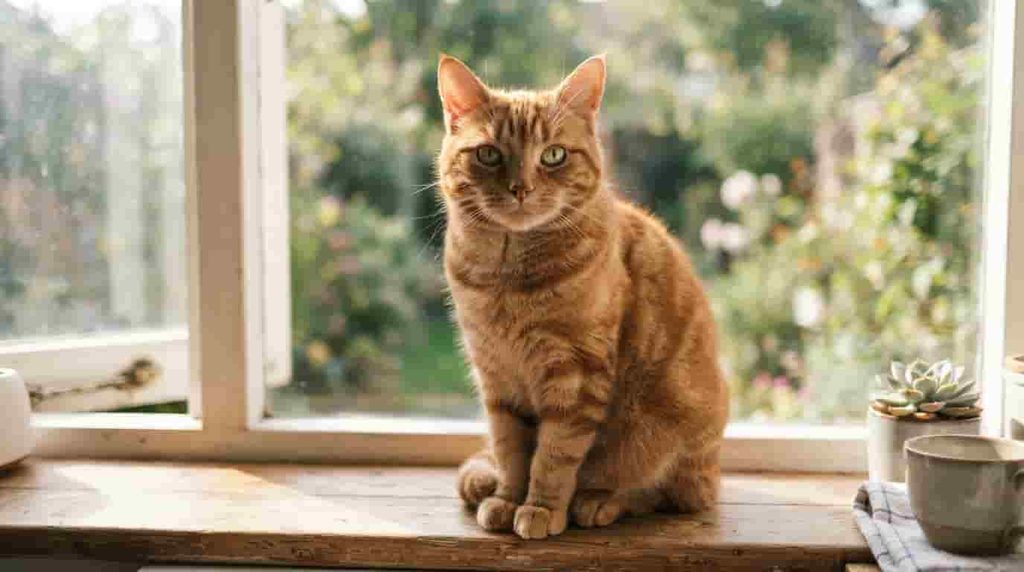
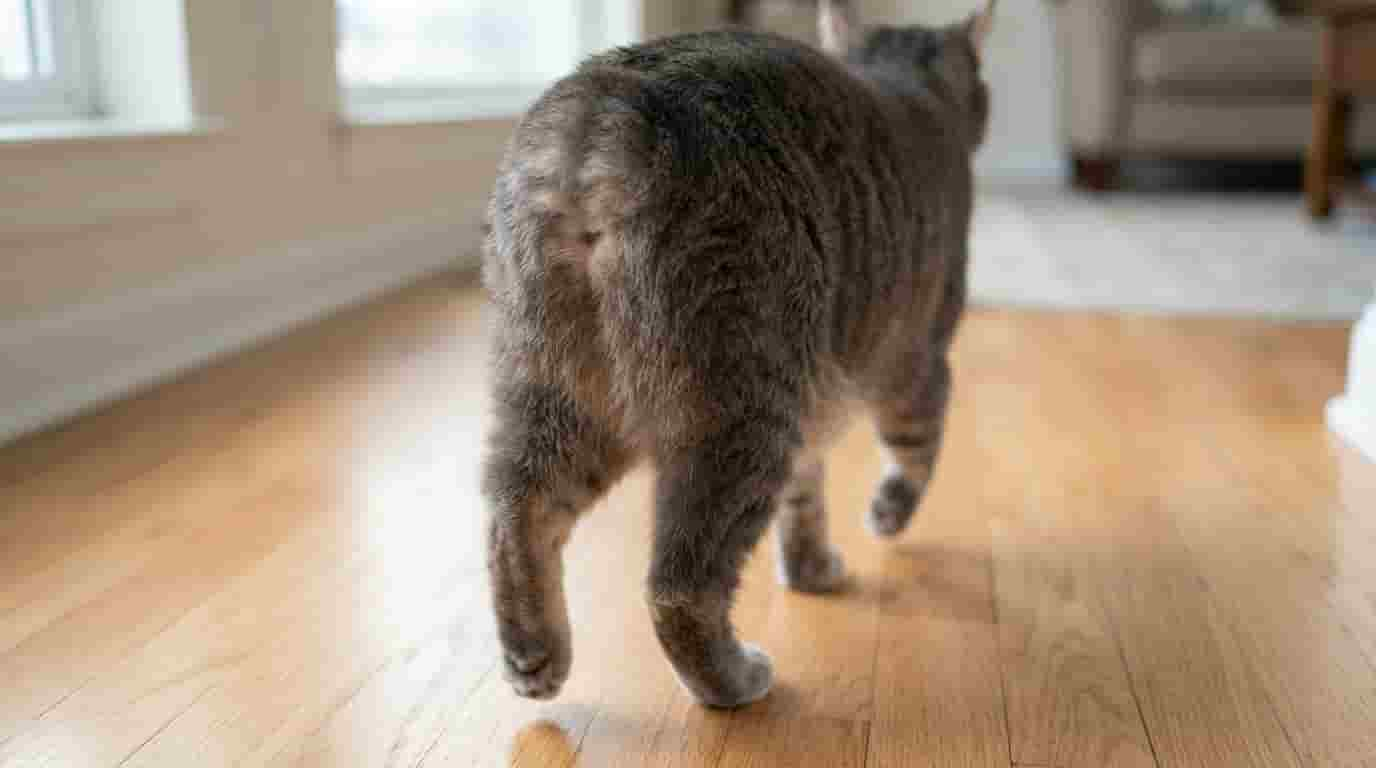
The Manx Cat is a ancient domestic cat breed renowned for a naturally occurring genetic mutation that shortens or completely eliminates the tail. Beyond their signature rump, these cats are characterized by a compact, solid build, a round head, and unusually long hind legs that give them a powerful, springing gait.
A distinctive breed from the Isle of Man
Hailing from the Isle of Man in the Irish Sea, the breed developed its unique traits through centuries of natural isolation. Because the island’s cat population was geographically limited, the spontaneous genetic trait for taillessness spread rapidly throughout the local feline pool. Recognized as one of the oldest formal cat breeds, it was among the founding breeds showcased at early feline exhibitions in the late 19th century and remains recognized by major registries worldwide, including the Cat Fanciers’ Association (CFA) and The International Cat Association (TICA).
Why is the Manx known as a tailless cat?
The association with taillessness stems from an autosomal dominant gene that affects spinal column development during embryonic growth. This genetic mutation inhibits normal tail vertebra formation, giving the rear end its smooth, rounded appearance.
Are all Manx cats completely tailless?
Contrary to popular belief, not every individual born into the breed is entirely without a tail. Breeders classify tail variations into four distinct categories:
- Rumpy: Completely tailless, often featuring a smooth dimple at the base of the spine where the tail would normally begin. These are the classic show-standard individuals.
- Rumpy Riser: Possesses a tiny rise or knuckle of bone at the end of the spine that can be felt or seen when the cat is stroked.
- Stumpy: Has a short tail stump that may be curved, kinked, or movable.
- Longy: Features a full or nearly full-length tail. While Longies cannot compete in show classes, they are essential to healthy, responsible breeding programs.
Manx Cat Characteristics and Appearance
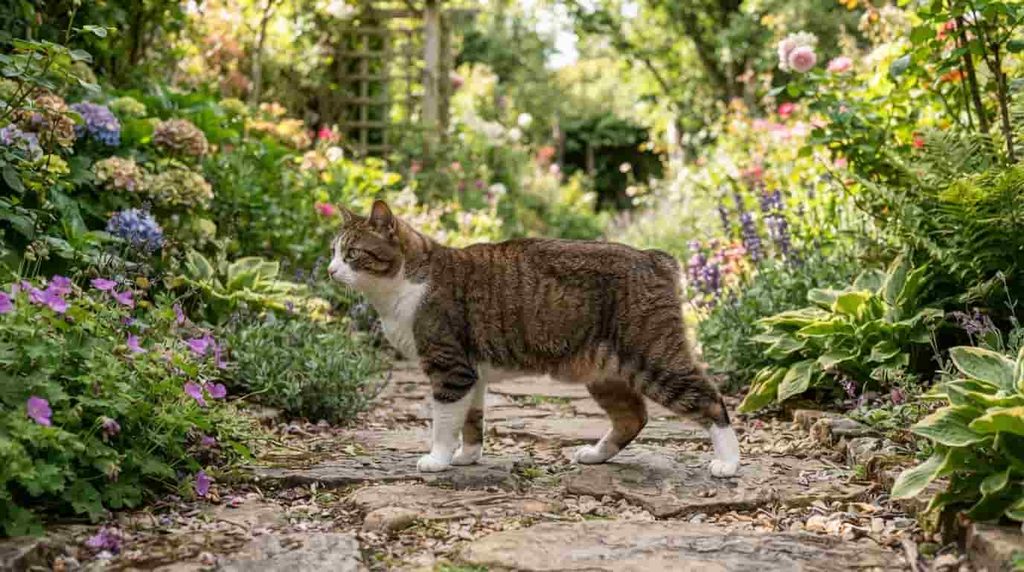
The visual appeal of the breed rests on a harmony of curves, solid bone structure, and muscular strength. Virtually every element of its build emphasizes roundness.
Manx cat body type
The body is sturdy, compact, and heavy-boned. A broad chest and short back curve smoothly upward to a high, rounded rump. The hind legs are significantly longer than the forelegs, causing the back line to slope noticeably upward from the shoulders to the hips. This distinct leg proportion creates a deep, powerful thigh structure and gives the cat a signature “bunny-hop” stride when accelerating into a run.
The Manx cat tail
As noted, tail length varies dramatically across litters. While show standards prioritize the completely tailless “Rumpy,” pet owners will find that Stumpies and Longies share every other desirable trait of the breed, from physical build to personality.
Head, eyes and coat
- Head: Round with prominent cheeks, a strong jaw, and a broad muzzle.
- Eyes: Large, round, and set at a slight angle toward the base of the ears.
- Ears: Medium-sized, wide at the base, and tapering to rounded tips.
- Coat: Primarily double-coated, featuring a short, dense, and plush undercoat paired with a slightly stiffer outer coat that stands off from the body. Long-haired variants also exist.
What makes the Manx look different?
The combination of a broad chest, high rear quarters, rounded rump, and absence of a tail gives this feline a unique, solid appearance unlike any other domestic breed.
Manx Cat Size and Body Structure
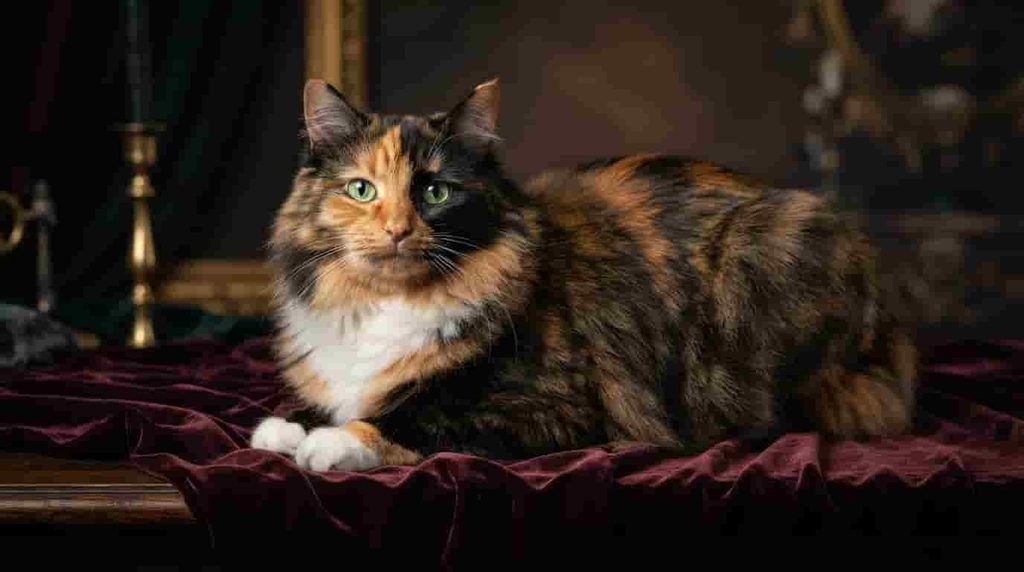
Despite their medium overall length, these cats are deceptively heavy and dense due to their compact skeletal structure and rich muscle tone.
- Average Weight (Males): 10 to 12 pounds (4.5 to 5.4 kg)
- Average Weight (Females): 8 to 10 pounds (3.6 to 4.5 kg)
- Overall Size Category: Medium
How big does a Manx cat get?
An adult typically stands between 7 and 10 inches tall at the shoulder. Because they mature slowly, individuals often take up to five years to achieve their full muscular thickness and broad skeletal frame. During early kittenhood, rapid bone growth may give them a leggy appearance before their body widens and rounds out in adulthood.
Why does the Manx look so compact?
Their short back, deep flanks, and lack of a trailing tail create a concentrated visual frame. This compact structure means owners should invest in robust scratching posts, wide perches, and sturdy cat trees capable of handling a heavy, muscular jumper without tipping over.
Manx Cat Personality and Temperament
Beyond their unique physical traits, their affectionate and engaging personality is what truly wins the hearts of owners.
What is a Manx cat’s personality like?
Often described as the “dog of the cat world,” this breed is highly social, loyal, and deeply attached to its human companions. They prefer to be in the same room as their owners, watching daily activities from a nearby chair or curling up on a lap. They communicate using a soft, musical chirping or trilling voice rather than loud meows.
Are Manx cats good family pets?
Yes, they make exceptional family pets. Their calm, adaptable demeanor makes them well-suited for active households with gentle children, friendly dogs, and other cats. They are protective of their living spaces and maintain a sweet, patient disposition when properly socialized.
Are Manx cats intelligent?
They possess high intelligence and exceptional problem-solving abilities:
- They learn household routines rapidly.
- Many easily learn to fetch small toys or walk on a harness.
- Their strong hind legs allow them to leap onto tall refrigerators or cabinets to inspect their surroundings.
- Many master opening door handles or cabinet latches, requiring child-proof locks for sensitive storage areas.
Do Manx cats need a lot of attention?
While they enjoy human interaction and playtime, they are not overly demanding. They strike a balance between playful affection and quiet independence, content to relax nearby while you work.
Manx Cat History and Origin

The history of the breed is steeped in folklore and maritime history, originating on the secluded Isle of Man.
Where did the Manx cat originate?
Local legends once claimed that these cats lost their tails when Noah shut the doors of the Ark too quickly, or that they swam ashore from wrecked ships of the Spanish Armada in 1588. Scientifically, however, the breed arose from a spontaneous genetic mutation within the island’s domestic cat population centuries ago. Isolated from the mainland, the gene thrived and became a fixed characteristic of the local fauna.
Why is the Manx associated with taillessness?
The breed became synonymous with taillessness because the island’s geographic isolation allowed the mutation to dominate local bloodlines. By the time cat shows gained popularity in 19th-century Britain, these “Isle of Man cats” were celebrated as distinct exotic specimens.
Manx and Cymric connection
In many litters, recessive long-hair genes produce kittens with plush, flowing coats. These long-haired variations share identical genetic foundations and temperaments with their short-haired siblings. To explore this long-coated counterpart in detail, see our complete guide on the Cymric Cat: Personality, Price, Size, Colors and Breed Guide
Why Do Manx Cats Not Have Tails?
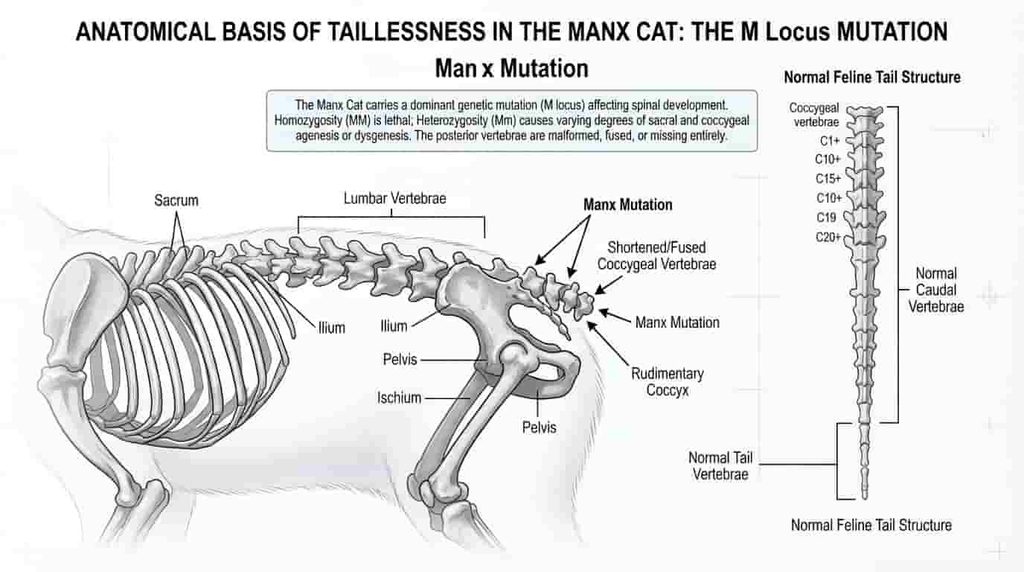
Understanding why these cats lack tails requires a look at basic feline genetics and developmental biology.
The genetics behind the Manx tail
Taillessness is caused by an autosomal dominant gene ($M$). A cat carrying one copy of the mutated gene ($Mm$) will express tail shortening or complete taillessness. However, the gene is a lethal allele in its homozygous form ($MM$). When a kitten inherits two copies of the mutated gene (one from each parent), the developmental abnormalities are too severe, causing the embryo to die early in utero. Therefore, all living tailless individuals are heterozygous ($Mm$).
Why don’t all Manx cats look identical?
The $M$ gene features variable expressivity. This means that even within the same litter, the gene can suppress tail development to varying degrees, resulting in the four distinct tail types ranging from Rumpy to Longy.
Does having no tail affect movement?
Cats normally use their tails for high-speed balance adjustments. However, these cats compensate effortlessly using their powerful, elongated hind legs and strong pelvic muscles. They jump, run, and maneuver with impressive agility and speed.
Why responsible breeding matters
Because breeding two tailless cats together risks producing homozygous ($MM$) embryos or severe spinal defects, ethical breeders carefully cross “Rumpy” cats with “Stumpy” or “Longy” individuals to protect litter health and genetic viability.
Manx Cat Health and Manx Cat Syndrome
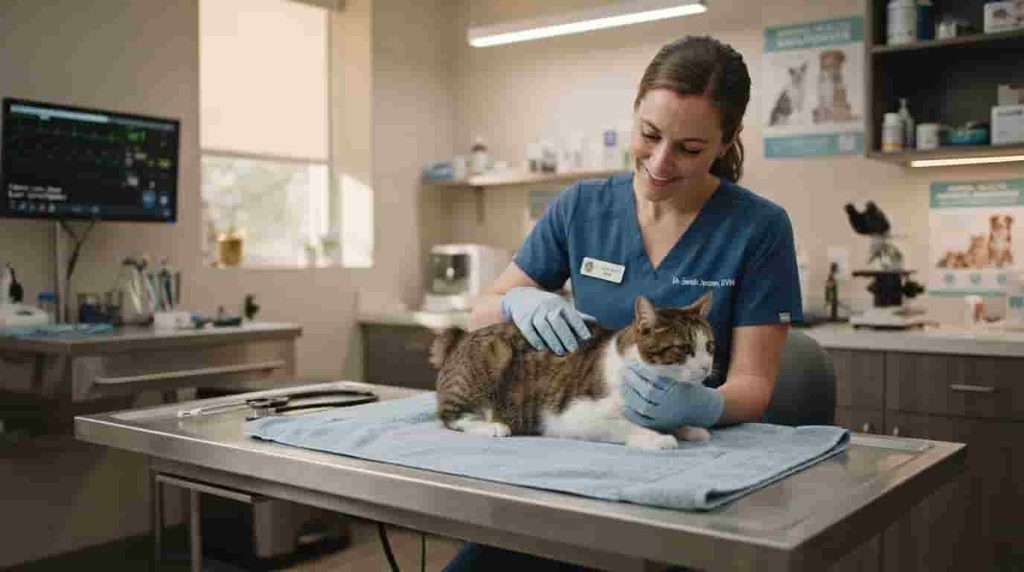
While many individuals live long, vibrant lives, the genetic mutation affecting the tail can sometimes influence broader spinal development.
Do Manx cats have health problems?
The breed is generally robust, but the shortened spine creates potential vulnerabilities that owners must understand. Working with knowledgeable veterinarians ensures early monitoring and proper care.
What is Manx syndrome?
“Manx Syndrome” refers to a group of developmental defects that occur when the mutated tail gene shortens the spinal column too severely. Potential anatomical impacts include:
- Spina bifida (incomplete spinal cord closure).
- Neurological damage affecting bladder or bowel control.
- Partial paralysis or weakness in the hind legs.
- Constipation or digestive impairment due to altered pelvic structure.
These defects usually manifest within the first 3 to 4 months of life. Responsible breeders hold kittens until 12 to 16 weeks of age to ensure proper spinal health before rehoming.
Signs owners should watch for
Prospective owners should monitor kittens for:
- A stiff, awkward, or hopping hind-leg stride.
- Difficulty jumping or climbing low barriers.
- Fecal or urinary incontinence.
- Sensitivity or pain around the lower spine and rump.
When should a Manx cat see a veterinarian?
Contact a veterinarian immediately if you observe sudden mobility changes, elimination problems, weight loss, or signs of back discomfort.
Can responsible breeding reduce risk?
Yes. Health-conscious breeders screen bloodlines, introduce long-tailed individuals to maintain spinal length, and provide clean health clearances, greatly reducing the incidence of severe spinal defects.
Manx Cat Lifespan
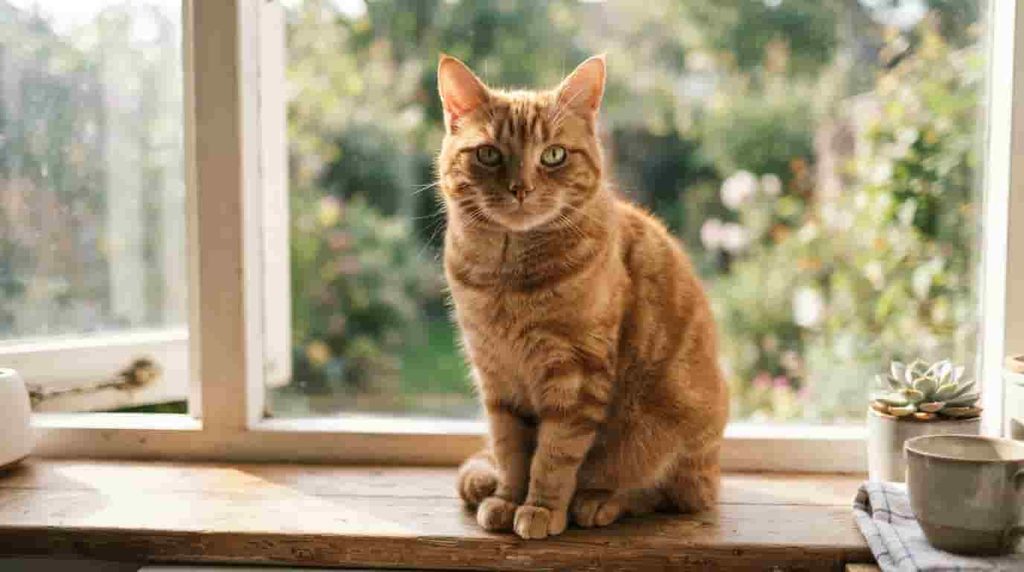
Given proper nutrition, indoor safety, and routine health checks, these cats enjoy a lifespan comparable to most domestic breeds.
- Average Lifespan: 12 to 16 years
What can affect a Manx cat’s lifespan?
- Spinal Health: Absence of early developmental spinal defects.
- Weight Management: Preventing obesity is vital, as extra weight puts severe stress on a shortened spine.
- Indoor Lifestyle: Keeping cats indoors shields them from traffic, toxins, and infectious diseases.
- Preventative Care: Regular vaccinations, parasite control, and dental cleanings.
How owners can support healthy aging
Provide orthopedic beds, easy-to-access litter boxes with low entry thresholds, and regular joint-support supplements under veterinary guidance as your cat reaches senior years.
Manx Cat Care Guide

Providing exceptional daily care involves balancing diet, physical exercise, and grooming routines suited to their physical build.
Feeding and nutrition
Because of their stocky build, these cats gain weight easily. Excess weight increases strain on their spine and hind joints.
- Diet: Feed high-quality, meat-first commercial diets rich in protein and essential fatty acids.
- Portion Control: Measure meals daily based on age and activity level; avoid free-feeding dry kibble.
- Hydration: Provide fresh water fountains to support urinary tract health.
Exercise and enrichment
Keep your cat active with daily play sessions:
- Use wand toys and laser pointers to engage pouncing instincts.
- Provide sturdy, low-impact climbing trees and window perches.
- Offer interactive puzzle feeders to stimulate their sharp minds.
Grooming
Their dense double coat requires regular attention:
- Brush 2 to 3 times weekly with a stainless-steel comb or slicker brush to remove loose undercoat hair.
- Trim claws every 2 to 3 weeks.
- Inspect ears weekly for wax build-up or debris.
- Brush teeth regularly with feline-safe toothpaste.
Common Manx care mistakes
- Pressing on the Rump: Never apply downward pressure on the base of the spine, where nerve endings may be sensitive.
- Overfeeding: Allowing the cat to become overweight impairs mobility.
- Rough Handling: Always support the hindquarters fully when picking up or holding the cat.
How Much Does a Manx Cat Cost?

Purchasing or adopting a cat involves initial purchase fees as well as long-term care budgeting.
How much does a Manx cat cost?
A kitten from an ethical, registered breeder typically costs between $800 and $1,800 USD. Prices vary based on:
- Tail Type: “Rumpy” show-quality kittens command higher prices than “Stumpy” or “Longy” kittens.
- Pedigree & Registration: CFA/TICA registration papers and champion bloodlines increase cost.
- Breeder Screening: Inclusion of health guarantees, vaccinations, and microchipping.
What other costs should owners expect?
- Initial Supplies (Carrier, Litter Box, Toys): $150 – $300
- Annual Veterinary Visits & Vaccines: $200 – $400
- Monthly Food & Litter: $50 – $80
- Grooming Tools: $25 – $50
Manx cat for sale vs adoption
Buying from a reputable breeder offers pedigree certainty and health screening, while adopting gives a cat in need a loving home at a lower cost.
Manx Cat Adoption: What Prospective Owners Should Know
Adoption is a wonderful path to feline companionship, though finding a purebred in local shelters requires patience.
Where can you find a Manx for adoption?
- Local humane societies and animal shelters.
- Breed-specific rescue organizations and feline adoption networks.
- Online adoption portals filtering by breed traits.
Questions to ask before adopting
- Has the cat been evaluated by a veterinarian for spinal integrity?
- Does the cat exhibit normal bowel and bladder control?
- How does the cat interact with children, dogs, and other cats?
- Is the cat accustomed to an indoor lifestyle?
If you are comparing low-maintenance, unique-looking companions, you may also want to explore the Scottish Straight Cat: Price, Personality, Colors, Temperament and Care or learn about ear-structure considerations in our guide on the Scottish Fold Cat: Price, Personality, Health Issues and Care Guide
How Can You Tell If Your Cat Is a Manx?
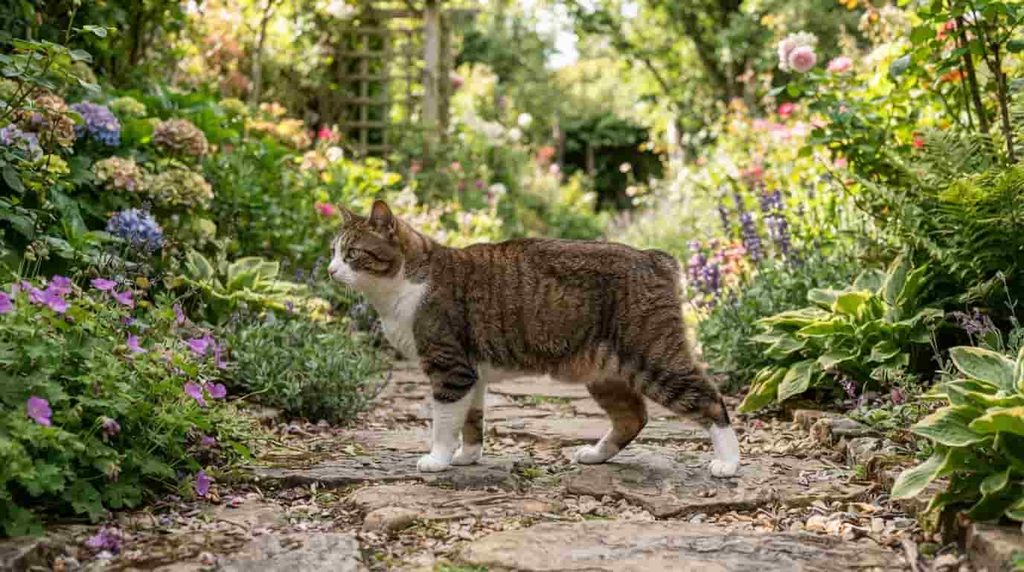
Many domestic cats lose tails due to injury, meaning taillessness alone does not confirm breed heritage.
Look at more than the tail
A true representative of the breed exhibits:
- Hind legs noticeably longer than forelegs.
- A rounded head, broad chest, and short back sloping up to the rump.
- A dense, double-layered coat.
- A distinct “bunny-hop” gait when running fast.
Can appearance alone confirm breed?
Visual traits offer strong clues, but only official pedigree registration documents or genetic DNA testing can definitively confirm purebred status.
Manx Cat vs Cymric Cat
Because these two breeds are genetically linked, comparing their core features helps clarify their differences.
| Feature | Manx Cat | Cymric Cat |
| Coat Length | Short, dense double coat | Long, flowing double coat |
| Grooming Needs | Moderate (2-3 times weekly) | High (3-4 times weekly) |
| Tail Types | Rumpy, Riser, Stumpy, Longy | Rumpy, Riser, Stumpy, Longy |
| Body Build | Compact, muscular, rounded | Compact, muscular, rounded |
| Temperament | Loyal, intelligent, dog-like | Loyal, intelligent, sweet |
Which breed is right for you?
Choose the short-haired variety if you prefer straightforward coat maintenance, or opt for the long-haired variant if you enjoy lush, flowing fur and don’t mind extra combing.
Is a Manx Cat Right for You?
A Manx may suit you if you:
- Want an affectionate, loyal companion that stays close to the family.
- Enjoy intelligent cats that can learn games, fetch, and trick routines.
- Are prepared to support lower-body health with weight management.
- Desire a friendly pet that gets along well with children and other pets.
Think carefully if you:
- Want an independent, low-interaction feline.
- Are unprepared for potential genetic health screenings or veterinary care.
- Cannot commit time to regular exercise and interactive play.
Quick owner checklist
- [ ] Budget set for quality food and routine veterinary visits.
- [ ] Safe indoor environment with sturdy scratching posts.
- [ ] Time for daily play and weekly grooming sessions.
- [ ] Understanding of proper, supportive handling techniques.
Frequently Asked Questions About Manx Cats
Why do Manx cats not have tails?
They lack tails due to a naturally occurring autosomal dominant gene ($M$) that suppresses normal tail vertebra development during embryonic growth.
Do Manx cats have health problems?
While generally healthy, some individuals can develop “Manx Syndrome,” a condition where spinal shortening causes neurological, bowel, or mobility issues.
How rare is a Manx cat?
Purebred individuals from registered, health-screened breeders are relatively rare, often requiring placement on breeder waiting lists.
How long do Manx cats live?
With quality care, proper nutrition, and an indoor lifestyle, they typically live between 12 and 16 years.
How much does a Manx cat cost?
Purebred kittens from ethical breeders generally cost between $800 and $1,800 USD, while shelter adoption fees range from $75 to $200 USD.
Conclusion — Manx Cat
The Manx Cat is a truly remarkable breed that combines a historic heritage, striking tailless appearance, and a warm, dog-like personality. Their intelligence, loyalty, and gentle nature make them unforgettable companions for individuals and families alike. While their unique spinal genetics require informed care, proper weight management, and responsible breeding choices, the love and devotion they return is unmatched.
If you are ready to offer a supportive home, interactive play, and attentive healthcare, this extraordinary feline will reward you with years of devoted companionship. Do you currently share your home with a Manx cat, or are you planning to adopt one soon? Share your stories and questions in the comments below!