Scottish Straight Cat: Price, Personality, Colors, Temperament and Care
Introduction:
Scottish Straight Cat companion seekers often discover this captivating feline while exploring the world of Scottish cat breeds. Possessing an endearing, rounded face, expressive eyes, and upright ears, the Scottish Straight is a distinctive pedigree cat that shares a close genetic heritage with the famous Scottish Fold. While many casual pet lovers assume that all Scottish cats carry folded ears, the straight-eared variety is a foundational pillar of the breed line. It possesses its own charming physical traits, engaging personality, and delightful temperament.
Understanding the full scope of this feline before bringing one into your home is essential for any prospective owner. From their plush coats available in a spectrum of colors to their calm, adaptable nature, these cats make wonderful family members. However, like any purebred cat, they require thoughtful care, balanced nutrition, and responsible sourcing. This comprehensive guide covers everything you need to know about the Scottish Straight—including physical characteristics, temperament, size, health considerations, lifespan, pricing, adoption options, and everyday care—to help you determine if this sweet-tempered feline is the right fit for your lifestyle.
What Is a Scottish Straight Cat?
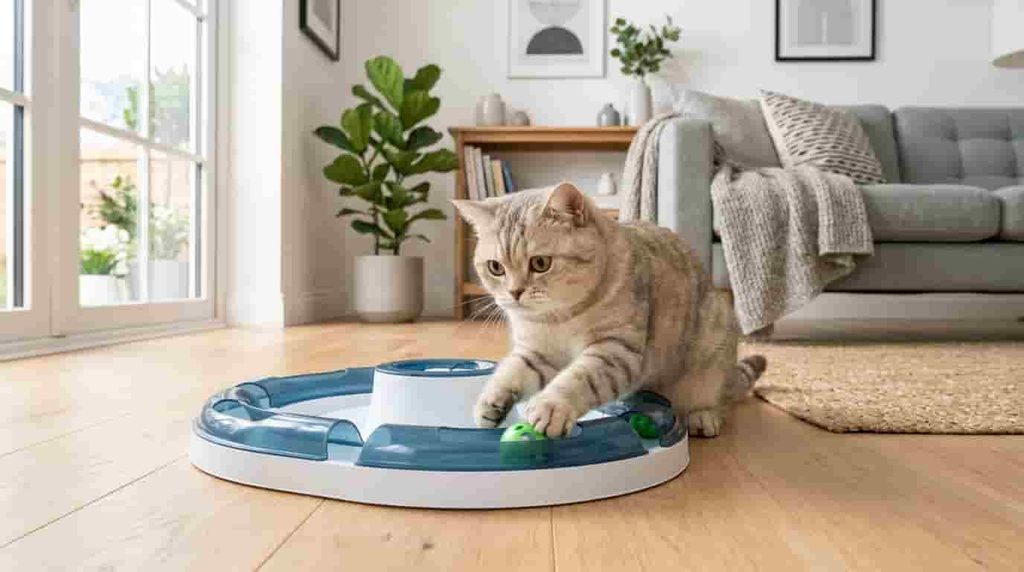
The Scottish Straight Cat is a domestic cat breed known for its rounded head, plush coat, compact build, and—most notably—its naturally erect, upright ears. It belongs to the broader Scottish cat breed family, developing alongside the Scottish Fold through identical ancestral bloodlines.
Understanding the Scottish Straight breed
While famous for sharing litters with folded-eared kittens, the straight-eared variety carries two copies of the normal, non-mutated ear gene. This means their ears stand perkily upright, framing a wide, open face that highlights their large, circular eyes. Major cat registries around the world, including The International Cat Association (TICA), recognize the breed as a distinct, valuable pedigree line essential for maintaining genetic diversity.
Why are Scottish Straight cats related to Scottish Folds?
Every Scottish cat line traces back to Susie, a barn cat discovered in Scotland during the 1960s with a spontaneous genetic mutation that folded her ears. When breeding Scottish Folds, breeders must outcross folded-eared cats with straight-eared cats to prevent severe skeletal deformities in offspring. As a result, litters naturally contain both folded-eared kittens and straight-eared kittens. The straight-eared kittens are born as Scottish Straights, sharing the exact same body shape, plush coat, and sweet disposition as their folded-eared siblings.
Is a Scottish Straight a British Shorthair?
Although they share physical similarities, a Scottish Straight is not a British Shorthair. The confusion often arises because British Shorthairs were historically used in outcrossing programs to develop the Scottish line, resulting in both breeds possessing dense coats and round cheeks. However, the Scottish Straight features a lighter bone structure, a more flexible body, and distinct facial proportions that set it apart as an independent pedigree.
Scottish Straight Cat Appearance and Characteristics
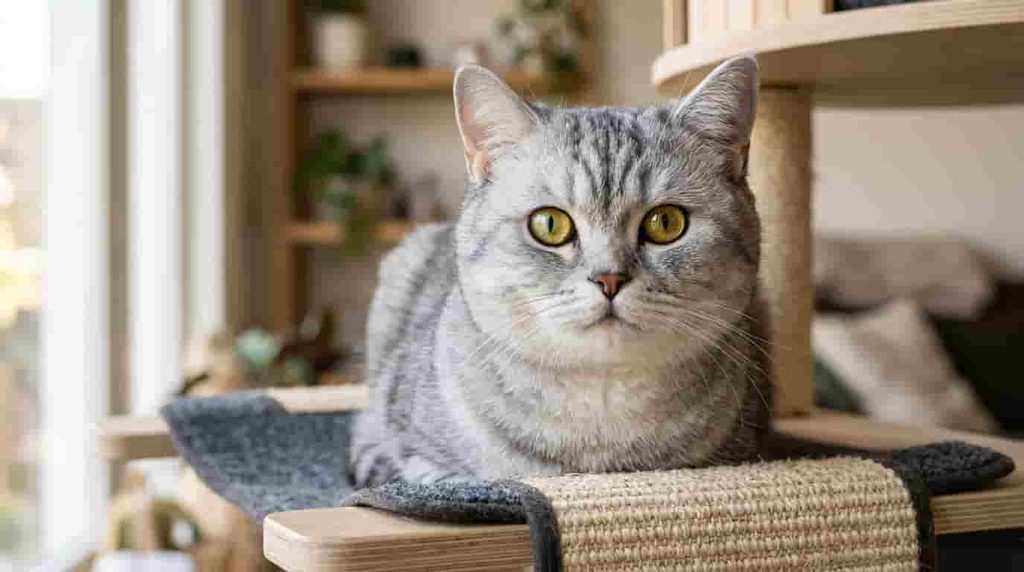
The overall aesthetic of the breed is centered around roundness and balance. From their facial contours to their sturdy paws, these cats are designed with soft, gentle lines.
What does a Scottish Straight cat look like?
A quick look at this feline reveals an exceptionally sweet expression, often described as teddy-bear-like. Key visual traits include:
- Ears: Medium-sized, set wide apart, standing straight and upright with slightly rounded tips.
- Head: Well-rounded with full cheeks, prominent whisker pads, and a short, broad muzzle.
- Eyes: Large, broad, and round, giving the cat a wide-awake and inquisitive expression.
- Body: Medium-sized, muscular, and sturdy with a level back and broad chest.
- Coat: Incredibly soft, plush, and dense, standing slightly away from the body due to a thick undercoat.
Scottish Straight cat body type
The body build is compact to medium in scale, striking a balance between athletic power and sturdy comfort. Their legs are medium in length, ending in round, neat paws. The tail is medium to long, flexible, and tapers slightly toward a rounded tip. Unlike some heavier domestic breeds, their frame is lithe enough to allow graceful movement while retaining a solid, cuddly appearance.
Scottish Straight cat colors
This breed boasts an astonishing variety of coat colors and patterns. Because their genetic pool includes diverse outcrosses, you can find them in virtually every recognized feline pattern:
- Solid Colors: Classic blue (gray), pure white, jet black, cream, red, and chocolate.
- Tabby Patterns: Classic, mackerel, and spotted tabbies in silver, brown, blue, and red tones.
- Bicolor & Calico: Striking combinations of white mixed with solid or tabby patches.
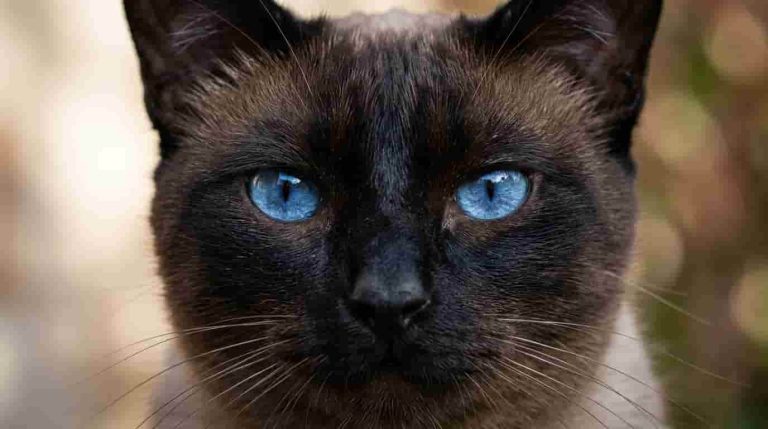
- Colorpoint: Featuring darker points on the ears, face, paws, and tail paired with a lighter body coat.
Scottish Straight cat long hair vs short hair
While the short-haired variety is the most common, long-haired individuals—often referred to as Scottish Straight Longhairs or Highland Straights—are equally captivating. The short-haired coat is low-maintenance, requiring only weekly brushing to remove loose hair. The long-haired coat features a luxurious, plume-like tail, neck ruff, and toe tufts, requiring brushing two to three times a week to prevent mats and tangles.
Scottish Straight Cat Size and Growth
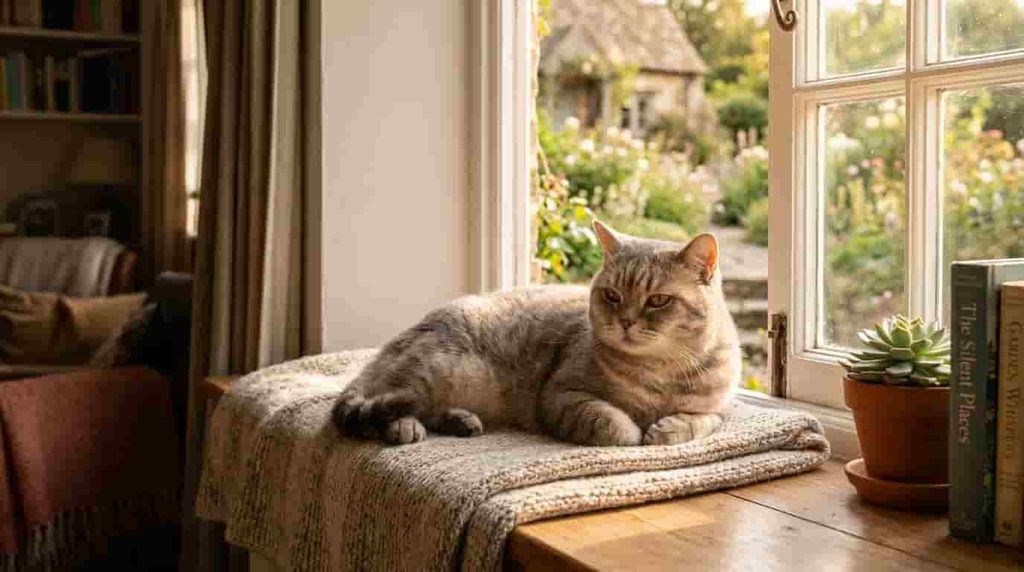
Understanding the physical development of these cats helps owners prepare appropriate living spaces, scratching posts, and nutritional plans throughout their growing years.
How big does a Scottish Straight cat get?
As a medium-sized breed, adult weights typically range as follows:
- Males: 9 to 13 pounds (4.0 to 5.9 kg)
- Females: 6 to 9 pounds (2.7 to 4.0 kg)
An adult stands approximately 8 to 10 inches tall at the shoulder. They mature at a slow, steady rate, often taking up to two to three years to reach their full physical frame, muscular density, and adult coat thickness.
Scottish Straight kittens
Scottish Straight kittens are born with straight ears, as all kittens in a Scottish litter appear to have straight ears at birth. Between three and four weeks of age, breeders can determine which kittens carry the folding gene and which will remain straight-eared. Prospective owners should focus on choosing kittens that show vibrant energy, clear eyes, social curiosity, and solid physical growth rather than selecting based on coat color alone.
Scottish Straight Cat Personality and Temperament
While their adorable appearance attracts many admirers, it is the Scottish Straight cat personality that turns first-time owners into lifelong enthusiasts. Their temperament is characterized by gentle affection, calm curiosity, and steady adaptability.
What is a Scottish Straight cat’s personality like?
These cats are known for having an even-tempered, easygoing disposition. They enjoy being active participants in household life without becoming overly demanding or noisy.
- Affectionate: They form deep, lasting bonds with their human companions and enjoy resting nearby.
- Calm and Quiet: They communicate through soft, musical chirps rather than loud, persistent meowing.
- Playful: They retain a youthful curiosity throughout adulthood, enjoying puzzle toys and feather wands.
- Adaptable: They handle household changes, visitors, and new environments with minimal stress.
Do Scottish Straight cats like to cuddle?
Yes, many enjoy cuddling, but their style of affection is often subtle and respectful of personal space. Rather than demanding to sit directly on your face, a Scottish Straight prefers to curl up right next to your thigh, rest on your lap while you read, or follow you from room to room to sit on a nearby cushion. Every individual cat has a unique personality, but most show immense warmth without being overly clingy.
Are Scottish Straight cats good family pets?
They make superb family pets. Their patient and tolerant nature allows them to thrive in homes with children, provided the children are taught to handle animals gently. They also integrate smoothly into multi-pet households, easily making friends with cat-friendly dogs and other felines after gradual, proper introductions.
Are Scottish Straight cats intelligent?
These cats possess a quiet intelligence. They enjoy interactive toys that challenge their problem-solving skills, such as treat mazes and food puzzles. Many can easily learn simple commands, retrieve thrown toys, or adapt to harness walking with positive reinforcement training.
Scottish Straight Cat History and Breed Background
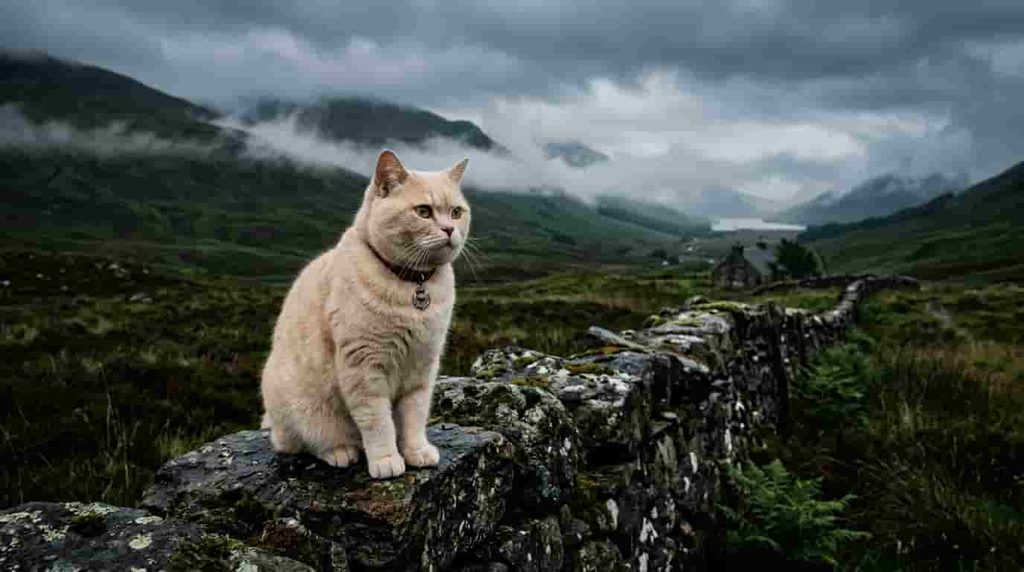
The history of the breed is inextricably linked to the development of the Scottish Fold in 20th-century Europe.
Where did the Scottish Straight originate?
The breed traces its origins back to Perthshire, Scotland, in 1961. A shepherd named William Ross discovered a white barn cat named Susie who possessed unique folded ears. When Susie had kittens, two carried folded ears, and others had straight ears. Ross registered the line with the Governing Council of the Cat Fancy (GCCF) in the United Kingdom, initiating the development of the formal Scottish breed.
How did the Scottish Straight become recognized?
As geneticists studied the breed, they realized that breeding two folded-eared cats together produced severe skeletal defects in kittens. To protect the health of the bloodlines, outcrossing with straight-eared cats became standard practice. Geneticists recognized that the straight-eared offspring were vital to maintaining a healthy gene pool. Over time, major international associations formally recognized the Scottish Straight as an official breed in its own right, eligible for championship status.
Scottish Straight vs Scottish Fold connection
Because the two varieties arise from the exact same litters, understanding one requires understanding the other. For a detailed exploration of the folded-eared counterpart, including genetics and specific health considerations, refer to our complete Scottish Fold Cat: Price, Personality, Health Issues and Care Guide
Scottish Straight Cat vs Scottish Fold
Comparing these two closely related felines clarifies why many prospective owners specifically choose the straight-eared variety.
| Feature | Scottish Straight Cat | Scottish Fold Cat |
| Ear Structure | Normal, upright, erect ears | Folded forward and downward ears |
| Ear Gene Expression | Two copies of normal gene ($fd/fd$) | One copy of folded gene ($Fd/fd$) |
| Risk of Osteochondrodysplasia | Low / standard feline risk | Present (requires ongoing monitoring) |
| Head Appearance | Round face framed by perky ears | Round, “owl-like” seamless circle |
| Temperament | Gentle, calm, affectionate | Gentle, calm, affectionate |
| Grooming Needs | Weekly brushing (Shorthair) | Weekly brushing (Shorthair) |
What is the biggest difference?
The defining difference lies entirely in ear morphology and underlying cartilage development. Scottish Folds carry a dominant gene mutation ($Fd$) that affects cartilage throughout the body, causing the ears to fold forward. Scottish Straights do not carry this mutation, meaning their cartilage develops normally, resulting in perky, upright ears.
Which one is right for you?
If you adore the sweet, rounded facial structure and calm temperament of Scottish cats but prefer a pet without cartilage mutations, the Scottish Straight is an exceptional choice. They offer all the affectionate charm of the breed line while featuring standard feline ear genetics.
Scottish Straight Cat Health and Common Concerns
When evaluating any pedigree feline, health is a primary consideration. Fortunately, because Scottish Straights lack the folded-ear cartilage mutation, they are free from the severe joint condition known as osteochondrodysplasia that can affect Scottish Folds. However, like all domestic cats, they require attentive healthcare and preventative monitoring.
Are Scottish Straight cats healthy?
Generally, they are sturdy, healthy animals with robust constitutions. Because ethical breeders maintain careful breeding protocols, Scottish Straights enjoy excellent mobility and healthy cartilage development throughout their lives.
What health problems should owners know about?
According to veterinary health resources such as the Cornell University College of Veterinary Medicine , general feline health concerns that can occasionally affect this breed include:
- Hypertrophic Cardiomyopathy (HCM): The most common form of heart disease in cats, characterized by an abnormal thickening of the heart muscle. Responsible breeders conduct echocardiograms on breeding stock to screen for this condition.
- Polycystic Kidney Disease (PKD): An inherited condition where fluid-filled cysts form in the kidney tissue. Genetic testing allows breeders to clear parent cats before mating.
- Periodontal Disease: Dental plaque and tartar build-up can lead to gum disease if routine oral hygiene is neglected.
- Obesity: Due to their relatively calm, indoor lifestyle, they can gain weight easily if their food intake is not carefully managed.
What should owners watch for?
Owners should monitor their pet for subtle health warning signs, including:
- Lethargy or sudden decreases in daily activity.
- Changes in appetite or unexplained weight loss.
- Increased thirst or changes in litter box habits.
- Bad breath, red gums, or difficulty chewing food.
- Respiratory distress or open-mouthed breathing after light exercise.
When should a Scottish Straight see a veterinarian?
Schedule a veterinary examination immediately if your cat displays persistent vomiting, sudden mobility changes, difficulty urinating, or prolonged lethargy. Regular preventative check-ups should occur annually for young adult cats and bi-annually for senior cats.
Why does responsible breeding matter?
Purchasing from a reputable breeder who performs genetic screening for PKD and cardiac evaluations for HCM ensures that your kitten arrives with the best possible foundation for a long, healthy life.
Scottish Straight Cat Lifespan
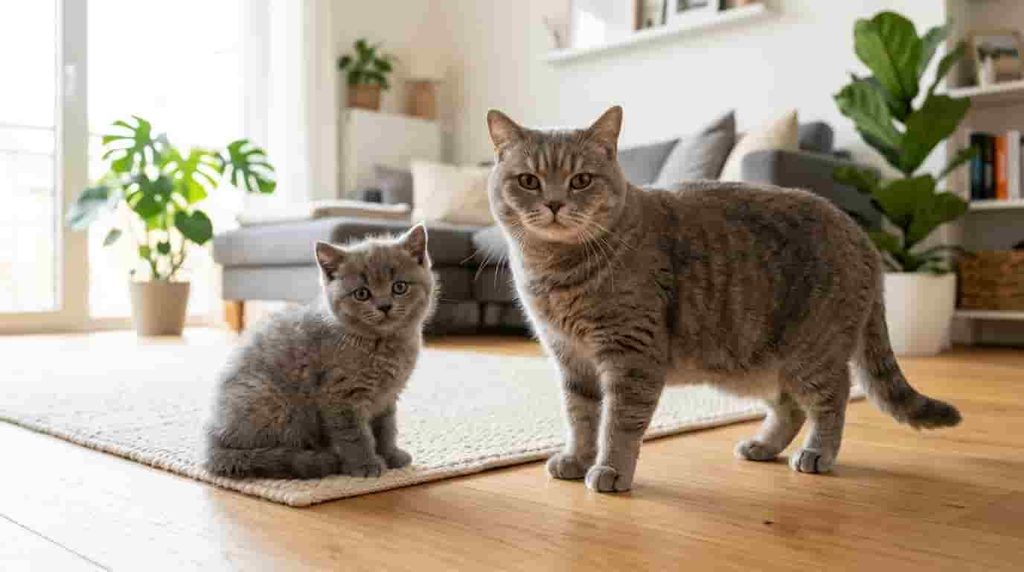
With appropriate nutrition, a safe home environment, and regular veterinary care, these cats enjoy a long, fulfilling life.
- Average Lifespan: 12 to 16 years
What affects lifespan?
Several everyday factors influence how long your cat will stay healthy and active:
- Weight Control: Maintaining a lean, healthy body weight prevents diabetes and joint stress.
- Indoor Safety: Keeping cats indoors shields them from vehicle accidents, infectious diseases, and territorial fights.
- Preventative Care: Timely vaccinations, routine parasite prevention, and professional dental cleanings extend life expectancy.
- Mental Well-being: Daily interaction, environmental enrichment, and a low-stress home environment promote overall health.
Scottish Straight Cat Care Guide
Providing excellent care involves setting up daily routines that cater to their physical build, coat type, and mental engagement needs.
Feeding and nutrition
Feed a high-quality, meat-focused diet designed for indoor cats.
- Protein: Look for named animal proteins (such as chicken, turkey, or salmon) as the primary ingredient.
- Portion Management: Measure daily meals using a standard measuring cup or food scale rather than free-feeding dry food.
- Moisture: Incorporate high-moisture canned wet food into their diet to support kidney and urinary tract health.
- Fresh Water: Provide clean, filtered water daily, ideally using a circulating pet fountain to encourage drinking.
Exercise and enrichment
Despite their calm nature, daily movement is essential to maintain muscle tone and prevent weight gain:
- Engage in two 15-minute interactive play sessions daily using wand toys or laser pointers.
- Provide sturdy scratching posts wrapped in sisal rope.
- Set up a window perch where your cat can watch birds and outside activity.
- Offer food puzzle toys to stimulate their hunting instincts during mealtime.
Grooming
Grooming care depends on whether your cat has short or long hair:
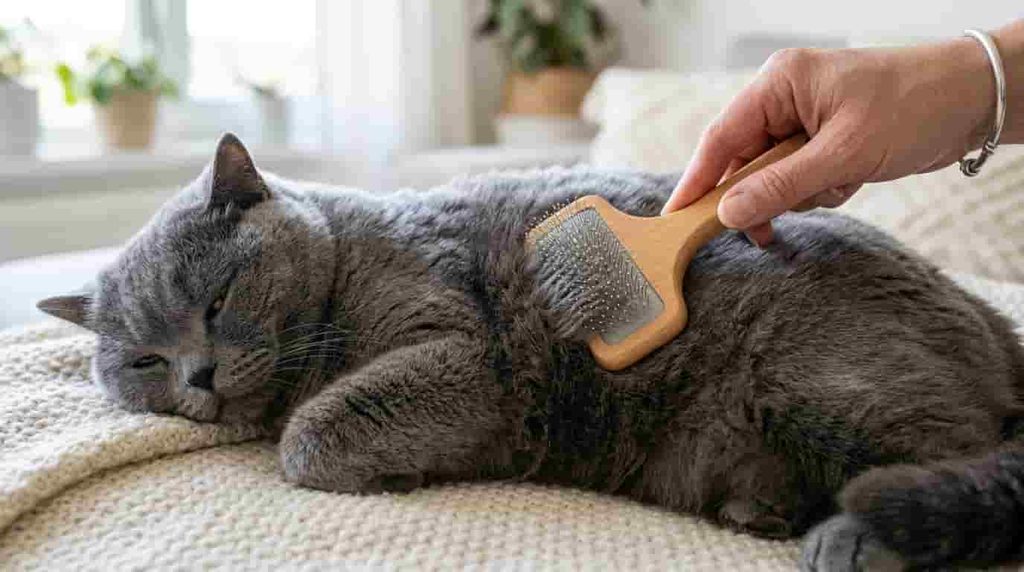
- Shorthair: Brush once a week with a slicker brush or rubber grooming mitt to clear loose hair and reduce hairballs.
- Longhair: Brush two to three times a week with a stainless-steel comb to prevent mats in the armpits and hindquarters.
- Nail Care: Trim the sharp tips of their claws every two to three weeks using cat-safe nail clippers.
- Ear Cleaning: Inspect upright ears weekly for wax, debris, or redness; wipe gently with a damp cotton ball if needed.
- Dental Care: Brush teeth several times a week using feline-formulated toothpaste.
Common care mistakes
- Overfeeding Kibble: Leaving large bowls of dry food out leads directly to feline obesity.
- Ignoring Dental Health: Neglecting oral care can result in painful tooth extractions later in life.
- Using Unstable Furniture: Tall, top-heavy cat trees can tip over, scaring or injuring your pet; always select sturdy, broad-based trees.
How Much Does a Scottish Straight Cat Cost?
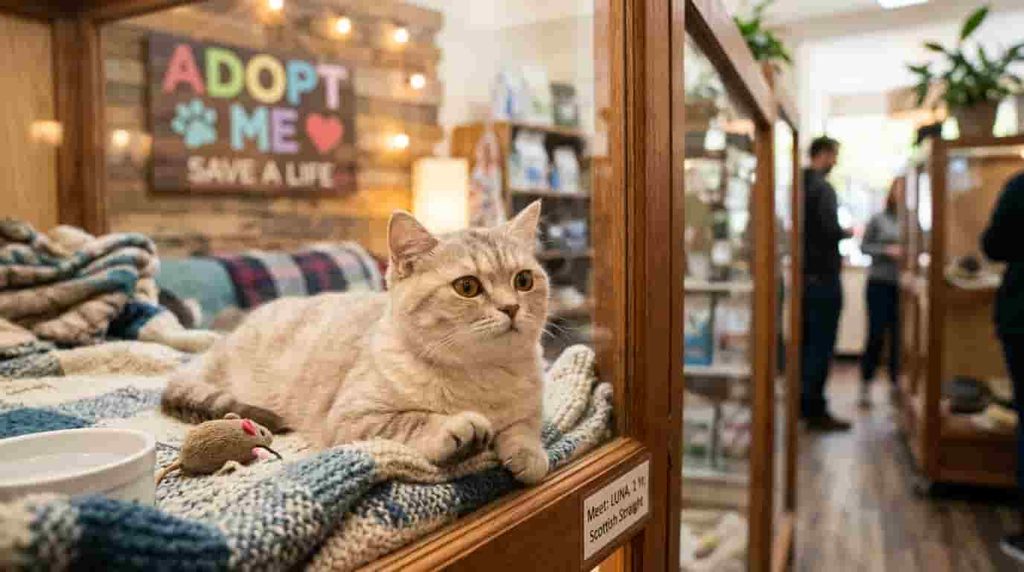
Understanding the costs associated with purchasing and raising a pet allows you to plan your budget responsibly.
How much does a Scottish Straight cat cost?
From a reputable, registered breeder, a Scottish Straight kitten typically costs between $800 and $1,500 USD. Prices vary depending on several key factors:
- Pedigree & Registration: Kittens with full TICA or CFA registration papers from champion lines cost more.
- Coat Color & Pattern: Rare colors or striking colorpoint patterns may command higher prices.
- Health Screening: Breeders who invest in genetic testing and cardiac ultrasounds include these costs in kitten pricing.
Scottish Straight cat price vs total ownership cost
The initial purchase price represents only a portion of the long-term financial commitment. Prospective owners should budget for ongoing expenses:
- Initial Supplies (Litter box, carrier, bed, posts): $150 – $300
- Annual Veterinary Visits & Vaccines: $200 – $400
- Monthly Food & Litter: $50 – $80
- Grooming Supplies: $20 – $40
- Emergency Veterinary Fund / Pet Insurance: $30 – $60 per month
Scottish Straight cat for sale: what should you check?
When looking for a kitten for sale, avoid online red flags such as prices that seem too good to be true, sellers who refuse to show the mother cat, or breeders who cannot provide veterinary health records. Always ask for written proof of genetic health screenings for parent cats.
Scottish Straight Cat Adoption
Adopting a cat in need of a home is a rewarding alternative to purchasing a kitten from a breeder.
Can you adopt a Scottish Straight cat?
While purebred Scottish cats do not appear in shelters every day, they occasionally become available through local humane societies, breed-specific rescue groups, or rehoming networks. Adults and senior cats are especially likely to be looking for new homes when previous owners move or experience life changes.
Scottish Straight cat for adoption: what should you ask?
When adopting from a rescue or shelter, ask the care team the following questions:
- What is the cat’s known medical history and vaccination status?
- Has the cat been tested for FIV/FeLV?
- How does the cat react to children, dogs, and other cats?
- Are there any known dietary requirements or behavioral quirks?
How Can You Tell If a Cat Is a Scottish Straight?
Many domestic shorthair cats feature rounded faces and plush coats, making visual identification tricky.
Look at the ears, but don’t stop there
While upright ears and a rounded head offer strong visual clues, visual traits alone cannot guarantee purebred heritage. A true representative of the breed displays:
- Wide-set, upright ears that do not flare outward like an Asian Shorthair.
- Distinctly round whisker pads and large, circular eyes.
- A dense double coat with a thick undercoat.
- A compact, solid body frame with medium-length legs.
Confirming pedigree
The only definitive way to confirm that a feline is a purebred Scottish Straight is through official registration papers from an recognized cat organization like TICA or through commercial feline DNA testing. If you adopt a rescue cat that resembles the breed, focus on providing excellent daily care rather than worrying about pedigree documentation.
Popular Scottish Straight Coat Colors and Patterns
The breed’s diverse coat possibilities make them visually stunning. Here is a breakdown of popular color categories:
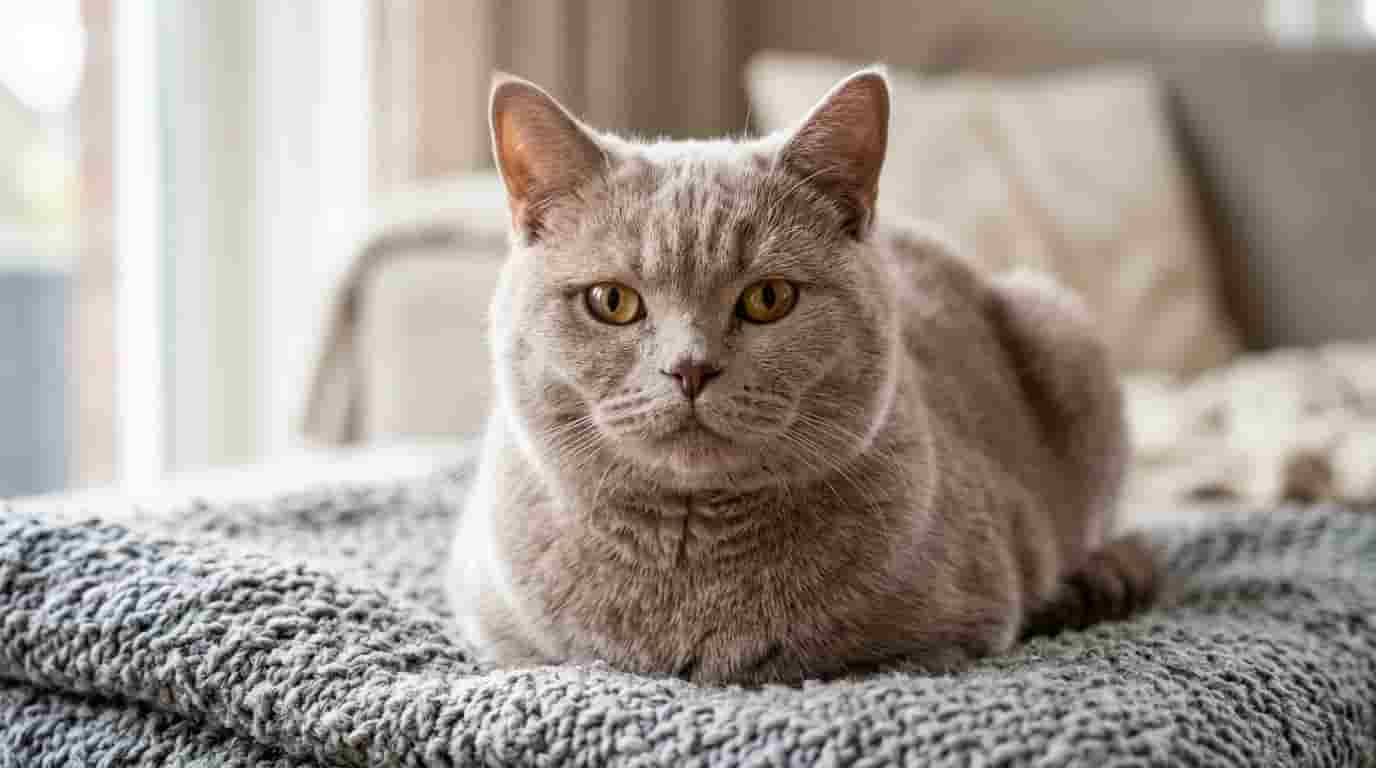
- Blue (Gray): The classic, silver-gray coat paired with striking copper or gold eyes.
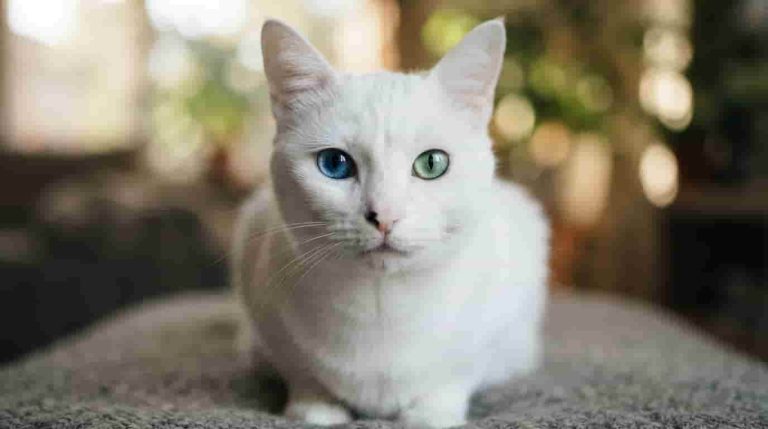
- White: A pristine, snowy coat that can feature blue, gold, or odd eyes.
- Silver Tabby: A pale silver background overlaid with rich, dark black stripes or swirls.
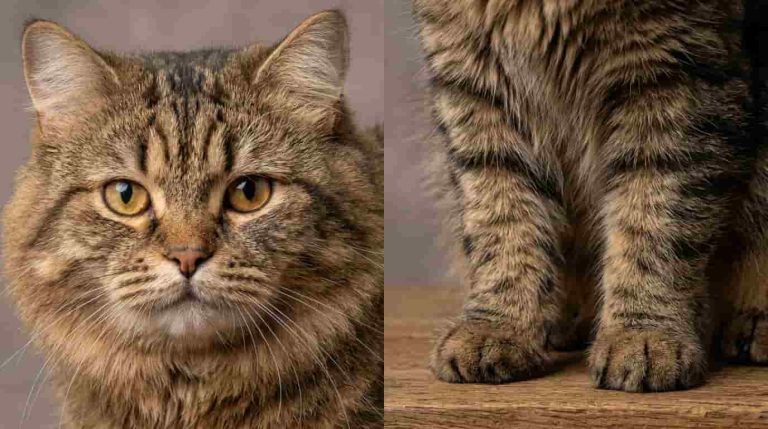
- Brown Tabby: A warm bronze or copper base accented with bold black tabby markings.
- Colorpoint: A creamy white or fawn body featuring darker contrast points on the ears, face, paws, and tail, accompanied by vivid blue eyes.
For cat lovers intrigued by other unique genetic tail and coat variations across island-origin breeds, check out our guides on the short-coated Manx Cat: Personality, Characteristics, Lifespan, Price and Health and its long-haired cousin, the Cymric Cat: Personality, Price, Size, Colors and Breed Guide
Is a Scottish Straight Cat Right for You?
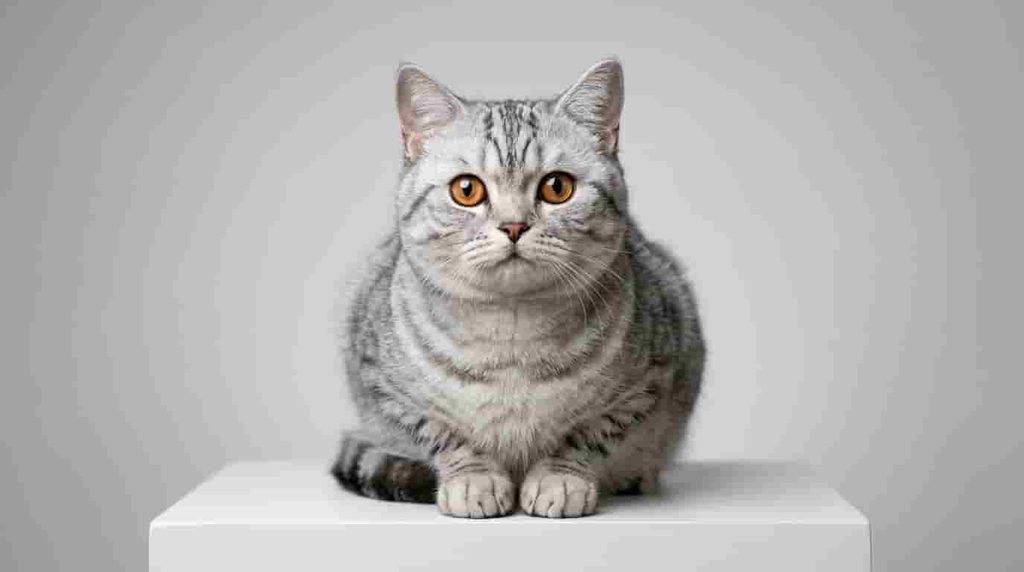
A Scottish Straight may suit you if:
- You want an affectionate, calm companion that forms close family bonds.
- You appreciate a plush, sweet-faced cat with normal, erect ears.
- You are prepared to offer daily play, interactive attention, and routine grooming.
- You want a friendly pet that gets along well with children and other animals.
Think carefully if:
- You want an exceptionally independent, distant pet that requires no daily interaction.
- You are unprepared for regular veterinary care and long-term pet ownership costs.
- You are choosing a pet solely based on social media trends without researching care needs.
Frequently Asked Questions About Scottish Straight Cats
Is Scottish Straight a good cat?
Yes, they make exceptional companions thanks to their calm, affectionate, and adaptable nature. Their sweet disposition allows them to fit seamlessly into busy family homes, quiet single households, and multi-pet environments alike.
How much does a Scottish Straight cat cost?
Purchasing a kitten from a reputable breeder typically costs between $800 and $1,500 USD. Total ownership costs also include initial supplies, high-quality food, litter, and regular veterinary check-ups throughout their life.
Do Scottish Straight cats like to cuddle?
Most love showing affection, though they often prefer resting right beside you on the couch or curling up on your lap on their own terms. They are quietly devoted companions rather than overly clingy pets.
Is a Scottish Straight a British Shorthair?
No, they are distinct breeds despite sharing similar rounded features and dense coats. Scottish Straights possess a lighter body frame, distinct facial proportions, and arise directly from Scottish cat bloodlines.
Are Scottish Straight cats easy to care for?
Yes, they are relatively low-maintenance pets requiring basic care routines. Weekly brushing, a balanced diet, daily interactive play, and annual veterinary visits will keep them healthy and content.
Conclusion — Scottish Straight Cat
The Scottish Straight Cat is a truly charming breed that combines a sweet, rounded appearance with an easygoing, affectionate personality. Their erect ears give them a wide-awake, friendly expression, while their calm temperament makes them a joyful addition to almost any household. By sourcing your pet from a responsible breeder or rescue organization, providing proper nutrition, and staying attentive to their daily care needs, you will gain a loyal, loving companion for many years to come.
Are you currently sharing your home with a Scottish Straight cat, or are you preparing to welcome one into your family soon? Share your experiences, stories, and questions in the comments section below!