Balinese Cat: Personality, Price, Lifespan, Colors and Siamese Differences
Introduction:
Balinese Cat: Personality, Price, Lifespan, Colors and Siamese Differences are essential topics for anyone looking to bring this elegant feline into their home. The Balinese Cat is a long-haired cat breed closely related to the Siamese, known for combining a sleek body structure with a silky coat and a social nature.
Many prospective owners wonder: What is the Balinese Cat personality like? How much does one cost? How long does it live, and what colors can it have? Is it actually different from a Siamese cat? This breed offers a unique combination of a fine-boned build, color-pointed coat, long body, and vocal personality. This article breaks down its appearance, care, price, lifespan, and differences from related breeds.
What Is a Balinese Cat?
The Balinese cat breed at a glance
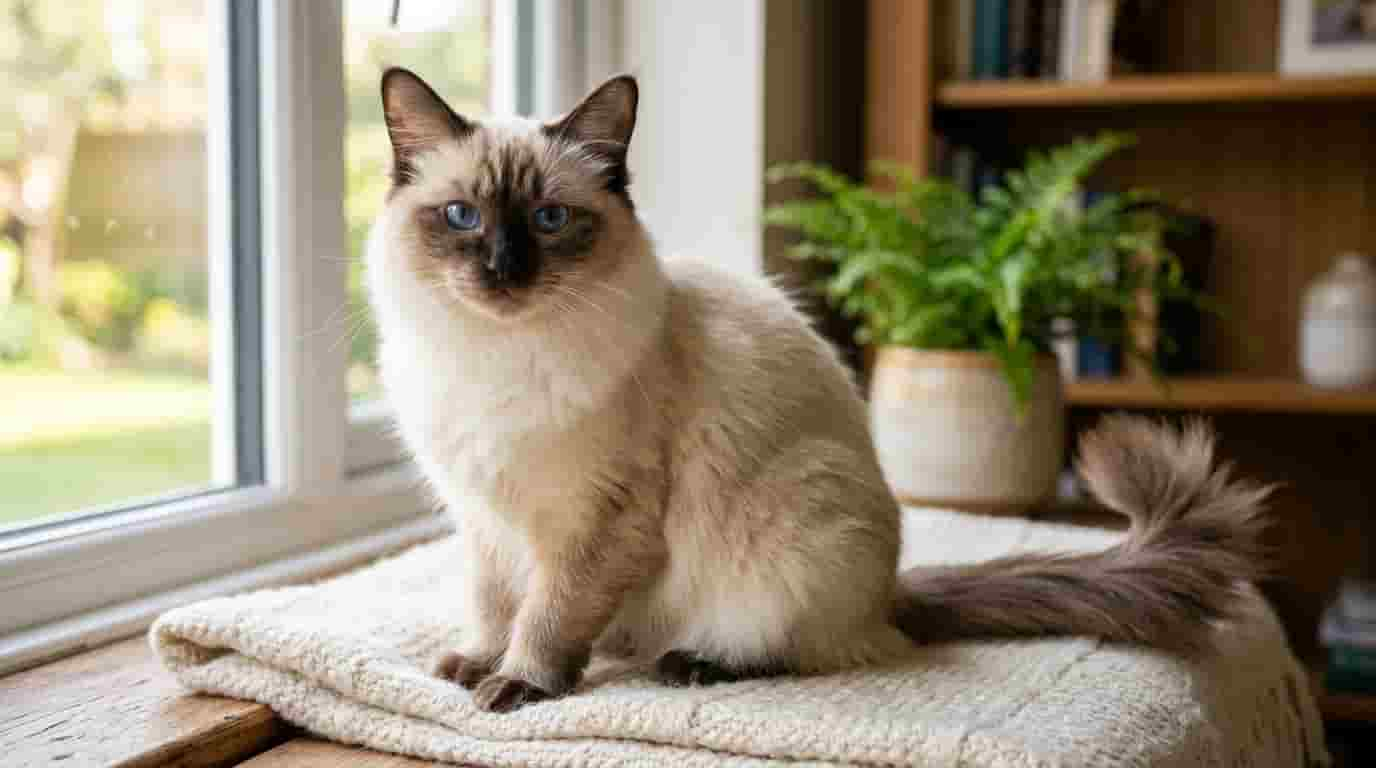
The Balinese Cat is a recognized pedigree feline breed known for its striking color-point coat, sapphire-blue eyes, and medium-length silky hair. Structurally, it maintains the same refined, svelte body type as the modern Siamese, complete with a long torso, fine boning, and a wedge-shaped head. Despite its delicate look, the breed is highly active, demanding regular social interaction, interactive play, and close human companionship.
Why is the breed called Balinese?
Despite what the name suggests, the cat does not originate from the island of Bali. American breeders who developed the breed in the mid-20th century chose the name because the cat’s graceful movements and fluid body structure reminded them of the traditional dancers of Bali. The name was selected to highlight its elegance rather than its geographic origin.
Balinese cat origin and history
The history of the breed stems directly from long-haired kittens that occasionally appeared spontaneously in registered Siamese litters. Initially considered a genetic variation, breeders in the 1940s and 1950s began intentionally breeding these long-haired cats to establish a consistent coat length while preserving the Siamese body type and color points. By the 1960s and 1970s, major cat registries recognized the Balinese as a distinct breed.
What Does a Balinese Cat Look Like?
Body shape and facial features
The physical structure of the Balinese Cat is athletic, lithe, and fine-boned. Key features include:
- Head: A distinct wedge shape tapering in straight lines to a fine muzzle.
- Ears: Unusually large and wide at the base, continuing the line of the wedge.
- Eyes: Deep almond-shaped eyes set at a slant, always displaying a vivid blue color.
- Body: Medium-sized, long, slender, and muscular with long legs and small oval paws.
What makes the coat different?
Unlike many long-haired cat breeds, such as the Persian or Maine Coon, the Balinese Cat lacks a thick, woolly undercoat. Its coat consists primarily of soft, silky single-layer fur that lies close to the body, ending in a plume on the tail. Because there is no dense undercoat to tangle, the coat resists matting and requires far less intensive grooming than other long-haired felines.
Balinese cat colors and patterns
The coat pattern is always color-pointed, meaning the body is a lighter shade while darker pigment appears on the facial mask, ears, legs, feet, and tail. Recognized color variations depend on the registry:
| Registry Category | Color Variations |
| Traditional Colors | Seal Point, Chocolate Point, Blue Point, Lilac Point |
| Javanese Division (Some Registries) | Flame (Red) Point, Cream Point, Tortie Point, Lynx (Tabby) Point |
Temperature plays a role in color intensity; cooler body areas produce darker point coloration, and many cats darken as they age.
What Is the Balinese Cat Personality Like?
Are Balinese cats affectionate?
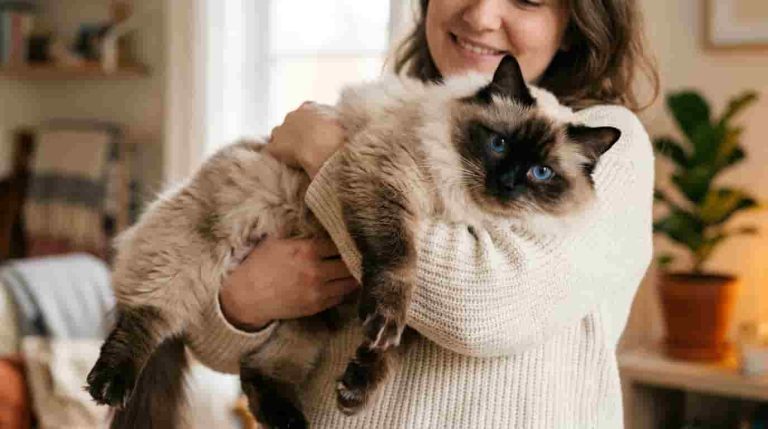
Yes, this breed forms intense, affectionate bonds with human companions. They thrive on attention, frequently following family members from room to room, sitting on laps, and sleeping under covers. They are not independent loners; they prefer being actively involved in daily household activities.
Are Balinese cats intelligent?
The breed ranks among the most intelligent cat breeds. They learn household routines quickly, solve basic problems, and frequently figure out how to open cabinet doors or door handles. They respond well to clicker training, puzzle toys, and games like fetch.
Are Balinese cats active?
These cats retain a playful, energetic disposition well into adulthood. They enjoy high perches, running, jumping, and chasing interactive toys. Without adequate physical and mental stimulation, their energy can lead to unwanted behaviors.
Balinese cat temperament around families and other pets
The temperament makes them well-suited for active households. They generally get along well with respectful children and friendly, cat-tested dogs when introduced properly. Because they are social, they often benefit from having another energetic cat or dog in the home to prevent loneliness.
Are Balinese Cats Good Pets?
Yes, Balinese Cats make excellent pets for households seeking an interactive, highly affectionate, and vocal companion.
Who may enjoy living with a Balinese?
This breed is ideal for owners who:
- Want a cat that communicates vocally and seeks constant interaction.
- Have time every day for structured play, grooming, and affection.
- Enjoy an energetic, curious cat that stays involved in daily tasks.
What can make the breed challenging?
They may not suit every home. Challenges include:
- Vocal Tendencies: They talk frequently with a soft, persistent voice.
- Separation Anxiety: They dislike being left alone for long stretches.
- High Energy: Unstimulated cats may display destructive behaviors out of boredom.
Balinese cats with children and other animals
In family environments, supervise interactions with young children to ensure gentle handling. Providing tall cat trees offers a safe retreat when the cat wants quiet time. Gradual, scent-based introductions help them integrate smoothly with other pets.
Are Balinese Cats Hypoallergenic?
While no cat is 100% hypoallergenic, the Balinese Cat is widely considered one of the better breeds for mild allergy sufferers.
Why people call Balinese cats “hypoallergenic”
Cat allergies are primarily triggered by the Fel d 1 protein present in feline saliva, skin dander, and urine. Research suggests the Balinese Cat produces lower levels of Fel d 1 compared to typical domestic cats. Additionally, their single-layer coat sheds significantly less dander into the home environment.
What should allergy sufferers do before getting one?
Because individual immune responses vary, allergy sufferers should:
- Spend time around adult Balinese cats in a closed environment before committing.
- Monitor for symptoms like sneezing, itchy eyes, or skin reactions.
- Consult an allergist to discuss allergy management strategies.
How Much Does a Balinese Cat Cost?
Balinese cat price
The initial purchase price for a purebred Balinese Cat kitten typically ranges from $1,000 to $2,500 USD. Price variations depend on breeder reputation, lineage, registration quality (pet vs. show quality), location, and included veterinary care.
What does the purchase price usually include?
Reputable breeders generally include:
- Age-appropriate vaccinations and health checks.
- Deworming and early parasite control.
- Microchip installation.
- Registration paperwork or pedigree proof.
- Spay/neuter surgery (or a contract requiring it).
What other costs should owners budget for?
Beyond the purchase price, ongoing ownership costs include:
- First-Year Equipment: Litter boxes, cat trees, scratching posts, carriers ($200–$400).
- Nutrition: High-quality commercial food ($40–$70/month).
- Routine Vet Care: Annual exams, dental checks, parasite prevention ($200–$500/year).
- Emergency Fund/Insurance: Pet health insurance ($30–$60/month).
Are Balinese cats expensive?
While the upfront price is higher than adopting a domestic mixed breed, lifetime care costs align closely with other purebred cats. Investing upfront in a reputable breeder who performs genetic health screenings can reduce long-term medical expenses.
Where Can You Find a Balinese Cat for Sale or Adoption?
Finding a responsible Balinese breeder
When searching for breeders, follow this checklist to ensure ethical practices:
- [ ] Verifies membership with major registries (e.g., CFA, TICA).
- [ ] Provides genetic and health testing records for parent cats.
- [ ] Allows in-person or live video tours of the cattery environment.
- [ ] Offers a written health guarantee and sales contract.
- [ ] Keeps kittens with the mother until at least 12 to 14 weeks of age.
What should you ask before buying a kitten?
Ask the breeder:
- What health screenings have been performed on the parents?
- How have the kittens been socialized in early life?
- What specific food and litter are the kittens currently using?
- What is your policy if the kitten develops a genetic condition?
Balinese cat adoption and rescue
Purebred cats occasionally end up in rescues. Check breed-specific rescues, local animal shelters, and adoption databases like Petfinder. Adopting an adult cat offers a lower adoption fee while giving a deserving animal a loving home.
How Long Does a Balinese Cat Live?
Balinese cat lifespan
The typical lifespan of a Balinese Cat ranges from 15 to 20 years when kept indoors and provided with proper nutrition and medical care. Some individuals exceed 20 years, making them one of the longer-lived feline breeds.
How can owners support a long, healthy life?
Key factors influencing longevity include:
- Keeping the cat strictly indoors to avoid accidents, fight wounds, and infectious diseases.
- Feeding a balanced, protein-rich diet tailored to life stage and activity level.
- Scheduling routine preventive veterinary checkups and vaccinations.
- Maintaining oral hygiene through regular dental care.
What Are the Common Balinese Cat Health Issues?
Health concerns associated with the Siamese-related family
Because the Balinese Cat shares genetic ancestry with the Siamese, it is predisposed to similar health conditions:
- Amyloidosis: A liver condition caused by protein deposits.
- Progressive Retinal Atrophy (PRA): A genetic eye disorder leading to vision loss.
- Hypertrophic Cardiomyopathy (HCM): A common form of feline heart disease.
- Asthma and Respiratory Issues: Sensitivity to dust, smoke, and airborne irritants.
What health signs should owners watch for?
Monitor your cat daily for these symptoms:
- Changes in appetite or unexplained weight loss.
- Lethargy or sudden changes in activity levels.
- Cloudiness in the eyes or difficulty navigating dark rooms.
- Frequent coughing, wheezing, or labored breathing.
When should you call a veterinarian?
Seek immediate veterinary care if your cat displays severe distress, sudden paralysis, inability to urinate, persistent vomiting, or unresponsiveness. Early medical intervention significantly improves long-term treatment outcomes.
How Do You Care for a Balinese Cat?
Balinese cat grooming
Grooming is manageable thanks to the lack of an undercoat.
- Coat Brushing: Brush once or twice a week with a stainless-steel comb or soft slicker brush to remove loose fur and maintain shine. Pay special attention to the feathered tail.
- Nail Trimming: Clip claw tips every two to three weeks.
- Ear Cleaning: Inspect weekly and clean gently with a vet-approved wipe if dirt accumulates.
Dental care
Dental disease is common in cats. Brush their teeth multiple times per week using cat-formulated enzymatic toothpaste (never human toothpaste). Annual professional dental cleanings under veterinary guidance help prevent periodontal disease.
Feeding and nutrition
Provide high-quality wet and dry cat food rich in animal protein. Measure daily portions carefully to prevent obesity, as extra weight puts unnecessary strain on their fine-boned frame. Ensure fresh water is available at all times, ideally using a circulating water fountain.
Home environment
Create an engaging indoor environment:
- Provide tall cat trees and window perches.
- Offer sturdy scratching posts wrapped in sisal rope.
- Place litter boxes in quiet, accessible areas and scoop daily.
How Much Exercise Does a Balinese Cat Need?
Daily physical activity
An active Balinese Cat needs at least 20 to 30 minutes of interactive play daily. Use feather wands, laser pointers, and light balls to encourage running and jumping.
Mental enrichment matters too
Because of their high intelligence, mental stimulation is essential:
- Use food puzzle toys during mealtime.
- Rotate toys weekly to prevent boredom.
- Teach simple tricks, such as “sit,” “high five,” or walking on a harness.
Signs your Balinese may be bored
Boredom manifests through undesirable behaviors:
- Excessive vocalizing or yowling.
- Knocking items off shelves or scratching furniture.
- Pacing, restlessness, or over-grooming.
Balinese Cat vs Siamese: What Is the Difference?
Balinese vs Siamese appearance
| Feature | Balinese Cat | Siamese Cat |
| Coat Length | Medium-long, silky coat | Short, sleek, fine coat |
| Undercoat | None | None |
| Tail | Long and plumed (feathered) | Long, thin, and whip-like |
| Body Build | Lithe, fine-boned, wedge head | Lithe, fine-boned, wedge head |
| Grooming Needs | Weekly combing | Minimal brushing |
Are Balinese cats just long-haired Siamese?
Genetically and structurally, yes. The main factor separating the two breeds is the recessive gene responsible for long hair. However, registries classify them as distinct breeds due to decades of targeted breeding.
Is my cat Siamese or Balinese?
Look closely at the coat and tail. If your cat has a color-pointed pattern, blue eyes, a wedge head, AND a flowing, feathered tail with longer body hair, it is likely a Balinese or Balinese mix. If the coat is short and close-lying, it is a Siamese.
Balinese Cat vs Other Related Breeds
Balinese vs Tonkinese
The Tonkinese is developed by crossing Siamese and Burmese cats. While the Balinese has a slender body and long coat, the Tonkinese has a medium build, short coat, and mink color pattern. For a detailed guide on this breed, read our full article on Tonkinese Cat: Personality, Price, Colors, Lifespan and Siamese Differences
Balinese vs Oriental Shorthair
The Oriental Shorthair shares the exact body shape and vocal temperament of the Siamese family but comes in hundreds of colors and patterns without the traditional color-point restriction. To explore this vocal breed, check out Oriental Shorthair Cat: Price, Personality, Health Issues, Vocal Traits and Care
Balinese Cat Facts Owners Often Get Wrong
Myth: Balinese cats come from Bali
Fact: The breed originated entirely in the United States. The name was chosen purely as an aesthetic tribute to Balinese dancers.
Myth: Hypoallergenic means allergy-free
Fact: No cat is completely non-allergenic. Balinese cats produce less Fel d 1, but sensitive individuals may still experience allergic reactions.
Myth: Long hair means difficult grooming
Fact: Because they lack an undercoat, their hair rarely mats. Grooming a Balinese takes far less effort than grooming a Persian.
Myth: Every Balinese has the same personality
Fact: Breed traits offer general guidelines, but individual environment, early socialization, and genetics shape each cat’s unique temperament.
A Typical Day With a Balinese Cat
(The following is a hypothetical example of a typical routine with an adult Balinese Cat.)
- Morning (7:00 AM – 9:00 AM): Your Balinese greets you with soft vocations, follows you to the kitchen, and eats breakfast. Afterwards, they enjoy 10 minutes of active wand-toy play and a brief coat brushing.
- Afternoon (12:00 PM – 4:00 PM): The cat naps in a warm sunspot on a tall window perch, works on a treat puzzle, and keeps an eye on outside bird activity.
- Evening (6:00 PM – 10:00 PM): When you return home, the cat greets you at the door. After dinner, they join you on the couch, purring loudly and seeking lap time before bed.
This daily rhythm shows that caring for this breed requires ongoing interaction, mental engagement, and social presence.
Balinese Cat Care Checklist
Use this quick checklist to ensure your home meets your cat’s needs:
- ☐ Provide balanced, high-quality feline nutrition.
- ☐ Keep fresh, clean water available daily.
- ☐ Brush the silky coat once or twice weekly.
- ☐ Maintain routine dental brushing and vet dental care.
- ☐ Trim claws every 2 to 3 weeks.
- ☐ Set up vertical spaces, cat trees, and scratching posts.
- ☐ Dedicate 20+ minutes daily to interactive physical play.
- ☐ Offer puzzle feeders for mental enrichment.
- ☐ Schedule yearly preventive veterinary checkups.
- ☐ Keep the cat indoors for safety and health.
Frequently Asked Questions About Balinese Cats
Are Balinese cats good pets?
Yes, they make excellent pets for owners who want an active, loving, and highly communicative cat. They thrive in homes where they receive plenty of daily interaction.
Are Balinese cats expensive?
Initial purchase costs from a reputable breeder range between $1,000 and $2,500. Annual maintenance costs are comparable to most other domestic cat breeds.
Are Balinese cats hypoallergenic?
They produce lower levels of the Fel d 1 protein than average domestic cats, making them easier on some allergy sufferers, though they are not 100% allergy-free.
Do Balinese cats live a long time?
Yes, they are a long-lived breed, frequently reaching 15 to 20 years of age with proper care, nutrition, and regular veterinary checkups.
Are Balinese cats very vocal?
Yes, they inherit the talkative nature of the Siamese breed, though their voice is usually softer and quieter in tone.
Conclusion
The Balinese Cat offers a wonderful mix of long-haired elegance, intelligence, and social affection. From their striking blue eyes and color-pointed coat to their playful temperament and long lifespan, these cats stand out as exceptional companions. While caring for them requires dedicated daily time for play, social bonding, and basic grooming, their loyal companionship makes the effort worthwhile. Whether you buy from a responsible breeder or adopt from a rescue, bringing a Balinese Cat into your home ensures years of lively interaction.
Do you currently live with a Balinese Cat, or are you planning to welcome one into your home soon? Share your thoughts and questions in the comments below!