
When Do Kittens Open Their Eyes? A Week-by-Week Guide
Introduction
When Do Kittens Open Their Eyes? Newborn kittens are born with their eyes closed, and their eyes gradually begin opening during the early weeks of life. This process does not happen all at once, and one eye may frequently appear to open before the other.
This guide covers:
- When kittens’ eyes begin opening
- What happens during each stage of eye development
- When kittens’ eyes open fully
- How eye opening connects with walking and other milestones
- Basic kitten eye care
- Warning signs that need veterinary attention
When Do Kittens Open Their Eyes?

Newborn kittens are born with closed eyes. Their eyes usually begin opening during the early stages of development, but the process is gradual rather than happening at one exact moment. Individual kittens develop at slightly different rates, and one eye may begin opening before the other for a short period. Understanding this timeline helps track overall kitten eye development, monitor newborn kitten eyes, answer how long until kittens open eyes, and celebrate essential kitten eye milestones.
When Do Kittens Open Their Eyes After Birth?
Immediately after birth, newborn kittens are blind and completely helpless, relying entirely on their mother. Their eyes remain tightly closed during the earliest stage to protect the delicate developing structures from light and infection. Eye opening gradually begins as kittens mature internally.
When Do Kittens Open Their Eyes for the First Time?
There is a distinct difference between the first small opening, partially opened eyes, and fully opened eyes. The very first sign of opening does not mean the kitten’s vision is fully functional or that the eyes are fully formed.
Kitten Eye Development Week by Week

Newborn Kittens: Eyes Remain Closed
During their earliest days, newborn kitten eyes look sealed shut. Kittens depend heavily on their mother or caregiver at this stage for warmth, food, and protection. Owners should always avoid trying to force the eyelids open, maintaining a commitment to gentle handling.
Around the First Week: Early Changes Begin
Kittens remain in a very early developmental stage during their first week.
What should 1 week old kittens be doing? At one week old, kittens keep their eyes closed, exhibit very limited mobility, and rely continuously on warmth, feeding, and maternal care. External physical changes may not be visible right away.
Around the Second Week: Eyes Begin Opening
Around 7 to 14 days of age, the eyelids begin a gradual separation. The process may look different between individual kittens in the same litter, and one eye frequently appears ahead of the other. Owners should allow this process to happen completely naturally.
When Do Kittens Open Their Eyes Fully?
Full opening can take several days after the first visible separation of the eyelids. Partially opened eyes are a normal part of regular development. Even when fully open, vision is still developing, meaning fully open eyes do not mean a kitten immediately sees as clearly as an adult cat.
Around Three Weeks: Growing Awareness
Improving sensory development supports greater awareness of the environment, increased interest in movement, more interaction with littermates, and continued physical development.
When Do Kittens Open Their Eyes and Ears?
Early sensory milestones overlap significantly. Both eye and ear development occur during the kitten’s early weeks, developing gradually to help kittens respond more dynamically to their surroundings.
Why Sensory Development Matters
Developing sight and hearing gradually support active exploration, environmental awareness, social interaction, and early learning.
When Do Kittens Open Their Eyes and Start Walking?

Eye opening and walking are separate developmental milestones, meaning kittens do not suddenly become fully mobile the exact moment their eyes open. Movement and sensory awareness improve progressively over subsequent weeks, leading up to the milestones detailed in When Do Kittens Start Walking? What to Expect Week by Week
.
When Do Kittens Open Their Eyes and Start Walking Around?
There is a progression from opening their eyes to becoming aware of their surroundings, attempting to stand, and finally walking around confidently. This prevents caregivers from expecting all milestones to happen simultaneously.
What Color Are Kittens’ Eyes When They First Open?
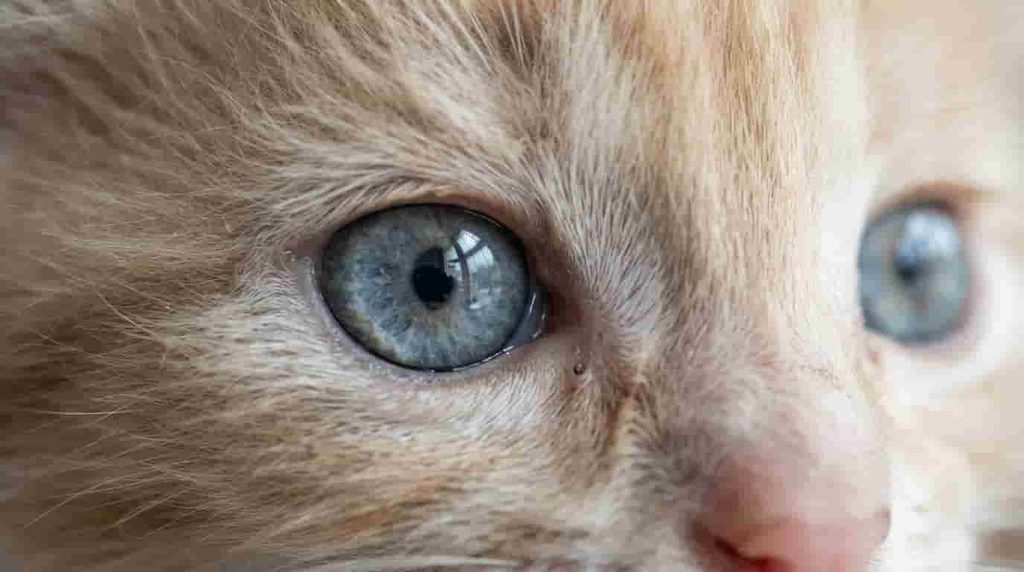
The first visible eye color is not necessarily permanent. As kittens grow, kitten eye color changes occur naturally. The final adult eye color develops later as pigmentation settles.
When Do Kittens’ Eye Colors Start Changing?
Eye color changes gradually, with the timing and final shade varying widely by breed and individual genetics. An early blue or grey eye color should never be assumed to be permanent.
Can You Start Holding Baby Kittens Before Their Eyes Open?
When can you start holding baby kittens? Very young kittens are fragile and need appropriate handling to stay warm and stress-free. Frequent or unnecessary handling can disrupt sleep or interfere with maternal care. When handling is necessary, it must be brief and exceptionally gentle.
What Should You Do While Waiting for a Kitten’s Eyes to Open?
Practice basic kitten eye care principles:
- Keep the kitten’s environment clean and safe.
- Avoid forcing the eyelids open.
- Avoid applying unprescribed products or treatments.
- Observe overall development closely.
- Ensure vulnerable kittens receive constant warmth and nourishment.
What Not to Do
- Do not pull the eyelids apart.
- Do not attempt to clean inside unopened eyes.
- Do not use human eye drops unless specifically directed by a veterinarian.
- Do not ignore obvious swelling, discharge, or signs of illness.
Common Kitten Eye Problems to Watch For
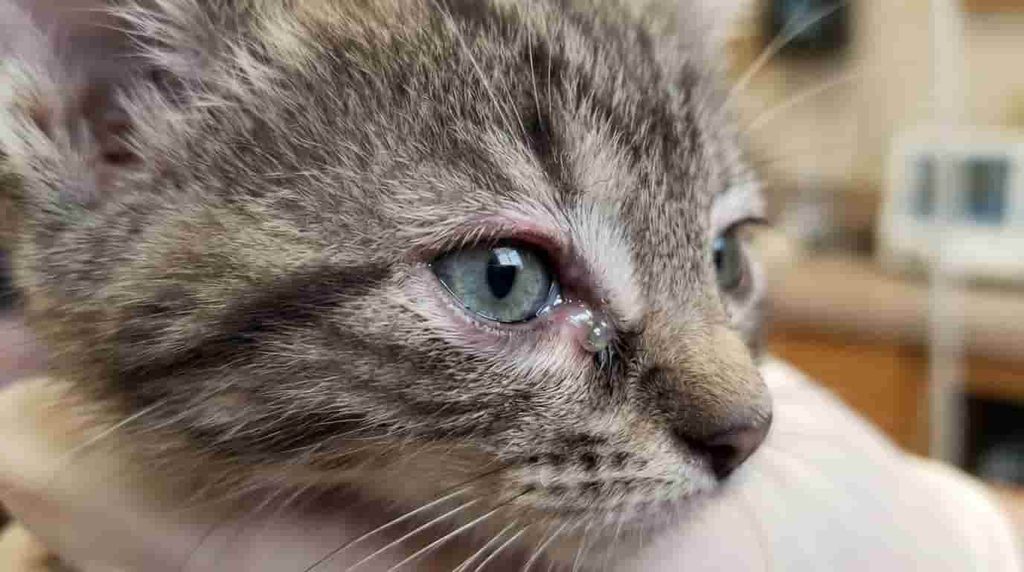
Watch for warning signs related to overall kitten eye health, potential kitten eye problems, or early kitten eye infections:
- Significant swelling around the eyes
- Persistent or unusual discharge
- Excessive crusting
- Eyes remaining tightly closed beyond the expected developmental stage
- Signs of irritation or discomfort
- Sudden changes in appearance
Can You Help a Kitten With Sticky or Crusty Eyes?
Minor debris around the exterior of the eye can sometimes require gentle wiping with a warm, damp, clean cloth, but persistent discharge, swelling, or a permanently sealed eye must be assessed professionally.
When Should You Worry if a Kitten’s Eyes Do Not Open?

While developmental timelines vary, a kitten whose eyes remain closed significantly longer than expected (past 14 to 16 days) may need professional assessment. Contact a veterinarian immediately if the eyes show significant swelling, thick discharge, or if the kitten shows signs of pain.
How Eye Opening Fits Into Other Kitten Milestones
Eye opening serves as a major gateway in early development. Enhanced vision pairs with motor progression to help kittens start exploring, moving safely, and eventually handling milestones like independent potty habits or transitioning to new homes, which connect to broader guides like When Do Kittens Start Using the Litter Box? Age and Training Tips and When Can Kittens Leave Their Mother? Best Age and What to Know
.
A Simple Week-by-Week Kitten Eye Development Checklist
| Stage | What to Expect |
| Early Stage | Eyes remain closed; high dependence on mother; limited mobility. |
| Eye-Opening Stage | Eyelids begin separating; eyes open gradually; environmental awareness increases. |
| Growing Awareness | Eyes fully open; vision refines; mobility and exploration ramp up. |
Common Mistakes to Avoid With Newborn Kitten Eyes
- Trying to force the eyes open prematurely
- Assuming both eyes must open at the exact same moment
- Using unapproved eye washes or medications
- Ignoring swelling, matting, or persistent discharge
- Assuming an open eye means vision is fully mature
- Focusing exclusively on the eyes while ignoring general health
When Do Kittens Open Their Eyes? Key Things to Remember
- Kittens are born completely blind with their eyes closed.
- Eye opening happens gradually during early life stages.
- The first opening and full opening occur across different days.
- Vision continues developing long after the eyes initially open.
- Eye color shifts over time.
- Never force a kitten’s eyes open under any circumstances.
- Unusual discharge or delayed opening requires prompt veterinary attention.
Conclusion: When Do Kittens Open Their Eyes?
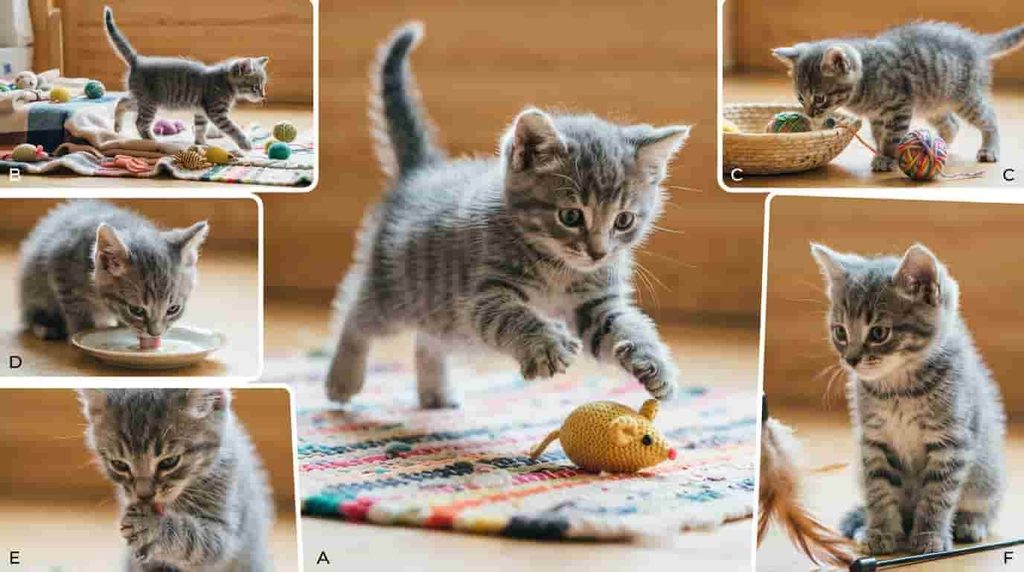
When Do Kittens Open Their Eyes? Eye opening is a gradual and natural part of normal kitten development, typically unfolding during their second week of life. Every kitten progresses at a slightly unique pace, making patience and gentle care essential. Watch closely for normal progress while keeping an eye out for potential complications.
When did you first notice your little kittens beginning to open their eyes and peer out at the world? Drop a comment below!
Frequently Asked Questions
No, eye opening and fully developed vision are two separate things; a kitten’s vision continues to refine and develop as it grows older.
Staggered eye opening is entirely normal, as eyelids do not always separate at the exact same millisecond. However, persistent swelling or thick discharge requires a vet check.
Never force a kitten’s eyelids apart. Let natural development run its course and consult a professional if you suspect an infection or injury.
Yes, eye opening generally begins around week two, whereas coordinated walking typically becomes apparent around weeks three to four.
Gently wipe away external crusting with a warm, damp cloth and contact a veterinarian promptly if the discharge is thick, colored, or accompanied by swelling.