

Animal Behavior Experts Explain How Cats Choose Their Friends
Cat Friendship Behavior remains a mystery to many pet owners. New research shows that cats select their friends based on shared scents and calm temperaments. Experts confirm that these bonds help cats feel secure in their homes. Understanding how they pick companions helps us create a happier living environment for our pets.
Unlocking the Secrets of Cat Friendship Behavior

Scientists find that cats use specific social cues to evaluate potential friends. They observe body language and scent markers before they decide to bond. This process ensures they choose partners who do not threaten their personal safety. Successful pairing usually results in mutual grooming and shared napping spots.
VCA Animal Hospitals notes that cats rely heavily on smell to establish these early connections. They sniff each other to gather information about health and mood. Consequently, a bad first meeting often stems from mismatched scent profiles. Fostering a positive environment allows them to form deeper ties.
For instance, consider a cat owner who brought home a second kitten. The resident cat hid for days until the kitten stopped acting frantic. Once the kitten became calm, the resident cat approached. This shows how temperament dictates success in pet bonding dynamics.
Examining Kitty Friendship Dynamics
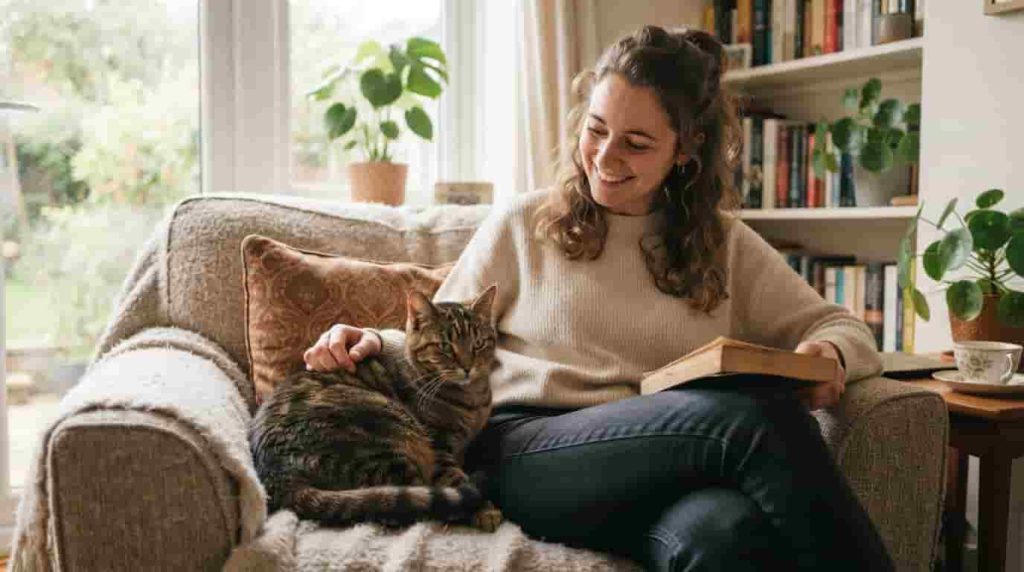
Kitty friendship dynamics evolve over several weeks of shared space. Cats often begin by sitting near each other without direct contact. They slowly move toward playing or resting together as trust grows. This gradual shift reflects their need for predictable feline companionship.
Additionally, Animal Behavior Experts Explain Why Cats Prefer Certain People highlight that individual personality traits matter most. Some cats prefer quiet companions, while others seek energetic playmates. You must observe your pet to learn their specific social needs. Proper observation helps you support healthy cat interaction cues.
You should also note that some cats remain solitary by choice. This preference does not mean they are unhappy. It simply means their cat socialization levels remain lower than others. Always respect their boundaries when they choose to be alone.
Navigating Pet Bonding Dynamics and Loss

Pet bonding dynamics often change when a household loses a member. If you face this situation, read Veterinarians Explain How Cats May React After Losing a Companion. It offers insight into their emotional process during tough times. Loss forces them to reconsider their social surroundings entirely.
Furthermore, Studies Reveal How Long Cats Can Remember Familiar People suggests their social memories last a lifetime. They recall past friends with great clarity. You might see them revisit areas where they once played together. These memories shape their future approach to new pets.
Finally, Studies Reveal Cats May Detect Stress Through Human Scent proves your stress level matters. Your cat needs a calm leader to feel brave enough to socialize. Practice patience as they navigate these complex relationships. They eventually find their rhythm with enough time and space.
Summary of Cat Friendship Behavior
The latest findings reveal that cats carefully choose friends through scent and calm signals. Their social choices promote security and long term happiness. We support them by providing a stable and peaceful home environment. Understanding Cat Friendship Behavior truly improves the quality of our shared lives.
Please share this news with fellow cat lovers. Follow our page for more updates on feline health and social habits.
Frequently Asked Questions
Friends often share spaces, groom each other, and sleep close together. They also play without signs of aggression or fear.
Yes, adult cats can form bonds with patience and proper introductions. They need time to adjust to each other’s scent and personality.
Occasional hissing usually signals a need for space or a misunderstanding. It does not always mean the friendship is over permanently.