Cats Reaction After Losing a Companion: Veterinarians Share Findings
Cats reaction to the loss of a companion often surprises their owners. Recent veterinary reports show that domestic felines experience genuine changes in mood and activity levels. Experts now confirm that cats observe the absence of their peers. They adjust their daily habits to cope with this sudden loss.
Understanding Feline Responses to Loss

Many owners report that their remaining cats act differently after a friend passes away. These emotional responses include eating less or sleeping more than usual. Some pets seek extra attention to fill the silence. This kitty response is a normal way for them to navigate change.
You might notice your cat looking for their missing friend in favorite spots. This behavior shows their awareness of the shift in their environment. Animal Behavior Experts Explain How Cats Choose Their Friends highlight that these bonds run deep. Felines form strong attachments that shape their daily confidence.
One owner, Sarah, watched her cat, Luna, search every room for weeks. Luna eventually settled into a new routine after receiving extra playtime. Sarah realized that patience helped Luna feel safe again. Consistency remains the best tool for owners during this time.
Analyzing Pet Emotions and Cat Psychology
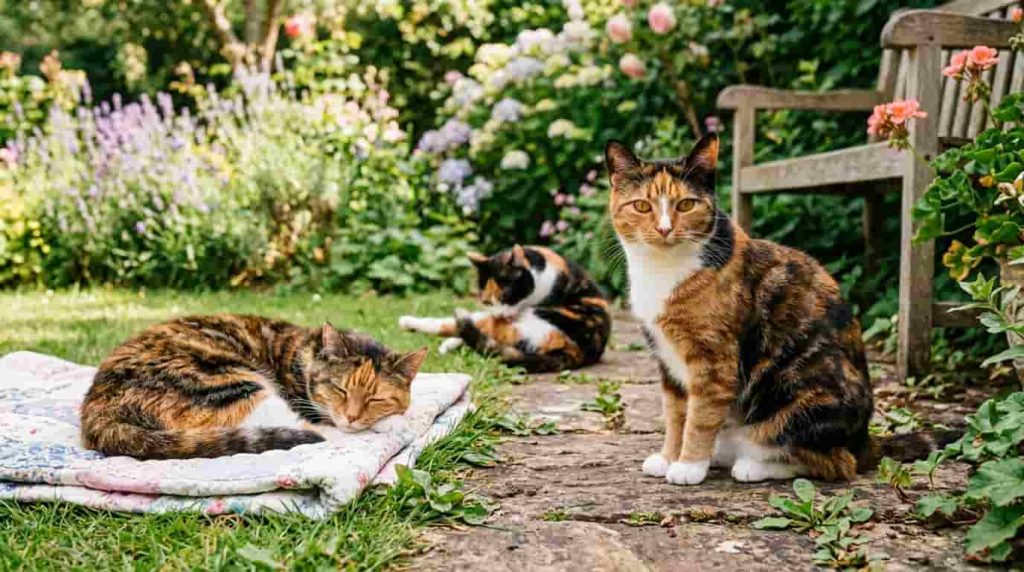
Pet emotions remain a fascinating subject for modern science. Researchers at Cornell University College of Veterinary Medicine emphasize the need for stability during stressful events. They suggest that cats process these moments through their senses. A sudden change in household dynamics affects their internal sense of security.
Studies Reveal How Long Cats Can Remember Familiar People offer clues on how they track their social circle. Cats hold onto memories of their companions for a significant duration. Therefore, they miss the presence of their partner. You should maintain their usual feeding and play times.
Additionally, Studies Reveal Cats May Detect Stress Through Human Scent suggests your own mood influences them. Your cat mirrors your feelings during a difficult time. Stay calm to provide a grounding force for your pet. They rely on your presence to stay balanced.
Observing Changes in Pet Behavior
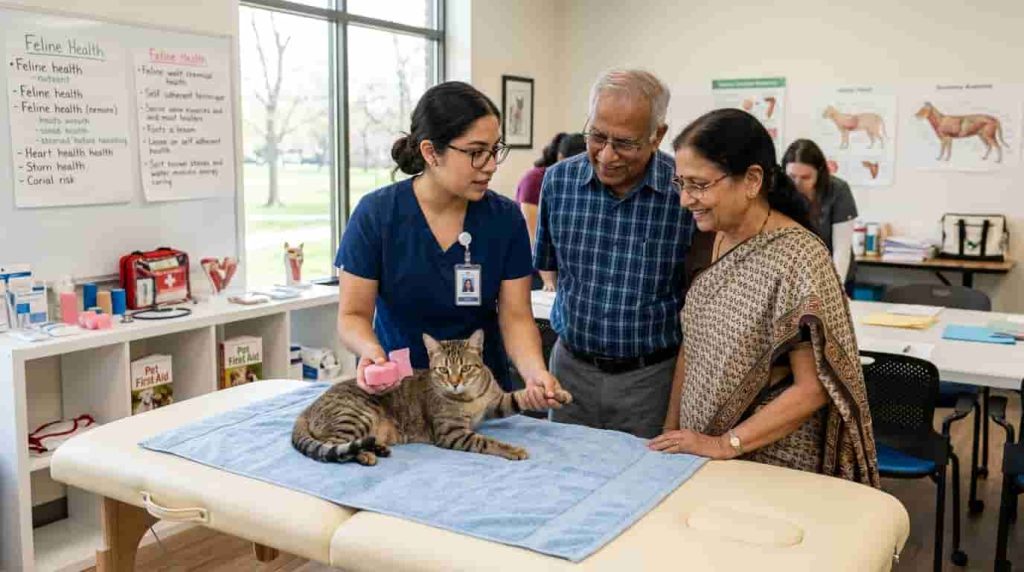
Pet behavior often signals when a cat struggles with grief. You might see a change in their grooming habits or vocalization. Some cats become quiet, while others meow more frequently. Keep a close watch on their health during these transition weeks.
Animal Behavior Experts Explain Why Cats Prefer Certain People note that social support matters to felines. Spend more time with your cat to ensure they feel loved. Provide enrichment activities to keep their mind occupied. New toys or extra cuddles often help bridge the gap.
Veterinarians agree that time heals these emotional wounds. Most cats eventually find a new normal within a few months. Always consult your vet if your cat stops eating for more than a day. Physical health stays the priority while they adjust.
Summary of Cats Reaction Findings
The evidence shows that cats process the loss of a peer through altered habits. Owners provide comfort by keeping daily routines steady. Your patience supports your pet through this difficult adjustment period. Understanding the cats reaction helps you give the best care possible.
Please share this news with other pet lovers. Follow us for more updates on how we can better support our feline friends.
Frequently Asked Questions
Yes, cats experience clear shifts in behavior that suggest they mourn a companion. They often show signs of confusion and sadness after a loss.
Most cats adjust to their new life within a few weeks to months. Providing extra attention usually helps speed up the process.
Veterinarians recommend waiting until your remaining cat seems stable. Introducing a new pet too soon might increase their stress levels.