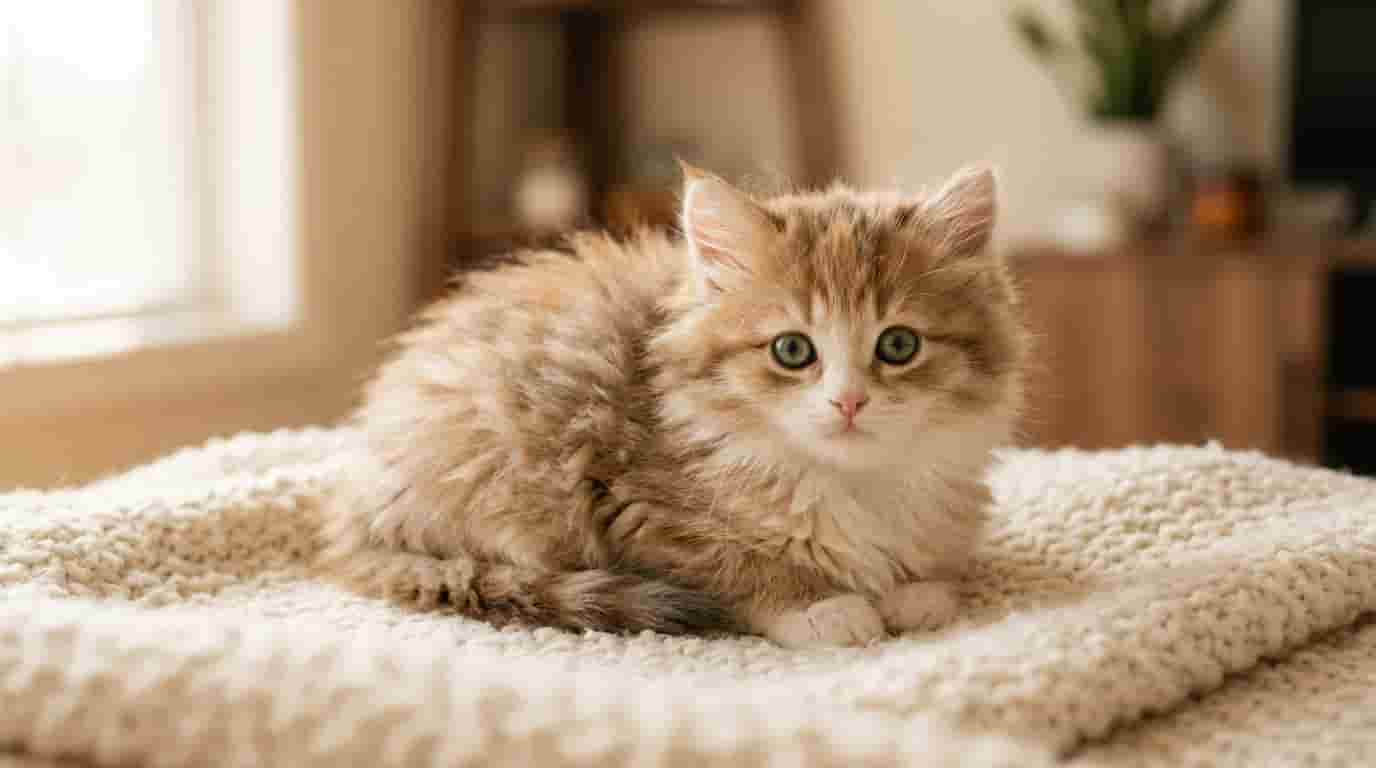
Fluffy Kitten Grooming: How to Keep Your Kitten Soft and Tangle-Free
Introduction:
Fluffy kitten grooming tasks often turn into unexpected wrestling matches for many new pet owners. You bring home a gorgeous ball of soft fur and assume they will stay perfect on their own. However, a strange thing happens after just a few days of normal play. Tiny mats begin to form secretly behind the ears and right under the front legs.
Why do these stubborn little tangles appear even when your pet licks themselves constantly? The answer lies in the unique structure of young feline fur. A baby coat is incredibly fine and traps loose dirt much faster than adult hair. Therefore, relying only on the mother cat or self cleaning will quickly lead to a matted disaster.
You can easily avoid these common struggles by learning a few basic tricks today. This guide reveals the exact steps to keep that coat looking like a soft cloud. Additionally, we will share how to make your little friend look forward to their brushing sessions. Let us uncover the secrets to stress free fur care together.
The Mystery Behind the Tangled Baby Coat
Many people do not realize that young cats actually have two distinct layers of fur developing at once. The soft undercoat grows rapidly and can easily wrap around the longer top hairs. As a result, standard pet store brushes often skip right over the real problem areas.
Learning how to groom a fluffy kitten requires you to reach the skin gently without pulling. This internal coat care goes hand in hand with a proper everyday lifestyle. If you want a complete roadmap for your new pet, read Raise a Fluffy Kitten: The Complete Beginner’s Guide. Good habits during the first few months build a strong foundation for a lifetime of easy handling.
Furthermore, nutrition directly impacts how easily the hair knots up during the day. Dry, brittle hair tangles far quicker than well-nourished strands. You can explore Best Food for a Fluffy Kitten: Nutrition for a Healthy Coat to ensure their diet keeps the fur naturally slick and strong.
Choosing the Best Grooming Tools for Kittens
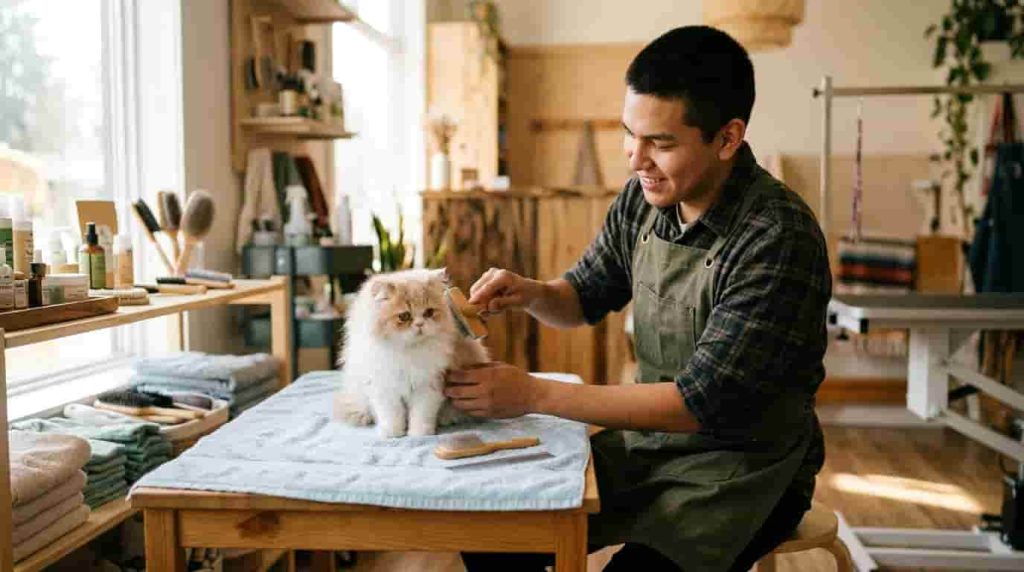
You must avoid cheap plastic combs that create static and scare your small companion away. Instead, look for a high-quality metal slicker brush with tiny protective rubber tips on the pins. This specific tool lifts dead hair from the undercoat without scratching the delicate skin beneath.
Next, add a sturdy stainless steel greyhound comb to your collection of grooming supplies for kittens. This dual-sided tool features wide teeth on one end and narrow teeth on the other. It helps you check your work and locate hidden knots before they grow into large mats.
According to the veterinary experts at PetMD, using the correct tools prevents painful skin tears during home care. Always let your pet sniff the new instruments before you start using them on their body. This simple introduction removes the fear of the unknown immediately.
Establishing a Stress Free Grooming Schedule for Kittens
First, choose a very specific time of day when your house feels completely quiet and peaceful. Do not start a session when your little friend wants to hunt toys or sprint across the room. Next, wait until they finish a meal and feel naturally sleepy or relaxed.
Keep your initial sessions incredibly short, lasting only two to three minutes at a time. Gently stroke your pet with your bare hands before introducing the actual metal comb. Touch their paws, belly, and ears frequently so they get used to full body handling.
Finally, reward your companion with an incredibly tasty treat after every single successful brushing session. This positive association teaches them that sitting still leads to wonderful rewards. As a result, you can slowly increase the time as your pet grows more comfortable.
Step-by-Step Kitten Grooming Techniques for a Soft Coat
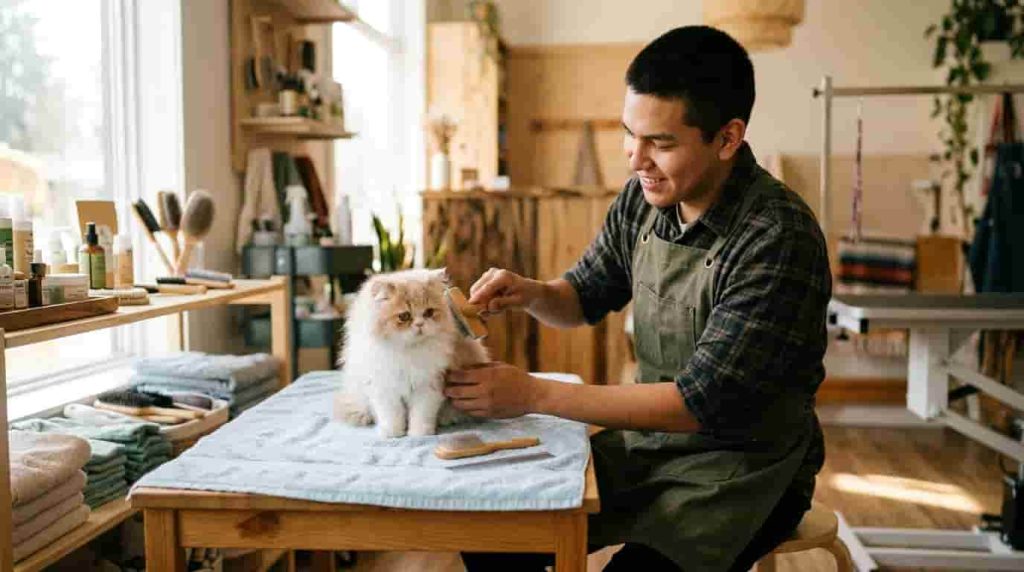
Start by placing your pet on a comfortable counter or a steady table covered with a soft towel. Hold the metal slicker brush loosely and move in the exact direction of the hair growth. Work on small sections at a time, beginning with the back and moving toward the sides.
Use exceptionally light pressure because baby skin is much thinner than adult feline skin. If you encounter a small knot, do not yank the brush through the delicate hair. Instead, hold the base of the fur with your fingers to protect the skin from pulling.
Gently use the wide teeth of your steel comb to separate the tangled strands piece by piece. You can add a tiny drop of pet-safe detangling spray to stubborn areas if necessary. This careful method ensures your pet remains completely relaxed throughout the entire process.
Handling the Dreaded Fluffy Kitten Bath with Ease
There will definitely come a day when your messy pet steps into something sticky or incredibly muddy. Brushing alone cannot save the coat from liquid messes or severe litter box accidents. Therefore, learning proper wet cleaning methods becomes absolutely essential for every owner.
An accidental splash can terrify a young animal if you do not prepare the room correctly. You can learn the safest way to handle water by reading Bathe a Fluffy Kitten: A Safe Step-by-Step Guide. This step prevents total chaos in your bathroom and keeps your pet warm and safe.
Always use a specialized shampoo that matches the natural pH level of feline skin perfectly. Rinse the thick coat thoroughly because dried soap residue will cause intense scratching later on. Keep the room warm until the thick fur dries completely.
Real Life Examples of Fluffy Kitten Care Success
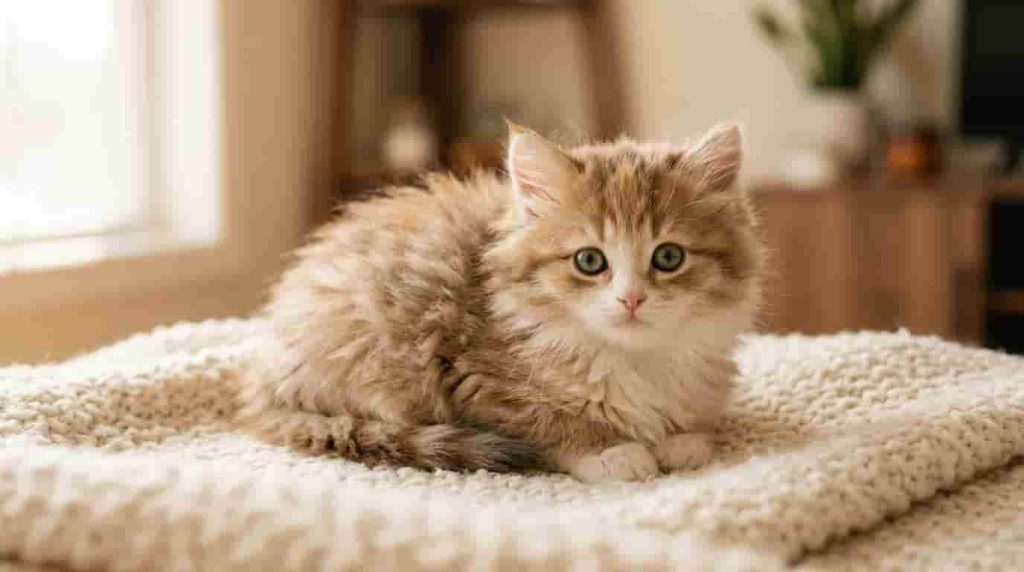
Consider the true story of a pet owner named Tom who adopted a gorgeous long-haired Maine Coon. Tom ignored daily combing because the baby animal looked perfectly clean for the first month. Suddenly, thick felt-like mats formed across the belly overnight, causing the pet to cry out.
Tom bought the best grooming brushes for kittens and started a daily routine using small chicken treats. He focused on gentle kitten grooming tips he learned from an online veterinary source. Within three weeks, the pet learned to purr happily whenever the metal comb appeared on the table.
This transformation shows that patience and the right methods can reverse a difficult situation quickly. Regular grooming maintenance for fluffy kittens prevents these painful surprises from disrupting your happy home. Your pet relies entirely on you to handle the spots they cannot reach.
When to Consider Professional Kitten Groomers
Should you always manage this intensive coat maintenance by yourself at home? The experts at the ASPCA suggest introducing professional services early if your pet has an extremely dense coat. Professional kitten groomers possess specialized tables and dryers that make the process highly efficient.
Seeking out expert fluffy kitten grooming services can help you manage difficult areas like the sanitary zone. A professional can perform a neat belly shave to keep waste from sticking to the long leg fur. This simple trim keeps your home clean and improves everyday feline hygiene significantly.
However, you must still maintain a basic home routine even if you use an outside salon. Think of professional care as a helpful bonus rather than a total replacement for your personal bonding time. Consistent effort at home keeps your pet comfortable between visits.
Conclusion
Mastering fluffy kitten grooming is a beautiful way to ensure your young pet grows up healthy, clean, and completely tangle free. By using the right metal tools and keeping sessions short, you build deep trust with your companion. Always remember to reward their cooperation with praise and healthy snacks.
Combine proper nutrition with regular brushing to maintain that iconic soft cloud appearance effortlessly. This simple investment of time prevents painful mats and keeps your home free from excessive shedding. Now, we would love to hear about your personal journey. What specific tricks do you use to keep your pet calm during fluffy kitten grooming sessions? Please leave your thoughts and share your experiences in the comments section below.
Frequently Asked Questions
You should brush your long-haired pet at least three to four times every week to prevent mats. Daily brief sessions are even better because they get your young pet used to the tools quickly. Consistency prevents small tangles from turning into tight knots.
The most effective tools are a metal slicker brush with coated pins and a stainless steel greyhound comb. The slicker brush removes loose undercoat hair easily without scratching the skin. The steel comb helps you find and fix hidden mats safely.
Never use scissors to cut a mat because you can easily slice the delicate skin beneath the fur. Instead, apply a pet safe detangling spray and use your fingers to separate the hair gently. Work slowly from the edges of the knot inward.
Your pet likely views the movement of the brush as an exciting game or feels slightly overwhelmed by the sensation. Stop brushing immediately if they bite, and offer a favorite toy to redirect their attention safely. Keep sessions shorter next time.
No, human hair brushes do not have the right pin design to penetrate a dense animal undercoat. They will simply slide over the top layers and leave hidden knots to grow worse underneath. Always use specialized pet tools for the best results.