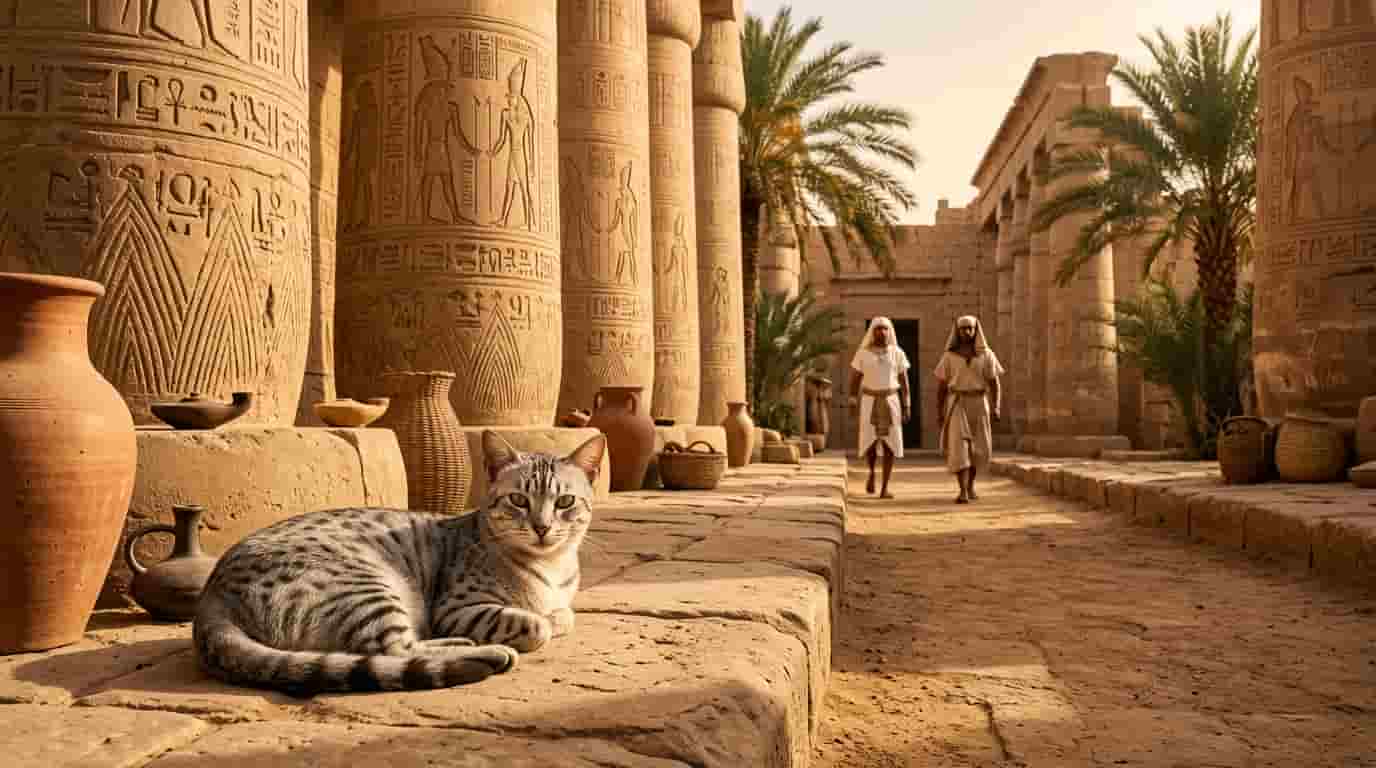
Ancient Egyptians worshipped cats: 7 Reasons for their divine status
Introduction:
Ancient Egyptians worshipped cats because they saw them as truly special. Have you ever wondered why your own cat acts like they own the house? Perhaps they inherited that confidence from their famous ancestors in the Nile Valley. This deep connection between humans and felines began thousands of years ago. As a result, historians still study why ancient Egyptians worshipped cats with such devotion.
Understanding the history behind this bond reveals much about their society. Because ancient Egyptians worshipped cats, they integrated them into daily life and religion. They viewed them as more than just pets. Instead, they saw them as powerful spirits. You can learn more about the legal protections for these animals by reading 5 Reasons Killing A Cat Was A Serious Crime In Egypt. This history shows exactly how much they valued their feline friends.
Why Ancient Egyptians Worshipped Cats and Their Roles
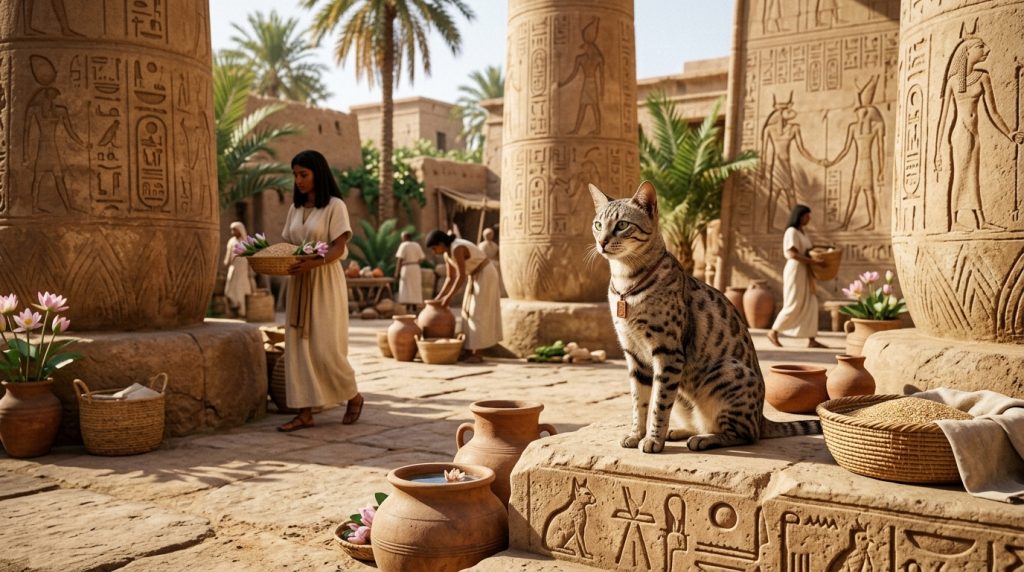
Many people ask why cat worship in ancient egypt became so widespread. The answer involves a mix of practical benefits and spiritual awe. Cats provided protection, companionship, and a sense of grace to every household. Because ancient Egyptians worshipped cats, they ensured these animals held a permanent place in their temples.
Historical evidence shows that they kept cats as family members. You might see similar behaviors in your own home today. For example, my cat always demands the best spot on the sofa, much like a tiny pharaoh. They clearly know their worth. If you enjoy learning about the past, read 7 Ancient Cat Myths That Survived For Thousands Of Years to find more fun facts.
1. Protection Against Pests and Disease
Felines hunted snakes and rodents that threatened grain stores. This helped the population stay healthy and food secure. Because ancient Egyptians worshipped cats, they honored this vital service. They viewed the cat as a guardian of the home.
2. Connection to Divine Feline Deities
The people believed in powerful feline deities in ancient egypt. Bastet, the most famous goddess, protected homes and mothers. Consequently, when ancient Egyptians worshipped cats, they essentially honored her daily. This spiritual link elevated the cat above all other animals.
3. Symbols of Grace and Beauty
Art from the era often features elegant feline figures. Artists admired their sleek movements and watchful eyes. Because ancient Egyptians worshipped cats, they replicated their beauty in jewelry and statues. This aesthetic appreciation remains a key part of the significance of cats in egyptian culture.
The Cultural Role of Cats in Ancient Egypt
The cultural role of cats in ancient egypt expanded far beyond the home. Temples housed many cats to please the gods. Visitors often brought offerings to these sacred animals. Because ancient Egyptians worshipped cats, this practice became a central part of their religious life.
Experts at VCA Animal Hospitals note that cats provide immense psychological comfort to humans. While they focus on modern veterinary care, they acknowledge this ancient bond. This comfort explains why the history of cats in ancient egypt is so long and detailed. You can also explore 7 Ancient Cat Traditions That May Surprise You for more unique insights.
4. Guardians of the Afterlife
Egyptians believed that feline deities in egyptian mythology protected the dead. They often buried cats alongside their owners to provide comfort in the next world. Because ancient Egyptians worshipped cats, they wanted this companionship to last forever. They clearly felt that cats were essential to the journey after death.
5. Representation of Sun Energy
Some beliefs linked cats to the sun god, Ra. They saw the cat’s eyes as reflecting the light of the sun. Because ancient Egyptians worshipped cats, they celebrated this solar connection. This association strengthened the cultural significance of cats in ancient egypt.
Sacred Cats in Egyptian Mythology and Society
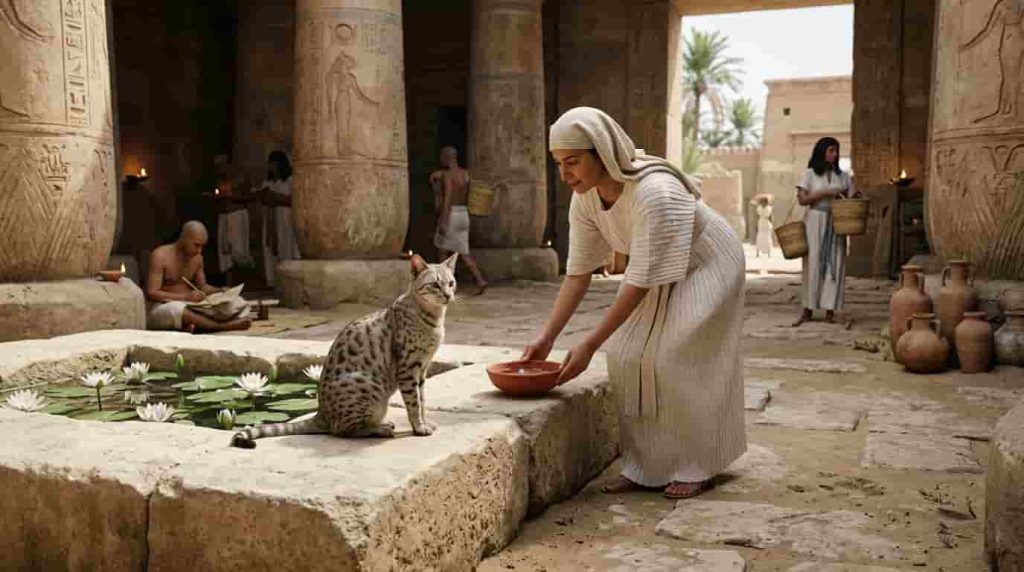
The sacred role of cats in egyptian society was truly unique. No other civilization elevated a pet to this level. Because ancient Egyptians worshipped cats, their presence became a symbol of prosperity. Even today, we see the echoes of this history in how we treat our pets.
We owe much of our current cat culture to these early believers. They taught the world to respect the mystery of the cat. Because ancient Egyptians worshipped cats, we still view them as elegant and slightly magical beings. They were right to do so. Our cats continue to rule our homes with quiet, royal authority today.
6. Comfort and Emotional Support
Life in ancient times involved many daily hardships. Cats offered a quiet, calming presence in busy households. Because ancient Egyptians worshipped cats, they recognized this emotional gift. They allowed cats to live freely and comfortably within their homes.
7. Balance and Harmony
Cats represented a balance between wild instincts and domestic life. This harmony was highly prized by their culture. Because ancient Egyptians worshipped cats, they admired this perfect middle ground. They saw the cat as a living example of how to exist in peace.
The Lasting Legacy of Feline Worship
The legacy of these beliefs continues to fascinate people all over the world. We look back at these ancient traditions with wonder. Because ancient Egyptians worshipped cats, we have thousands of years of art and stories to enjoy. Their devotion changed the status of cats forever.
We should take a moment to thank them for this legacy. Our pets provide us with the same joy that they provided so long ago. Because ancient Egyptians worshipped cats, they set a standard for animal care. We strive to meet that same standard today. Always treat your own cat like the divine companion they are.
Conclusion
Ancient Egyptians worshipped cats for reasons that still resonate with us today. They valued them for their protection, beauty, and connection to the divine. We have learned that these animals truly deserve our respect and love. If you enjoyed this journey into the past, please share this article with your friends. Do you see any of these ancient traits in your own pet? Let us know what you think in the comments!
Frequently Asked Questions
They protected grain supplies from pests and held a deep spiritual connection to their gods. Their graceful nature made them symbols of divinity and peace.
Most households kept at least one cat to enjoy their company and protection. They were treated as beloved family members rather than simple working animals.
The goddess Bastet was the primary protector associated with cats. She represented home, fertility, and the joy of life.
Egyptians mummified cats to honor them as sacred beings. They believed this process helped the cats join their owners in the afterlife.
While they were beloved pets, they were also seen as living vessels for gods. They were respected, protected by law, and honored in temple rituals.