
7 Strange Cat Superstitions That Refuse To Die
Introduction:
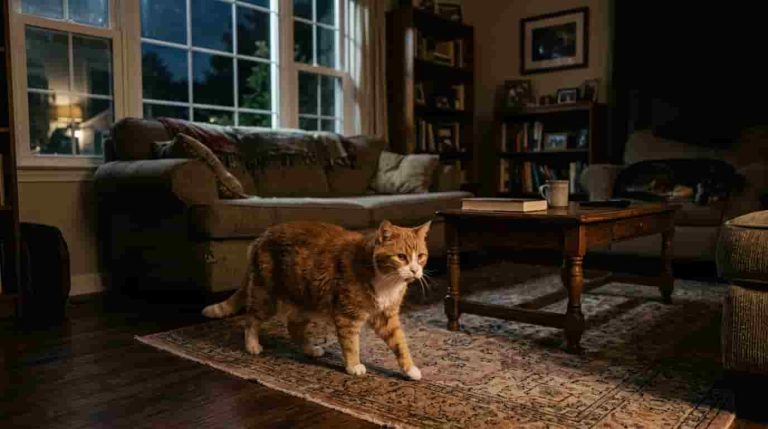
Strange Cat Superstitions puzzle cat owners whenever a pet stares blankly into an empty living room corner. What makes humans assign supernatural powers to quiet indoor pets across centuries of shared history?
A cozy evening sitting on your living room sofa turns eerie when your pet freezes suddenly. Your heart beats faster as feline eyes lock onto something invisible hovering near hallway shadows.
Every feline owner experiences this exact spine-chilling moment at least once in their lives. People historically blamed ghostly spirits, incoming bad luck, or hidden witchcraft for this strange pet behavior.
Ancient civilizations built entire cultural religions around these graceful, silent domestic predators. Medieval societies later feared these animals, creating dark legends about bad luck and sorcery.
Modern science reveals natural explanations for these bizarre feline behaviors today. Yet, millions of people still harbor weird cat beliefs without realizing their historical origins.
These strange cat superstitions reveal deep human anxieties about luck, weather, and unseen forces. Let us explore seven bizarre feline legends that continue haunting modern households worldwide.
1. Strange Cat Superstitions Claim Washing Ears Predicts Rain
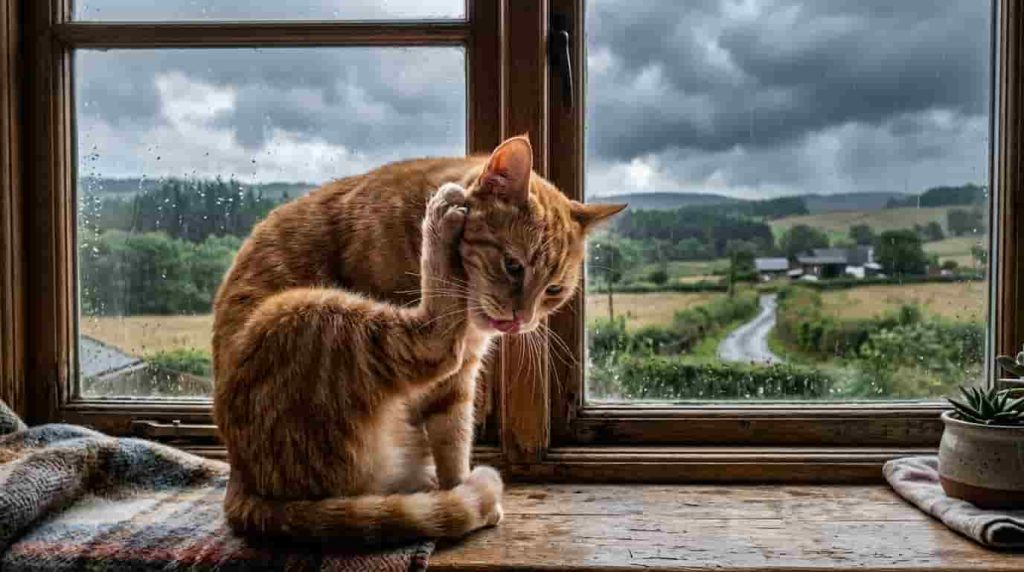
Maritime sailors believed a feline grooming its ears signaled incoming sea storms. Ships kept felines aboard to protect food supplies from destructive rodents while predicting ocean weather.
Sailors watched carefully because a pet wiping past its ears meant heavy rain approached. If feline whiskers twitched wildly during grooming, fierce winds would soon batter ship sails.
Exploring Feline Folklore and Atmospheric Sensitivity Secrets
Feline folklore surrounding weather forecasting actually rests on genuine biological facts. Humidity shifts in air pressure irritate sensitive feline inner ear membranes before rainstorms hit land.
Cats scratch their ears vigorously to relieve uncomfortable pressure changes before human weather stations report storms. Consequently, ancient sea captains relied on feline reactions to navigate dangerous ocean waters safely.
Understanding animal behavior helps owners separate true physical reactions from ancient cultural tales. Read about other popular misunderstandings by checking out 6 Cat Myths People Still Believe Today right now.
This ancient weather forecasting legend lives on in coastal fishing towns today.
2. Felines Steal Baby Breath While Sleeping in Cribs
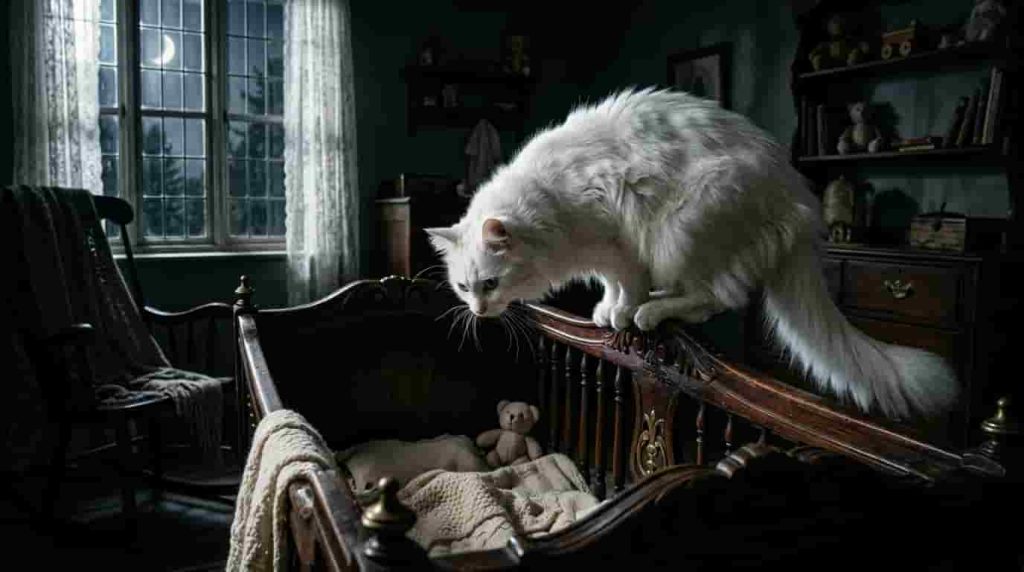
Seventeenth-century families feared leaving pets alone in nursery bedrooms with sleeping infants. Parents believed felines inhaled a child’s breath, causing tragic infant deaths overnight.
This terrifying belief spread rapidly across North America and European nations during early settlements. People banned felines from bedrooms completely to protect newborn children from mysterious dangers.
Debunking Dark Black Cat Myths and Nursery Tales
Historical records show these sad nursery losses stemmed from sudden infant death syndrome instead. Felines simply sought warm sleeping spots, attracted by milk odors on infant lips.
Ancient communities blamed pets because medical science could not explain nursery deaths back then. You can explore how dark history created fearful stories by reading 5 Reasons Black Cats Were Linked To Witchcraft today.
Veterinary experts at the American Veterinary Medical Association advise keeping pets out of baby cribs for basic safety reasons. Simple physical boundaries prevent accidental suffocation without relying on scary supernatural cat legends.
Proper nursery management keeps both human infants and curious pets completely safe.
3. Black Cats Crossing Paths Bring Sudden Misfortune
Walking down a city sidewalk turns tense when a dark pet runs across your path. Many modern adults still stop walking immediately to avoid bad luck from dark felines.
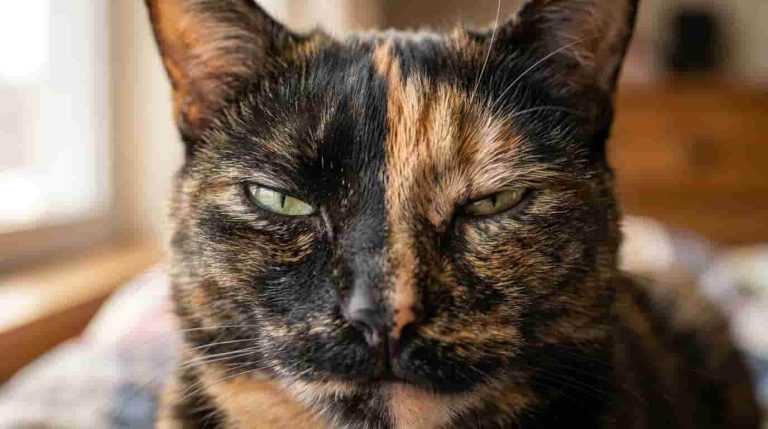
This classic superstition stems from medieval Europe, where people linked dark felines to dark magic. People believed witches shape-shifted into dark animals to move silently through dark streets at night.
Uncovering Global Superstitions Surrounding Cats and Luck
Superstitions surrounding cats vary dramatically depending on where you travel across global borders. In Britain and Japan, a dark pet crossing your path brings wonderful good luck and financial wealth.
Conversely, American culture inherited dark European warnings about dark animals bringing terrible misfortune. You can discover fascinating global beliefs by exploring 7 Black Cat Superstitions From Around The World right now.
Feline coat colors depend entirely on natural melanin genetics, not supernatural forces or curses. Color genetics have zero influence over human luck or daily life outcomes.
4. Sneezing Cats Bring Good Fortune to Brides
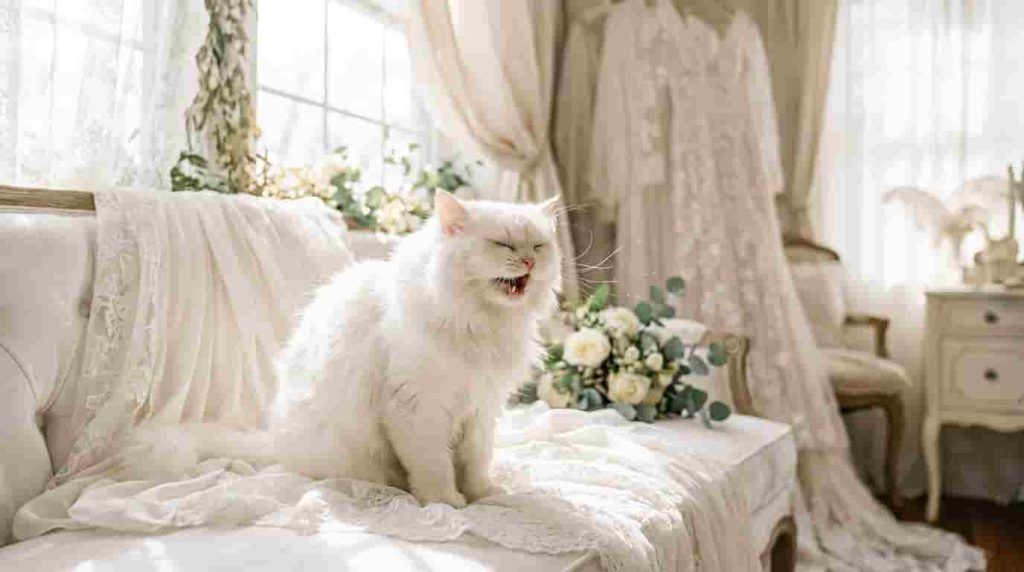
Old English wedding traditions say a feline sneezing near a bride brings endless marital happiness. Brides loved hearing a pet sneeze on their wedding morning for guaranteed good luck.
Italian folklore claims a sneezing pet cures sickness for anyone resting inside that house. Farmers believed sneezing pets signaled imminent rainfall, helping crops grow abundantly during dry summer months.
Understanding Odd Beliefs About Cats and Health
Odd beliefs about cats often transform normal animal reflexes into lucky omens or medical miracles. In reality, felines sneeze due to ticklish dust particles, pollen allergies, or minor respiratory bugs.
Veterinary insights from the Cornell Feline Health Center show that frequent sneezing requires medical evaluation. Persistent sneezing signals nasal infections rather than incoming financial wealth or good luck for owners.
- Monitor frequent sneezing fits for nasal discharge or illness signs.
- Keep household air clean from dust particles and scented sprays.
- Schedule veterinary visits if sneezing continues over several days.
- Enjoy cute sneezing sounds without expecting supernatural miracles to happen.
Appreciating biological facts helps owners provide excellent medical care for beloved pets.
5. Felines Possess Nine Lives to Escape Death
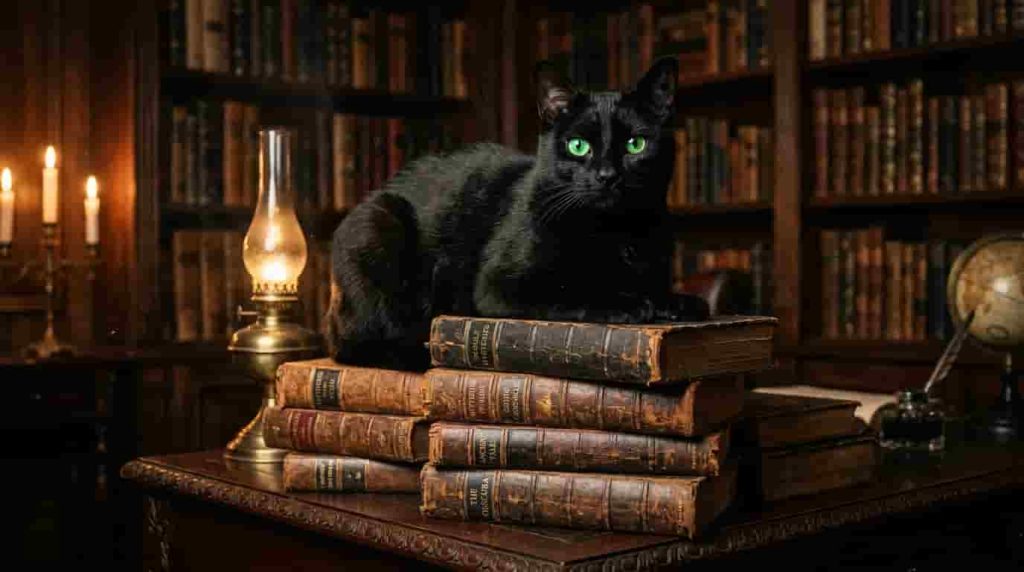
Ancient Egyptian culture revered felines, connecting them directly to divine sun deities and sacred protection. People noticed felines survived terrifying falls from tall buildings without suffering major bone injuries.
Observing these miraculous physical recoveries created widespread belief in multiple lives per animal. The number nine held deep spiritual significance in ancient mathematics, solidifying this famous feline myth.
Decoding Mysterious Cat Stories and High Falls
Mysterious cat stories about surviving high falls depend on incredible physical physics rather than magical powers. Felines possess a specialized righting reflex that rotates their bodies in midair during falls.
Their flexible spines and loose shoulder joints absorb heavy impact forces upon hitting hard ground. Flexible bodies spread impact energy evenly, allowing animals to walk away safely from high jumps.
This amazing survival mechanism protects pets during accidental slips from high balconies.
6. Felines Staring at Empty Corners See Ghostly Spirits
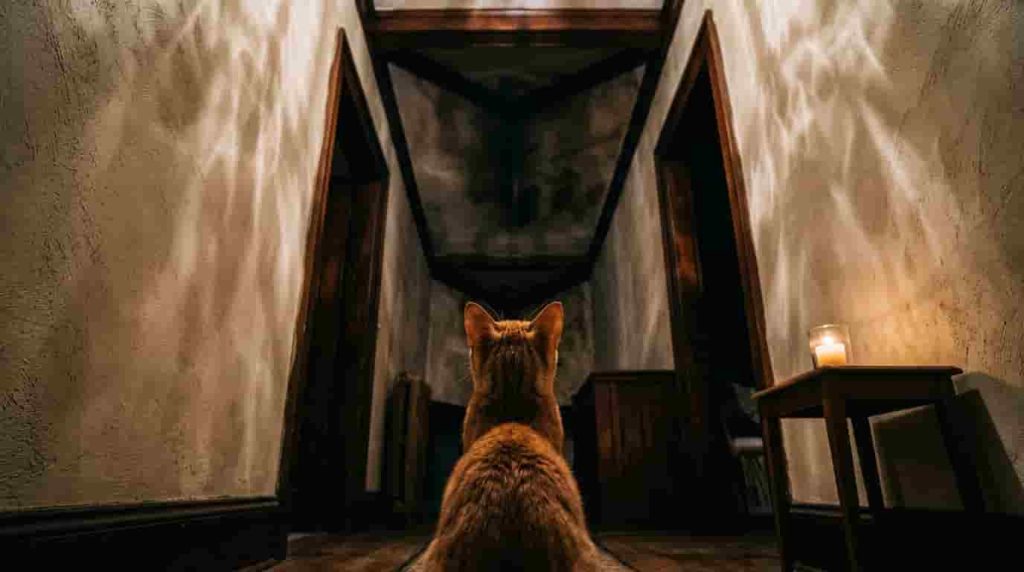
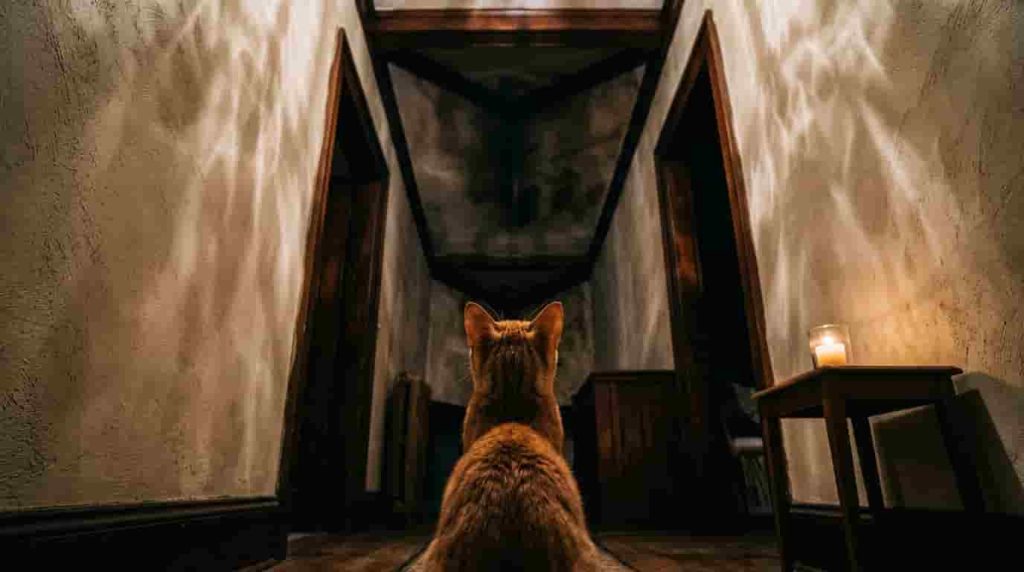
Feline owners worry when their pet stares intently at blank living room walls for hours. Ancient stories claimed felines possessed special eyes capable of seeing departed human souls and ghosts.
People believed felines tracked invisible spirits floating through residential hallways late at night. Felines standing frozen in doorways created eerie feelings for superstitious family members sitting nearby.
Revealing Feline Superstitions and Sensory Perception
Feline superstitions ignore the superior sensory abilities that real domestic animals possess naturally. Feline eyes detect ultraviolet light waves that human eyes cannot register or perceive at all.
Their acute ears hear high-frequency sound vibrations from tiny wall insects or distant water pipes. Consequently, your pet tracks small environmental changes that remain completely invisible to human senses.
7. Moving Felines into New Homes Requires Buttering Paws
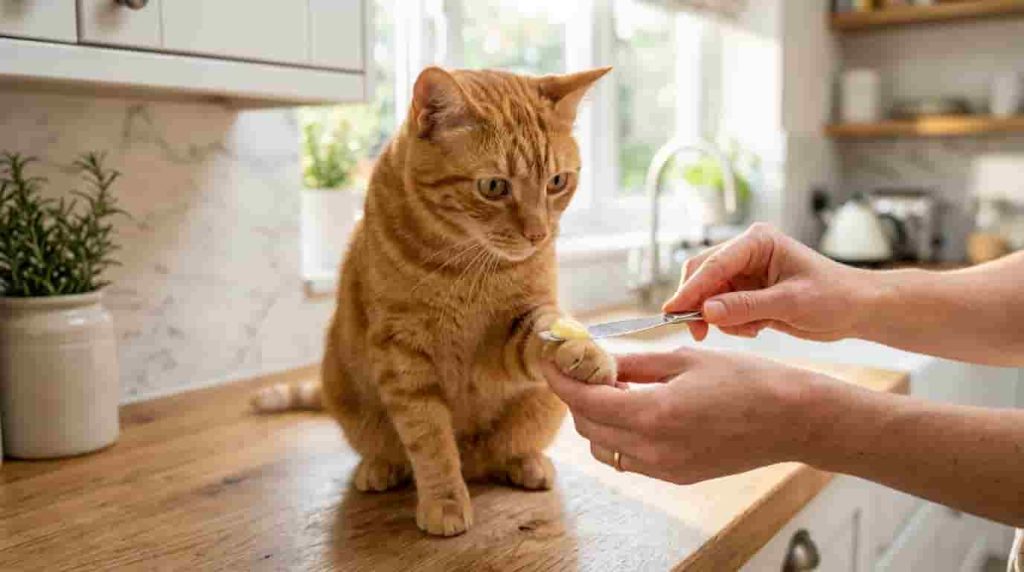
Ancient European moving traditions required owners to rub fresh butter onto feline paws. Families believed licking butter off paws distracted pets long enough to accept new house surroundings.
People thought buttering paws erased memories of former homes, preventing frantic pets from running away. This messy practice persisted across generations as a trusted moving day ritual for pet owners.
Managing Feline Beliefs During Household Relocations
Feline beliefs about moving rituals overlook basic animal psychology during stressful household changes. Buttering paws causes unnecessary stress because animals dislike sticky substances on their clean fur.
Pets lick butter frantically to clean themselves, increasing anxiety during scary moving days. Providing familiar bedding and quiet rooms helps pets adjust to new homes far better than butter.
These historical rituals show how human creativity attempts to solve common pet care challenges.
Final Thoughts on Strange Cat Superstitions
Strange Cat Superstitions highlight our deep historical connection with mysterious domestic animals over thousands of years. You now understand how biological facts created weather forecasting tales and nine lives legends.
Science explains why felines groom ears before rain and stare at invisible wall corners. Understanding these natural behaviors helps us appreciate our athletic indoor companions without fearing ancient curses.
Learning the real science behind these tales strengthens our bond with modern home pets. Embracing their curious nature turns everyday feline habits into moments of discovery and joy.
Which of these Strange Cat Superstitions surprised you the most today? Share your thoughts and personal pet stories in the comments section below!
Frequently Asked Questions
Medieval European cultures linked dark animals to witchcraft, shape-shifting sorcerers, and dark magic. People believed dark felines acted as evil companions for witches during nighttime hours. These dark historical fears evolved into modern luck superstitions across Western nations.
No, felines possess only one physical life like every other mammal on earth. Their flexible spines, fast reflexes, and righting reflex help them survive dangerous falls safely. This physical agility convinced ancient societies that felines possessed multiple lives.
Felines sense atmospheric pressure drops and humidity changes through their sensitive inner ear membranes. Pressure drops cause ear discomfort, prompting felines to groom their ears before rainstorms start. Their physical reactions predict storms, though they lack magical powers.
Felines hear high-frequency sounds and see ultraviolet light waves that human eyes cannot detect. They often track tiny wall insects, microscopic dust motes, or distant pipe vibrations. Their keen senses make them focus on things invisible to human owners.
No, rubbing butter on paws creates unnecessary stress and gastrointestinal upset for moving pets. Felines get anxious when sticky substances coat their fur, forcing frantic grooming behavior. Providing quiet rooms and familiar blankets works much better for moving stress.