Cat Wood Floor: Best ways to clean pee without ruining the finish.
Introduction:
Cat wood floor disasters start with a mysterious smell that lingers near your hallway baseboards. You sniff the warm air, searching for the hidden source of that sharp, pungent scent.
Suddenly, your eyes catch a dark puddle sitting right over fine oak planks. Your stomach drops instantly as you grab a paper towel to wipe the liquid away.
Liquid seeps deep into natural grain cracks within minutes. Regular household cleaners often strip glossy polyurethane layers, turning smooth surfaces cloudy and dull forever.
Ammonia compounds inside pet urine react harshly with natural wood tannins. As a result, dark black spots appear under shiny surface finishes over time.
Why do standard floor sprays fail to destroy these tough organic odors?
Most owners scrub hard with vinegar or harsh chemical bleaches out of pure panic. Yet these harsh liquids actually weaken protective sealants and lock deep odors inside planks permanently.
Inspecting your cat wood floor daily helps you catch fresh spills before dark spots form. Let us explore how smart pet owners rescue their valuable home surfaces safely.
The Hidden Danger Facing Your Cat Wood Floor Finish
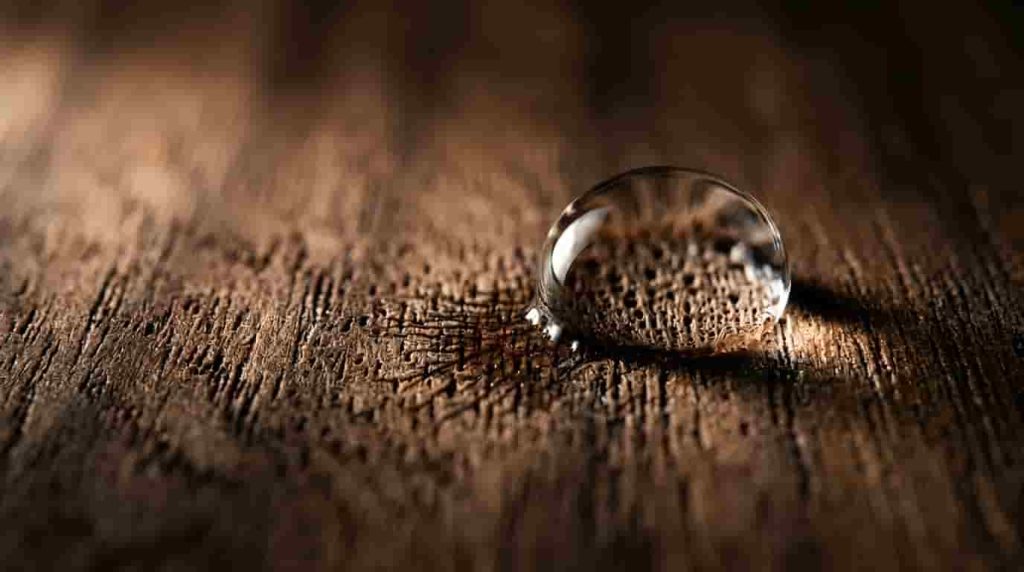
Cat wood floor surfaces suffer swift damage because liquid pet waste contains uric acid crystals. These microscopic crystals cling tightly to porous organic fibers inside natural lumber.
When humidity rises in summer, trapped uric acid crystals release pungent gases into room air again. Standard soap simply rinses away water soluble components while leaving acidic crystals behind untouched.
Understanding Hardwood Floors for Cats and Uric Acid Damage
Chemical reactions break down protective top sealers like varnish or polyurethane on hardwood floors for cats. Consequently, liquid drops sink deeper into raw wood grains beneath surface coats.
Scrubbing with rough plastic sponges creates microscopic scratches on smooth clear finishes. These tiny scratches allow future liquid accidents to soak deeper into wooden boards much faster.
Protecting a cat wood floor from liquid penetration requires immediate blotting with clean towels. Knowing how liquids interact with wood sealants helps you choose safe cleaning solutions daily.
Safe Cleaning Methods for Hardwood Floor for Cats
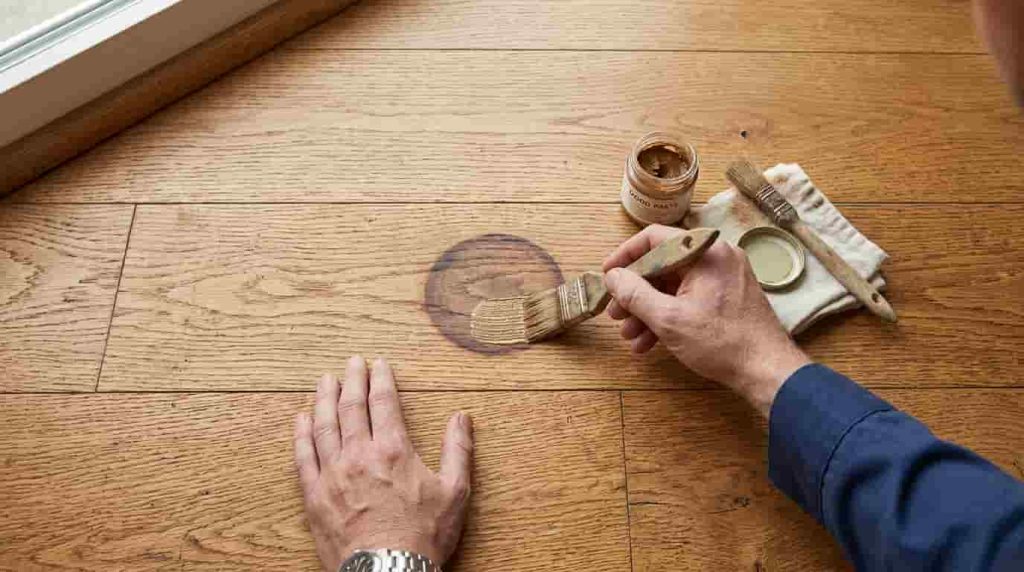
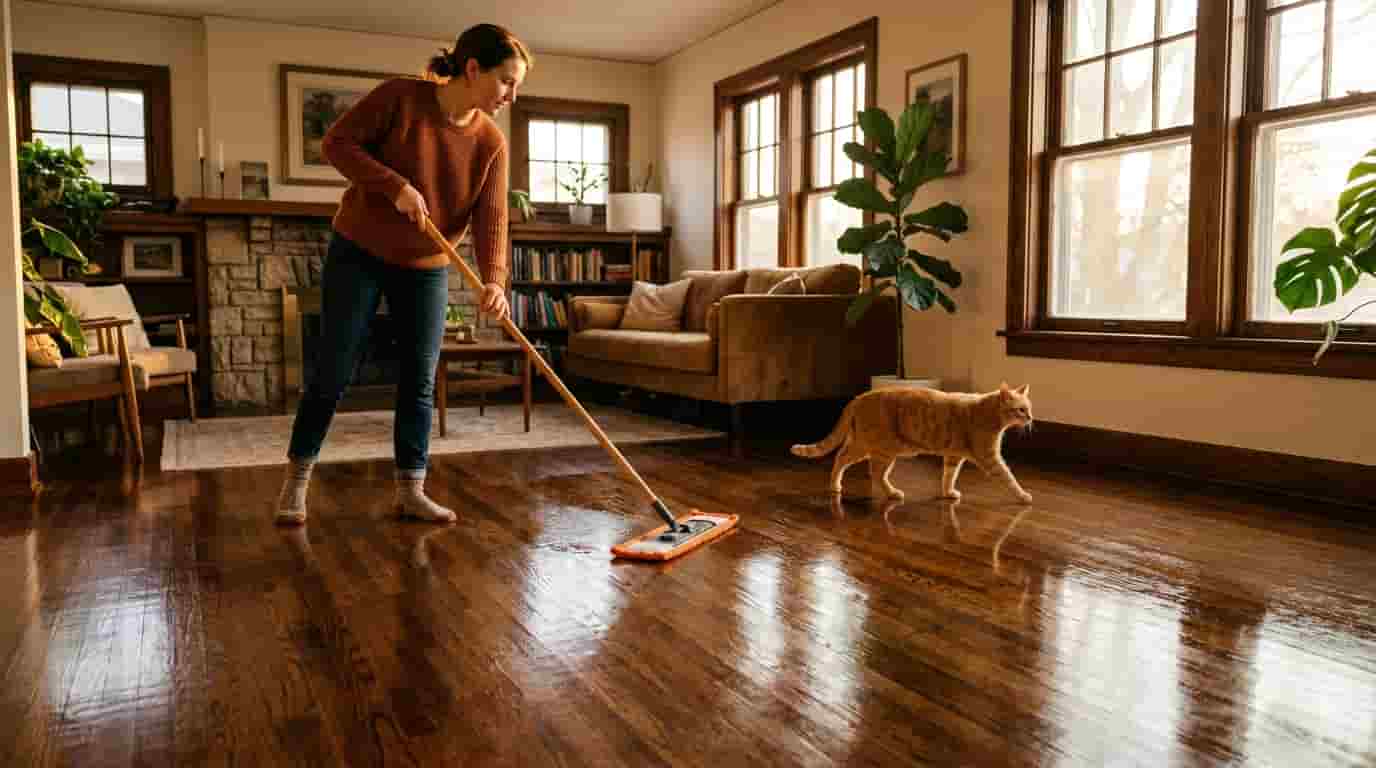
Cleaning a hardwood floor for cats requires quick blotting rather than aggressive floor scrubbing. First, press dry microfiber towels firmly onto wet spots to absorb excess standing moisture immediately.
Never wipe or spread liquid across dry surrounding planks. Spreading wet accidents increases the total stained area and forces liquid into side seams.
Using Enzyme Cleaners on Cat-Friendly Wood Flooring
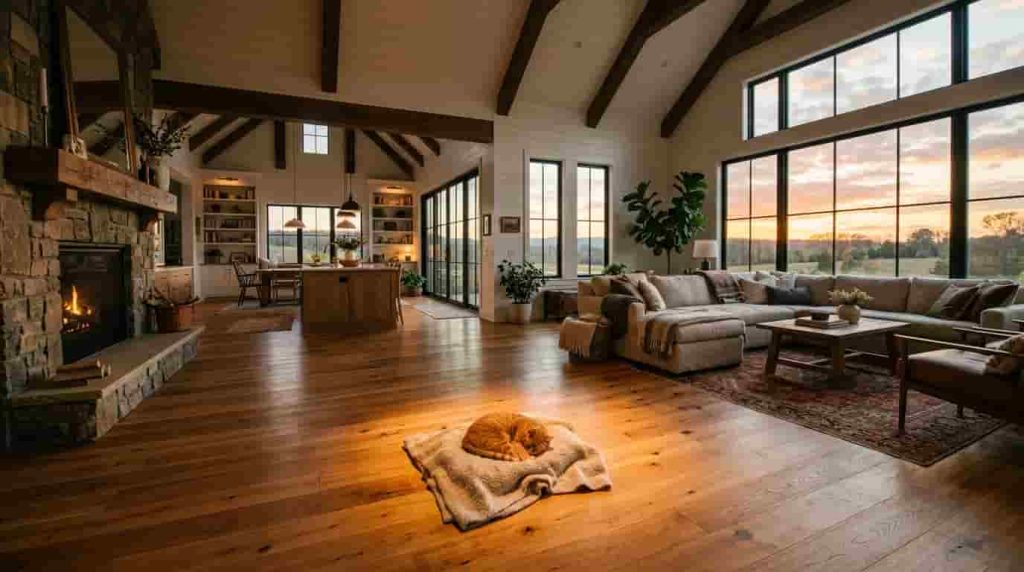
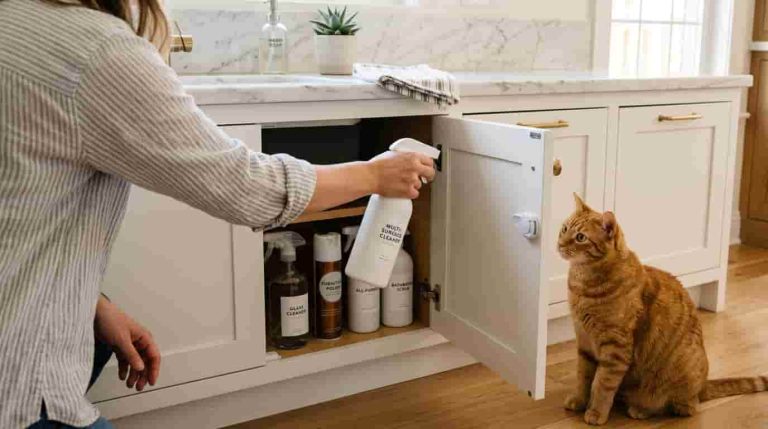
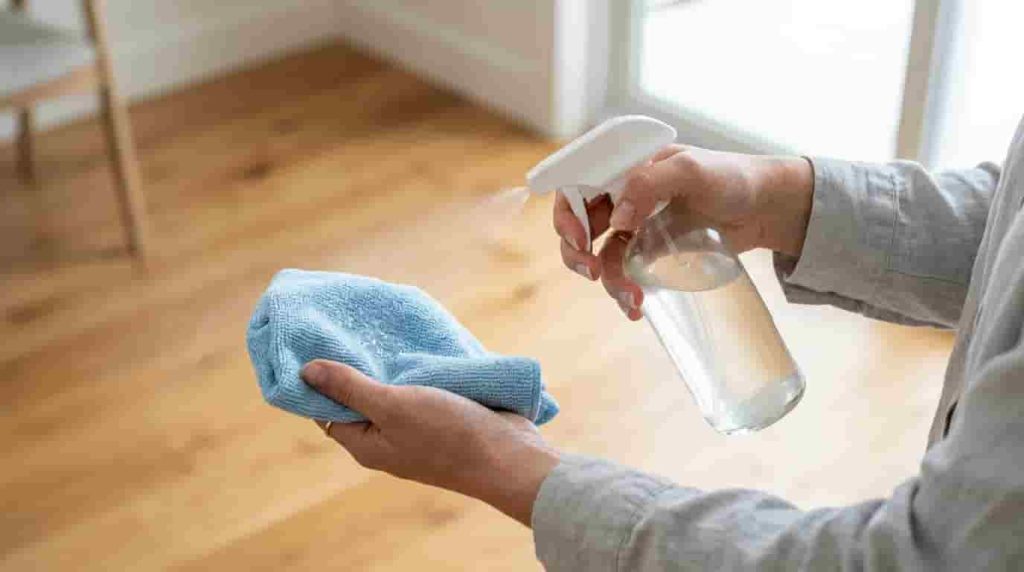
Next, apply specialized enzymatic cleaners designed specifically for cat-friendly wood flooring. Beneficial bacteria inside enzymatic formulas consume uric acid crystals without stripping clear surface coats.
Spritz the liquid lightly over affected areas and let it sit for ten minutes. Wipe the remaining moisture away using clean, dry cotton cloths.
A clean cat wood floor stays fresh when you treat wet spots within minutes. Apartment dwellers facing tight layout challenges must balance floor care with overall interior management.
You can discover smart interior layout ideas by reading Cat Apartment Living: Keeping a cat happy in a tiny space to organize your home.
Restoring Stained Areas on Pet-Proof Wood Floor Surfaces
Restoring a pet-proof wood floor after old accidents demands gentle patience and specialized steps. Dark spots indicate that moisture has already reacted with metallic iron in natural wood tannins.
Hydrogen peroxide solutions around three percent concentration help lift dark organic discoloration safely. Dampen a clean paper towel with peroxide and lay it directly over dark spots.
Lifting Discoloration from Wood Flooring for Homes with Pets
Patience pays off when restoring wood flooring for homes with pets safely. Check the spot every hour to monitor lightening progress carefully.
Once dark stains fade, wipe the surface dry with soft microfiber rags. Restoring a cat wood floor quickly prevents liquid stains from spreading sideways into adjacent boards.
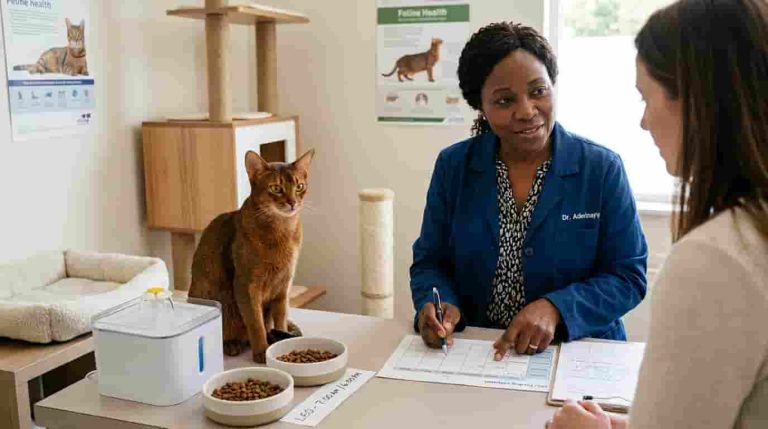
The American Veterinary Medical Association emphasizes that persistent indoor urination often stems from underlying feline stress or urinary health issues. Veterinary teams help identify behavioral causes before floor damage becomes extensive.
Outdoor safety modifications also protect indoor pets from environmental stress that triggers litter box rejections. Check out durable window safety options by reading Cat Screen Door: Durable screens that stand up to sharp claws for fresh home air.
Long Term Care for Durable Wood Floor for Cats
Maintaining a durable wood floor for cats involves establishing protective daily habits across living spaces. Place thick waterproof mats beneath all litter boxes to catch stray splashes instantly.
Select high-sided litter boxes so energetic pets do not accidentally spray over box edges. Trim your pet’s sharp nails every two weeks to prevent deep surface scratches on shiny finishes.
Preventing Surface Damage with Pet-Safe Wood Floor Options
Selecting pet-safe wood floor options helps shield natural materials from daily wear. Apply high-quality pet-safe wax or polyurethane sealants every few years to maintain protective barriers.
Strong clear coats prevent liquids from penetrating deep into natural lumber grain lines. Every cat wood floor needs strong protective top layers to withstand daily paw traffic.
Home modifications like balcony netting reduce anxiety in active indoor pets, encouraging consistent litter box use. Learn about elevated safety setups by reading Cat Balcony Safety: Using netting to prevent high rise falls today.
Proper outdoor planning resources from the National Humane Society help pet parents manage indoor environments effectively.
Choosing Best Flooring for Pets and Wood Floor Options
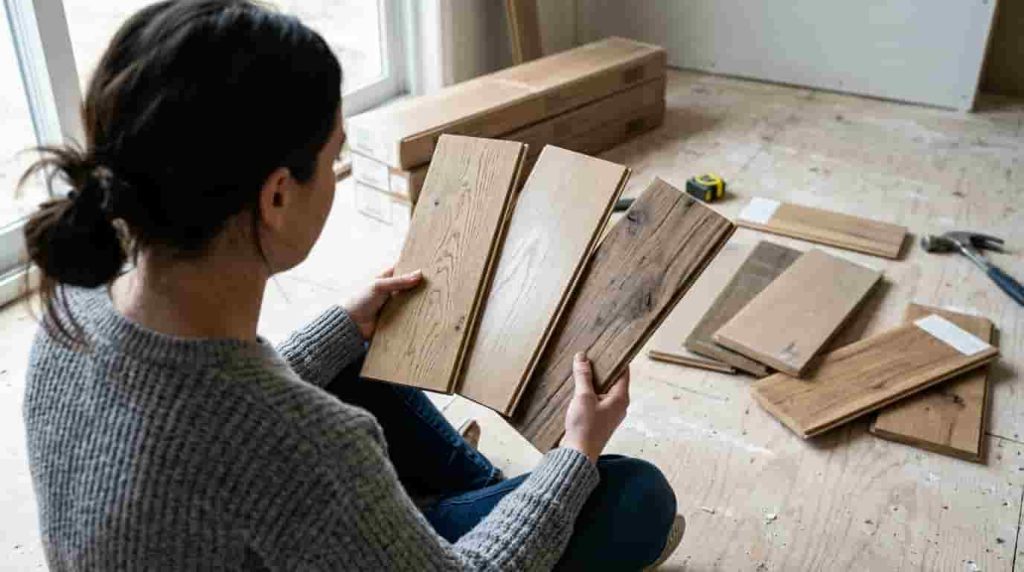
Selecting the best flooring for pets makes home maintenance simple for busy pet parents. Solid oak and maple offer high hardness ratings that resist sharp claw marks well.
Engineered hardwood planks provide superior moisture resistance compared to traditional solid wood options. Factory-applied aluminum oxide finishes offer maximum protection against sharp claws and liquid spills.
Selecting the Best Wood Floors for Cat Owners
Identifying the best wood floors for cat owners requires comparing core stability and top coatings. Consider these smart features when choosing cat proof flooring for modern homes:
- High Janka hardness ratings like hickory or hard maple.
- Matte or satin finishes that hide minor claw scratches easily.
- Engineered core boards that resist swelling from humidity changes.
- Factory sealed aluminum oxide top layers for water resistance.
A well-maintained cat wood floor adds warmth and value to your home for many years.
Final Steps for Preserving Every Cat Wood Floor
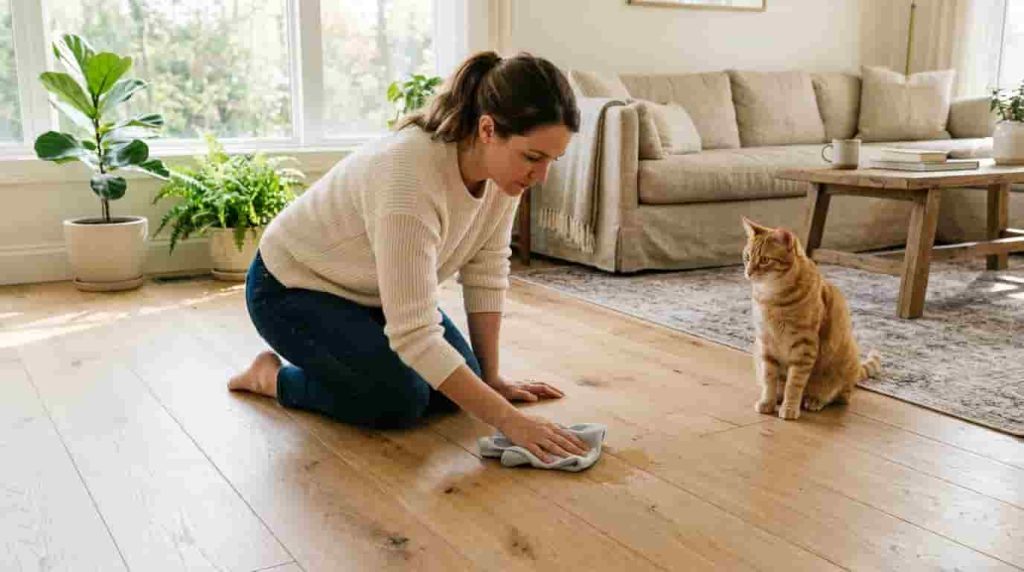
Protecting your cat wood floor comes down to fast action and gentle enzyme treatments. You now know why harsh bleach and vinegar ruin glossy wood sealants permanently.
Enzymatic sprays break down tough uric acid crystals while preserving your fine floor finish. Waterproof litter mats and trimmed claws prevent future surface damage effortlessly.
Essential Maintenance Tips for Wood Floor for Cat Owners
Every wood floor for cat owners benefits from simple daily care routines. Maintaining a clean cat wood floor requires consistent monitoring around feeding zones and litter areas.
Taking proper care of your living space ensures long-lasting beauty and a fresh home environment. Simple daily adjustments keep your wooden surfaces shining while your pets stay happy.
A cat wood floor stays beautiful when you clean up accidents right away. What safe cleaning methods work best on your home surfaces?
Share your personal cleaning experiences and tips in the comments section below!
Frequently Asked Questions
Uncleaned urine causes permanent dark stains and wood rot over long periods. Fast action with enzymatic cleaners prevents deep liquid penetration and preserves clear sealants. Addressing spills immediately keeps natural wood boards healthy and attractive.
Yes, acidic vinegar dulls and strips clear polyurethane finishes over time. Acids break down protective surface layers, leaving raw wood vulnerable to future liquid stains. Always use pH-neutral or specialized enzymatic cleaners on hardwood surfaces instead.
Use a handheld blacklight in a dark room to locate hidden urine spots instantly. Uric acid crystals fluoresce brightly under ultraviolet light, revealing exact stain boundaries clearly. Mark these areas gently with blue painter’s tape for targeted cleaning treatments.
Cats avoid litter boxes due to urinary health issues, stress, or dirty litter conditions. Sudden behavioral changes warrant a quick consultation with your local veterinarian. Cleaning old spot odors thoroughly prevents pets from returning to the same location.
Allow enzymatic cleaners to sit on damp wood for ten to fifteen minutes maximum. Prolonged liquid exposure causes raw wood edges to swell or warp over time. Wipe the area thoroughly dry with clean microfiber cloths after treatment completes.