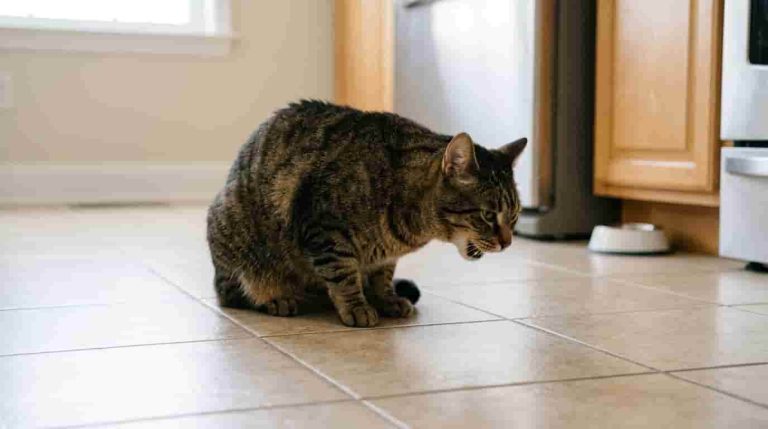

Cat Picky Eaters: How to get a stubborn cat to try new food.
Introduction:
Cat Picky Eaters create huge amounts of daily stress and worry for dedicated pet parents all over the world. Does your favorite feline walk up to a fresh bowl of premium meat, sniff it once, and walk away? Many frustrated owners buy multiple expensive brands trying to please a stubborn companion that turns its nose up continuously. However, understanding the true biological reasons behind these Cat Picky Eaters habits will help you fix mealtime battles permanently.
This expert guide will examine how subtle changes in temperature, texture, and whisker fatigue affect natural feline appetite patterns. First, we will analyze why your domestic companion suddenly refuses to eat their regular morning kibble or wet food. Next, you will discover real world feeding strategies for picky cats to make transition periods completely smooth and painless. Finally, we will share simple household tricks to create enticing food for picky cats using healthy, aromatic flavor toppers.
Protecting your pet’s metabolic health requires moving past stressful force feeding methods to find reliable, friendly picky cat solutions. Let us look closely at the true science of feline food preferences to improve your care routine today.
Cat Picky Eaters: The Underlying Biological Drivers of Finicky Feline Behavior

Understanding the true nature of Cat Picky Eaters requires looking beyond simple stubbornness or bad attitude traits in your pet. Felines possess highly specialized ancestral survival mechanisms that make them incredibly cautious about trying unfamiliar food sources or smells. Therefore, a sudden shift in the shape or smell of their kibble can trigger an instant refusal response. This defensive behavioral instinct helps wild animals avoid consuming toxic or spoiled prey items in nature.
Additionally, household finicky cats are highly sensitive to the physical temperature and freshness of their daily meat portions. Cold wet food straight from the refrigerator lacks a strong aroma, which makes it highly unappealing to a carnivore. Many owners mistake this sensory dislike for a signs of a permanent medical problem or complete behavioral rejection.
Furthermore, narrow plastic dishes can cause painful whisker fatigue when your pet’s sensitive facial hairs rub against the sides. This physical discomfort can cause an anxious animal to abandon its dinner bowl halfway through the afternoon meal time. This environmental problem shows why finding effective picky cat remedies requires adjusting your home setup. Let us examine how different environmental factors impact fussy cat eating habits across the household.
| Environmental Factor | Direct Physical Effect on Felines | Simple Practical Solution |
| Narrow Plastic Bowls | Triggers painful whisker fatigue and stress during chewing | Switch to wide, flat ceramic plates or metal saucers |
| Cold Refrigerator Food | Reduces the natural aroma molecules of the meat completely | Warm the wet food to body temperature before serving |
| Noisy Dining Locations | Causes high baseline anxiety and fear of sudden ambush | Move the feeding dish to a quiet, elevated corner |
Overcoming Food Rejection Traps Through Environmental Comfort

Dealing with picky eating in cats becomes much easier when you focus on creating a predictable and calm dining space. Anxious animals will quickly abandon their dinner dishes if a loud appliance startles them during a meal session. For example, a local pet owner named Tunde noticed his domestic shorthair cat stopped eating its wet meat entirely.
He realized that placing the food bowl next to a noisy washing machine caused his pet severe emotional stress. He read our helpful article on Cat Feeding Schedules: Should you free feed or use set times to re-establish a structured routine.
Consequently, the calm animal began finishing its meals reliably because it knew exactly when and where food would appear. This successful household change shows how proper timing can cure a cat won’t eat crisis caused by environmental fear. Let us look at how reading ingredient panels can further help you understand your companion’s specific needs.
Analyzing Nutrition Profiles to Match Natural Carnivore Desires

Selecting the best cat food for picky eaters requires identifying formulas that match the natural ancestral diet of felines. Many commercial products use cheap grain fillers that lack the strong meat flavors your domestic hunter naturally craves. To improve your shopping results, read our guide on Cat Food Labels: How to spot the best ingredients for health right away. Choosing high protein recipes ensures your companion receives the rich amino acids necessary to stimulate a weak appetite.
Protecting the Intestinal Tract From Outdated Kitchen Traditions
Many well meaning owners try to entice a stubborn pet by mixing heavy cow cream into their daily kibble dishes. However, this old tradition can cause severe stomach inflammation because adult companion animals cannot process dairy sugars properly. To keep your pet safe, check our insights on Cat Milk Myth: Why cows milk is actually bad for felines today. Avoiding dairy products helps prevent the painful gas and nausea that makes a finicky cat food aversion much worse.
Smart Transition Tactics to Prevent a Cat Refuses to Eat Emergency

Fixing the habits of Cat Picky Eaters requires a slow, progressive transition plan over a period of ten days. Never switch your pet’s diet overnight because sudden changes can shock their sensitive stomach and cause immediate vomiting. This physical discomfort creates a negative association with the new brand, making future food changes incredibly difficult to achieve. Therefore, you should mix a tiny amount of the new food into their familiar brand during the first few days.
Gradually increase the percentage of the new recipe while lowering the old brand portion over the next week. According to professional nutritional guidelines published by PetMD, this gentle method allows their gut flora to adapt safely. This careful approach prevents the onset of diarrhea and helps your pet accept the new flavor profile without panic. Let us look at how to use healthy flavor enhancers to make their meals much more enticing.
Utilizing Effective Tips for Picky Feline Eaters at Home

Discovering how to feed a picky cat involves using their intense sense of smell to your advantage during mealtimes. You can pour a spoonful of warm, sodium-free chicken bone broth directly over their dry kibble pieces. This simple addition creates a rich gravy that mimics the temperature of fresh prey, which stimulates their hunting drive. Furthermore, this fluid addition supplies vital hydration to support their long term kidney health and general metabolic wellness.
Additionally, you can sprinkle a pinch of freeze-dried bonito flakes or pure nutritional yeast over the meat surface. These natural toppers contain high amounts of umami flavors that active Cat Picky Eaters find absolutely impossible to resist. This simple trick allows you to upgrade their nutrition without resorting to unhealthy treats or expensive gourmet brands. Following these tips for picky cats will turn stressful daily mealtimes into a fun bonding experience for your household.
- Store opened wet food cans in airtight glass jars to preserve their natural flavor freshness.
- Avoid leaving wet food out for more than thirty minutes to prevent bacteria from growing.
- Play with your pet for ten minutes before meals to stimulate their natural appetite biology.
- Keep your pet’s dining area completely clean and free from old food crust residue.
When to Seek Veterinary Intervention for Sudden Loss of Appetite

Differentiating a simple preference for specific flavors from a serious internal medical crisis requires tracking your pet’s energy levels. If your companion animal refuses all food for over twenty four hours, contact a professional clinic immediately. Going without nutrition for a few days can cause a heavy pet to develop a fatal liver illness called hepatic lipidosis.
Therefore, you should reach out to the experts at VCA Animal Hospitals to schedule an urgent physical examination. A trained doctor will inspect your pet’s mouth for painful dental ulcers or broken teeth that make chewing impossible.
Treating these underlying health issues ensures your favorite domestic friend can return to their normal eating routine safely. Your quick response protects your beloved animal companion from experiencing severe dehydration or dangerous muscle wasting conditions over time. Keep a close watch on their daily behavior to ensure they remain happy and comfortable through every season.
Conclusion
In conclusion, managing your daily Cat Picky Eaters challenges requires a smart blend of patience, environmental adjustments, and slow food transitions. By understanding how whisker fatigue and food temperature impact their appetite, you can design a stress-free dining experience. These simple adjustments eliminate mealtime anxiety while keeping your domestic companion properly nourished and full of energy every day.
Always utilize flat ceramic dishes and add warm aromatic broths to overcome the natural defenses of stubborn finicky cats. Your steady devotion will ensure your favorite animal companion stays playful, healthy, and deeply bonded to you for years. With these proven Cat Picky Eaters strategies in place, you can confidently support your pet’s health throughout their life.
Has your beautiful domestic friend ever successfully tried a new brand of food after rejecting multiple options before? Please share your personal pet food success stories and drop your unique training questions in the comment section down below!
Frequently Asked Questions
Your pet may refuse food due to whisker fatigue caused by narrow bowls or because the food is too cold. Felines also possess a natural survival instinct that makes them highly suspicious of unfamiliar scents and textures.
The quickest way is warming their wet food to body temperature or adding a spoonful of warm bone broth. This simple trick releases strong meat aromas that instantly trigger your companion’s natural hunting and eating drives.
Yes, high baseline anxiety from loud noises or bullying by other pets can easily cause a cat to avoid its dish. Moving the bowl to a quiet, elevated location will help your companion feel safe enough to eat.
A feline should never go without food for more than twenty four hours at a time. Fasting for longer periods can cause a dangerous accumulation of fat in the liver, which requires urgent veterinary care.
The best choice is a grain-free, high-protein wet canned food that lists real meat as the very first ingredient. Wet foods provide the rich texture and strong aroma that active companion animals naturally prefer over dry kibble.