
Cat Bite on Hand: Symptoms, Treatment, Infection Risks and When to Worry.
Introduction
A Cat Bite on Hand demands prompt attention because even small puncture wounds can escalate quickly. Cat teeth act like hypodermic needles, injecting bacteria deep into tight spaces where tendons, joints, and blood vessels live. This initial guide to cat bite treatment and cat bite first aid highlights why these injuries require vigilance. Whether you are dealing with an infected cat bite, wondering about the cat bite healing process, or assessing cat bite symptoms, understanding the risks helps prevent severe complications. Readers will learn essential first aid steps, infection warning timelines, when cat bite antibiotics become necessary, and the critical thresholds for seeking emergency medical care.
Why a Cat Bite on Hand Can Be More Serious Than It Looks
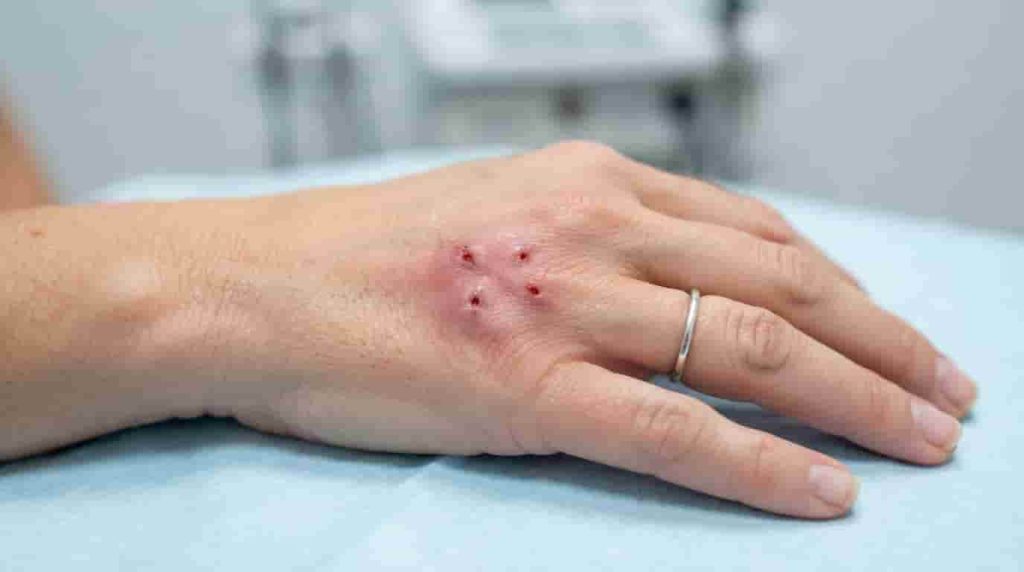
A cat’s sharp teeth create deep puncture wounds that can trap bacteria beneath the skin, especially in the hand where tendons and joints are close to the surface. Puncture wounds close rapidly over trapped pathogens, creating an enclosed environment ideal for bacterial growth. The intricate hand anatomy—comprising delicate tendons, ligaments, joints, and dense networks of blood vessels—allows bacteria to track rapidly along anatomical planes. Furthermore, deep puncture wounds offer reduced drainage compared to open lacerations, letting bacteria multiply unchecked. Even indoor cats harbor diverse oral microflora that can introduce harmful bacteria upon breaking the skin. Effective cat bite wound care and attentive cat bite care are essential from the moment the injury occurs to mitigate these structural risks.
What to Do Immediately After a Cat Bite on Hand

Step 1 – Wash the Wound Thoroughly
Wash the wound thoroughly using mild soap and running water. Perform a gentle cleaning process, allowing the water to flush the puncture channel for at least five minutes. Avoid aggressive scrubbing, as harsh physical force can push surface bacteria deeper into the tissue or damage delicate skin cells.
Step 2 – Encourage Gentle Bleeding If Appropriate
Allowing slight, natural bleeding may help flush out bacteria introduced during the puncture. Do not squeeze or massage the hand aggressively, as excessive pressure can damage local tissue and spread pathogens further into the hand structure.
Step 3 – Apply Antiseptic and Cover the Bite
Apply a mild antiseptic to the cleaned surface and cover the bite with a sterile, clean dressing. Change the bandage daily, inspecting the area during each change to keep the wound clean and monitor for early changes.
Step 4 – Decide Whether Medical Care Is Needed
Evaluate the depth and location of the injury to determine the next steps. Proper initial measures overlap heavily with standard cat bite first aid and early cat bite treatment, but hand punctures almost always warrant professional oversight.
Cat Bite on Hand Symptoms to Watch For

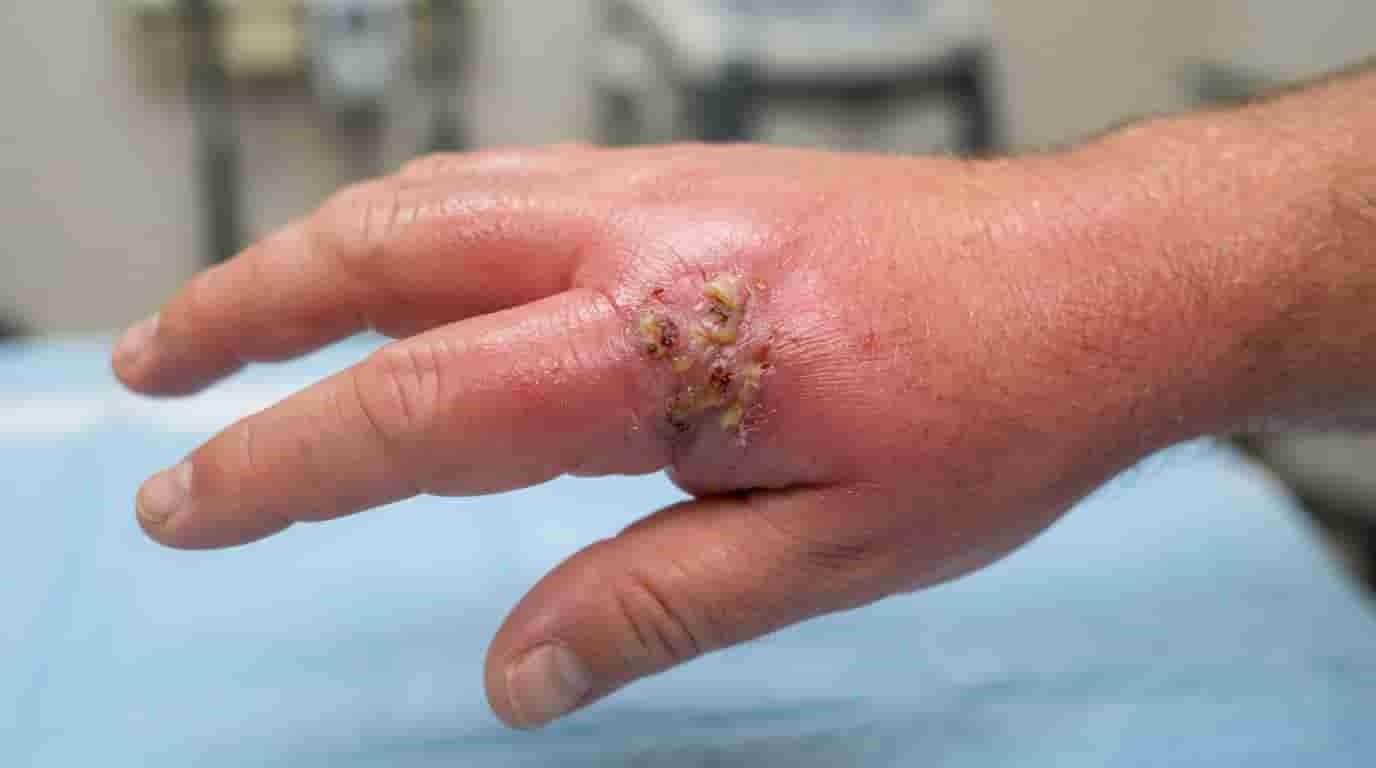
Monitoring cat bite on hands symptoms is vital for catching complications early. Normal early healing may involve mild soreness, slight redness, and a small amount of swelling immediately following the puncture. However, concerning symptoms include rapidly increasing redness, skin that feels unusually warm to the touch, visible pus drainage, fever, swollen lymph nodes, and severe, escalating pain. Recognizing these cat bite symptoms and potential cat bite infection symptoms early ensures timely intervention. For broader context on infection markers, resources like Cat Bite Symptoms: Signs of Infection, Rabies and When to Worry
offer detailed reference points.
Is Cat Bite Swelling Normal?
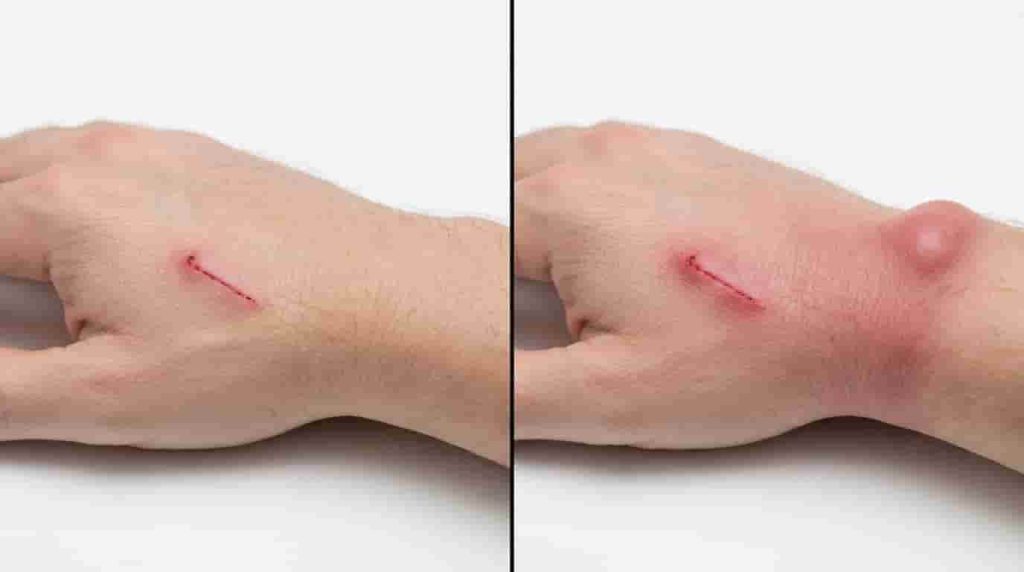
Mild swelling around a puncture site is normal early inflammation as the body responds to trauma. However, when swelling becomes concerning, it signals a deeper pathological process. Watch for rapid swelling, spreading redness, loss of finger movement, or severe tenderness. Dealing with cat bite swelling, cat bite on hands swollen, or cat bite on hands swelling requires distinguishing standard inflammatory responses from aggressive bacterial proliferation.
When Does a Cat Bite Become Infected?
The infection timeline for feline punctures is notoriously fast, with symptoms often appearing within 12 to 24 hours. This rapid onset occurs because cats frequently harbor Pasteurella multocida, a fast-acting bacterium, alongside Staphylococcus species and Streptococcus species. Because these pathogens multiply swiftly in low-oxygen environments, recognizing an infected cat bite and initiating prompt cat bite infection treatment can prevent systemic illness.
Signs You Should See a Doctor Immediately
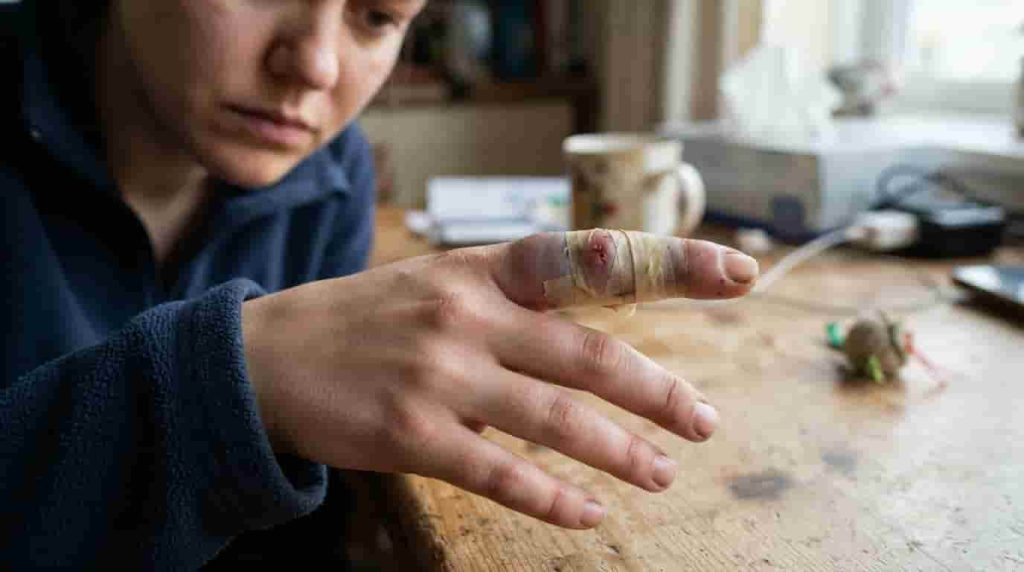
Knowing when to worry about a cat bite on hand? is critical for preventing permanent hand dysfunction. Seek immediate medical evaluation if the bite occurs directly over a joint, involves tendon structures, targets the fingers, or consists of deep puncture wounds. Other red flags include fever, spreading red streaks, loss of movement, numbness, significant swelling, persistent bleeding, or if you are immunocompromised or managing conditions like diabetes. Understanding when to see a doctor for cat bite scenarios—particularly for a deep Cat bite on finger injury—prevents minor punctures from turning into surgical emergencies.
Do You Need Antibiotics for a Cat Bite?
Many hand punctures receive preventive antibiotics because of the high risk of rapid bacterial colonization, though not every minor scratch automatically requires pharmaceutical intervention. Professional evaluation remains essential to assess tissue depth and pathogen exposure. Healthcare providers frequently prescribe specific oral or intravenous regimens to target common feline pathogens, guiding effective cat bite antibiotics and overall infected cat bite treatment. For a deeper look at clinical protocols, reviewing professional guidelines via the Merck Veterinary Manual – Bite Wounds and Zoonotic Infections
highlights the clinical rationale behind these choices. When patients ask about what is the best antibiotic for cat bites, clinicians select broad-spectrum options tailored to anaerobic and aerobic bacteria common in animal mouths. Proper cat bite treatment: first aid, symptoms and when to seek help protocols heavily emphasize avoiding self-medication.
Can a Cat Bite Damage Tendons, Veins, or Joints?
Puncture trauma can directly compromise critical hand structures. Tendon involvement often manifests as difficulty bending fingers or sharp pain during movement. While direct injury to major veins is rare, localized bleeding concerns still require monitoring. If a bite penetrates the joint capsule, septic arthritis can develop rapidly. Evaluating a cat bite on hands tendon or a cat bite on hand vein requires specialized physical examination by a clinician.
Could It Be Cat Scratch Disease Instead of a Bite Infection?
Understanding the difference between a direct wound infection and systemic vector illness is important. While a typical cat bite infection presents locally and develops quickly due to aggressive oral bacteria, cat scratch disease is caused by Bartonella henselae and often develops days or weeks later. A painful puncture usually precedes localized bacterial symptoms, whereas cat scratch infection frequently features delayed swollen lymph nodes. Comparing cat scratch disease and cat scratch infection clinical profiles helps clarify diagnostic paths.
What About Rabies After a Cat Bite?
Rabies risk depends on local animal disease prevalence, the cat’s vaccination status, and the animal’s behavior prior to the incident. If exposure cannot be ruled out, medical evaluation may recommend post-exposure treatment. For comprehensive insights into immunization schedules and transmission vectors, consult the Centers for Disease Control and Prevention (CDC) – Animal Bites and Rabies
. Detailed guidance is also available in Cat Bite Rabies: Symptoms, Risks, Vaccines and When to Seek Help
How Long Does a Cat Bite on Hand Take to Heal?
Minor wounds with prompt care often resolve within a few days to a week. Moderate wounds involving deeper tissue require a longer recovery timeline. Infected bites demand medical treatment, extending healing times significantly. Tracking the cat bite healing process helps gauge whether recovery is proceeding normally or stalling due to underlying inflammation.
Common Mistakes That Increase Infection Risk
- Ignoring a small puncture wound because it appears superficial.
- Delaying initial washing and antiseptic application.
- Skipping professional medical evaluation for deep hand bites.
- Stopping prescribed antibiotics early once initial symptoms subside.
- Using unapproved home remedies or tight, non-breathable seals.
- Covering dirty wounds without proper irrigation.
- Waiting until severe swelling or tissue necrosis develops.
A Hypothetical Example
Consider a hypothetical scenario where a cat owner sustains a puncture wound on their hand while separating two fighting cats. Recognizing the risk, they immediately wash the hand thoroughly with soap and running water, apply an antiseptic dressing, and monitor symptoms closely. Within twelve hours, mild soreness gives way to spreading redness and warmth. They visit an urgent care center promptly, receive a targeted course of cat bite antibiotics, and achieve full recovery without long-term structural damage.
Preventing Future Cat Bites
- Learn to read feline body language and respect stress signals.
- Avoid rough play that encourages biting or scratching behaviors.
- Use thick towels or barriers during multi-cat emergencies.
- Introduce new pets carefully and gradually.
- Maintain regular veterinary care to manage behavioral or health issues.
- Teach children safe ways to interact with pets.
Conclusion
A cat bite on the hand should never be ignored. Early cleaning reduces infection risk dramatically, while prompt medical care can prevent serious complications. Watch closely for worsening symptoms and consult healthcare professionals immediately if warning signs appear.
Frequently Asked Questions
1. Can I treat a cat bite on my hand at home?
Initial washing and first aid can be performed at home for very superficial scratches, but hand bites generally warrant medical evaluation due to high infection risks.
2. Why do cat bites become infected so easily?
Cat teeth are sharp and narrow, creating deep puncture holes that seal over and trap oral bacteria deep within closed hand tissues.
3. Should I go to urgent care for every cat bite on the hand?
Because the hand contains delicate joints and tendons close to the skin, professional assessment is recommended for almost all deep or puncture-type cat bites.
4. Can an indoor cat bite still cause an infection?
Yes, indoor cats carry similar oral bacteria to outdoor cats, meaning any puncture that breaks the skin carries a significant infection risk.
5. Will every cat bite leave a scar?
Not every bite leaves a permanent mark, but deep puncture wounds or infected sites carry a higher likelihood of localized scarring depending on healing efficiency.