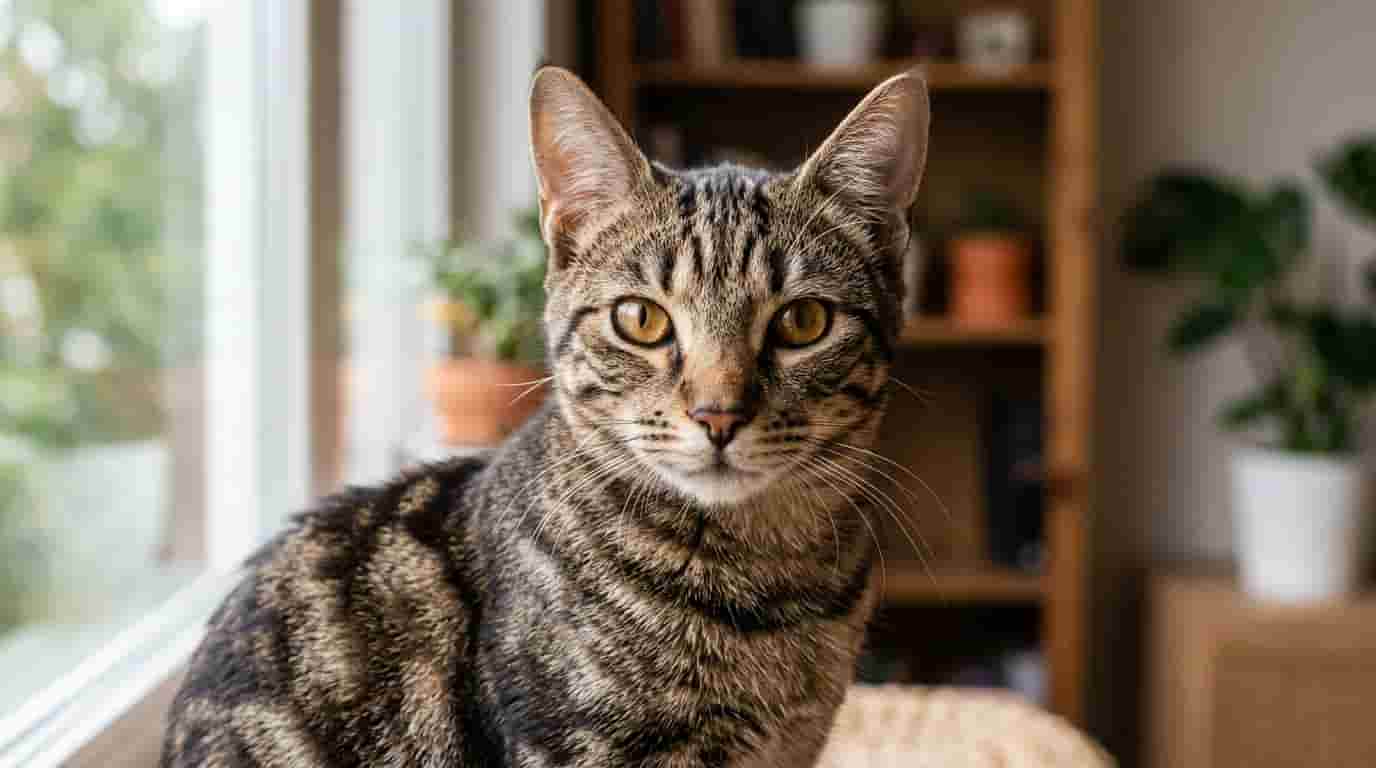
Sokoke Cat: The Rare Forest Cat With a Wild Appearance
Introduction:
Sokoke Cat enthusiasts often wonder if their pet truly belongs in a home or out in the wild. Have you ever seen a cat that looks exactly like a small, spotted leopard? Most people assume such a creature must live in the jungle. However, this cat loves your living room just as much.
The story of the Sokoke Cat remains a mystery to many. They appeared in a coastal forest in Kenya, far from typical cat breeding circles. People noticed their unique patterns and athletic bodies quickly. Soon, experts began to realize this African cat breed possessed something special.
The Secretive Sokoke Cat History and Origins
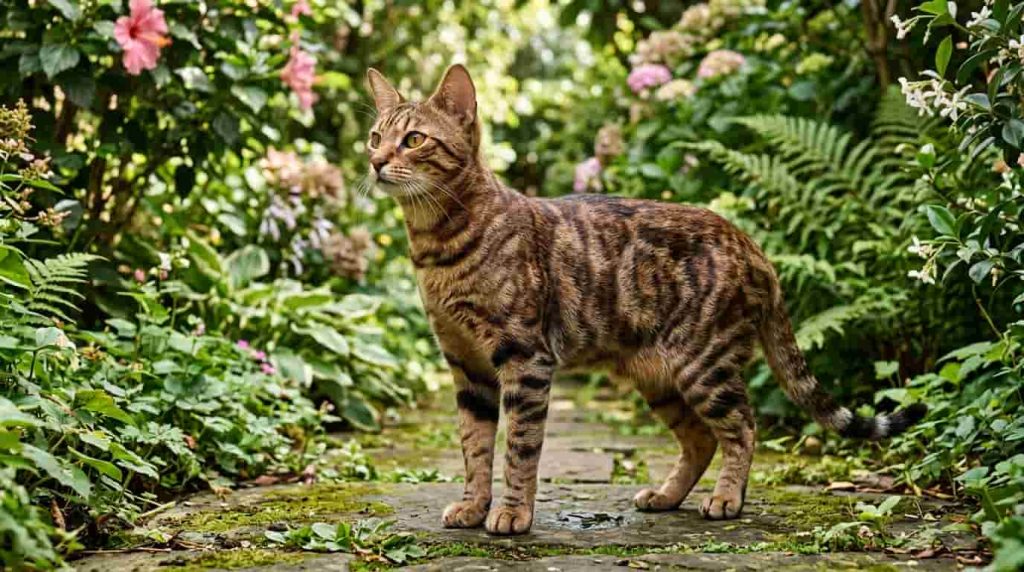
The Sokoke Cat history starts in a place called the Arabuko Sokoke Forest. Local people lived alongside these cats for a very long time. They called them Kadzonzo. These cats moved with a grace that few house cats possess.
Later, a visitor spotted them and brought a few kittens home. Because they were so different, they gained fame as a rare cat breed. Many wondered if they were hybrids with wild cats. Scientists later confirmed they are a distinct domestic breed. You might enjoy learning about the Norwegian Forest Cat: The Ancient Viking Cat Built for Harsh Winters to see how other environments shape cats. This breed stays lean and agile, perfect for climbing trees in the African sun.
Understanding Sokoke Cat Characteristics
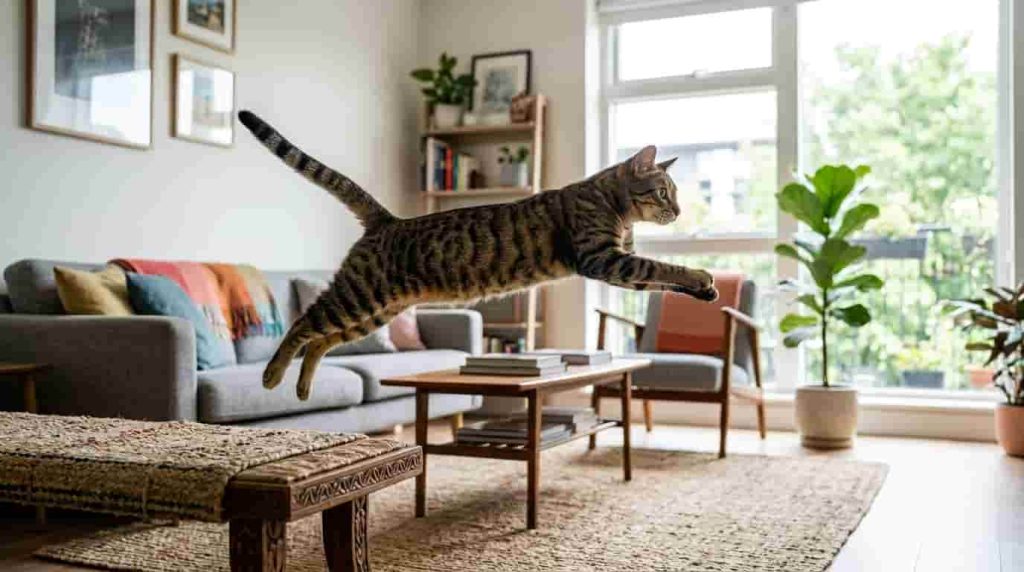
The Sokoke Cat characteristics include a coat that resembles tree bark. This pattern helps them hide in the wild forest. When you watch them run, they look incredibly fast and strong. Every muscle moves with a clear purpose.
You might want a more relaxed pet if you prefer a quiet house. For instance, the British Shorthair Cat: Everything You Need to Know About This Calm Companion offers a steady, calm vibe. But the Sokoke cat personality demands plenty of action and playtime. They will keep you on your toes all day long.
Why the Sokoke Cat Breed Is So Special
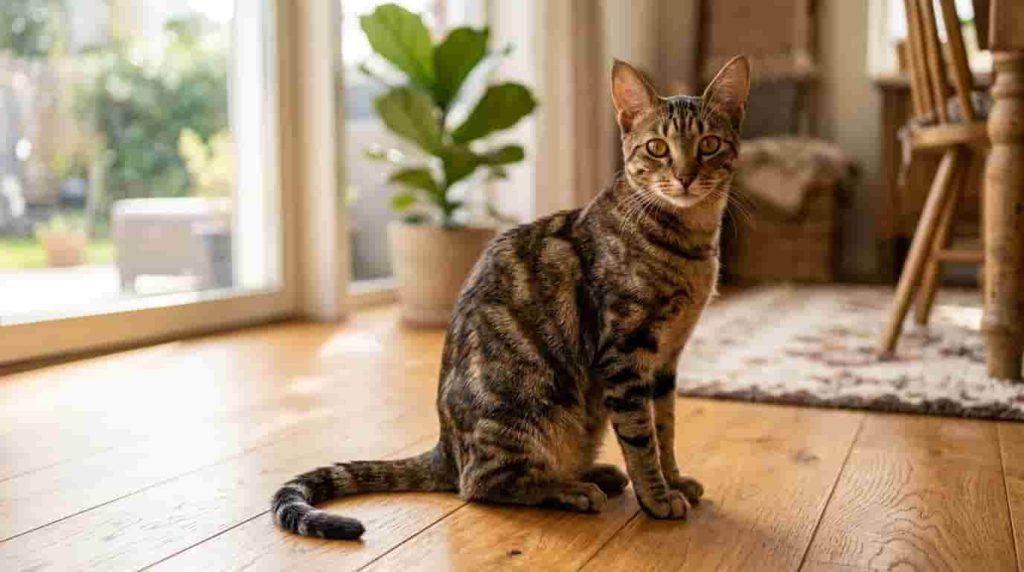
You might compare their unique movement to other active cats. The Ragdoll Cat Personality: Why This Gentle Giant Wins Every Heart surprises people with their total lack of energy. In contrast, the Sokoke Cat acts like a constant, energetic hunter. They enjoy jumping, climbing, and exploring every corner of your home.
Finding a rare cat breed feels like a major discovery. Because they originated in a specific part of Kenya, they remain quite rare today. A dedicated group of breeders works to keep the line pure. Now, they represent one of the most exciting additions to the cat fancy. You can find them in homes where people appreciate a living piece of African history.
The Search for a Sokoke Cat Adoption
A real Sokoke Cat needs lots of human attention. They do not like to be left alone for long periods. They will follow you from room to room to see what you do next. If you enjoy a cat that acts like a loyal friend, you might love this unique feline breed.
You should always look for a reputable source if you decide to find one. Ethical breeders focus on the health and personality of the kitten. They will provide all the necessary Sokoke Cat information you need. Never rush into a decision without knowing the history of your new friend.
Understanding Sokoke Cat Care and Needs
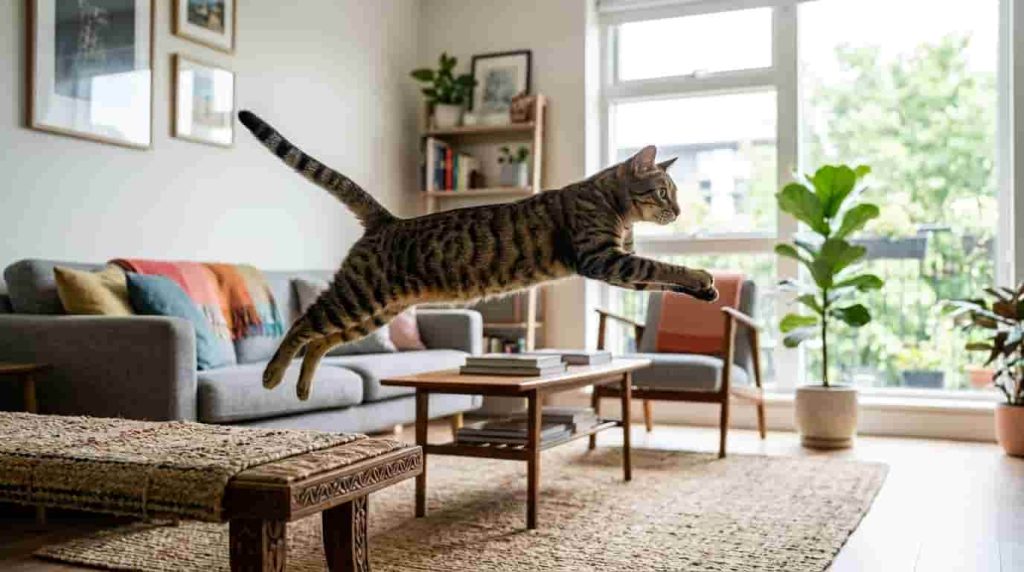
Owning such a special animal requires commitment to their well being. They need high quality food and regular vet visits. Keeping their short coat clean and shiny takes very little effort. They usually enjoy grooming themselves, but they love a soft brush.
Their intelligence means they learn tricks quite quickly. You can teach them to fetch or sit with just a few sessions. They enjoy having a job to do because it keeps their mind busy. If you think they are only beautiful, their clever actions will change your mind.
Exploring Sokoke Cat Facts and Traits
Some people search for a Sokoke Cat because they love the spotted look. They bring the beauty of the wild into your home. Their eyes shine with a deep, alert intelligence. It almost feels like they know what you are thinking.
If you like interesting physical traits, you should also consider other rare cat breeds. Each one brings a set of surprises to your home. You just have to decide what type of companion fits your lifestyle best. Check PetMD for more facts about keeping your active cat healthy and happy.
Life With a Sokoke Cat
You will never have a dull moment with this breed. They possess a vocal personality that lets you know exactly what they want. Whether they want a snack or some fun, they use their voice. They act like a tiny person trapped in a cat’s body.
They also get along well with other pets in your house. They like to play and chase after toys with other cats or dogs. However, they prefer to be the leader in any group. They establish their spot with a gentle paw and a confident look.
Maintaining the Unique Feline Breed Standard
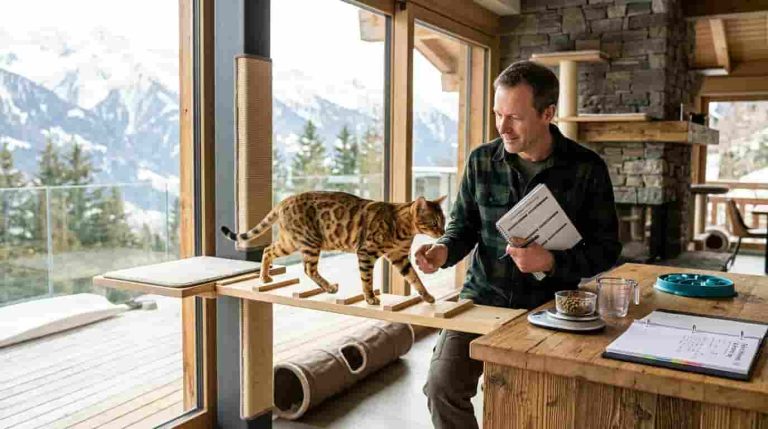
Because they represent such a unique feline breed, they deserve the best care. Provide them with safe toys and plenty of vertical space. They love to climb and observe the world from above. A tall cat tree makes them feel like the master of their territory.
Always keep their litter box clean to ensure they stay happy. They are very particular about their bathroom habits. A clean environment prevents stress and keeps them healthy. When you provide a great home, they reward you with years of affection.
Conclusion
The Sokoke Cat captures the heart of anyone lucky enough to meet one. They carry the spirit of the African forest into our modern homes. From their spotted coats to their athletic bodies, they look like a living dream. If you want a rare and intelligent friend, this breed might be your perfect match. Do you own a cat with a wild appearance or a unique history? Share your experience with us in the comments!
Frequently Asked Questions
Yes, they are considered rare and usually carry a high price tag. Their history and limited breeding numbers contribute to the cost.
They are generally healthy and robust cats. Always talk to a breeder about the health history of the parents.
Yes, they are a domestic breed from Kenya. They are not wild hybrids, though they retain many athletic traits from their ancestors.
With good care, they often live between 12 and 15 years or more. Regular vet visits help them reach their full lifespan.
It is extremely rare to find one in a shelter due to their high value and rarity. Most people find them through specialized breeders.