
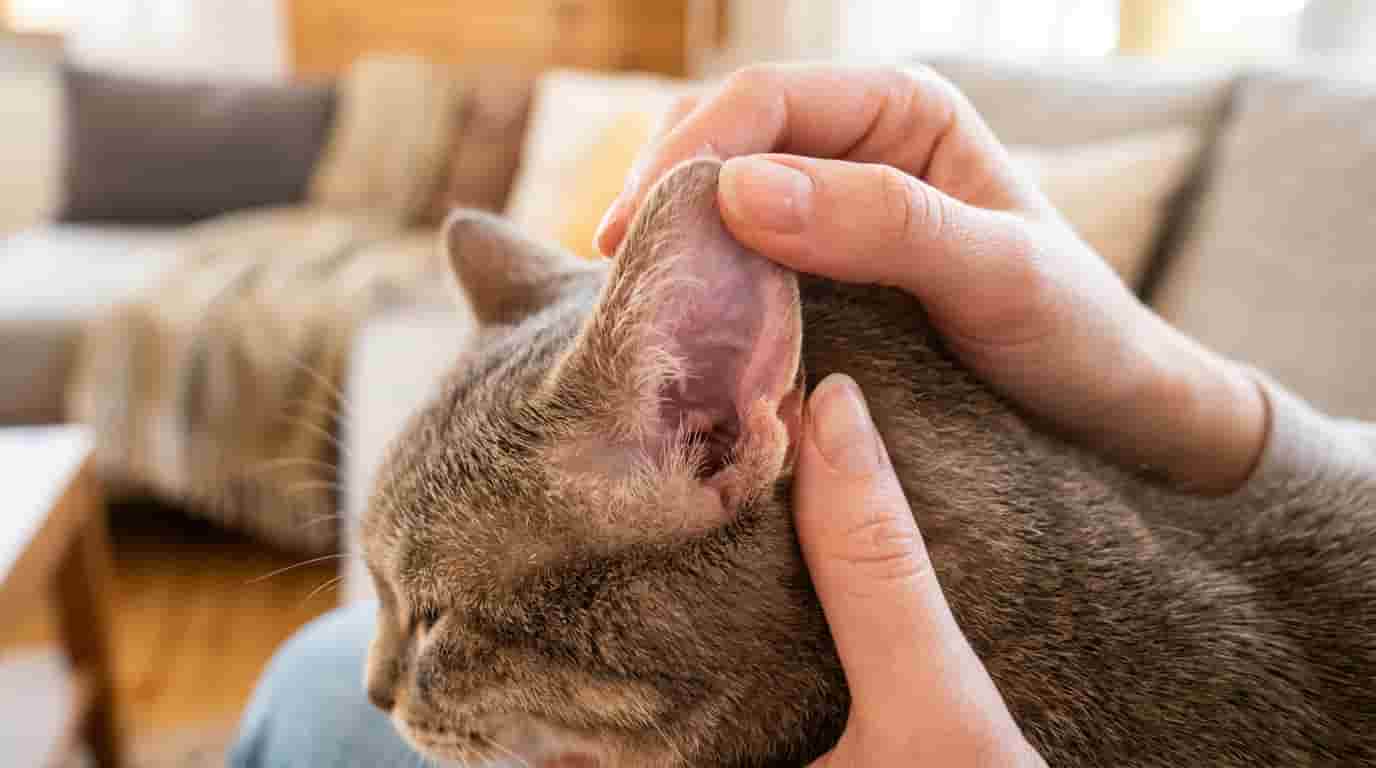
Cat Ear Tufts: The purpose of those little hairs on top.
Introduction:
Cat Ear Tufts often catch the attention of owners who stare at their sleeping pets. Have you ever wondered why some cats have long, wispy hairs growing from their ear tips? Most people see these features as simple decoration. However, this small trait serves a very specific purpose in the wild.
Nature rarely designs anything without a reason. The cat ear tufts you see provide sensory data to the animal. Furthermore, they help keep debris out of the ear canal. This history explains why they appear on many breeds today. You might wonder if your own cat has the right kind.
The Secret Evolution of Cat Ear Tufts

The cat ear tufts evolution began as a way to protect the inner ear. Because wild ancestors lived in harsh climates, they needed extra defense. These feline ear hair structures acted like a filter against snow and dirt. Consequently, the cat stayed alert even during a blizzard.
You might notice these cat breed features vary significantly between individuals. Some cats possess massive, thick tufts. Others show only a slight wisp of fur. This difference often comes down to genetics. Therefore, breeders pay close attention to these traits during selection.
Understanding the Function of Tufted Ears
The cat ear tufts provide more than just protection. They actually channel sound waves directly into the ear canal. As a result, the cat hears small movements from a greater distance. This advantage proved vital for survival in the deep forest.
If you ever worry about your cat, remember they have many complex tools. For example, you can learn about other sensors by reading Cat Whiskers Falling: Is it normal to find them on the floor. to understand how they navigate. Additionally, learn more about their unique appearance in Cat Paw Pad Colors: Why some have pink beans and some have black. to see how variety works. Every small detail plays a role in their life.
How to Handle Cat Ear Grooming and Care

Proper cat ear grooming keeps your pet happy and comfortable. You should check their ears every week for dirt or signs of wax. Because these tufts collect dust, they need light maintenance. Always use a soft, damp cloth for the outer part.
Avoid pushing anything inside the ear canal. The VCA Animal Hospitals experts suggest that the ear cleans itself naturally. However, you should monitor for any strange smells or redness. If you see signs of trouble, call your veterinarian immediately.
Best Practices for Ear Tufts Care
The cat ear tufts require careful attention during your regular sessions. Do not pull on the hair while brushing them. Instead, gently wipe the area to remove trapped particles. Finally, offer a treat to make the process a positive experience.
Your cat will learn to appreciate the attention eventually. Because they value trust, start slow during your first attempt. Furthermore, keep the environment quiet so they stay relaxed. Consistency makes the job easier for both of you.
Exploring the Domestic Cat Ear Traits
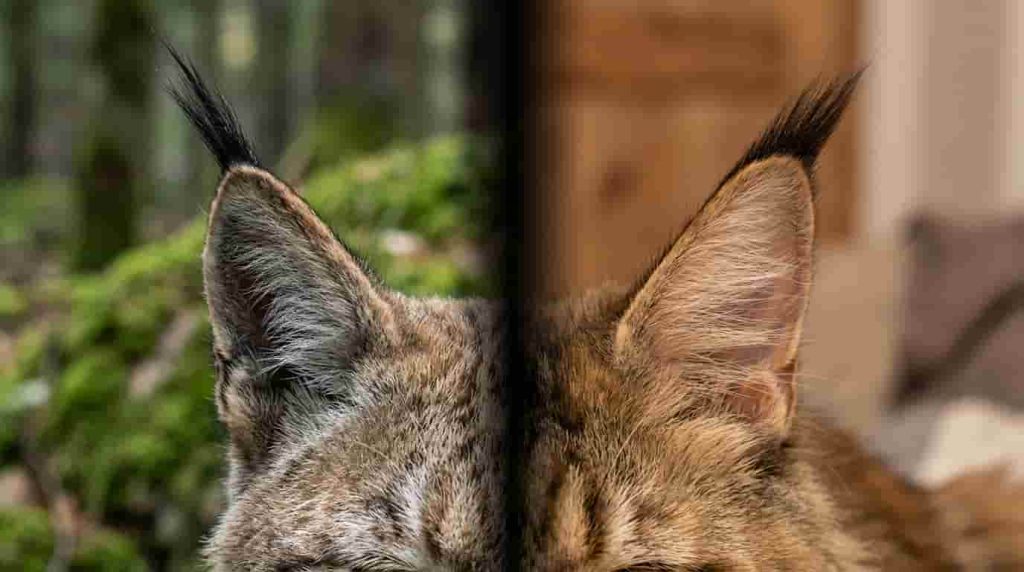
The domestic cat ear traits include more than just the tips. We also see tufts growing from inside the ear. These fluffy cat ears serve as a secondary shield against insects. Additionally, they help manage the internal temperature of the ear.
You might notice that different breeds show unique styles. For instance, some Maine Coons have tufts that reach impressive lengths. These kitty ear tufts make them look quite regal. Thus, they became a hallmark of the breed’s standard appearance.
Why Cat Ear Hair Is So Important
The cat ear hair acts like a sensory antenna for the cat. Because they live as predators, they need every advantage. Consequently, the cat ear tufts alert them to subtle changes in air pressure. This helps them track prey with great precision.
Owners often find this fascinating to watch during play. You can observe your cat’s reaction to a tiny sound. Next, watch how their ears swivel toward the noise. This coordination shows how they use every body part perfectly.
Managing Cat Ear Health and Hygiene

Maintaining cat ear health requires a keen eye from the owner. Because you see them every day, you notice changes quickly. Watch for any excessive shaking or scratching. These actions often signal an infection or parasites.
Always remember that cat ear care involves balance. Do not over-clean the area as it removes natural oils. Instead, focus on keeping the tufted cat ear tips clear of debris. Furthermore, keep an eye on your cat’s behavior to gauge their comfort.
Unique Aspects of Tufted Cat Ears
The tufted cat ears provide a classic look that enthusiasts love. We see these traits in many different lineages today. Because they look so cute, they become a point of pride for owners. Yet, they remain highly functional for the animal.
You might enjoy documenting the growth of these hairs over time. My own cat grew longer tufts as they aged. This discovery felt like a fun milestone for us. Therefore, keep taking photos as your cat grows into their features.
The Science of Feline Ears and Sensory Input

The feline ears function as a highly sensitive sound machine. They can hear frequencies far beyond human range. Because cat ear tufts assist this process, they occupy an important role. Without them, the cat would lose a piece of their awareness.
This sensory input dictates how they interact with the world. When they move, they process a massive amount of data. Thus, we should respect their ears as a critical organ. Always treat them with the same care as their eyes or paws.
Connecting With Your Cat Through Observation
Observing your cat leads to a better bond for both parties. You see how they express their mood through their tail movements. You can read about this in Cat Tail Twitch: Why the tip moves while the rest is still. to get more insight. By studying these traits, you become a better caretaker.
Your cat appreciates when you understand their needs. Whether it is ear cleaning or just play, stay engaged. As a result, your pet feels safer and more secure in your home. That connection makes all the hard work worth it.
Conclusion
The cat ear tufts remain a fascinating piece of natural engineering. They protect the ear and sharpen the hearing of our beloved pets. By providing simple care, you ensure your cat stays happy and alert. Do you have a cat with long, fluffy tufts on their ears? Please share your story in the comments and let us know!
Frequently Asked Questions
No, not every cat has them. While many breeds have prominent tufts, some cats have smooth ears with no extra hair.
You should never trim them unless your veterinarian instructs you to do so. They serve a purpose, so it is best to leave them alone.
Use a soft, damp cloth to gently wipe the area. Do not push anything into the ear canal, as this can cause injury.
They are common in breeds like the Maine Coon or Norwegian Forest Cat. However, domestic cats can also inherit this feature naturally.
They do not cause infections by themselves. However, if they trap too much debris, they might contribute to an unhealthy environment.