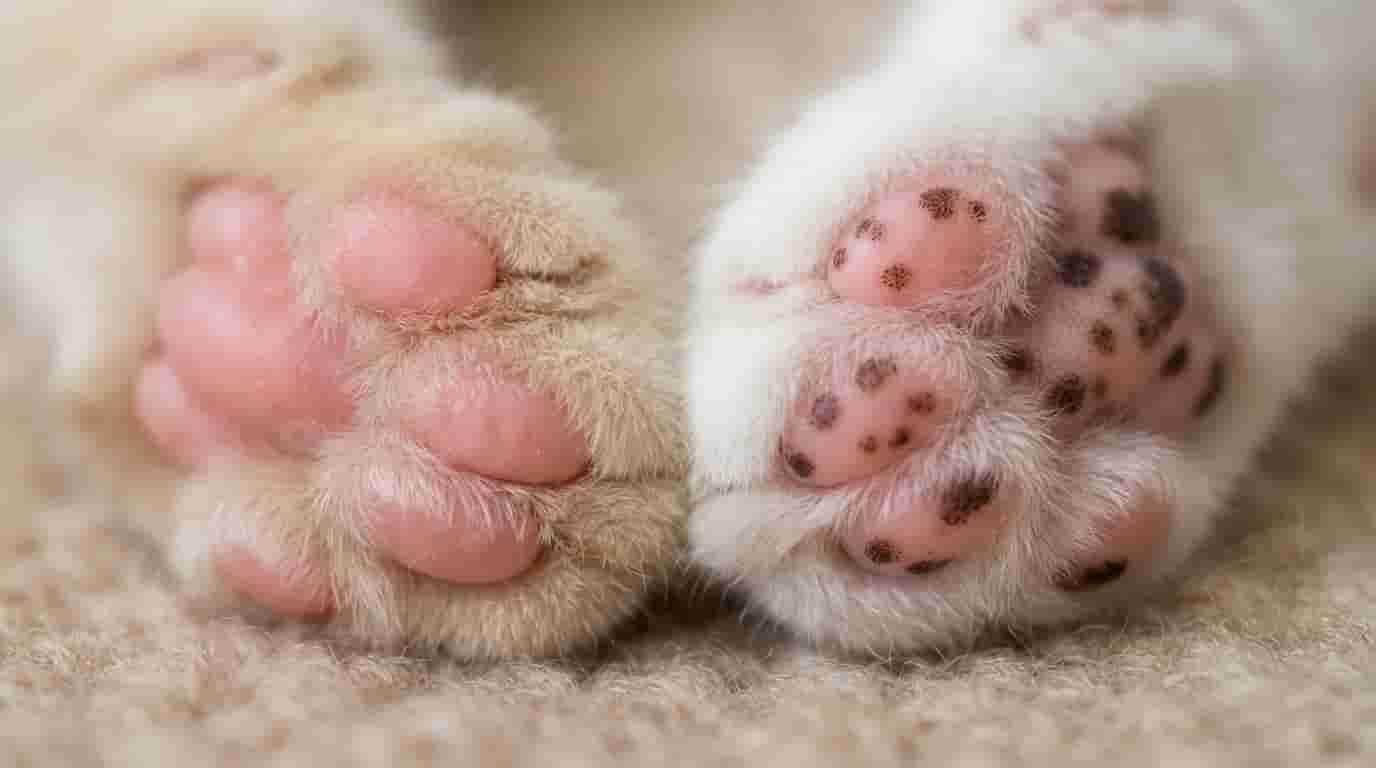
Cat Paw Pad Colors: Why some have pink beans and some have black.
Introduction:
Cat Paw Pad Colors often spark curiosity when you look at your pet’s feet. Have you ever wondered why your cat has pink beans while your friend’s cat has dark black ones? Most people assume it relates to personality or breed. However, a surprising biological truth lies behind these shades.
You might think of them as simple cushions for walking. Actually, these soft parts tell a deeper story about feline genetics. Every kitten arrives with a specific pigment that sets their look. We will reveal exactly why these variations happen as you keep reading.
Understanding Cat Paw Pad Colors and Genetics
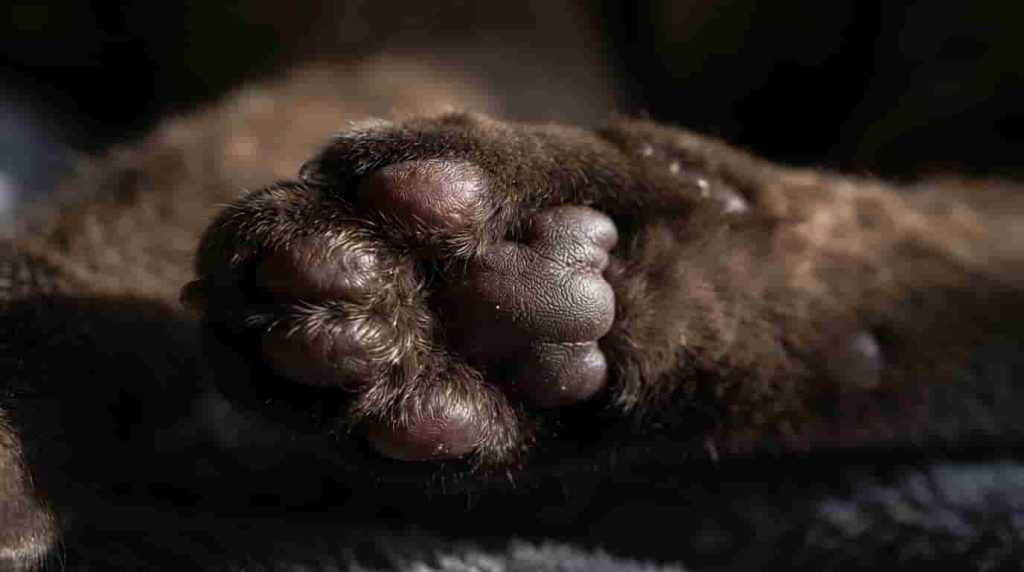
The cat paw pad colors follow a predictable pattern linked to fur. Nature connects skin pigment to the coat color of the animal. Therefore, a white cat often displays different paw tones than a black cat. This biological rule dictates the feline paw pad shades you see daily.
Furthermore, we see a wide range of diverse cat paw pigments across different breeds. You can identify the likely color of the feet by checking the nose. They usually match or complement each other perfectly. Additionally, keep in mind that unique cat paw pad tones arise through complex DNA traits.
Exploring Cat Paw Variations and Pigments
The cat paw variations depend on the amount of melanin present. Melanin acts like a dye that darkens skin and hair. As a result, cats with more pigment show dark or black paw colors. Conversely, those with less pigment display light pink or fleshy hues.
You might find it interesting to compare these features to other body parts. For example, Cat Ear Tufts: The purpose of those little hairs on top. shows how other traits adapt to the environment. Similarly, you should observe their movement patterns. You can study Cat Tail Twitch: Why the tip moves while the rest is still. to see how they use their bodies.
How Paw Pad Hues Affect Cat Paw Aesthetic
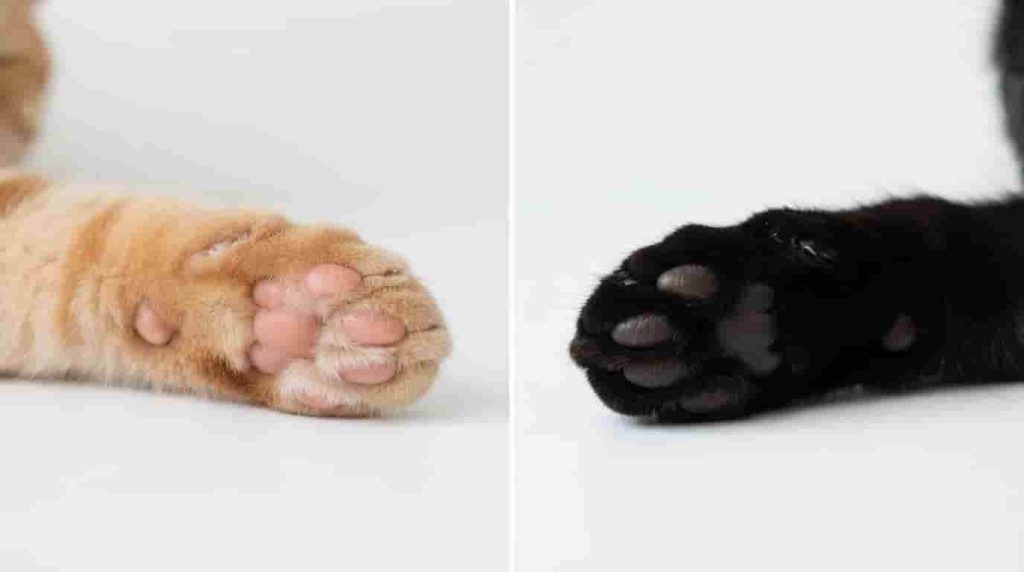
The cat paw pad aesthetic captures the heart of every owner. Many people find the vibrant paw pad colors absolutely adorable. Some cats even possess mixed hues that look like little sprinkles. Consequently, these unique cat paw hues make each pet feel like a one of a kind treasure.
Experts at the Cornell University College of Veterinary Medicine note that healthy skin should feel supple. You should check the texture of these pads regularly. Even if the pigment varies, the surface must remain smooth and flexible. If you notice cracks, contact your vet for specific cat paw color variations advice.
Identifying Feline Paw Pad Shades
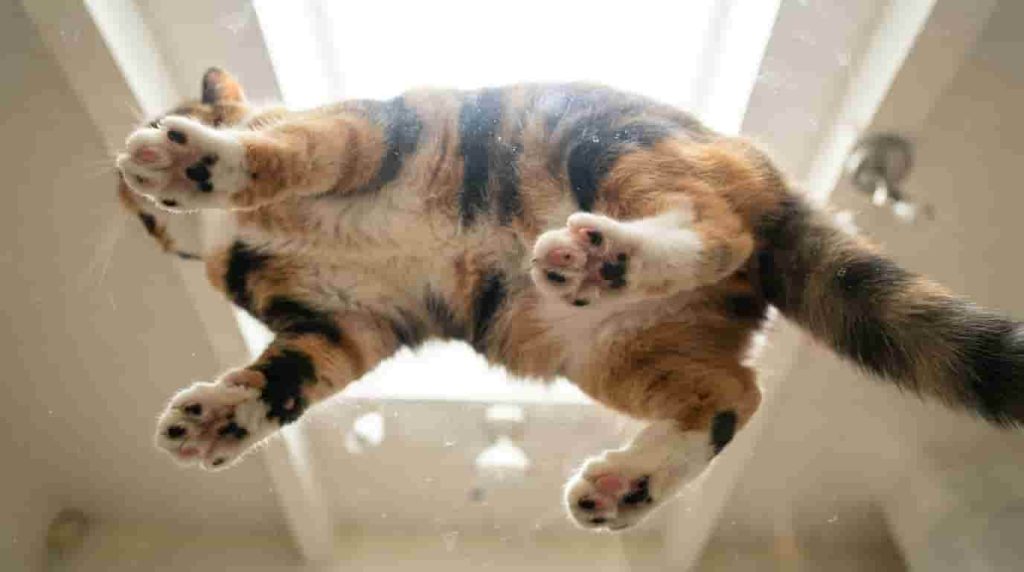
We categorize feline foot pad shades into a few main groups. Most owners recognize the following categories:
- Solid pink or flesh tones
- Dark black or charcoal shades
- Gray or bluish slate tones
- Mottled colors with spots
Additionally, many cats show different cat paw color options as they age. Some pigments intensify once the cat becomes an adult. Therefore, a kitten with light feet might grow into a darker shade later. This process represents a normal part of feline development.
Caring for Your Cat and Their Feet
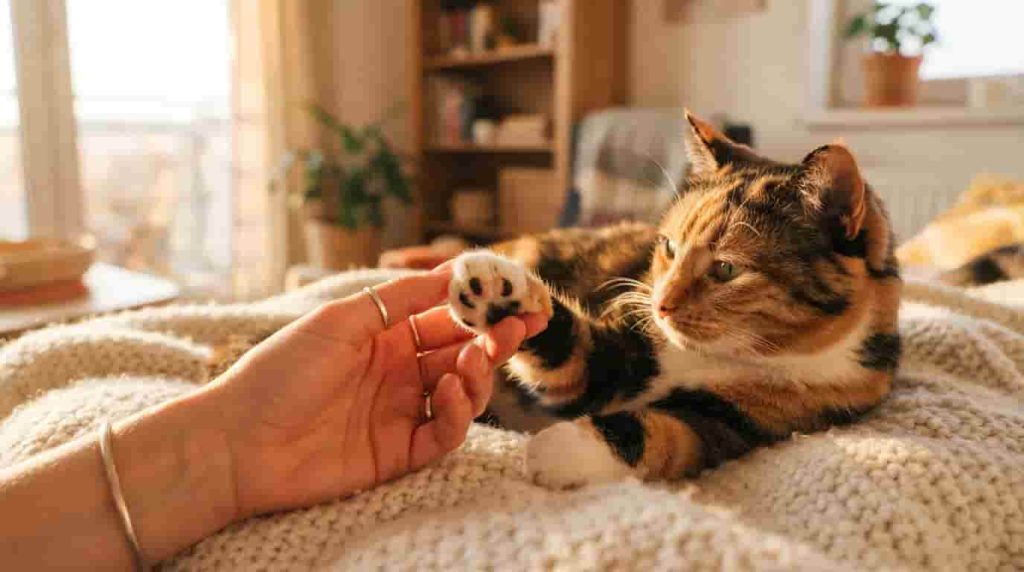
You must monitor the cat foot pad tones to ensure good health. Because cats walk on these pads constantly, they experience wear and tear. You can improve their comfort by keeping your floors clean. Also, avoid harsh chemicals that might irritate the sensitive tissue.
Furthermore, you can learn more about general grooming through Cat Whiskers Falling: Is it normal to find them on the floor. to see if other shedding matters. Many owners use a soft cloth to clean the feet after outdoor play. Finally, look for any signs of discomfort when your cat walks.
Monitoring Feline Paw Pad Color Palette
The feline paw pad color palette changes if a cat has an underlying issue. For example, pale pads sometimes suggest poor circulation or anemia. If you notice a sudden change in the cat paw color diversity, call a professional. Always trust your instincts when you observe something strange.
Legit sources like VCA Animal Hospitals provide great guides on skin health. They explain that persistent color shifts often require a physical exam. Do not panic, but stay observant of your pet’s physical state. A healthy cat usually maintains a consistent tone throughout their life.
Why Cat Paw Color Variations Matter
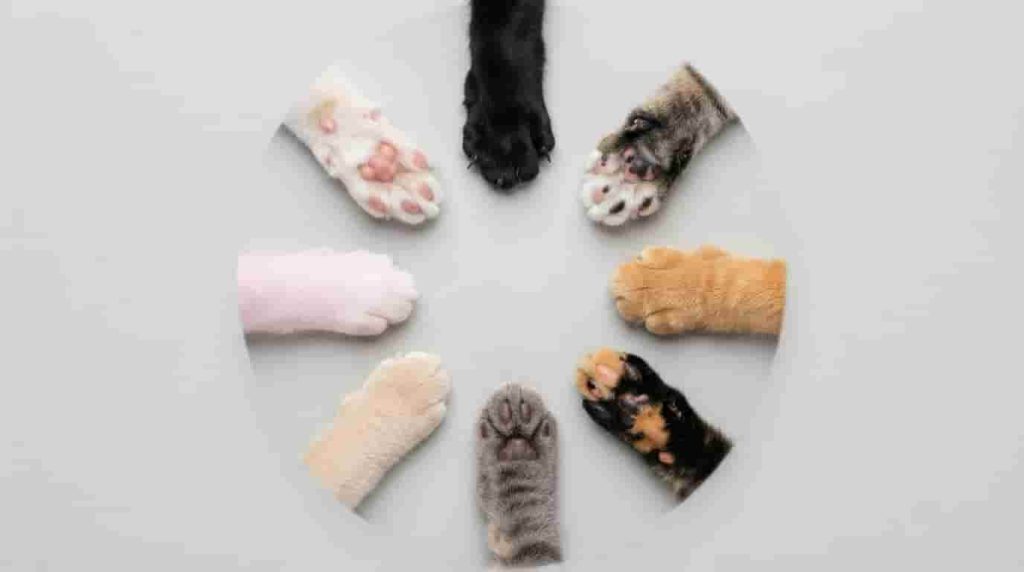
The diverse cat paw pigments serve a protective role for the animal. Darker pads often feature thicker skin that withstands rough terrain. Meanwhile, lighter pads might appear more sensitive to heat or cold. You should protect your pet’s feet during extreme weather conditions.
Every cat paw color chart reflects the ancestry of the breed. We see clear links between coat patterns and foot shades. As a result, cat paw color variations become predictable for breeders. They understand exactly how these traits pass from parent to kitten.
Appreciating Unique Cat Paw Hues
The unique cat paw hues bring personality to every single cat. Some owners love the bright pink beans best. Others prefer the bold look of deep black pads. Regardless of the popular cat paw colors, your cat remains perfect.
You might even start a small journal about your pet’s features. Write down the kitty paw pad shades you see during play sessions. Eventually, you will appreciate the beauty in the small details. These little things make the bond with your cat feel stronger.
Summary of Feline Foot Pad Shades
We learned that pigment levels dictate every tone on a cat. High melanin creates black, while low melanin leaves them pink. We also know that health plays a vital role in keeping these pads vibrant. Thus, you must provide proper care and attention to their feet.
Keep your cat active and happy by checking their paws often. They will thank you with purrs and head bumps. Enjoy the process of learning about your pet’s unique look. Every bit of knowledge helps you become a better friend to them.
Conclusion
Cat paw pad colors display the beauty of feline genetics. From pink to black, every shade serves as a natural marker of your cat’s identity. We hope you feel more confident about your cat’s health and their lovely paws. Do you prefer the look of pink beans or dark pads on your own cat? Share your thoughts and tell us about your pet’s unique feet in the comments below!
Frequently Asked Questions
Yes, pink paw pads are completely normal and very common. They often appear on cats with lighter fur or specific coat patterns.
Sometimes, they do change as a cat matures. A kitten might have light pads that darken slightly as they reach adulthood.
You should use a safe, vet approved moisturizer for pets. Consult your veterinarian to ensure the product is gentle and effective for their skin.
Yes, sudden changes or very pale pads can sometimes indicate health issues. If you notice color shifts, you should schedule a vet visit.
Spotted pads occur in cats with multi colored coats or specific genetic patterns. This variation is perfectly natural and part of their unique aesthetic.