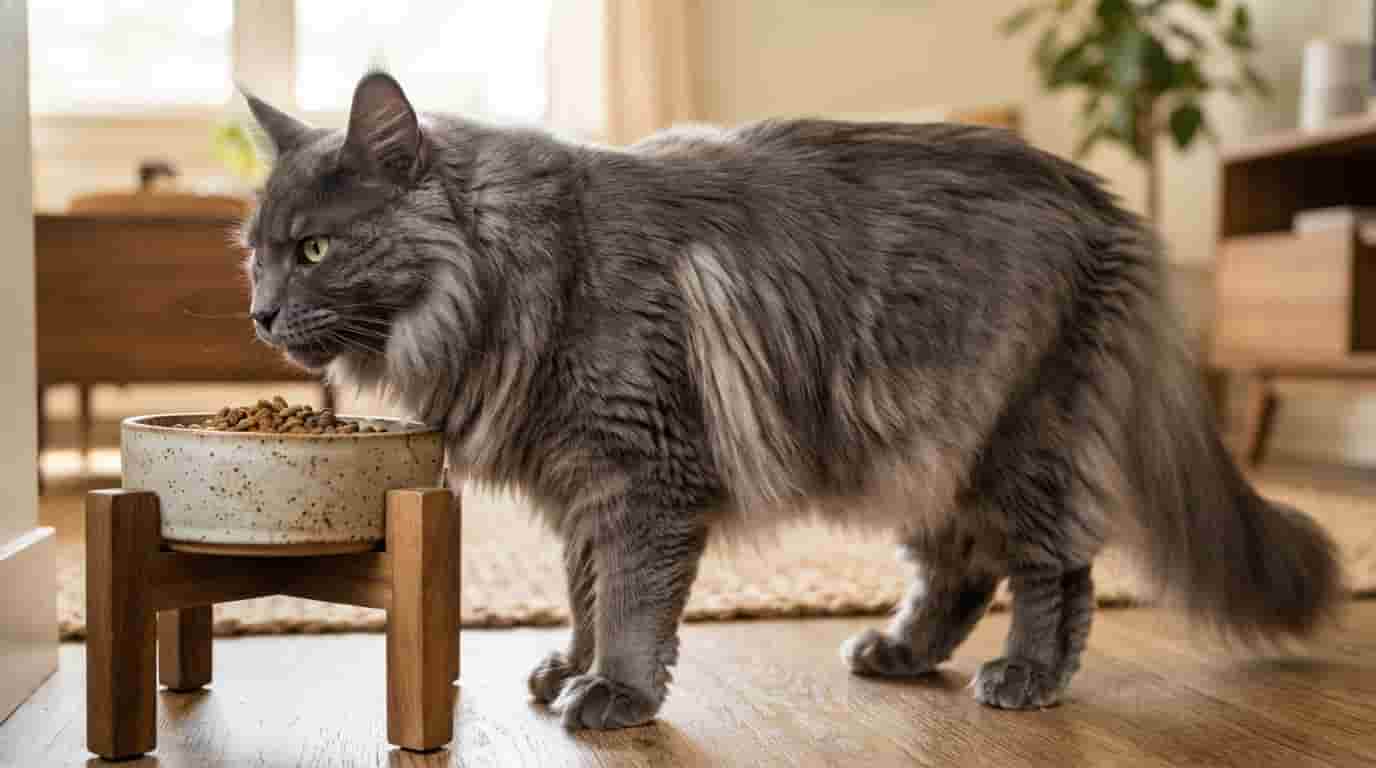
Cat Hip Dysplasia: Managing joint pain in larger breeds.
Introduction:
Cat hip dysplasia often strikes when your feline friend seems perfectly healthy. Do you notice your cat struggling to leap onto their favorite chair? This condition creates significant challenges for many breeds. Because cats hide discomfort well, owners often miss the earliest warning signs.
The problem stems from an unstable hip joint that fails to fit properly. Over time, this misalignment leads to wear, tear, and persistent aching. We will uncover how to spot the issue and improve your cat’s mobility. You can help them reclaim their playful, active life.
Why Cat Hip Dysplasia Affects Feline Mobility
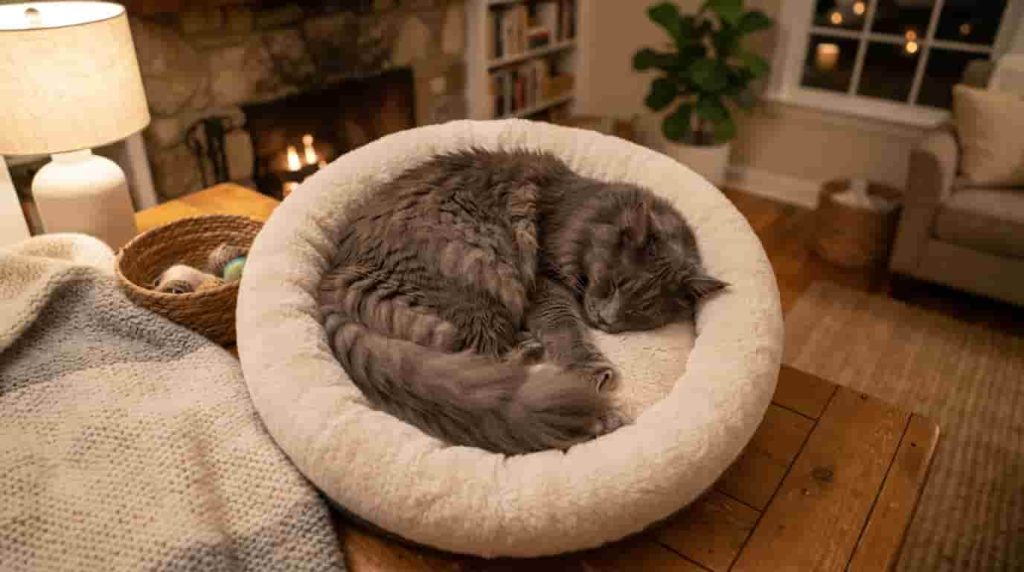
Your cat relies on strong, flexible hips for every jump and pounce. When the ball of the hip joint does not sit correctly in its socket, movement becomes painful. This lack of stability causes feline hip dysplasia to progress silently. Therefore, your cat may shift their weight to compensate for the soreness.
You might see them walking with a strange, waddling gait. Furthermore, they may avoid stairs or high jumps to protect their joints. Many owners assume age is the only reason for these changes. However, you should always investigate deeper to rule out specific cat joint problems.
Understanding the Signs of Feline Joint Issues
Spotting cat hip dysplasia symptoms early allows you to intervene before chronic damage occurs. Watch for a decrease in activity or a reluctance to play. Also, listen for subtle clicking sounds when your cat walks or stands up. These indicators suggest underlying feline orthopedic conditions that require professional care.
- Your cat shows difficulty jumping up or down.
- They exhibit stiffness after resting for long periods.
- Muscle loss often develops in the hind legs.
If you suspect a different injury, check out our Cat Limping Guide: How to check for a thorn in the paw for help. Ruling out minor paw issues remains a vital first step. Once you eliminate minor injuries, you can focus on broader feline joint health.
Managing Cat Hip Dysplasia Through Lifestyle Changes
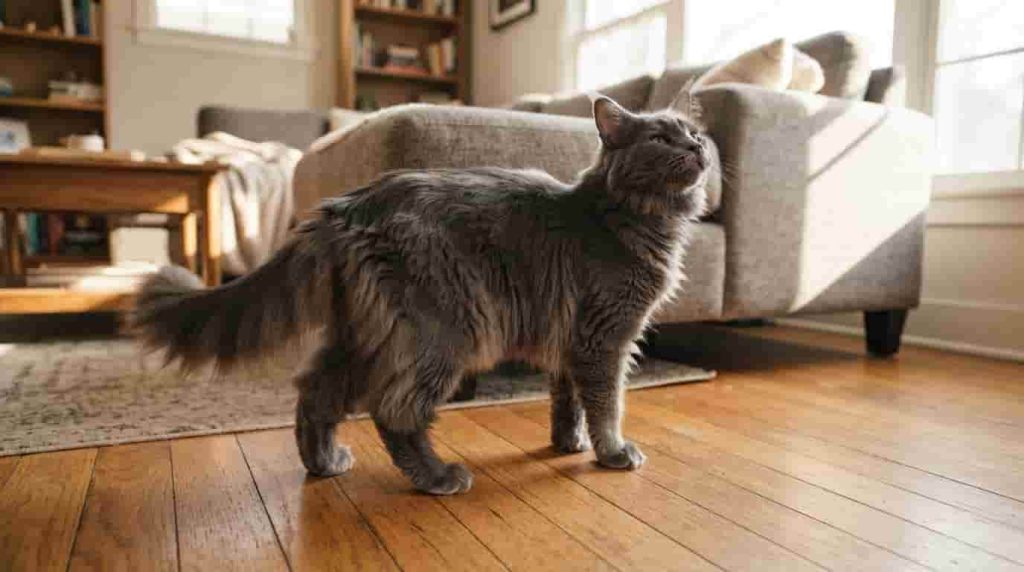
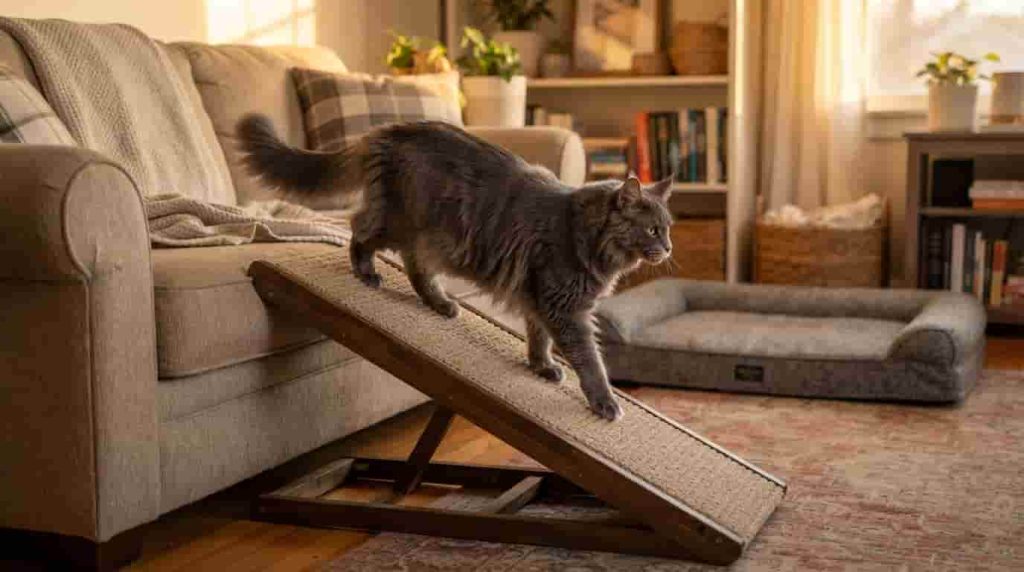
Managing cat hip dysplasia involves making your home more accessible. First, add low steps or ramps to help your cat reach high surfaces easily. Also, place food and water dishes at floor level. This reduces the strain on their hips during daily meals.
Additionally, maintain a healthy weight to prevent excess stress on the joints. Excess weight significantly worsens feline joint issues and accelerates wear. You should also consider using soft, orthopedic bedding to cushion their tired bones. A comfortable environment directly supports better cat joint health overall.
Seeking Expert Advice on Feline Joint Care
Veterinary experts at VCA Animal Hospitals emphasize the importance of early diagnosis. They use physical exams and x-rays to evaluate the hip structures accurately. This diagnostic process determines the best path for cat hip dysplasia treatment. Always work closely with your vet to create a tailored care plan.
You might also worry about secondary issues like general joint stiffness. If your senior cat shows signs of age-related issues, read Cat Arthritis Signs: How to tell if your senior pet is stiff for advice. Managing arthritis in cats and dysplasia often requires similar anti-inflammatory strategies. These approaches keep your cat moving comfortably despite their diagnosis.
Exploring Cat Hip Dysplasia Treatment Options
Treating cat hip dysplasia varies depending on the severity of the case. Your veterinarian might suggest weight management and specific nutritional supplements first. Furthermore, controlled physical therapy helps strengthen the muscles surrounding the hip joint. These exercises provide much-needed support for weak cat hip pain areas.
In some situations, your vet may recommend surgery to fix the joint. Cat hip surgery remains an option for severe cases that do not improve with rest. However, many cats live happy, full lives with conservative medical management. You must monitor their comfort levels daily to ensure success.
Preventing Further Complications for Your Cat
Feline hip dysplasia often leads to other issues if you ignore it. For example, your cat might alter their posture and cause spine problems. You should stay alert to these changes to protect their long-term health. Check out Cat Back Pain: Recognizing signs of a spinal issue early to learn more.
Preventing cat joint problems requires a proactive mindset from the very start. Always provide high-quality food to support strong bone development. Additionally, encourage moderate, low-impact play instead of intense jumping. You want to preserve their mobility for as long as possible.
Promoting Long Term Cat Hip Health
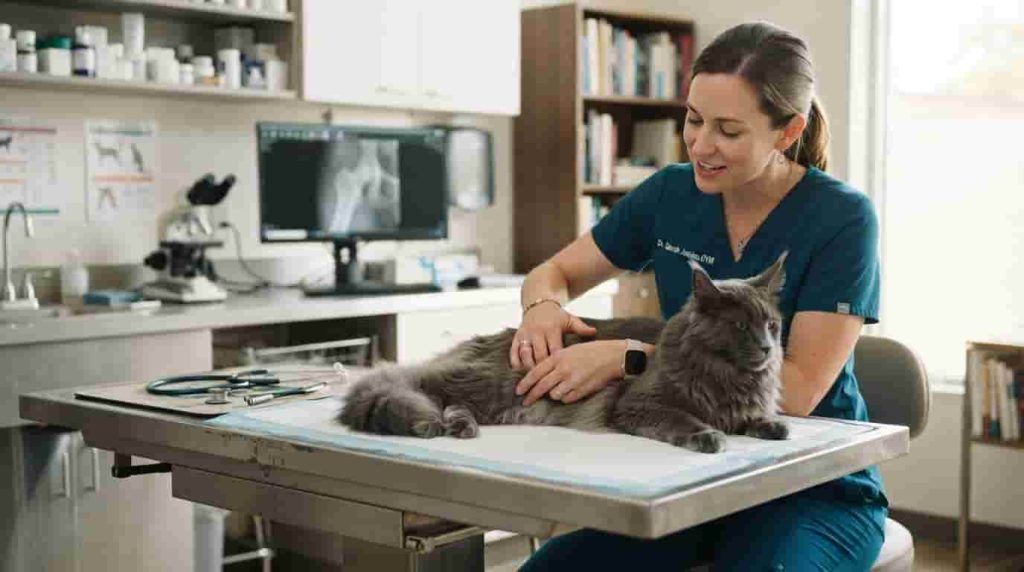
You play a critical role in the life of your feline friend. By noticing cat hip dysplasia symptoms early, you prevent years of chronic aching. You provide them with the best tools to remain happy and mobile. Every small adjustment you make creates a massive difference for them.
The journey of managing cat hip dysplasia requires patience and constant observation. You might feel overwhelmed, but your vet acts as your strongest partner. Together, you form a solid plan to keep your cat moving with ease. They deserve to live a life free from unnecessary discomfort.
Conclusion on Feline Hip Health
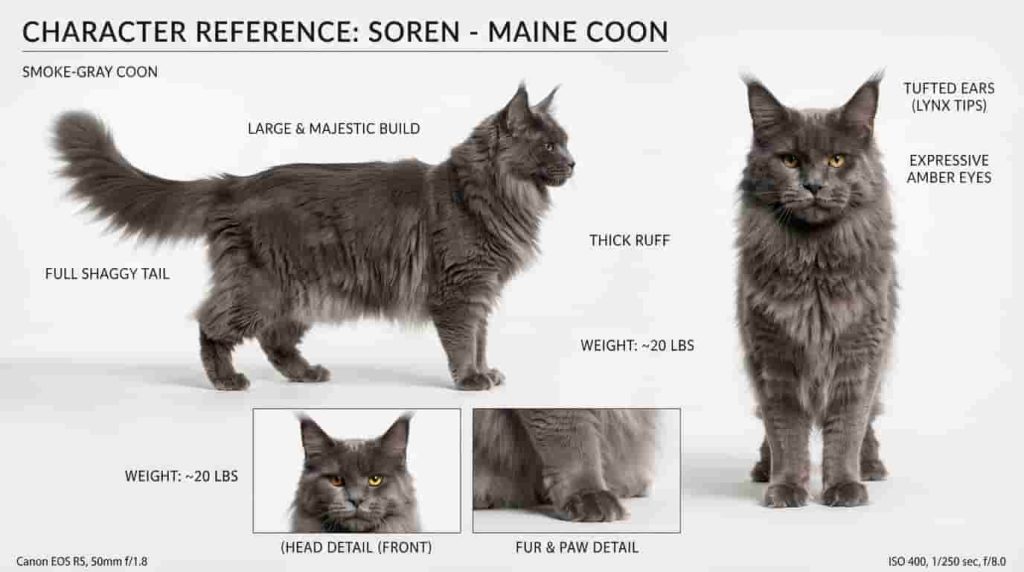
Cat hip dysplasia requires careful attention to detail and a lot of love. By spotting symptoms early and following expert care plans, you manage their pain effectively. You improve their quality of life by making your home a safer place. Never hesitate to ask your veterinarian for support or guidance.
Do you have experience managing joint pain in your own cat? Please share your story or ask a question in the comments below! We love hearing how you help your feline friends thrive.
Frequently Asked Questions
Look for a stiff walk, difficulty jumping, and muscle loss in the back legs. Your cat may also seem reluctant to play or move around.
Vets typically use physical exams and X-rays to look at the hip joints. These tests reveal how well the ball and socket fit together.
No, surgery is not always needed for every cat with this condition. Many cats do very well with weight management, supplements, and physical therapy.
Add ramps to high furniture and use low-sided litter boxes for easy access. Keep their food and water on the floor to reduce strain.
Never give human medications to your cat because they can be toxic. Always ask your veterinarian for safe treatment options for your pet.