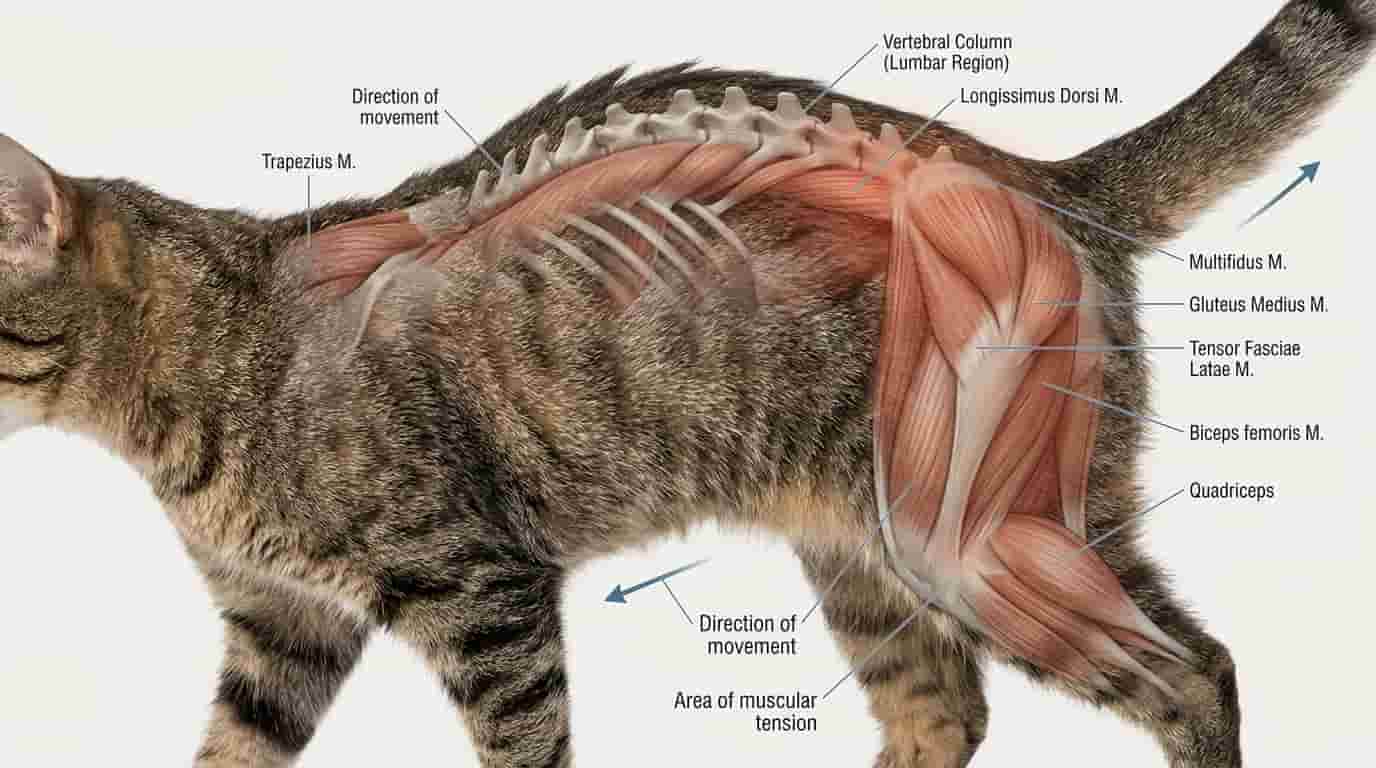
Cat Back Pain: Recognizing signs of a spinal issue early.
Introduction:
Cat back pain often hides behind a purr or a simple nap. You notice your cat jumping less often or acting grumpy. Do you wonder if something hurts deep inside their spine? Many owners overlook these small changes until they become major issues.
This silent struggle affects cats of all ages. Therefore, you must learn to read the subtle messages they send. We will explore how to identify feline back pain and help your friend feel better soon.
Why Your Cat Might Suffer from Cat Back Pain
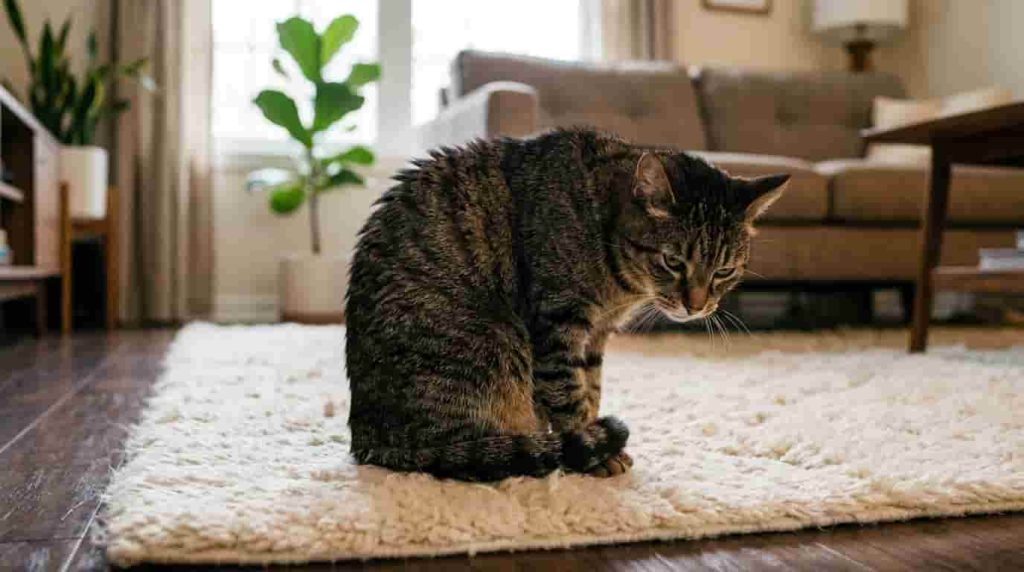
The anatomy of a cat spine is both flexible and fragile. Sometimes, a simple misstep or an underlying health issue causes real agony. Because cats hide pain well, you need to watch their daily habits closely. You might see them avoiding stairs or sitting in a hunched position.
These behaviors indicate that something feels wrong in their back. If you notice persistent changes, investigate further to find the root cause. Meanwhile, you might want to learn about Cat Arthritis Signs: How to tell if your senior pet is stiff for context. Arthritis and spinal issues often overlap in aging feline populations.
Spotting Feline Back Pain Symptoms
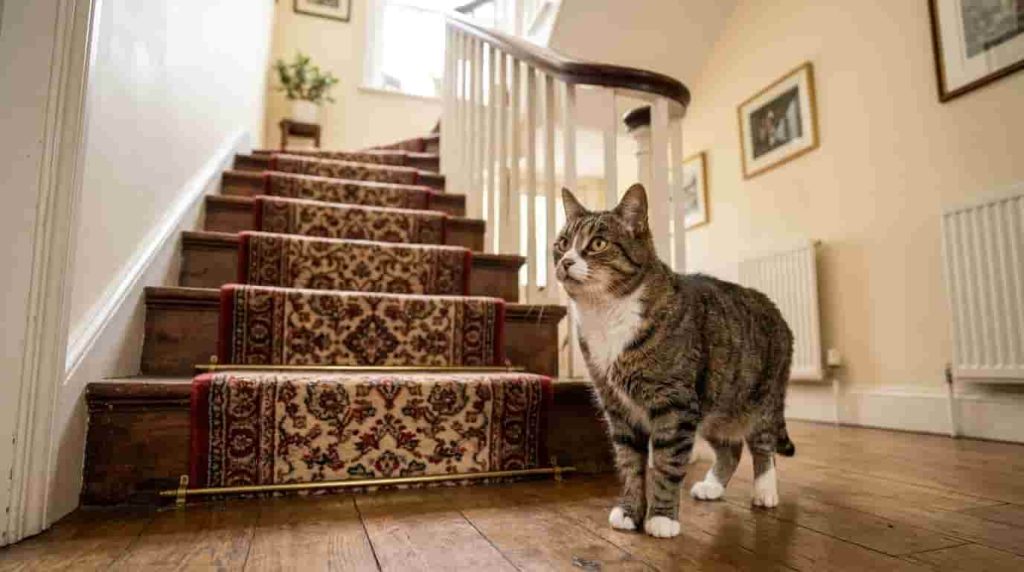
You must watch for specific symptoms in cats to catch trouble early. A cat in pain often stops grooming the middle of their back. Furthermore, they might hiss or bite when you touch their spine. These reactions are clear signals that they need your immediate attention.
- They avoid jumping onto high surfaces like counters.
- Your cat walks with a stiff or arched back.
- They show less interest in playing or moving around.
Early detection helps you manage their health much more effectively. Additionally, Cornell University College of Veterinary Medicine emphasizes the importance of observing mobility changes in pets. Your vet can provide the right diagnosis and treatment options.
Common Cat Back Pain Causes and Risks
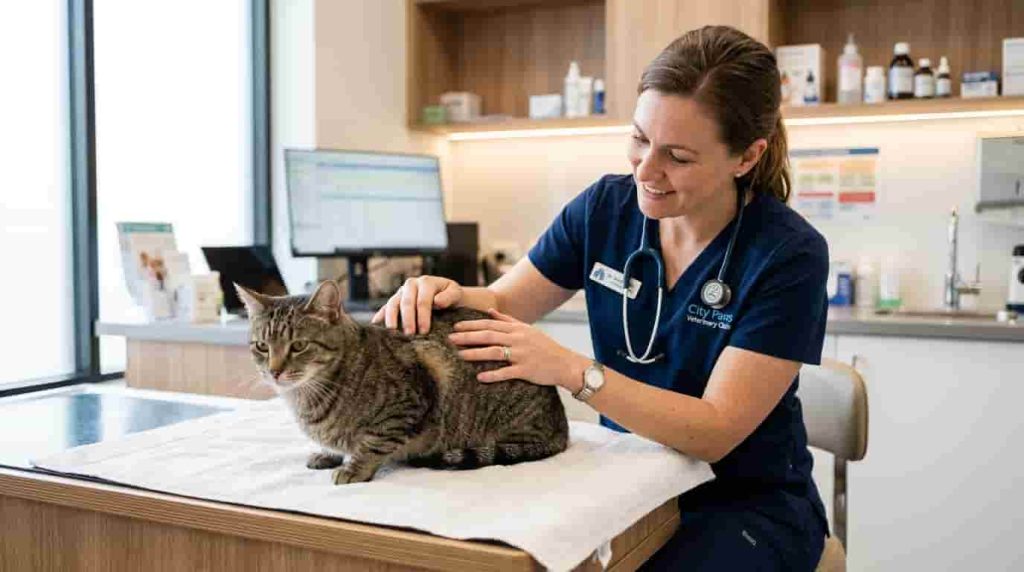
You should know that various factors trigger cat back pain. Injuries from accidents, disc issues, or even infections are frequent culprits. Consequently, understanding these causes helps you prevent further discomfort. You keep your pet safe by removing hazards that could lead to falls.
Sometimes, heavy cats experience more strain on their spinal structures. Therefore, maintaining a healthy weight remains a vital part of cat back pain prevention. If you notice your cat limping, you should also read our Cat Limping Guide: How to check for a thorn in the paw to rule out minor injuries. Distinguishing between a paw injury and spinal pain is essential.
Navigating Treatment Options for Relief
Treating cat back pain requires a plan made with your veterinarian. They might suggest anti-inflammatory medication to reduce swelling and pain. Additionally, gentle physical therapy provides significant cat back pain relief. Always follow the professional advice of your doctor for the best results.
You can also explore holistic solutions for cat back pain under veterinary guidance. Many owners use soft beds or heat pads to help their cats relax. Because comfort matters, make sure their sleeping areas are easily accessible. Do not force movement if they seem distressed or sensitive.
Managing Back Pain in Cats Every Day

Managing back pain in cats involves small changes at home. First, add steps to help them reach their favorite sunny spots. Also, place food and water bowls on the floor level. This reduces the need for them to strain their neck or spine.
Consistency helps you track if the cat back pain improves over time. Furthermore, provide a calm environment where they feel safe. A stressed cat often tenses their muscles, which worsens the discomfort. Keeping them relaxed encourages faster recovery and better overall health.
Addressing Feline Spinal Issues Quickly
Feline spinal issues require patience and a gentle touch from you. You must monitor their bathroom habits as well. Sometimes, cat back pain causes difficulty in using the litter box properly. If they miss the box, do not scold them for this accident.
Instead, consider using a box with lower sides for easier entry. This simple change drastically improves their quality of life. Moreover, you should review their diet to ensure they receive proper nutrients. Healthy joints support a healthy spine, which helps prevent future complications.
Expert Insight on Feline Back Pain Treatment

Veterinary experts recommend regular checkups for every adult cat. These visits help you catch feline back pain before it progresses. Because cats are masters at masking discomfort, your vet uses palpation to check for soreness. Early intervention remains the gold standard for long-term health.
You can also learn about related joint issues in our guide on Cat Hip Dysplasia: Managing joint pain in larger breeds. Many cats with spinal issues also suffer from joint stiffness elsewhere. Addressing the entire body helps them feel more mobile and joyful. Your dedication ensures they remain a happy part of your family.
Conclusion on Helping Your Pet
Recognizing cat back pain early saves your pet from long-term suffering. By watching their movement and habits, you act as their best advocate. Talk to your vet about the best treatment options to manage the discomfort. Remember that your love and care make a huge difference in their daily life.
Have you noticed your cat struggling with mobility lately? Please share your experience or ask a question about managing back pain in cats below! We hope this guide helps your feline friend feel comfortable and active again.
Frequently Asked Questions
Watch for a hunched back, difficulty jumping, or sensitivity when you pet their spine. If they stop grooming certain areas, it may also indicate discomfort.
Usually, it does not, and it may indicate an underlying injury or disease. You should visit your veterinarian to get an accurate diagnosis and treatment plan.
Keep your cat warm, limit their jumping, and provide low-entry litter boxes. Follow your vet’s prescribed medication and physical therapy plan carefully.
Yes, jumping puts significant strain on the spine and can worsen existing injuries. You should provide ramps or stairs to help them move around safely.
Keep your cat at a healthy weight to reduce spinal strain and prevent accidents at home. Regular veterinary checkups help identify issues before they cause pain.