
Cat Arthritis Signs: How to tell if your senior pet is stiff.
Introduction:
Cat arthritis signs often hide in plain sight. Does your senior cat hesitate before jumping onto the sofa? Many owners assume this behavior happens simply because the cat gets older. However, subtle changes in movement often reveal a deeper physical struggle.
You might notice your friend choosing the floor instead of a high perch. They no longer zoom through the house at night. Because they hide pain so well, you must act as a detective. We will explore how to identify these changes and support your senior pet.
Recognizing Cat Arthritis Signs Early
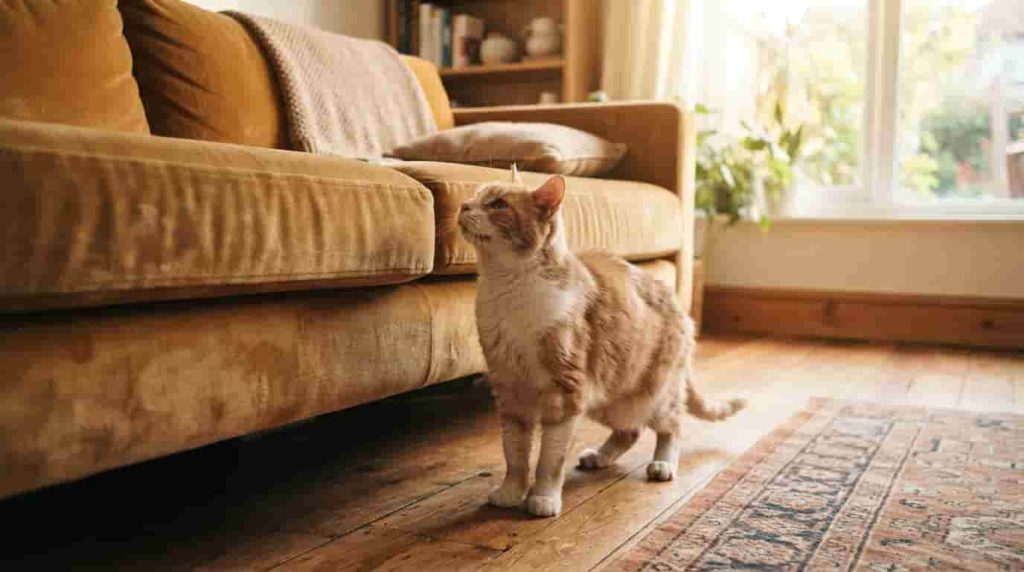
You look at your cat and see the same face as always. Yet, their body tells a different story. Recognizing cat arthritis signs requires you to watch for small, daily shifts. They might sleep more or stop grooming their lower back.
Furthermore, you could see them struggle to get comfortable when they lie down. Feline arthritis symptoms appear gradually over many months or years. Consequently, you often miss these clues until they become very obvious. Identifying them early helps you provide the comfort they deserve.
Understanding the Importance of Feline Arthritis Symptoms
Your cat depends on you to notice when life feels difficult. Feline arthritis symptoms involve more than just a visible limp. They also include behavioral shifts that seem strange for your specific cat. For example, they might become irritable when you try to pick them up.
- They avoid stairs they previously used with ease.
- Your cat sleeps for much longer periods.
- They stop using their favorite high scratching post.
These behaviors suggest your cat experiences real pain. If you suspect mobility issues, you should also read Cat Hip Dysplasia: Managing joint pain in larger breeds to understand other possibilities. Sometimes, joint issues require a multi-pronged approach to reach a correct diagnosis.
How to Identify Cat Arthritis at Home

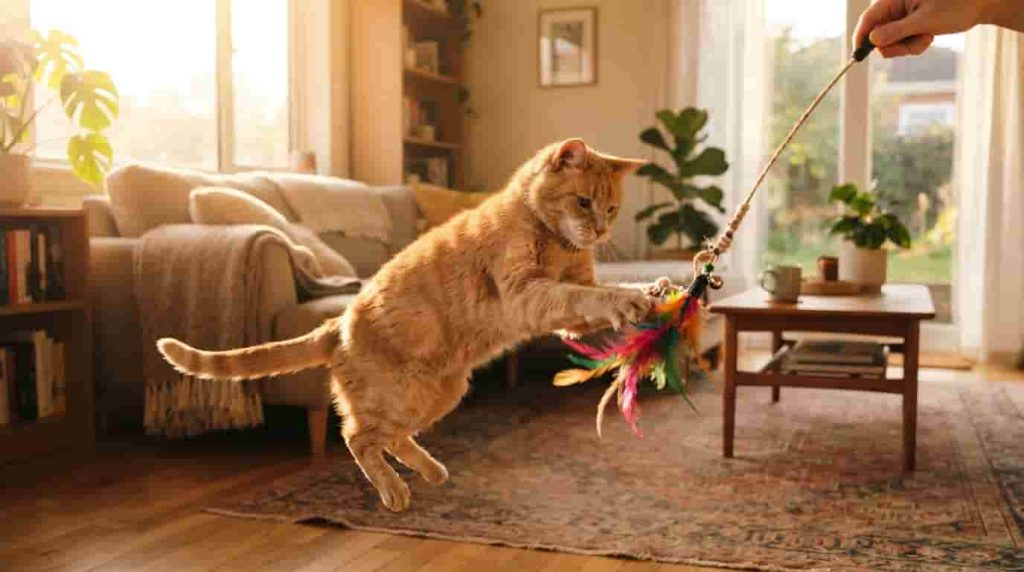
You start the process by observing your cat during normal play. Do they still leap with the same power as before? If you notice them falling short, they likely face cat joint pain. You can perform a simple check by watching them walk across the room.
If they appear stiff, you should schedule a visit to the veterinarian. Veterinarians at VCA Animal Hospitals confirm that mobility changes demand professional attention. They can rule out other problems like a thorn in the paw. Please review our Cat Limping Guide: How to check for a thorn in the paw for more details.
Spotting Arthritis in Cats and Managing Daily Life
Managing arthritis in cats requires a comfortable and safe environment. You should provide easy access to all their favorite sleeping areas. Also, place their food and water bowls on the ground level. This avoids any unnecessary strain on their tired joints.
Additionally, use soft rugs on slippery hardwood or tile floors. These simple mats help your cat keep their footing while walking. Because they feel less confident on slick surfaces, this change matters. You effectively reduce the risk of them losing balance.
Exploring Modern Cat Arthritis Treatment Options

Treating arthritis in cats today involves many effective methods. Your veterinarian might suggest specific supplements to support joint health. Furthermore, medications help reduce inflammation and make movement much easier. Always follow the advice of a medical expert for safe dosing.
You may find success with holistic solutions as well. Many cats enjoy gentle massage therapy to soothe their sore muscles. Because each cat is unique, you should test different strategies. Also, keep their weight in a healthy range to lower joint pressure.
Diagnosing Arthritis in Cats With Your Vet
Diagnosing arthritis in cats usually involves a physical exam and x-rays. Your vet checks the range of motion in their joints carefully. They look for specific cat arthritis signs that confirm the presence of wear. Do not wait for them to cry out in visible agony.
Early diagnosis makes the process of managing arthritis in cats easier. When you have a plan, you provide significant cat arthritis relief. Therefore, you restore their ability to enjoy a high quality of life. They stay active and happy for much longer periods.
Why You Must Look for Cat Arthritis Warning Signs
You might wonder if you can prevent this condition entirely. While age plays a role, healthy living helps delay the onset. Good nutrition and regular exercise keep their bodies moving smoothly. You also want to monitor them for any spine-related concerns.
Check out our Cat Back Pain: Recognizing signs of a spinal issue early for more help. Often, joint pain and back soreness exist together in older cats. You treat the whole cat by addressing every area of discomfort. This holistic approach produces the very best results.
The Connection Between Health and Happiness
One owner, Jane, noticed her cat, Toby, refused to jump anymore. She added small steps to his favorite window to help him climb. Within a week, Toby returned to his usual perch and purred louder. You see how small adjustments change a cat’s entire mood.
Every pet owner wants their friend to live without constant pain. When you learn these cat arthritis signs, you become a proactive caregiver. You ensure your senior cat continues to thrive as they age. They rely on your keen eye and your gentle, loving heart.
Frequently Asked Questions
Look for reluctance to jump, stiffness after sleeping, and decreased activity. Many cats also groom less often, especially near their tail.
Add steps to high areas, use soft rugs, and keep food bowls accessible. These changes reduce joint strain during their daily activities.
While older cats naturally sleep more, they should not appear stiff or pained. If they struggle with movement, they likely need help with joint health.
Never give human medications to your cat, as many are toxic and deadly. Always consult your vet for safe, effective cat arthritis treatment options.
Combine vet-approved medication with a soft environment and weight control. Early care remains the best way to manage arthritis in cats.
You now possess the tools to spot cat arthritis signs early. Your commitment to their health ensures many more years of comfort. Start by checking their daily habits and watching for subtle stiffness. Remember that your attention turns their senior years into a golden time. Please share your own experiences with senior cat care in the comments!