
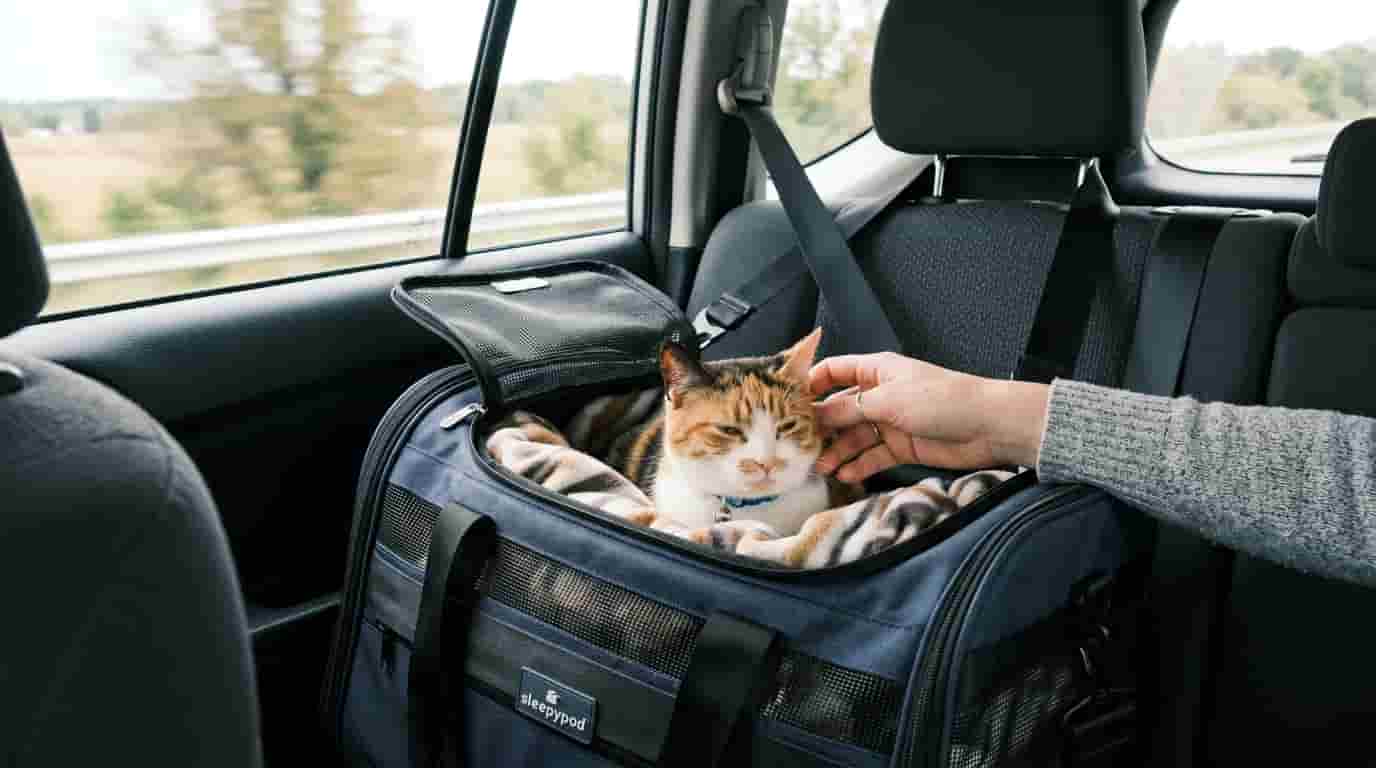
How to Travel With a Cat for the First Time: Tips and Essentials
Introduction
How to Travel With a Cat for the First Time can often feel daunting, acknowledging that a first trip can be stressful for both cat and owner. However, preparation is the single biggest factor in making travel safer and easier for everyone involved. Cats react differently depending on their individual temperament and previous experiences, whether you are planning for car travel, air travel, short trips, or longer journeys.
This article guides you through everything you need to know, including:
- Preparing the cat
- Choosing a carrier
- Feeding and hydration
- Reducing stress
- Car and air travel
- Essential supplies
- Warning signs
Rest assured, you do not need to make your cat love traveling; the ultimate goal is simply a safe, controlled experience. Throughout your planning, keeping a few key cat travel tips in mind will make traveling with cats much smoother, helping to minimize cat travel stress while preparing to travel with a cat.
How to Travel With a Cat for the First Time
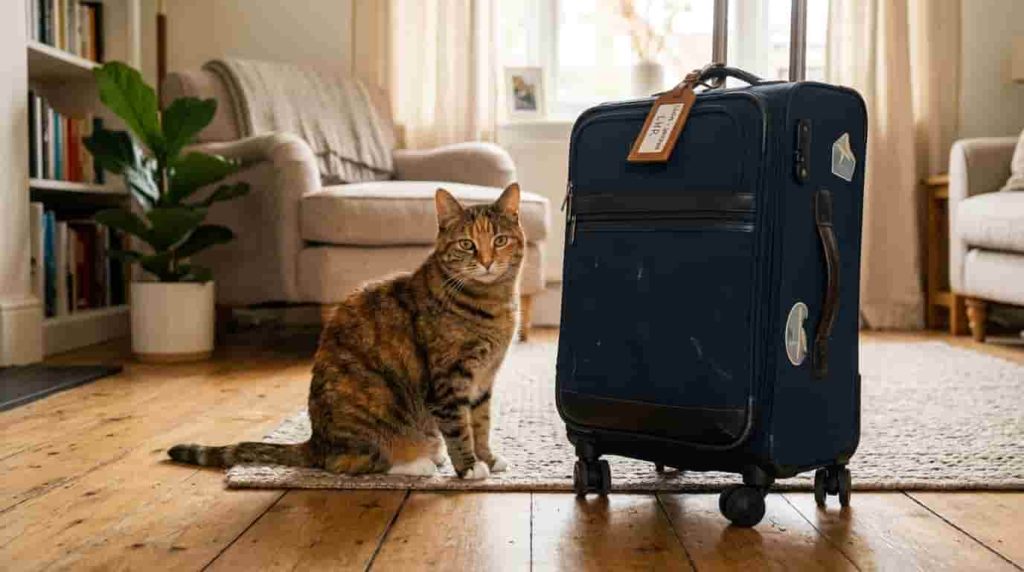
If you are wondering how to approach this journey, here is a concise checklist of the basic process:
- Check whether the cat is fit to travel.
- Research destination and transport requirements.
- Choose a suitable carrier.
- Introduce the carrier before travel.
- Practice short journeys.
- Prepare food, water, litter, and cleaning supplies.
- Secure the carrier correctly.
- Monitor the cat throughout the trip.
- Prepare a quiet space at the destination.
The right approach ultimately depends on the cat’s age, health, temperament, journey length, mode of transportation, and final destination.
What Should You Do Before Traveling With a Cat?

Schedule a Veterinary Check When Necessary
Veterinary advice is particularly important for senior cats, kittens, cats with chronic illnesses, cats taking medication, cats with previous travel problems, and cats showing signs of illness. Additionally, international travel may require specific documentation. According to guidance from the Cornell Feline Health Center, assessing a cat’s physical fitness and stress resilience beforehand is vital for safe transit.
Check Travel and Destination Requirements
For domestic travel, always check carrier requirements, accommodation rules, and transport policies. For international travel, review:
- Vaccination requirements
- Microchip requirements
- Health certificates
- Permits
- Import rules
- Quarantine requirements where applicable
Emphasize checking official requirements early to avoid last-minute complications.
How to Get Your Cat Used to Traveling
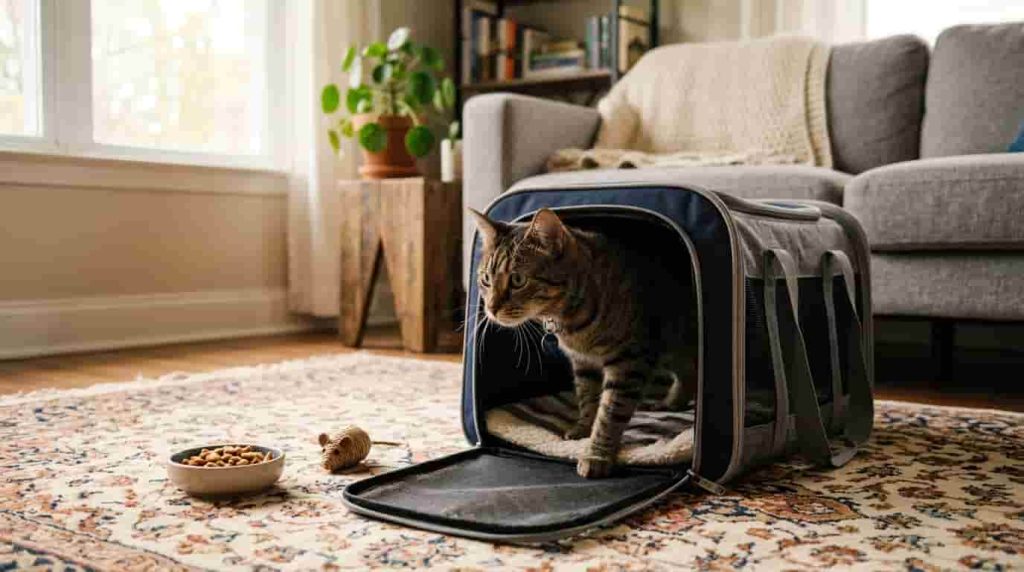
Preparation should always begin well before travel day to build confidence.
Start With the Carrier
Follow this step-by-step process:
- Leave the carrier open at home.
- Put familiar bedding inside.
- Allow the cat to investigate voluntarily.
- Reward calm interaction.
- Gradually close the carrier door.
- Carry the cat around briefly.
- Progress to short car journeys.
Key Point: Never make the first carrier experience happen on departure day.
Practice Short Trips
Gradual exposure is key to keeping anxiety low. Suggested progression:
- Sitting inside a parked car
- Turning the engine running
- Taking a short drive
- Progressing to a slightly longer drive
- Moving to a normal travel route
The aim is to build familiarity rather than overwhelm the cat.
How to Choose a Cat Carrier for Travel

A suitable carrier keeps your pet secure and comfortable.
Carrier Checklist:
- Appropriate size
- Good ventilation
- Secure doors
- Strong construction
- Leak-resistant base
- Easy cleaning
- Comfortable bedding
- Suitable for the method of transportation
How Big Should a Cat Carrier Be?
The cat should be able to stand naturally, sit normally, turn around, and lie down comfortably. For air travel, remember that airline-specific dimensions always take priority.
What Are the Essential Cat Travel Supplies?

Cat Travel Essentials:
- Secure carrier
- Familiar blanket
- Food and water
- Food and water bowls
- Treats
- Absorbent pads
- Spare bedding
- Paper towels
- Waste bags
- Cleaning supplies
- Medication if prescribed
- Veterinary records
- Identification details
- Harness and leash if already trained
Original-Value Angle: Always pack a backup supply in case of unexpected delays, spills, accidents, missed connections, or unexpected overnight stays.
What to Give a Cat Before Traveling
Do not make major dietary changes right before travel. Follow the cat’s normal feeding routine where appropriate, but avoid giving a very large meal immediately before a journey. Water should remain available according to the journey and veterinary guidance, though individual health conditions may change feeding requirements.
Should You Give Your Cat Medication Before Traveling?
Never give human medication, and do not use sedatives without veterinary guidance. Some medications can cause unwanted side effects. A veterinarian should always determine whether medication is appropriate for your specific pet.
How to Calm a Cat While Traveling
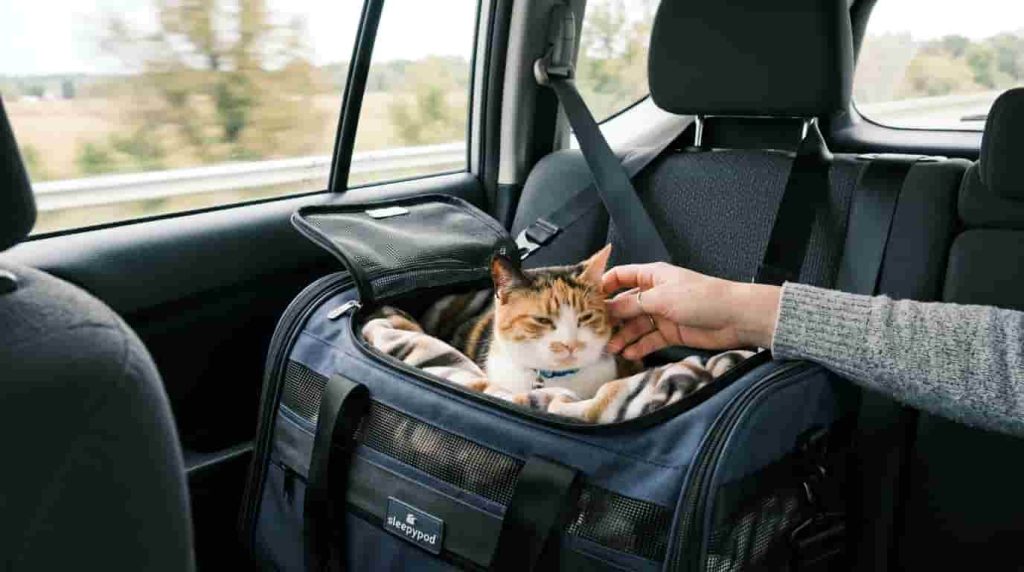
Keeping your cat calm requires maintaining a predictable environment.
Practical Strategies:
- Use familiar bedding.
- Keep the carrier stable.
- Reduce unnecessary noise.
- Avoid excessive handling.
- Maintain a comfortable temperature.
- Keep the environment predictable.
- Speak calmly.
- Avoid opening the carrier in unsafe areas.
For more insights, check out How to Keep a Cat Calm During Car Travel: Tips for Easier Rides for expert advice on soothing nervous felines.
How to Recognize Cat Travel Anxiety
Possible signs include repeated vocalization, restlessness, hiding behavior, excessive panting, drooling, vomiting, diarrhea, and attempts to escape. Note that not every meow means severe anxiety; for instance, if your pet is being overly vocal, you can learn more about How to Stop a Cat From Crying in the Car: Causes and Tips to address specific vocalization triggers.
First-Time Travelling With a Cat by Car
Car travel is often easier to practice. Key preparations include securing the carrier, practicing beforehand, choosing a quiet route initially, avoiding sudden stops, and maintaining a comfortable temperature.
Should a Cat Be Loose in the Car?
No. Keeping a cat loose introduces severe risks like distraction, escape, injury, and dangerous interference with driving. Always keep the cat safely contained.
How Long Can a Cat Travel in a Car?
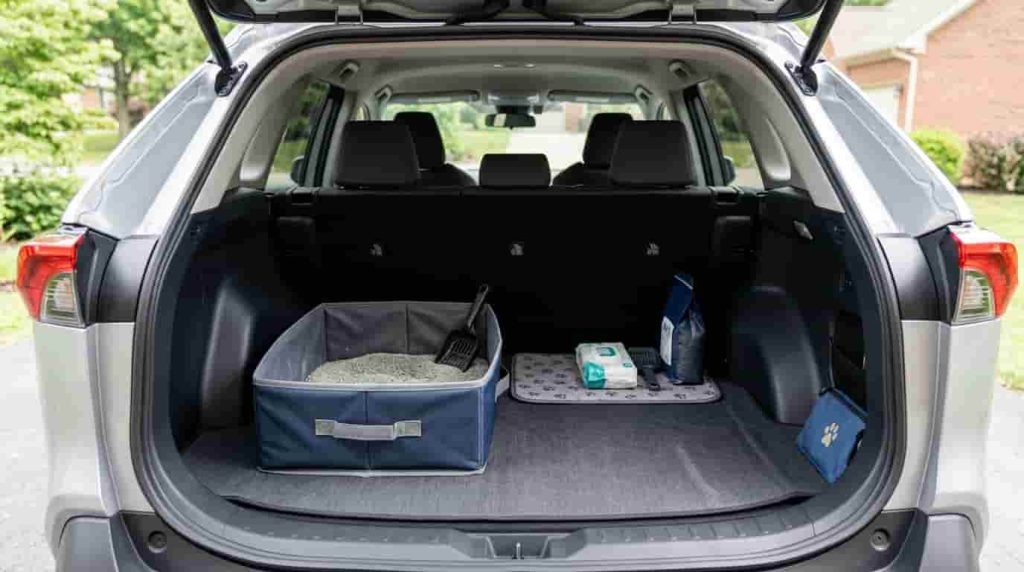
There is no universal maximum journey length for every cat. Factors include age, health, temperament, access to water, toilet needs, temperature, and journey conditions. Plan longer trips carefully around your cat’s breaks and needs. For a deeper breakdown of safe transit windows, consult How Long Can a Cat Travel in a Car? Safe Travel Times and Tips.
First-Time Flying With a Cat
Flying requires significantly more advance planning than a short car trip. Before booking, check airline pet policies, cabin availability, carrier dimensions, pet fees, documentation, destination requirements, and connection rules.
What to Know About Flying With a Cat in the Cabin
Ensure you use an approved carrier, place it correctly under the seat, navigate security screening carefully, and keep the cat secure according to airline-specific restrictions. Note that policies vary widely, and not every airline permits cats in cabins.
What Documents Does a Cat Need to Travel?
Requirements vary by destination, but potential documents include:
- Vaccination records
- Health certificate
- Microchip information
- Import permit
- Rabies documentation
- Airline forms
How Long Can Cats Go Without Peeing While Traveling?
There is no single safe duration for every cat. Travel stress can affect normal toileting, and long journeys require careful planning. Never deliberately restrict water to prevent accidents.
Warning Signs: Seek immediate veterinary attention if a cat repeatedly attempts to urinate, produces little or no urine, cries while urinating, appears painful, or becomes increasingly distressed. Urinary blockage is an emergency.
What Is the 3-3-3 Rule With Cats?
The 3-3-3 rule is commonly discussed as a general adjustment guideline (the first few days, following weeks, and longer-term adjustment). While it is more traditionally relevant to settling into a new home rather than predicting exact travel responses, the post-arrival principles remain useful: provide a quiet room, set up food, water, and litter, use familiar bedding, and allow gradual exploration.
Common Mistakes When Traveling With a Cat

- Introducing the Carrier on Travel Day: This drastically increases stress.
- Skipping Practice Trips: Gradual exposure builds essential resilience.
- Letting the Cat Roam Loose: Creates major safety and escape hazards.
- Overfeeding Before Travel: Leads to digestive upset and vomiting.
- Using Medication Without Veterinary Guidance: Poses serious health risks.
- Forgetting Travel Documents: Especially critical for flights and borders.
- Not Packing Backup Supplies: Leaves you vulnerable to unexpected delays.
- Ignoring Signs of Illness: Severe symptoms shouldn’t simply be blamed on stress.
How Do You Know Your Cat Is Too Stressed to Travel?
Mild stress includes meowing, hiding in the carrier, restlessness, and reduced interaction. More concerning signs—which require veterinary help—include difficulty breathing, severe or persistent vomiting, collapse, extreme weakness, obvious pain, repeated escape attempts, severe panting, and an inability to urinate.
Can I Leave a Cat Alone for 2 Days?
No. A cat should not be left completely unattended for two days. Food can run out, water systems can fail, litters become dirty, illness can develop, and accidents can occur. Instead, utilize a pet sitter, trusted caregiver, boarding facility, or responsible family member.
What Should You Do When You Arrive?

- Step 1: Prepare a quiet room equipped with a litter box, water, food, a hiding place, and familiar bedding.
- Step 2: Open the carrier safely without forcing the cat out.
- Step 3: Allow decompression by letting the cat explore at its own pace.
- Step 4: Maintain familiar routines to keep feeding and interaction predictable.
First-Time Cat Travel Checklist
Before the Trip:
- [ ] Veterinary check if needed
- [ ] Required vaccinations
- [ ] Travel documents
- [ ] Carrier
- [ ] Carrier training
- [ ] Practice trips
- [ ] Airline requirements checked
Packing:
- [ ] Food & Water
- [ ] Bowls & Treats
- [ ] Bedding & Spare bedding
- [ ] Litter supplies & Absorbent pads
- [ ] Cleaning supplies
- [ ] Medication & Veterinary records
- [ ] Identification information
During Travel:
- [ ] Carrier secured
- [ ] Comfortable temperature
- [ ] Cat monitored
- [ ] Water available as appropriate
- [ ] Emergency supplies accessible
Frequently Asked Questions
Many cats find unfamiliar travel stressful, but proper desensitization and preparation can significantly reduce this difficulty.
Some cats can travel safely when properly conditioned, but long journeys require careful scheduling, frequent breaks, and close monitoring.
Partial coverage may help some cats feel secure by reducing visual stimuli, but ventilation must always remain completely unobstructed.
A harness can be useful for security during stops, but cats should never be introduced to a harness for the first time during an already stressful journey.
Provide a quiet room, familiar items, normal feeding routines, fresh water, and ample time to adjust at their own pace.
Conclusion
Proper preparation is far more important than simply forcing your cat into a car or plane. By starting carrier training early, practicing short journeys, choosing a safe and suitable carrier, packing robust backup supplies, following official transport requirements, avoiding unapproved medications, and closely monitoring for distress, you can ensure a successful journey. With patience and time to settle after arrival, you can make your cat’s first travel experience safe and manageable.