Cat Limping Guide: How to check for a thorn in the paw.
Introduction:
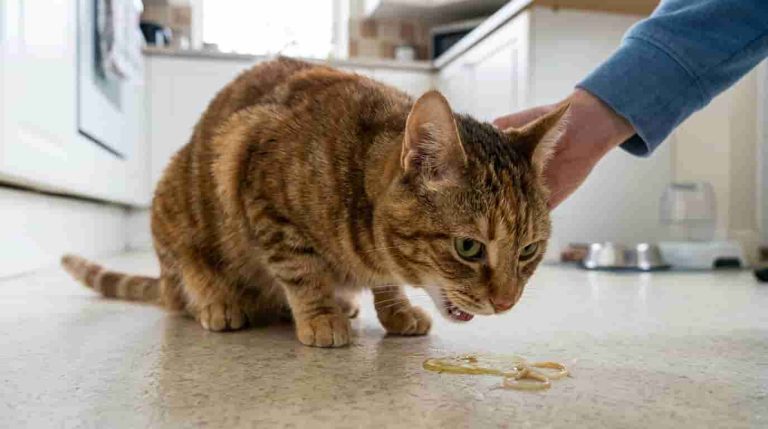
Cat Limping Guide: How to check for a thorn in the paw can save you a frantic trip to the clinic. Have you ever seen your cat hold a paw up in the air? They limp suddenly, and you feel worried. Most owners assume the worst when their pet stops walking correctly.
However, the culprit often hides right beneath the surface. Small debris frequently causes this sudden change in movement. We will explore how to safely inspect your cat’s foot and offer immediate care. Therefore, keep reading to solve this common mystery.
Using the Cat Limping Guide to Identify the Cause
You notice your cat walking with a jerky motion across the room. First, you must determine if this involves the whole leg or just the paw. Limping cat symptoms often provide clues about the location of the pain. Because cats mask their struggles, you need to watch them with great focus.
Sometimes, feline limping causes include muscle strains or even joint issues. You should check the basics before you jump to complex theories. Additionally, review Cat Hip Dysplasia: Managing joint pain in larger breeds. to understand if the problem starts at the hip. If your cat resists moving the entire leg, the issue likely resides higher up.
Examining the Paw for Foreign Objects
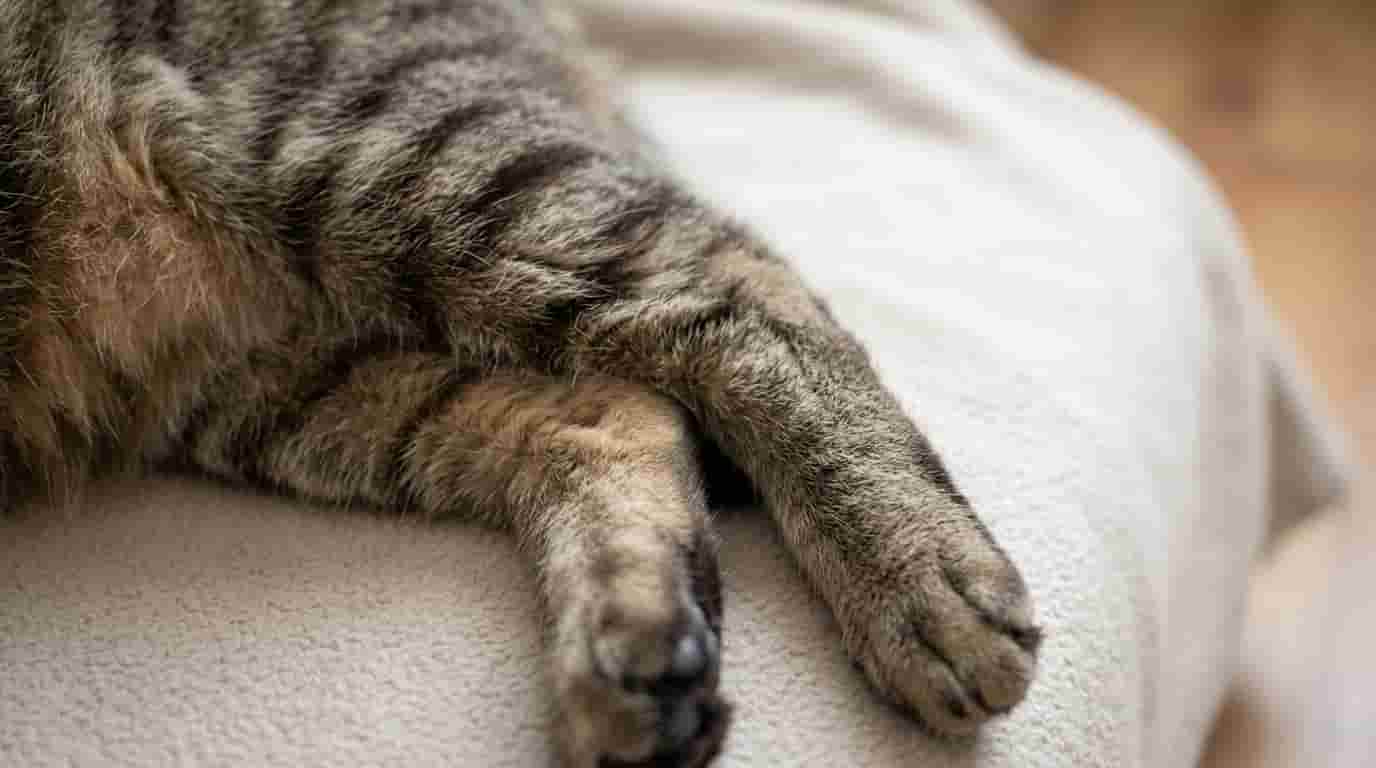
You gently lift the affected paw to look between the pads. Many cats pick up tiny thorns, glass shards, or even sharp wood splinters. This inspection remains a vital part of our Cat Limping Guide. If you find a thorn, you must handle it with extreme care.
- Keep the cat calm by wrapping them in a thick, soft towel.
- Use a bright flashlight to inspect every nook of the paw.
- Clean the area gently if you see any small debris.
If the object stays deep in the skin, stop and call your veterinarian. ASPCA experts warn against digging into a cat’s skin. You could cause an infection if you do not use sterile tools. Therefore, know your limits and prioritize their safety above everything else.
Understanding Various Cat Limping Causes
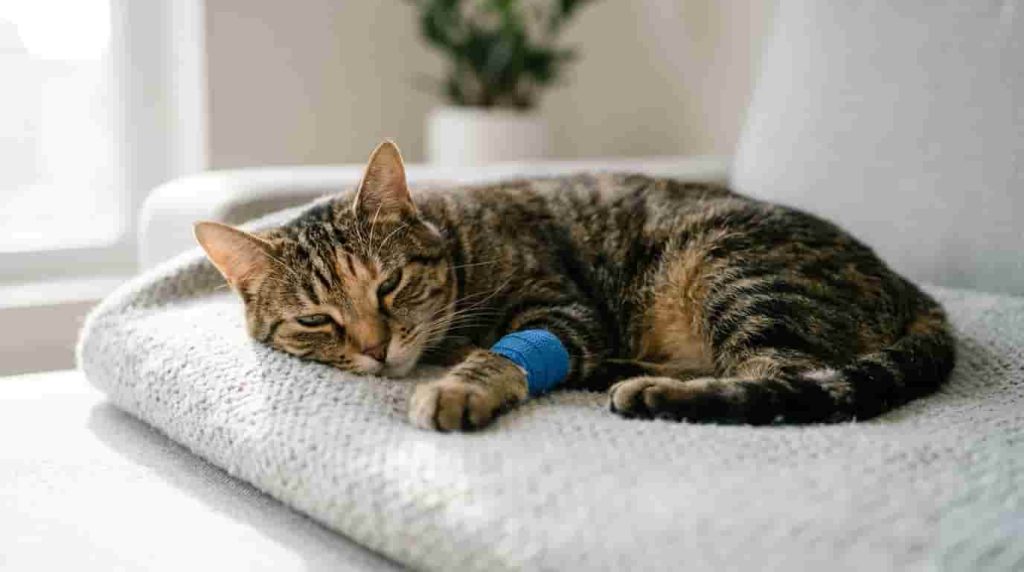
When the paw appears clear, you should look for other potential cat leg injury signs. Swelling or heat around the joints often points to different problems. Because cats jump and climb, they occasionally experience minor sprains during play. You must distinguish these from chronic health conditions that require long term care.
For instance, senior pets often develop stiffness due to age. You can read Cat Arthritis Signs: How to tell if your senior pet is stiff. to see if aging is the true reason for the limp. Additionally, Cat Back Pain: Recognizing signs of a spinal issue early. provides insight into how back problems affect leg movement. Your cat’s limp might originate far from the actual limb.
Implementing Cat Limping Treatment at Home
After you rule out a sharp object, you focus on cat limping home remedy steps. Rest is the most important part of any cat limping recovery. You should limit their jumping and climbing for at least twenty four hours. Furthermore, keep them in a quiet room where they feel relaxed and safe.
Ice packs wrapped in a towel help reduce swelling around a bruised joint. You should apply this gently for only a few minutes. If the cat resists, do not force the process. Your goal remains comfort and stability while their body heals.
Evaluating When You Need a Professional Diagnosis
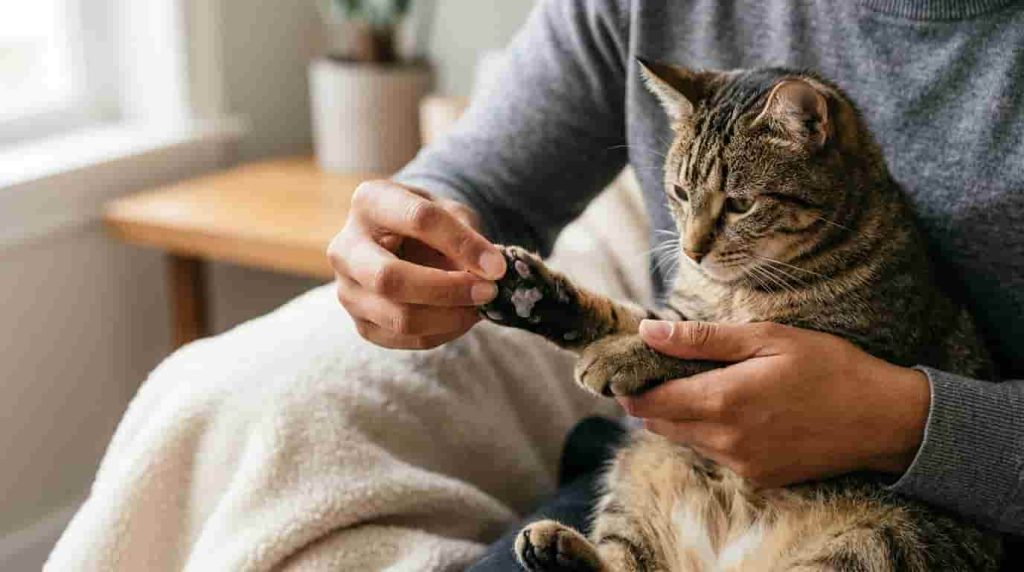
You should seek professional help if the limping lasts longer than one day. A persistent limp indicates that internal damage might require medical attention. Veterinary professionals can perform a cat limping diagnosis to ensure accurate care. They might order imaging to rule out broken bones or ligament tears.
VCA Animal Hospitals note that early diagnosis prevents complications. You want to avoid long term cat leg pain relief issues by acting fast. Because you observe the cat every day, your input helps the doctor immensely. Tell them exactly when the limping started and what you witnessed.
Applying Preventive Measures for Cat Leg Health
Good care involves cat limping prevention as much as healing. You should keep your floors clear of small, sharp objects. Also, maintain your cat’s weight to take pressure off their delicate joints. A healthy weight remains the best way to support their cat leg health.
Regular checkups ensure that you catch small issues before they grow. You also provide a balanced diet to keep their bones and muscles strong. By staying proactive, you minimize the risk of future injuries. This helps your cat stay happy and active throughout their many years.
Managing Cat Limping Remedies and Recovery
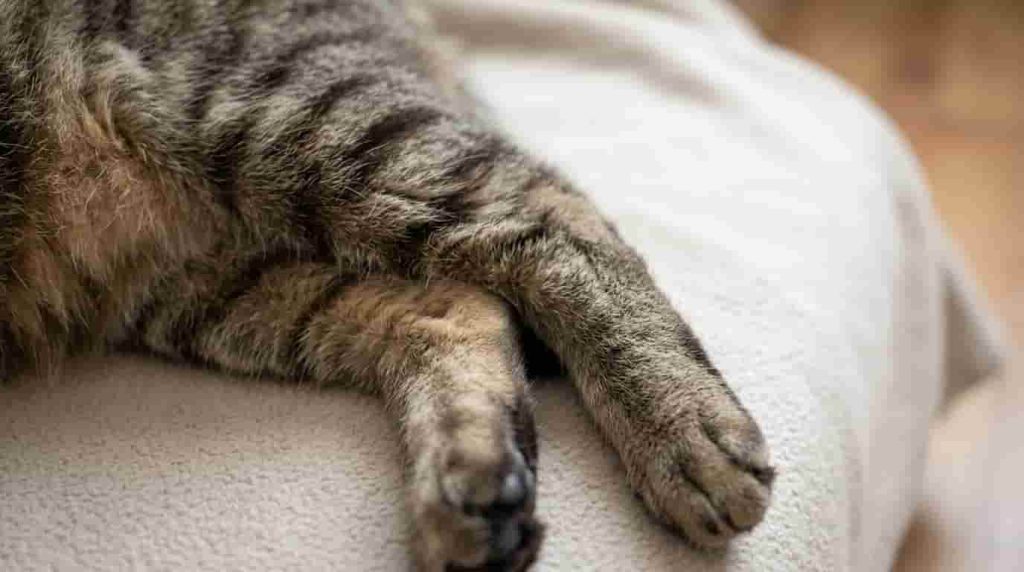
During the recovery process, you should monitor their mood very closely. If your cat stops eating or acts lethargic, contact your clinic right away. These signs could indicate a deeper systemic problem like an infection. You must ensure their cat leg health stays on the right path.
Gently encouraging movement, if approved by your vet, aids the healing process. You use safe, short cat limping exercises to keep muscles from getting too stiff. However, always prioritize rest if the cat shows any sign of discomfort. Your patience ensures they return to their normal, playful self.
Keeping Your Cat Comfortable During Healing
Create a low activity environment to make the healing process easier. You provide soft bedding and keep their favorite toys on the ground level. Avoid any situation where they feel the need to jump or run. Because they love to explore, this requires careful planning on your part.
Your cat feels your support when you provide a calm, soothing space. You speak in low, gentle tones to keep their heart rate down. By limiting stress, you allow their immune system to work efficiently. They heal faster when they feel secure and loved in their home.
Conclusion and Next Steps
We explored how a simple thorn causes a limp and how to help your friend. You now know how to inspect their paw and when to seek vet care. Remember, identifying the cause is the first step toward cat limping recovery. With your help, they will jump back to their favorite spots very soon.
Have you ever found a thorn or debris in your cat’s paw? Please share your story or ask a question about managing a limping cat below! We love hearing how you help your feline companions navigate their daily adventures.
Frequently Asked Questions
You can remove a superficial thorn if you can see it clearly and the cat stays calm. If the object is deep, visit your vet to prevent infection.
Visit your vet if the limp lasts more than 24 hours, if you see swelling, or if the cat seems to be in severe pain. Never ignore a persistent limp.
If your cat refuses to put weight on a leg, take them to the vet immediately. This suggests a more serious injury than a simple thorn.
Rest, ice, and keeping the cat quiet are the best home treatments. Do not provide human pain medications, as these can be fatal to cats.
Keep your floors clean and free of small items. Also, check their paws regularly if they spend time walking on rough surfaces outside.