Cat Food Sniffing: Why they check the smell before the taste.
Introduction:
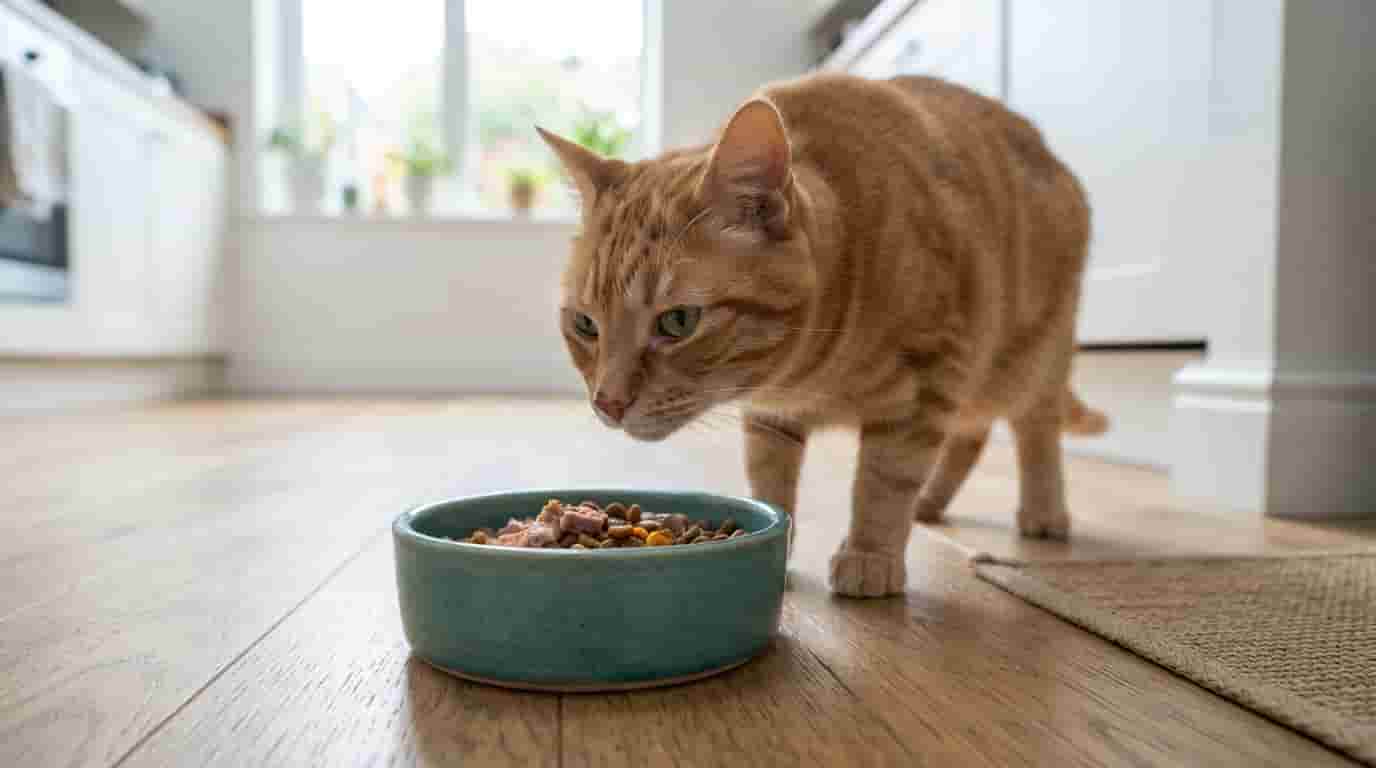
Cat Food Sniffing serves as a vital ritual for your feline friend. Have you ever placed a bowl down only to see your cat walk away? They pause, tilt their head, and give the meal a long, focused whiff. This behavior happens in homes all across the world.
You might assume they act picky for no reason. However, a hidden world of scent guides every single choice they make. We will explore what happens behind those twitching whiskers. The truth about their eating habits will surprise you.
The Science Behind Cat Food Sniffing
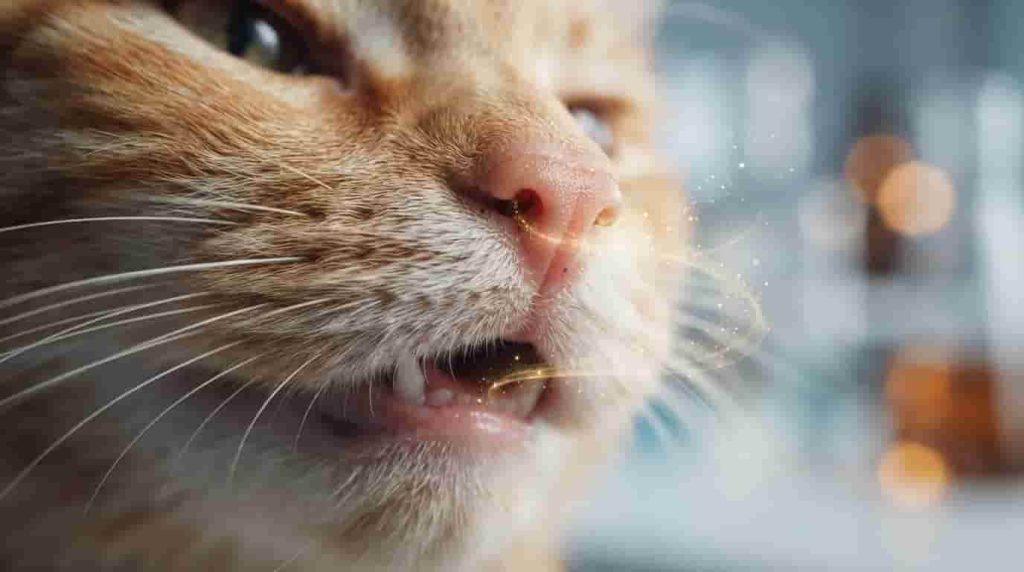
Your cat possesses a sense of smell much stronger than yours. Because their nose detects tiny chemical changes, they analyze food before eating. This act helps them avoid anything potentially harmful or spoiled. Therefore, they treat every meal as a test of safety.
Feline nutrition relies heavily on these keen olfactory senses. If the scent feels off, they will reject the meal entirely. You might notice this more if you provide specific premium cat food reviews or changes in their diet. Their instincts protect them from risks you cannot even detect.
Understanding Feline Scent Preferences
Cats use their nose to determine if the protein source remains fresh. Because they are natural hunters, they look for specific biological signatures. Feline scent preferences guide them toward items high in nutrients. You see how they favor certain natural cat food options over others.
- They identify the freshness of fats and proteins.
- Their brain maps the scent to memories of safe food.
- Strong odors often signal a meal rich in energy.
If you struggle with a picky eater, you should also read Cat Paw Dipping: Why some cats use their feet to eat. to see other eating quirks. Sometimes, the bowl design or texture affects them as much as the smell. Your cat combines scent and touch to decide if they want a bite.
How Cats Choose Food Through Smell
You learn a lot about cat food behavior by watching them work. First, they approach the bowl with caution and curiosity. Then, they take a deep breath to read the meal’s profile. They look for specific cat food ingredients to avoid that might cause tummy trouble.
Cornell University College of Veterinary Medicine suggests that smell influences appetite more than visual appeal. If you heat wet food slightly, you release more aromas. This simple trick often convinces a cat that the meal looks great. They respond to the intensity of the scent immediately.
Tips for Better Cat Diet Success

Choosing the best cat food brands requires patience and close observation. You should start by offering a small amount to test their reaction. Furthermore, keep track of which flavors trigger the most enthusiasm. Many owners find that rotational feeding helps keep interest levels high.
If you enjoy learning about their instincts, check out Cat Water Lapping: The physics of how cats drink without a mess. to see another unique habit. Cats monitor their water source through smell, just like their food. They ensure everything remains clean and safe before they drink or eat.
Managing Your Cat Food Sniffing Routine
You should create a calm environment for their daily feeding time. Loud noises or strong household cleaners interfere with their focus. If they cannot concentrate, they might skip their meal. Therefore, provide a quiet space where they feel secure.
Additionally, store their food in airtight containers to preserve freshness. Once food loses its natural aroma, cats lose their initial interest. You want to keep the scent profile strong until the very last bite. This ensures they continue to enjoy their food day after day.
Addressing Feline Scent Detection Issues
One owner, Mark, found his cat stopped eating his favorite dry kibble. He realized the bag had been open too long and lost its scent. As soon as he bought a fresh batch, his cat returned to eating happily. You see how vital that initial check really becomes for them.
If you notice your cat suddenly refuses food, visit your veterinarian. A sudden loss of smell can indicate a health problem. Furthermore, if you worry they might steal human food, see Cat Counter Surfing: Stopping your pet from stealing dinner. for safety tips. Keeping your food secure protects them from items they should not sniff or eat.
Selecting the Right Nutrition for Your Pet
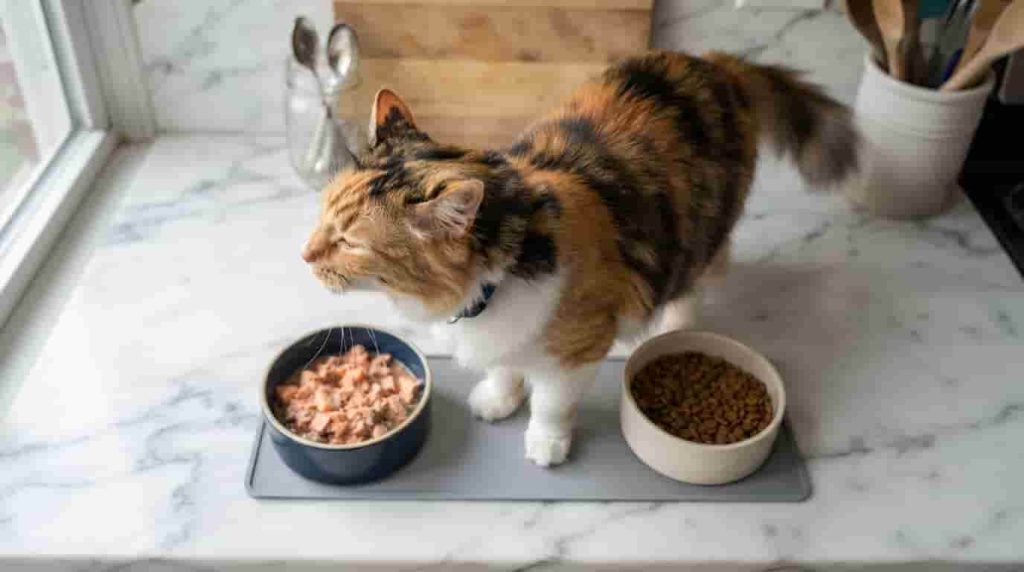
When you evaluate cat food nutrition tips, prioritize high quality protein. Cats need taurine and other nutrients found in healthy, natural sources. You do not need to overthink the process if you focus on freshness. Most feline nutrition experts agree that clean food smells the best to a cat.
Avoid products that rely on artificial flavors to mask poor quality ingredients. Your cat will know the difference the moment they lean in. By choosing natural options, you satisfy their desire for a real, meaty aroma. This creates a happier, healthier cat who loves their dinner.
Building a Long Term Feeding Strategy
You eventually learn to trust your cat’s sniffing habits. When they show excitement, you know you found a winner. Conversely, when they turn away, they send you a clear message. You listen to that message to improve their overall diet.
Every day offers a new chance to observe these amazing feline behaviors. You gain a deeper bond when you respect their natural instincts. Keep experimenting with different flavors to see what they enjoy most. Your cat thanks you with every purring, satisfied meal they finish.
Conclusion on Feline Feeding Habits
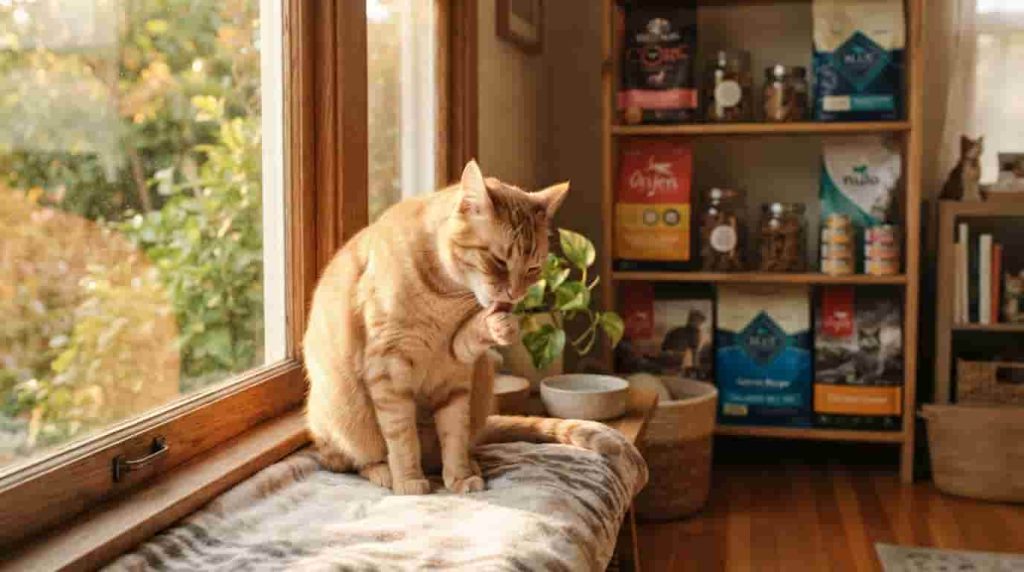
Cat Food Sniffing remains a critical part of how your pet views the world. They use their senses to ensure safety, quality, and overall health. You make mealtime better by respecting their process and keeping their food fresh. Understand these small habits to build a healthier life for them.
Have you noticed your cat doing something unique during their dinner time? Please share your thoughts or ask a question about their habits in the comments! We love hearing how you help your cats enjoy their daily meals.
Frequently Asked Questions
They might be checking if the food is fresh or safe. Sometimes, they also prefer a different texture or temperature for their meal.
Usually, this just means they do not find the food appetizing. If they stop eating completely, you should contact your veterinarian for advice.
Yes, warming wet food releases more aroma and makes it very tempting. This often helps cats with a lower appetite start eating again.
Check the smell carefully to see if it seems rancid or odd. Always follow the storage instructions on the label to maintain freshness.
Yes, every cat has individual preferences based on their experiences. You can try different premium cat food brands to find what they like best.
Cat Food Sniffing guides your pet toward the best nutritional choices every day. You provide the right support when you keep their meals fresh and high quality. Remember to watch their behavior as a way to understand their health and happiness. Finally, enjoy every mealtime moment with your sharp, scent-driven companion.