

Cat Aggression Issues: How to Stop Biting and Scratching for Good
Introduction
Cat aggression issues can catch any cat owner completely off guard. One moment your cat is purring softly on your lap. The next moment, they sink their teeth into your hand with zero warning.
This experience is painful, confusing, and frankly a little scary. However, aggressive behaviour in cats almost always has a clear cause behind it. Understanding that cause is your most powerful tool for fixing the problem.
Many owners assume their cat is simply “mean” or broken. In reality, most cats bite and scratch because they feel scared, overstimulated, or threatened in some way. Cat aggression issues are rarely random or unexplainable.
In this guide, you will learn exactly why cats lash out. You will also get step-by-step advice to reduce biting and scratching for good. Additionally, you will discover how to spot warning signals before things ever escalate.
Why Cat Aggression Issues Happen in the First Place

Cats do not bite or scratch because they are bad pets. They act aggressively because something triggers a strong fear or stress response inside them. Therefore, understanding your cat’s specific triggers is the very first step toward change.
Several common factors cause feline aggression. Fear tops the list as the most frequent trigger of all. A cat that feels cornered or threatened will defend itself immediately and instinctively.
Overstimulation is another major cause that surprises many owners. Your cat genuinely enjoys being petted, but too much physical contact can quickly overwhelm their nervous system. As a result, they bite to communicate “please stop now.”
Redirected aggression also catches owners off guard regularly. This happens when your cat spots another animal outside the window and feels frustrated because they cannot reach it. They then redirect all of that pent-up energy directly onto you.
Other common triggers include:
- Pain or undiagnosed illness
- Territorial disputes with other pets
- Poor socialization during kittenhood
- Sudden changes to the home environment
- Loud or unexpected noises and movements
According to the ASPCA, aggression is the second most common reason cat owners seek professional behavioral help. This tells you just how widespread and serious cat behavior problems can be.
The Most Common Triggers Behind Aggressive Cat Behavior

Identifying your specific cat’s triggers makes solving the problem far easier. Pay close attention to what happens in the seconds right before aggression appears.
Does biting happen during petting? That is most likely overstimulation. Does it happen near windows or doors? That points toward redirected aggression. Is your cat aggressive around their food bowl? That could be resource guarding behavior.
Keeping a simple diary of aggressive episodes helps you find patterns very quickly. Write down the time, location, and what happened just before each incident. This small habit gives you surprisingly powerful insight into your cat’s mind.
Understanding cat body language also deepens your ability to spot patterns. Your cat’s posture tells you so much before they ever act out.
How to Read the Warning Signs Before Your Cat Strikes

Cats rarely attack without giving warning signals first. The real problem is that most owners completely miss these signals until it is too late. Learning to recognize them early changes everything about how you manage aggression.
Watch carefully for these physical warning signs:
- Flattened ears pressed tight against the head
- Dilated pupils even in normal room lighting
- A stiff, low, or puffed-up tail
- Rapid tail twitching or lashing movements
- Growling, hissing, or spitting sounds
- A crouched body posture or rippling skin along the back
When you notice any of these signals, stop what you are doing immediately. Give your cat space and resist the urge to comfort them with more touching. Furthermore, remove yourself from the situation calmly and without sudden movements.
You can learn even more about reading subtle cues in this guide on cat meowing meanings. Your cat communicates distress in multiple ways, not just through body language.
Signs of Cat Aggression You Should Never Ignore
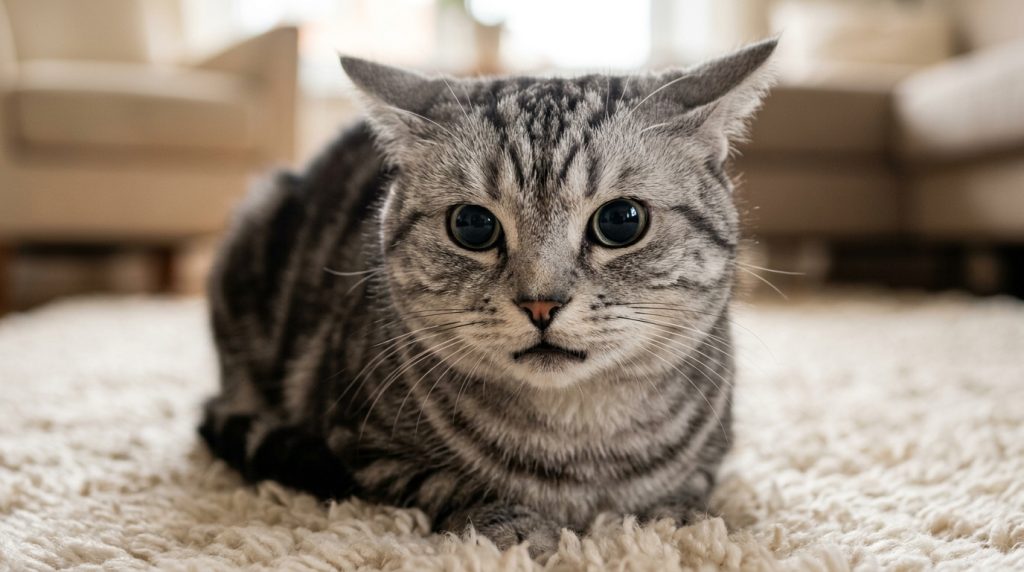
Some warning signs are far more serious than others. Deep bites that break the skin, completely unprovoked attacks, and daily aggression all qualify as serious red flags.
If your cat suddenly becomes aggressive without any clear trigger, visit your vet immediately. Pain from conditions like dental disease, arthritis, or hyperthyroidism frequently causes sudden aggressive behavior in cats. Therefore, ruling out a medical cause is always the right and responsible starting point.
Cat Aggression Issues: Proven Steps to Stop Biting and Scratching

Now that you understand the causes and warning signs, it is time to take direct action. These proven strategies for dealing with aggressive cats work best when applied consistently over time.
1. Stop using your hands as toys. Many owners accidentally play with their cats using fingers and hands. This teaches cats that hands are fair game targets. Always use wand toys, feather teasers, or laser pointers for interactive play instead.
2. Apply positive reinforcement consistently. Reward calm and relaxed behavior with small treats and gentle praise. When your cat sits quietly or tolerates handling without biting, reward them immediately. Over time, your cat builds positive associations with calm interactions.
3. Build a predictable daily routine. Cats feel far safer when life follows a consistent pattern. Feed them at the same times each day and schedule regular play sessions. A calm, structured home reduces background stress and therefore reduces aggression significantly.
4. Always provide safe escape routes. Never trap your cat in a corner or force physical interaction. Make sure they always have access to high shelves, cat trees, or quiet rooms where they can decompress freely.
5. Try calming environmental aids. Feliway plug-in diffusers release synthetic pheromones that genuinely reduce feline stress levels. Many cat owners report a noticeable drop in aggressive cat behavior within a few weeks of consistent use.
Aggressive Cat Training Methods That Actually Work

Training an aggressive cat requires patience and absolute consistency. The most important rule is to never punish your cat physically. Punishment only increases fear and makes signs of cat aggression far worse over time.
Here is a relatable example many cat owners will recognize. Sarah from Austin, Texas struggled with her three-year-old tabby biting her hand every single day during their evening petting sessions. She started watching closely for that telltale tail twitch and stopped all petting the moment she saw it. Within just two weeks, the daily biting stopped almost entirely.
According to VCA Animal Hospitals, desensitization and counter-conditioning are among the most effective techniques available for managing cat aggression towards humans. These methods gradually teach your cat that calm behavior leads to good outcomes.
If your cat’s aggression is severe or escalating, hiring a certified feline behaviorist is absolutely worth the investment. They design specific plans based on your individual cat’s unique triggers and history.
How to Handle Cat Aggression Towards Other Cats at Home

Cat aggression towards other cats is a completely separate challenge with its own set of solutions. Multi-cat households frequently experience tension, territorial disputes, and outright fighting.
First, make absolutely sure you have enough resources for every cat in the home. Each cat needs their own food bowl, water bowl, and litter box. Additionally, experts recommend one extra litter box beyond the total number of cats you own.
Introduce new cats slowly using a scent-swap method over several days. Keep the new cat in a completely separate room at first. Then swap their bedding so both cats adjust to each other’s scent before any face-to-face meeting.
Also consider that unspent energy fuels aggression between cats. Reading about cat night zoomies explains how pent-up energy builds throughout the day and finally explodes at night. Daily interactive play burns off this energy before it causes conflict.
Interestingly, cat kneading habits and cat purring science are both signs of a relaxed, content cat. If you rarely see these behaviors in your multi-cat home, that is a clear signal that stress levels are running too high.
When to Talk to Your Vet About Feline Aggression

Sometimes dealing with aggressive cats requires professional medical help. If your cat bites hard enough to break skin regularly, attacks with no warning, or shows no improvement despite your best efforts, contact your vet right away.
Your vet will perform a full health check to rule out pain, hormonal imbalances, or neurological issues. They may refer you to a veterinary behaviorist who specializes specifically in feline aggression. Furthermore, some cats genuinely benefit from short-term anti-anxiety medication while behavior modification takes effect alongside it.
Conclusion
Cat aggression issues are stressful, but they are rarely permanent or hopeless. Most cats improve dramatically when owners learn their specific triggers, respect their communication signals, and apply consistent positive training over time.
Start by watching closely for warning signs before biting ever happens. Then remove known triggers, create safe retreat spaces, and reward every calm interaction your cat offers. Always rule out medical causes with your vet before assuming the issue is purely behavioral.
Managing cat aggression issues takes real time and genuine patience. However, the reward is a calmer, safer, and much happier relationship with your pet. Have you dealt with an aggressive cat before? Share your experience in the comments below and tell us what finally worked for you!
Frequently Asked Questions
Sudden aggression very often signals an underlying medical issue like pain or illness. Visit your vet first to rule out any physical cause before addressing behavior. Also look for recent changes in your home that might have introduced new stress.
Watch closely for overstimulation signals like tail twitching, skin rippling, or flattened ears. Stop petting immediately the moment you see any of these signs. Gradually, you can extend petting sessions as your cat learns that interactions end before they feel overwhelmed.
Many cats improve dramatically with consistent training, environmental adjustments, and trigger management. Some cats will always need careful management of their specific triggers throughout their lives. Working with a certified feline behaviorist gives you the best possible chance of long-term success.
This behaviour is most likely redirected aggression at work. Your cat probably saw or heard something outside that triggered frustration and then redirected that energy onto the nearest available target. Providing more vertical space and separate feeding areas helps reduce these incidents significantly.
Light, gentle play biting is completely normal, especially in younger cats and kittens. However, hard biting that breaks skin and scratching that draws blood are not normal play behaviors at all. These responses indicate genuine aggression that needs to be properly addressed.