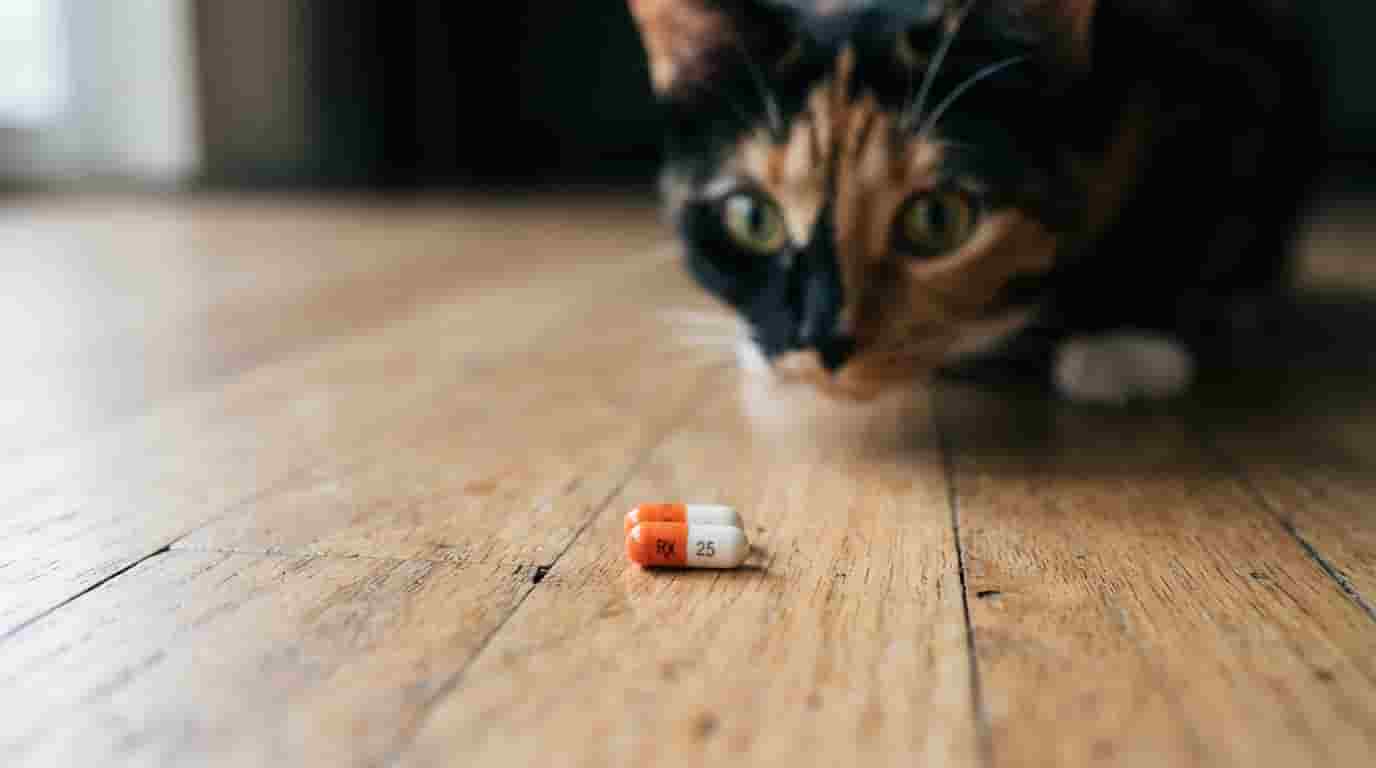
Cat Medication Storage: Keeping human pills away from curious paws.
Introduction:
Cat medication storage is a critical safety habit that every pet owner needs to master right now. Have you ever dropped a tiny white pill on your kitchen floor and watched it bounce away?
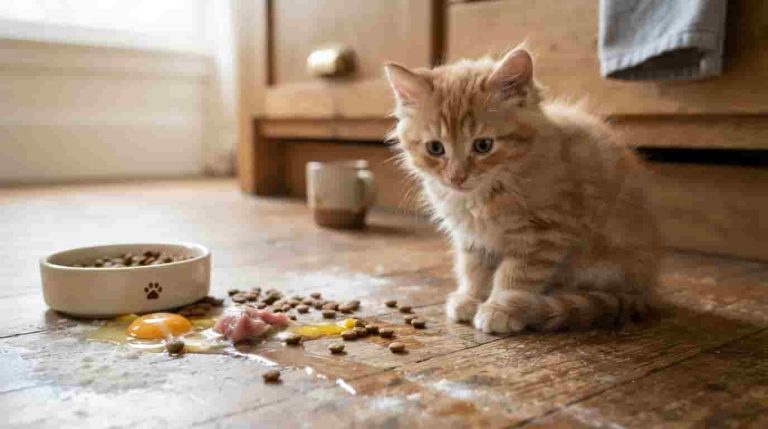
Your heart stops instantly while you scramble on hands and knees to find it. You search under cabinets because you know how fast a feline pounces on tiny moving objects. Felines investigate every small object with their mouths out of pure natural curiosity.
A single fallen painkiller or antidepressant can cause fatal organ failure in small animals within hours. Modern homes contain dozens of hidden chemical hazards that look like fun toys to playful animals. Proper cat medication storage prevents these silent household accidents before a medical emergency happens.
Many owners mistakenly believe high countertops keep pills completely safe from agile pets. Yet felines easily leap six times their height to explore elevated spaces.
How can you truly secure your home against clever, climbing pets? Let us explore how simple organizing changes keep your beloved animals safe every day.
Why Cat Medication Storage Demands Special Attention
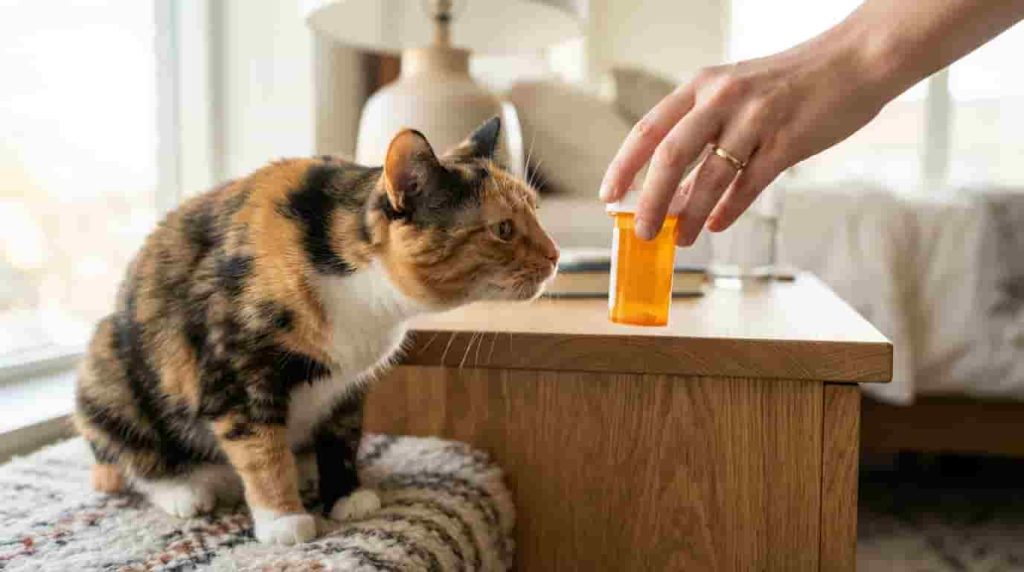
Proper cat medication storage matters because feline liver biology differs completely from human liver biology. Their bodies lack essential liver enzymes needed to break down common human drugs safely.
For example, a single over-the-counter pain tablet quickly destroys a feline’s red blood cells. The ASPCA Animal Poison Control Center handles thousands of household medication calls every single year.
Curious pets often bite directly through soft plastic pill bottles left on nightstands. Their sharp teeth puncture thin plastic caps surprisingly fast during unsupervised play.
You must establish secure storage for cat meds in locked drawers or heavy latching boxes. Storing pet meds safely requires complete physical barriers rather than simple vertical height.
Take a quick look around your nightstand and bathroom counters today. Are your daily prescription bottles standing out in the open right now?
Smart Cat Medication Organization Tips for Daily Routines
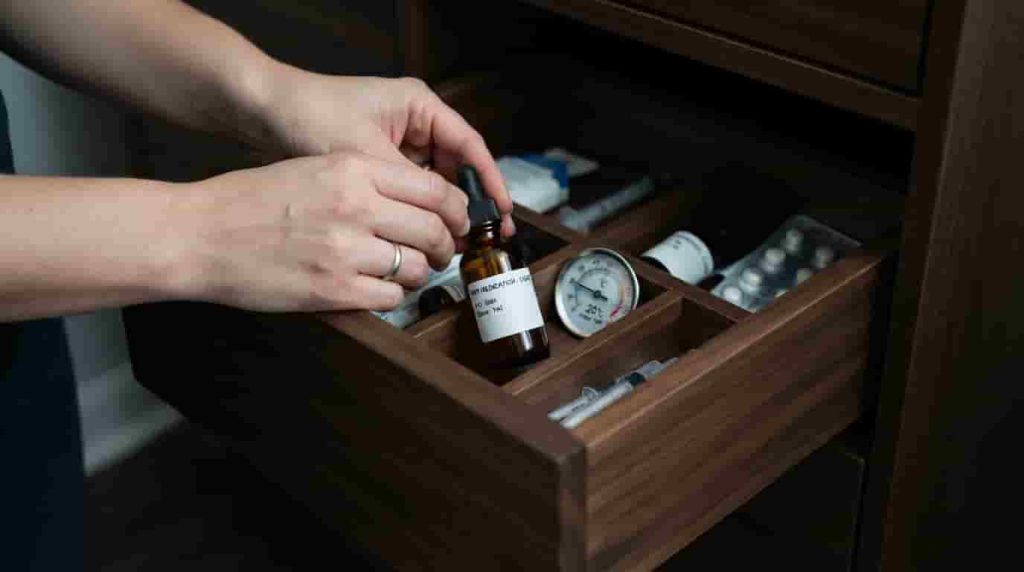
Smart cat medication organization tips help you manage treatments without mixing up confusing bottles. Human drugs and animal prescriptions look surprisingly similar during rushed morning routines.
First, keep human pills and animal treatments in completely separate rooms or distinct cabinets. Using different colored bins prevents accidental dose mix-ups when you feel tired.
Next, practice safe cat drug storage solutions by using heavy plastic containers with slide locks. Childproof caps do not stop determined felines from chewing through plastic bottles.
Label every bottle clearly with bold permanent marker to track dates and precise dosages. Good cat prescription storage tips also include keeping original pharmacy labels intact for safety.
Managing your home environment safely goes far beyond simple pill bottles. For example, toxic indoor plants pose similar hidden chewing risks for playful household pets. Learn how to protect your home by reading Cat Poisonous Flowers: Why lilies are the most dangerous plant today.
Preserving Cat Medications for Maximum Effectiveness
Preserving cat medications properly keeps life-saving treatments working effectively over long periods. Heat, moisture, and direct light ruin active chemical ingredients very fast.
Many owners keep pet drugs in humid bathroom cabinets near hot showers. Moisture degrades tablets quickly and causes liquid formulas to spoil long before expiration dates.
Instead, choose cool, dark, and dry closets for long-term cat medication storage solutions. The FDA Center for Veterinary Medicine advises keeping liquid antibiotics within strict temperature ranges on the official FDA Animal Health Page.
Follow these basic steps to maintain liquid and tablet strength over time:
- Store liquid drugs in refrigerator doors away from cold back walls.
- Keep dry pills away from humid sinks and steamy bathroom air.
- Store original prescription bottles away from direct sunny window sills.
- Check expiration dates on all pet medications every single month.
Everyday Hazards and Emergency Prep for Pet Owners
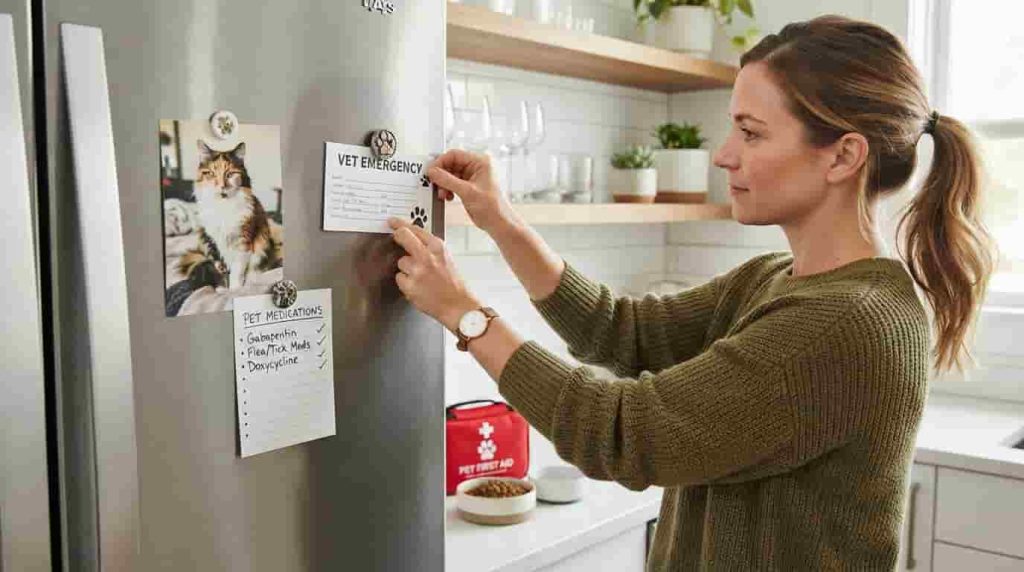
Accidents still happen even when owners practice careful cat medication storage routines daily. A bottle knocks off a counter, or a pill rolls beneath a heavy refrigerator.
Sarah, a busy owner from Ohio, learned this lesson when her cat opened a loose cabinet door. She found a chewed aspirin bottle on her rug and panicked immediately.
Sarah called her local vet clinic right away and brought the chewed bottle with her. Quick medical action saved her pet because she identified the swallowed drug quickly.
You should save the Pet Poison Helpline contact number directly into your smartphone contacts today. The official experts at the Pet Poison Helpline provide rapid 24-hour emergency guidance for pet owners.
Environmental safety requires constant vigilance across your entire house every single day. Airborne risks like essential oil diffusers can also harm delicate feline organs silently. Read Cat Essential Oils: Which scents are toxic to feline livers to keep your home air safe.
Emergency situations demand fast action when fire or smoke threatens your residence suddenly. Learn fast evacuation methods by reviewing Cat Fire Safety: Getting your pet out of the house in an emergency to protect your family.
Organizing Cat Meds in the Home with Long-Term Habits
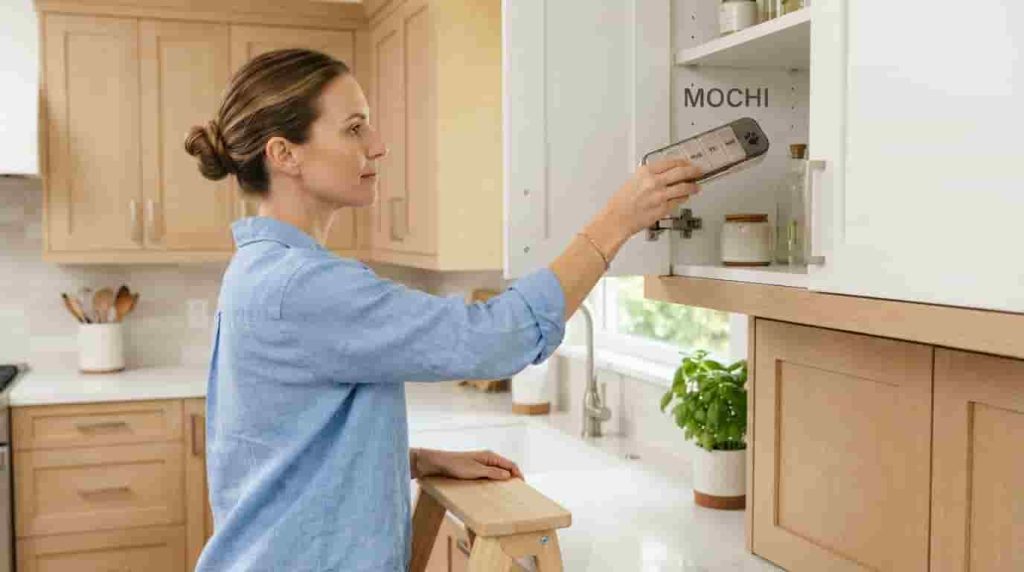
Organizing cat meds in the home creates a simple routine that protects your pets effortlessly. Clear plastic storage drawers allow you to inspect supplies without opening seals.
How to store cat meds safely comes down to consistent daily habits. Always close cabinet doors tightly until you hear the latch click shut.
Teach every family member about the strict rules regarding cat medication storage methods. Children must understand that pet pills are dangerous chemicals, not harmless treats.
Dispose of expired prescription drugs safely by mixing them with coffee grounds in sealed bags. Never toss loose pills into open trash cans where curious pets dig.
A well-organized home keeps your pets healthy while giving you complete peace of mind. Small safety changes today prevent tragic accidents tomorrow.
Simple Summary of Cat Medication Storage Essentials
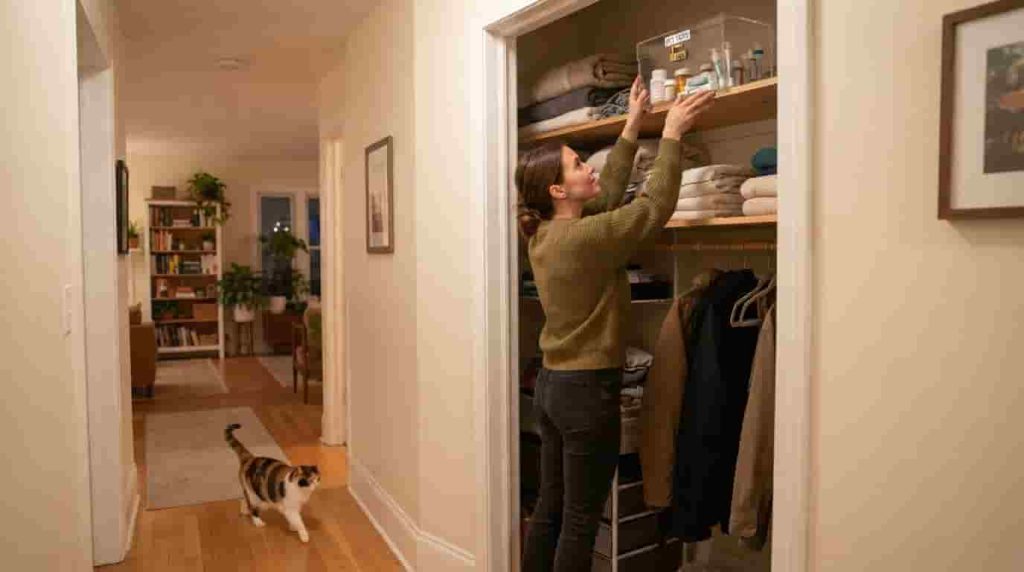
Mastering cat medication storage protects your playful pets from dangerous household poisonings every day. You now know why high countertops fail to keep climbing felines safe from pills.
Separating human drugs from pet treatments prevents costly morning mix-ups during busy schedules. Cool, dry storage zones preserve active ingredients so treatments remain effective when needed.
Simple habits like locked bins and clear labels make your living spaces completely safe. Taking time to secure your supplies protects your animal companions for years to come.
How do you keep your pet medicines organized and safely locked away at home? Share your favorite storage tips and experiences in the comments section below!
Frequently Asked Questions
Human painkillers cause severe organ damage and internal bleeding in felines very quickly. Contact an emergency veterinarian or pet poison hotline immediately if swallowing occurs. Never wait for symptoms to appear before seeking professional medical assistance.
Store liquid medications in cool, dark places away from direct sunlight and heat sources. Certain liquid antibiotics require steady refrigeration in secure door compartments. Always read the specific pharmacy label instructions carefully for accurate temperature needs.
Yes, cats can chew through thin plastic childproof bottles with their sharp teeth. Plastic caps also pop open when dropped from high counters onto hard floors. Always place pill bottles inside locked cabinets or heavy latching containers.
Mix unused pills with unappealing substances like wet cat litter or used coffee grounds. Place the mixture inside a sealed plastic bag before tossing it into outdoor trash cans. This step stops curious neighborhood animals from eating discarded drugs.
The best location is a cool, dry cabinet located high above floor level. Avoid humid bathrooms and hot kitchens where moisture ruins active chemical ingredients. Lock the cabinet door securely to keep agile, climbing pets outside completely.