Cat Essential Oils: Which scents are toxic to feline livers.
Introduction:
Cat essential oils might smell wonderfully refreshing to you, but what secret threat do those soothing plant drops hold for your favorite feline?
You fill a glass diffuser with water and add three drops of sweet lavender oil. The gentle mist rises slowly into the air, creating a relaxing home sanctuary. Your curious pet walks across the room, sniffs the fresh air, and suddenly licks their nose.
Hours later, your beloved companion stops eating and hides quietly under the bed. You wonder if that pleasant herbal aroma caused this sudden change.
Most people view concentrated plant drops as completely safe natural remedies for feline stress. Yet concentrated plant drops contain powerful organic chemicals that react strangely inside small animal bodies.
Feline livers handle plant compounds very differently than human livers or canine digestive systems. Why do sweet natural aromas create invisible toxic hazards so quickly?
Let us explore the hidden biological mystery behind plant scents and feline liver health today.
The Biological Secret Behind Cat Essential Oils Toxicity
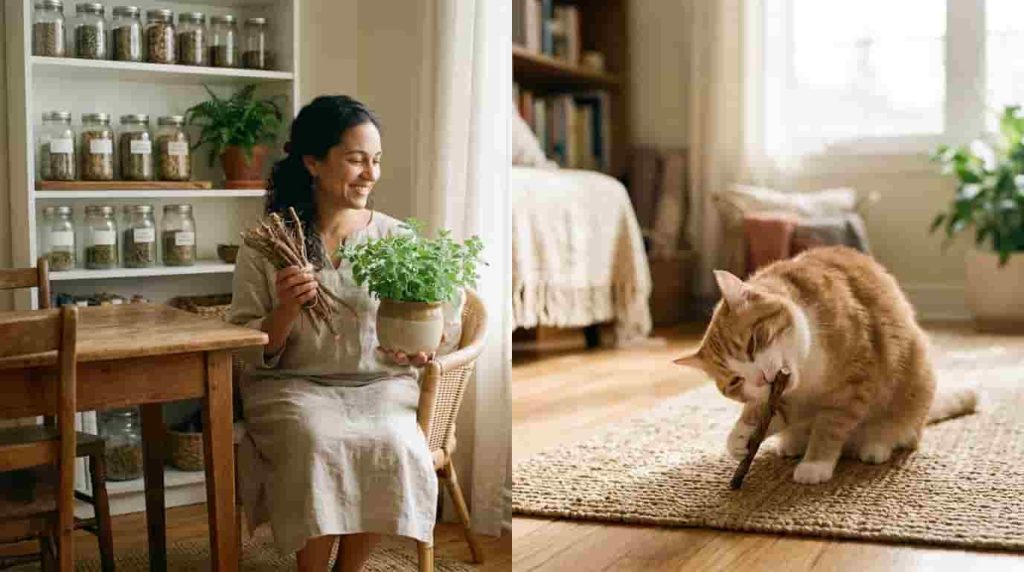
Cat essential oils pose unique dangers because felines lack a crucial liver enzyme called glucuronyl transferase. This specific protein allows humans and dogs to break down hydrocarbons called phenols safely.
When felines inhale or absorb concentrated aromatic compounds, their livers cannot process the molecules efficiently. Consequently, toxic compounds accumulate in body tissues over time.
Droplets from active diffusers settle quietly onto fluffy fur coats throughout the day. Your clean pet then licks these chemical residues off during normal grooming routines.
Understanding Aromatherapy for Cats and Enzyme Deficiency
Passive diffusers also release volatile organic compounds that enter feline lungs easily. Inhaling scented air causes hidden stress to delicate internal organs over time.
You must understand which popular plant extracts create the highest risks for household animals. Learning about these biological risks helps you protect your pet every single day.
High Risk Scents That Damage Feline Livers Rapidly
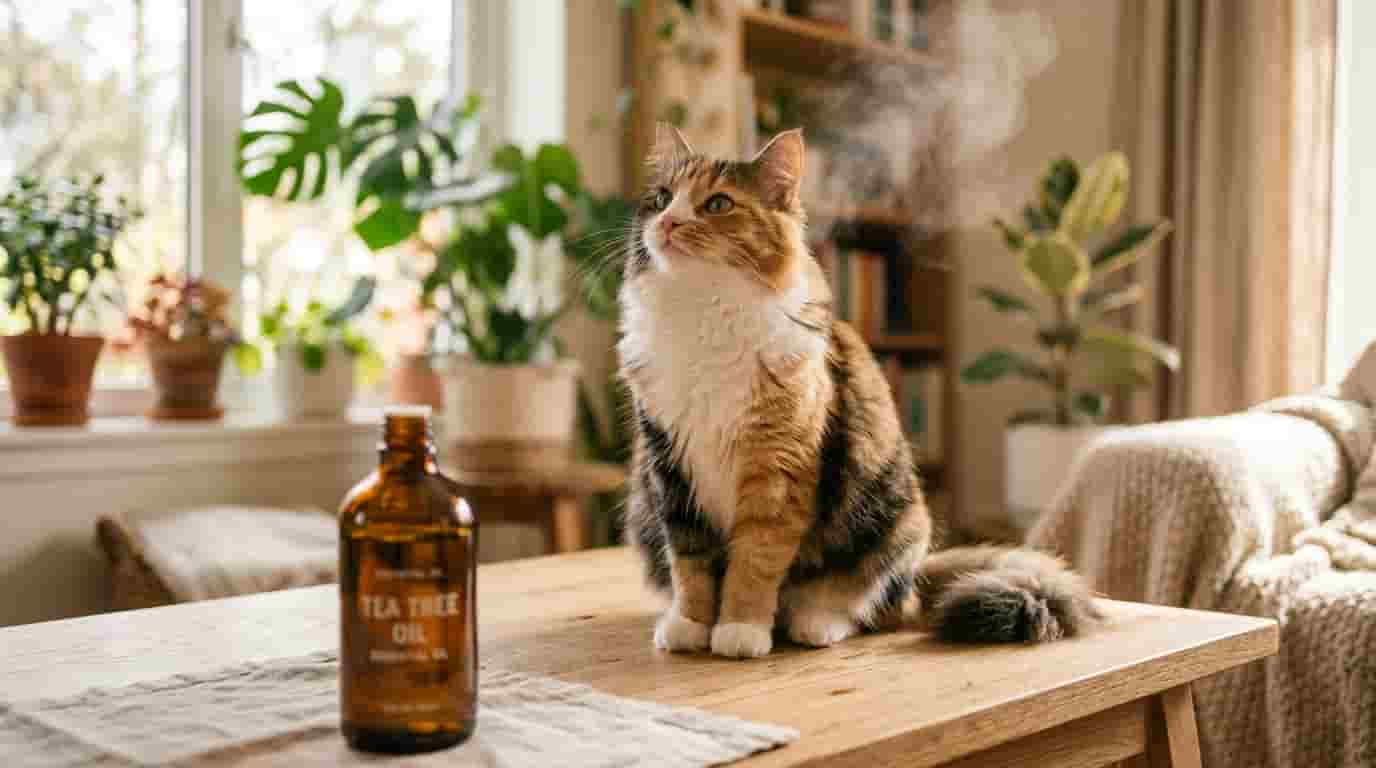
Many popular scents used in holistic care for cats cause severe internal reactions. Tea tree oil ranks among the most hazardous extracts for small domestic pets.
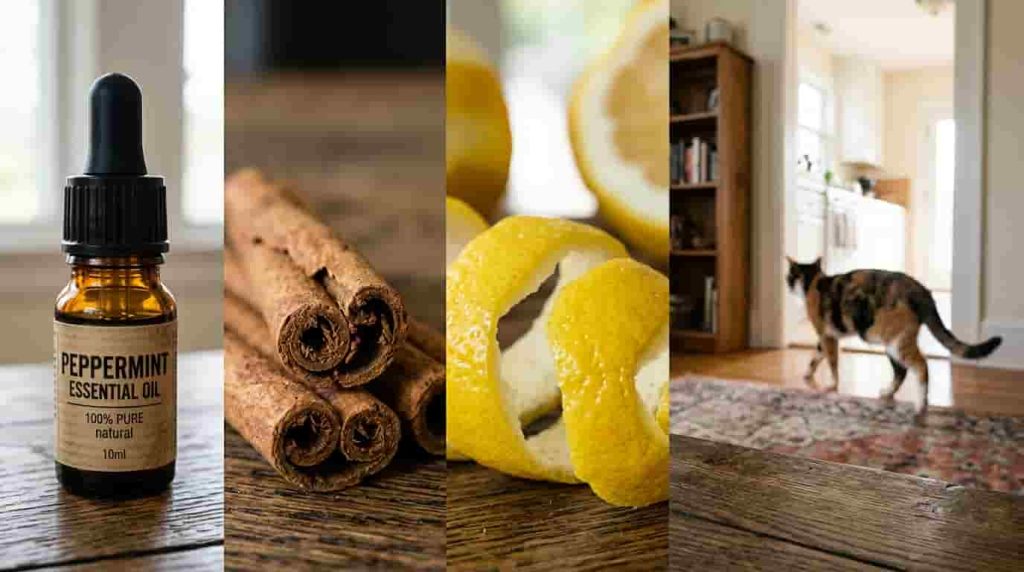
Even tiny drops applied to skin cause tremors, drooling, and sudden liver failure. Likewise, citrus extracts contain toxic compounds that irritate delicate feline digestive systems quickly.
Peppermint, cinnamon, eucalyptus, and wintergreen also pose serious toxicity risks for indoor pets. These concentrated extracts quickly overwhelm feline metabolic pathways.
Recognizing Symptoms of Essential Oils and Cats Poisoning
Experts at the ASPCA Animal Poison Control Center track thousands of plant poisoning incidents annually. They warn owners that natural remedies for cats require extreme caution.
Look out for early warning signs of accidental scent poisoning in your home:
- Unsteady walking or loss of balance.
- Excessive drooling and watery eyes.
- Difficulty breathing or heavy panting.
- Persistent vomiting and sudden lethargy.
Safe Diffusing Essential Oils Around Cats Practices

Diffusing essential oils around cats requires strict rules to keep your living space safe. You can still enjoy pleasant home scents without harming your pet companions.
First, never operate active ultrasonic diffusers in enclosed rooms where pets sleep. Always keep interior doors wide open so animals can leave scented spaces freely.
Next, store all concentrated scent bottles in locked glass cabinets or heavy plastic bins. Curious animals often knock loose bottles off high tables during energetic play sessions.
Applying Secure Storage Solutions for Natural Remedies for Feline Stress
Physical safety extends to other common household chemicals and prescription items as well. You should read Cat Medication Storage: Keeping human pills away from curious paws to secure dangerous pill bottles safely.
Proper storage habits prevent accidental liquid spills before dangerous emergencies happen. Keeping scents away from curious paws prevents accidental skin contact completely.
Calming Essential Oils for Cats and Safe Alternatives
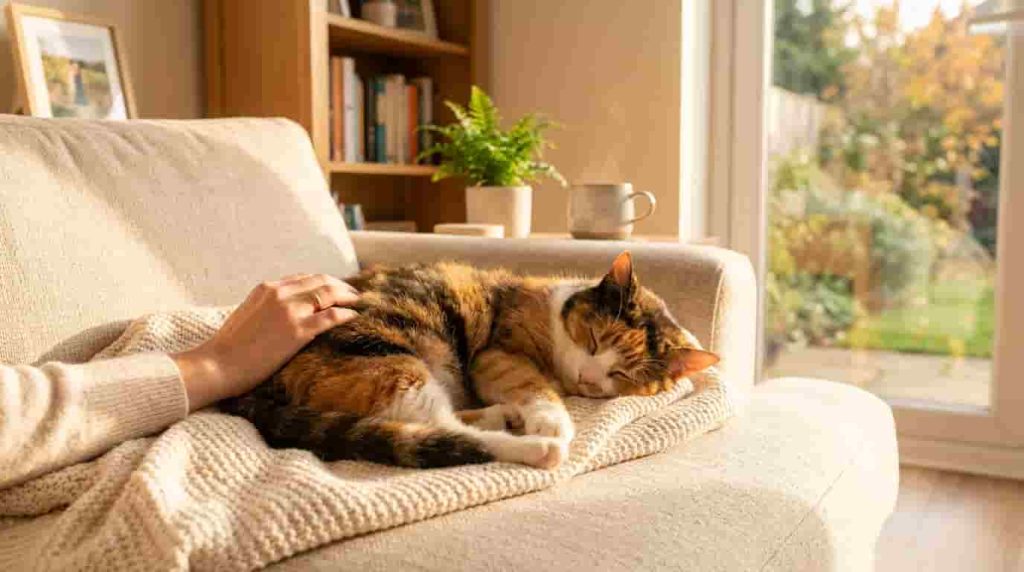
Finding safe essential oils for cats seems tricky because so many scents carry hidden risks. Is there any scent that calms anxious pets without harming liver health?
Hydrosols offer a much gentler option for pet aromatherapy in home spaces. These aqueous byproducts of plant distillation contain tiny fractions of aromatic compounds.
Subtle floral waters provide mild calming effects without overwhelming delicate liver enzymes. Also, synthetic feline pheromone diffusers offer clinically proven relief for stressed pets.
Exploring Cat-Friendly Essential Oils and Synthetic Pheromones
Veterinarians frequently recommend synthetic pheromones over essential oils for feline health needs. The Pet Poison Helpline shares comprehensive guides on safe pet-friendly alternatives for concerned owners.
Environmental safety involves managing all types of natural household flora carefully. Plant hazards often exist in garden pots alongside scent diffusers.
Check Cat Poisonous Flowers: Why lilies are the most dangerous plant to protect your living room.
Emergency Steps and Essential Oils for Cat Grooming Risks
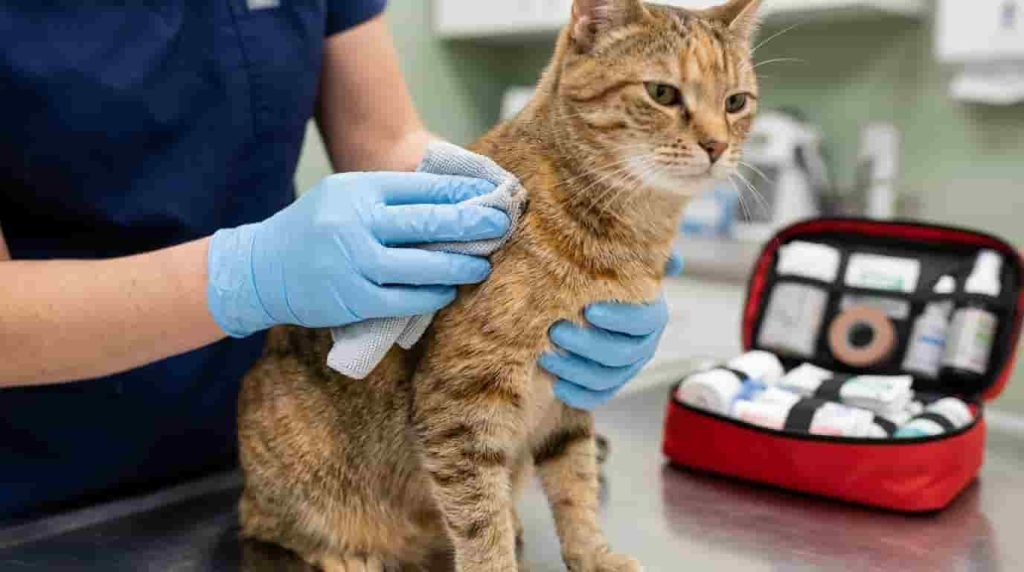
Using essential oils for cat grooming products requires complete avoidance of undiluted plant extracts. Never apply pure essential oils directly onto feline skin or fur coats.
Consider this real situation involving a well-meaning owner named Mark. Mark applied two drops of eucalyptus oil to his pet to repel summer fleas.
His pet became lethargic within three hours because the oil absorbed directly through the skin. Mark immediately washed his pet with mild dish soap to remove remaining surface oils.
Responding Fast to Unsafe Essential Oils to Use for Cats
Mark rushed to an emergency clinic, where vet teams provided fluid therapy and liver support. Quick action prevented permanent liver tissue damage.
Unexpected household emergencies require fast thinking and clear action plans. Read Cat Fire Safety: Getting your pet out of the house in an emergency to prepare your home for fast evacuations.
Creating a Safe Home with Cat Essential Oils

Understanding cat essential oils helps you make smart choices for your home environment. Felines process plant chemicals through unique metabolic pathways that demand gentle care.
Avoiding high-risk scents like tea tree and peppermint keeps feline livers healthy. Switching to synthetic pheromones provides safe stress relief without chemical risks.
Final Thoughts on Essential Oils for Cat Anxiety
Simple changes to your aromatherapy habits protect your animal companions every day. You can enjoy a fresh home while keeping your curious companions healthy and happy.
What safe scents or calming methods do you use in your home? Share your thoughts and personal stories in the comments section below!
Frequently Asked Questions
Hydrosols and synthetic feline pheromone diffusers offer the safest choices for indoor spaces. Always keep doors wide open so your pet can leave scented rooms freely. Avoid active ultrasonic diffusers in small closed rooms completely
Common symptoms include unsteady walking, excessive drooling, vomiting, and difficulty breathing. You may also notice sudden lethargy or muscle tremors in affected animals. Contact an emergency veterinarian immediately if these warning signs appear.
Cats lack specific liver enzymes needed to break down organic plant compounds safely. Toxic hydrocarbons accumulate in body tissues and cause rapid internal tissue damage. Direct skin contact and inhaled vapors both carry severe health risks.
No, peppermint oil contains high levels of menthol that harm feline livers quickly. Inhaling strong peppermint vapors irritates sensitive feline airways and lung tissues. Choose pet-safe pest deterrents recommended by professional veterinary teams instead.
Wash your pet’s mouth gently with clean water if possible. Do not induce vomiting without explicit instructions from a trained medical professional. Take your pet and the oil bottle to a veterinary clinic immediately.