Ocicat cat: The Wild-Looking Cat With No Wild DNA
Introduction:
Ocicat cat owners often ask how an ordinary house pet develops the striking appearance of an ocelot. How did a completely accidental breeding experiment in nineteen sixty-four produce a wild jungle coat pattern?
Cat breeder Virginia Daly wanted to produce a point-colored Siamese cat with Abyssinian coat markings. She paired a sealsoint Siamese female with a ruddy Abyssinian male in Michigan.
The first litter produced kittens that looked like traditional Abyssinian mixes without any spots. Daly then bred one of those female offspring back to a chocolate point Siamese male.
That second cross produced a surprising male kitten named Tonga with ivory fur and golden spots. Her daughter noted the kitten looked like a wild jungle ocelot and called him an Ocicat.
Genetic scientists soon tested Tonga and confirmed a fascinating biological discovery about his DNA line. Tonga carried zero wild feline genes despite his wild appearance.
Daly later introduced American Shorthair genes into the line to add bone structure and silver coats. That clever addition perfected a healthy domestic feline breed that looks wild yet stays gentle.
The Ocicat cat represents one of the most rewarding breeding accidents in feline history. Let us explore how these spotted domestic animals bring exotic charm into modern homes.
The Fascinating History of the Ocicat Cat Breed
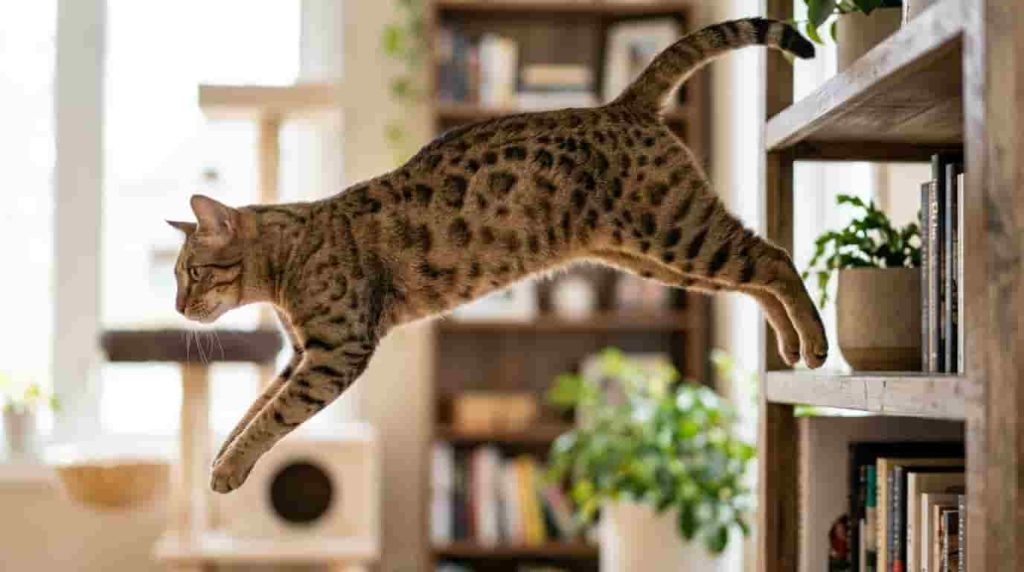
The Ocicat cat history began as a complete surprise during routine breeding experiments in Michigan. Virginia Daly originally neutered Tonga and sold him as a beloved family pet.
Renowned geneticist Dr. Clyde Keeler realized the importance of preserving this unique spotted pattern. He encouraged Daly to repeat the breeding process to establish a formal pedigree line.
Uncovering Ocicat Information and Genetic Heritage
Learning essential ocicat information reveals that major feline registries recognized the breed in nineteen eighty-seven. Breeders created this spotted tabby cat without ever using wild forest predators.
Unlike Bengal cats or Savannah cats, this exotic cat breed remains completely domestic in nature. You enjoy wild aesthetics while avoiding unpredictable wild animal behavioral traits inside your home.
Other breeders created spotted house pets to help wildlife conservation projects in Africa. Discover how another spotted feline was born by reading California Spangled Cat: The Rare Leopard-Like Cat today.
This pure domestic heritage makes these animals steady and dependable family members.
Exploring Ocicat Cat Characteristics and Physical Traits
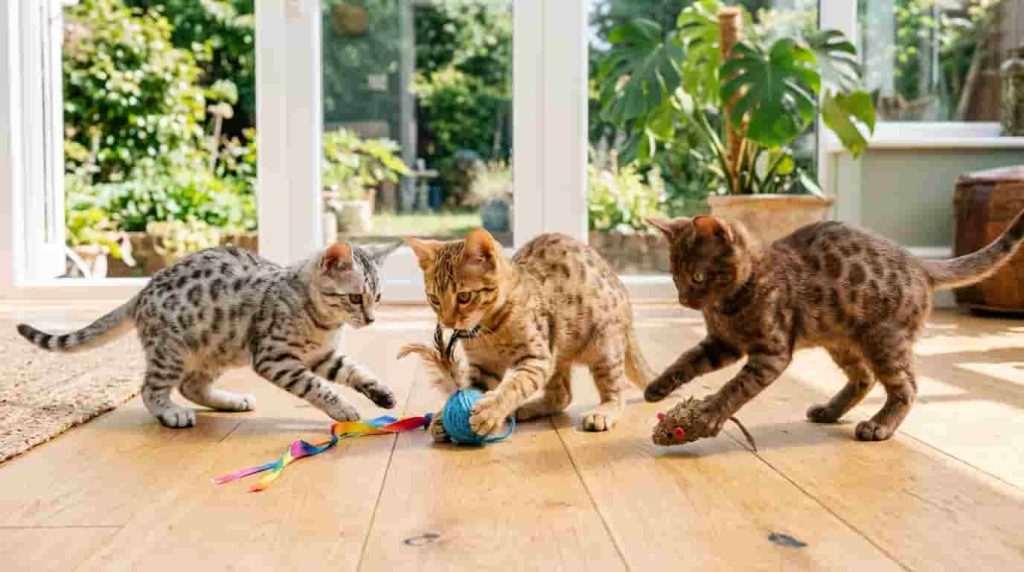
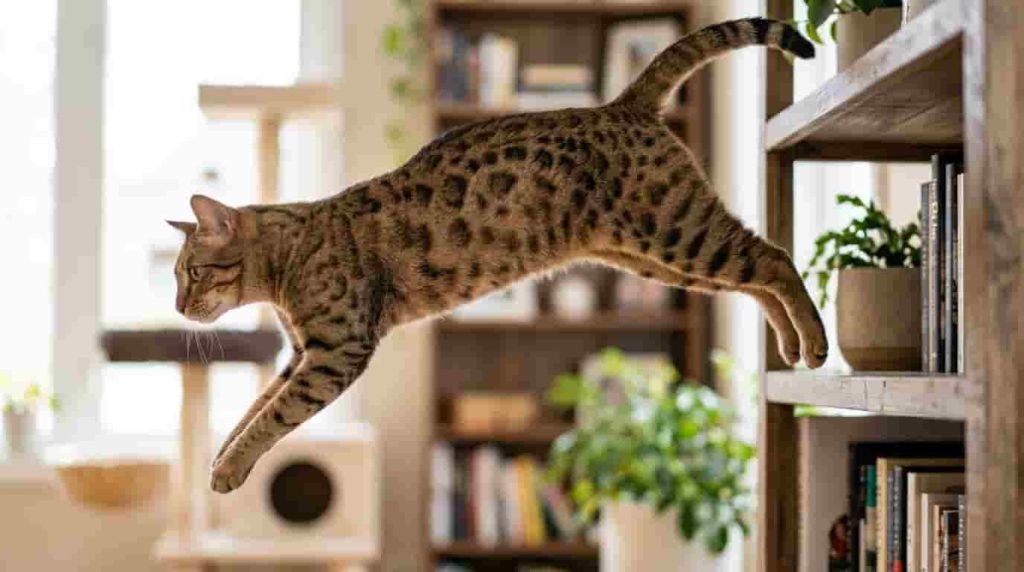
Striking ocicat cat characteristics include a large athletic body frame with strong muscular legs. Broad chest walls and athletic hips allow these agile pets to leap onto high bookshelves easily.
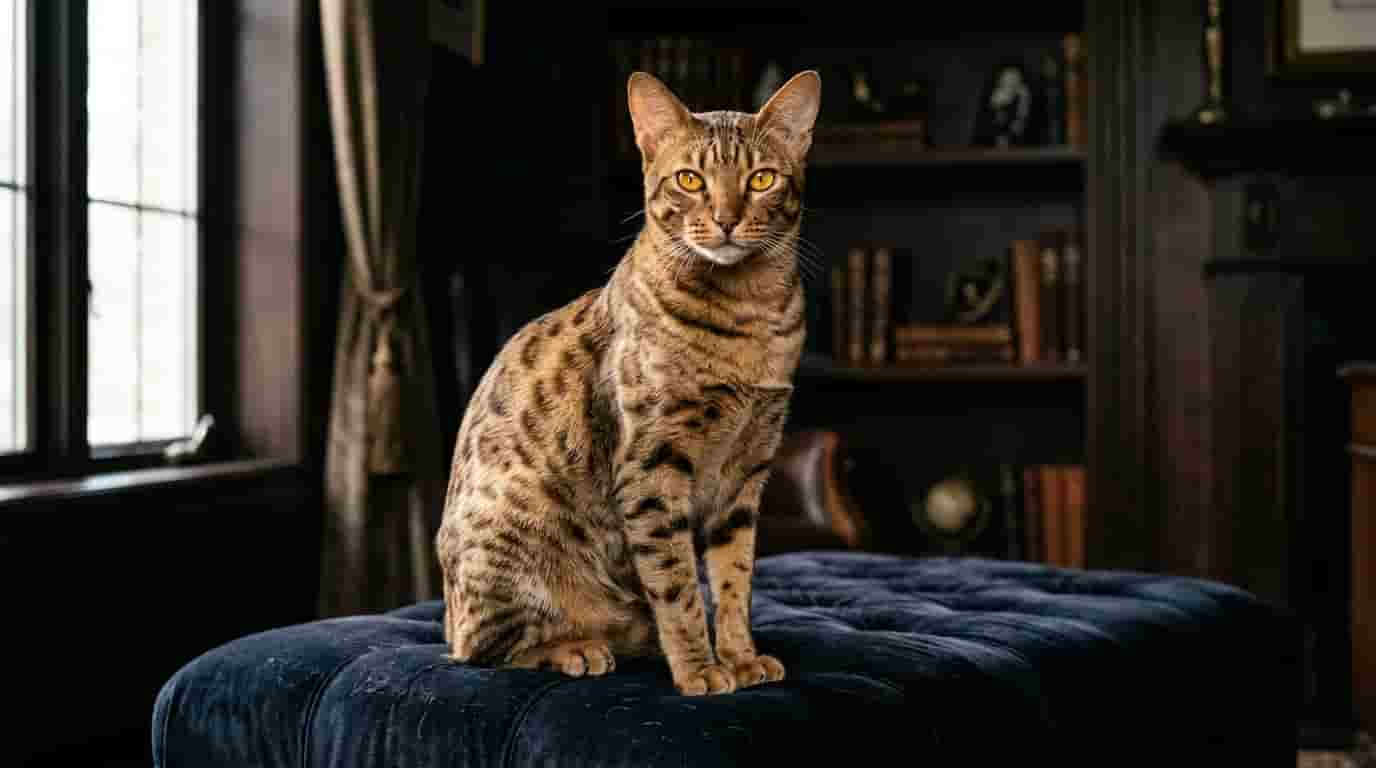
Almond eyes sit inside broad wedge heads, giving them an alert and curious expression. Distinctive thumbprint marks sit on the backs of their ears near mascara facial lines.
Identifying Recognized Ocicat Colors and Markings
Official registry standards list twelve recognized ocicat colors across three main coat categories. Tawny coats show dark brown spots over warm bronze backgrounds, giving an authentic jungle feel.
Chocolate and cinnamon varieties display rich reddish spots over pale ivory undercoats. Silver variations feature jet black or dark blue spots over sparkling silver backgrounds that shine brightly.
Fast athletic runners often share similar muscular body builds across different spotted breeds. Read about world record runners by visiting Egyptian Mau cat: The Fastest Domestic Cat Breed right now.
Every coat variation offers striking beauty that elevates your home aesthetic instantly.
Understanding Ocicat Personality and Dog-Like Behavior
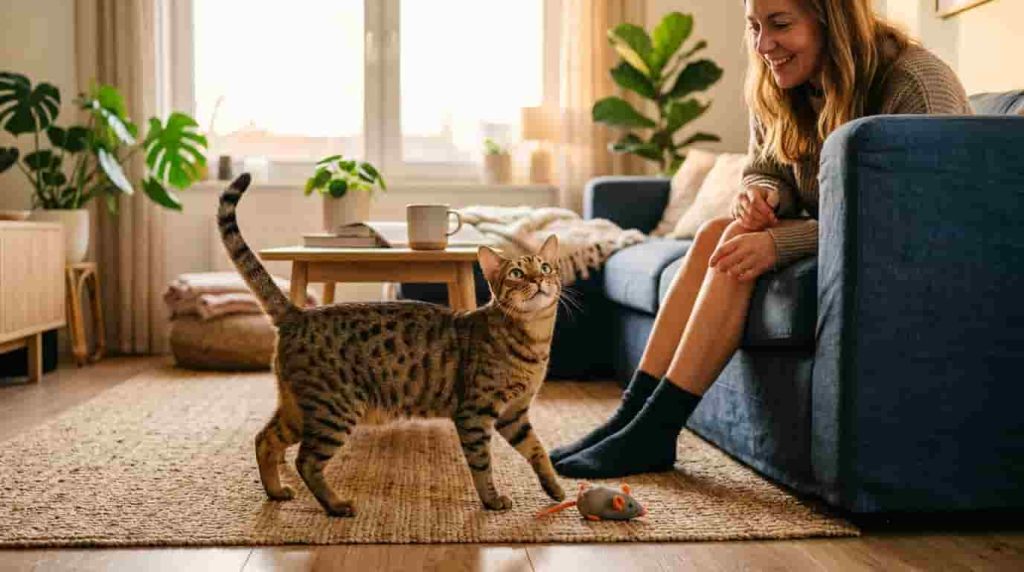
The charming ocicat personality earns them the popular nickname of dog in a cat suit. These affectionate companions greet family members at front doors with cheerful chirps and soft purrs.
Intelligent minds learn trick commands like fetching small foam balls or shaking paws quickly. They happily walk on leashes with harnesses during afternoon walks around neighborhood parks.
Why Families Love This Intelligent Cat Breed
This intelligent cat breed thrives in social environments where family activity happens daily. They dislike remaining alone for long periods because they form deep emotional attachments with owners.
Veterinary experts at the Cornell Feline Health Center note that social pets suffer stress without regular mental stimulation. Providing interactive puzzle feeders prevents boredom and keeps active minds satisfied throughout the day.
Some pet lovers prefer larger domestic hybrids with wild spots for their homes. Learn about another spotted pet by reading Cheetoh Cat: The Spotted Cat With a Wild Look today.
Their social nature ensures they adapt well to homes with dogs and children.
Simple Daily Ocicat Care and Health Guidelines
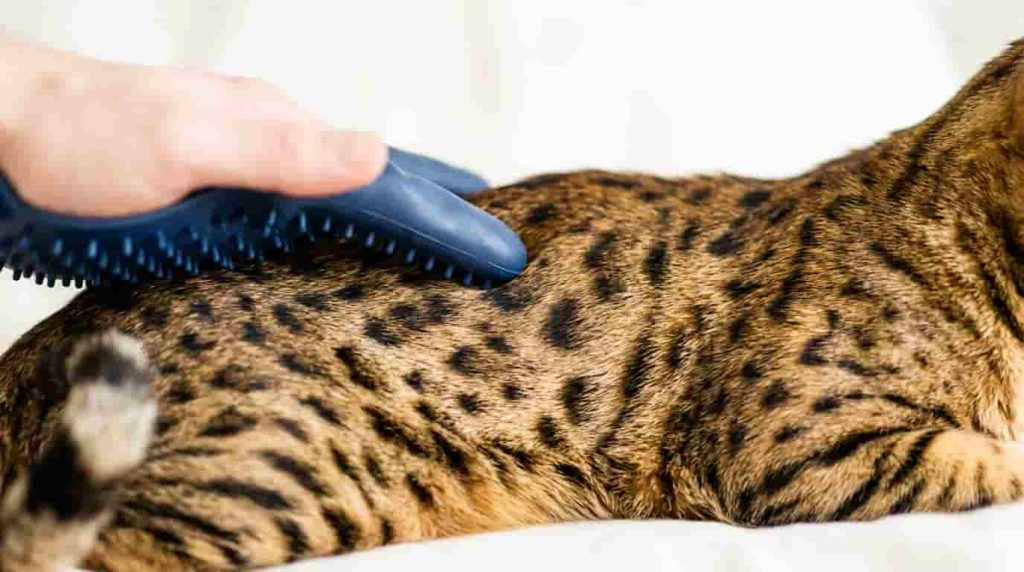
Proper ocicat care remains simple because short tight coats shedding very little hair naturally. Weekly brushing with a rubber curry brush removes dead fur while smoothing skin oils.
Trimming claw tips every two weeks prevents accidental scratches during energetic playtime jumps. Cleaning outer ears with damp cotton pads prevents wax build-up and irritation before problems start.
Maintaining Essential Ocicat Grooming Routines for Health
Consistent ocicat grooming habits keep short coats glossy and free from loose dander. Feed balanced high protein meals because active muscular bodies require nutrient dense fuel daily.
The American Veterinary Medical Association recommends annual checkups to monitor weight and dental health. The average lifespan for a healthy Ocicat cat ranges between twelve and fifteen years.
Important health habits keep your spotted companion feeling great:
- Brush short coats weekly with rubber brushes to reduce hairballs.
- Provide clean water fountains to encourage adequate daily hydration.
- Feed high protein meat meals to support muscular body frames.
- Schedule annual dental cleanings with your local veterinary clinic.
Following simple care routines ensures your pet stays strong and active for life.
Finding Ethical Ocicat Breeders and Healthy Kittens
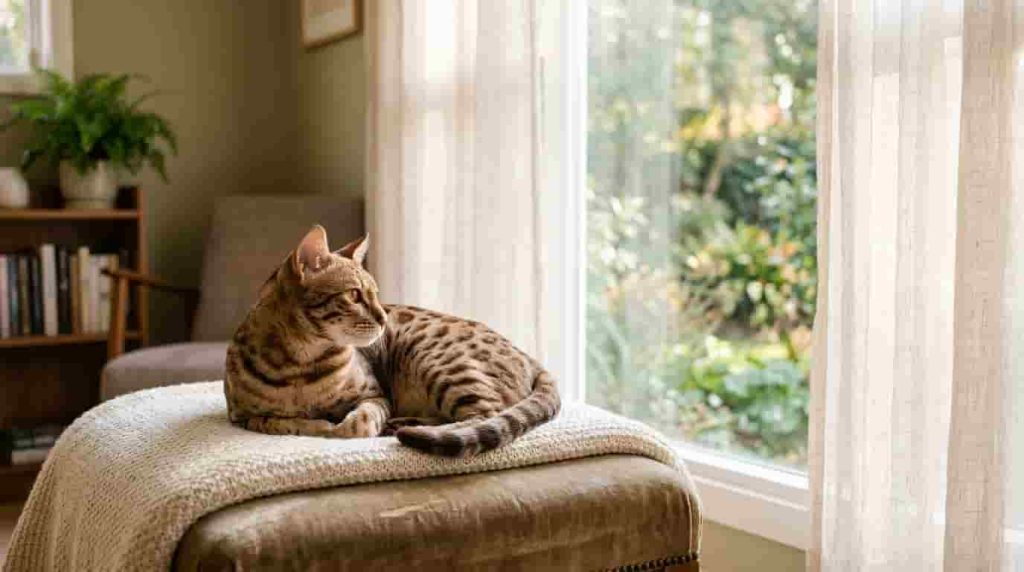
Finding healthy ocicat kittens requires contacting registered ocicat cat breeders who perform health tests. Reputable breeders screen parent stock for progressive retinal atrophy and liver disease before breeding.
Socialized young animals explore rooms boldly, showing friendly curiosity toward visiting human guests. Healthy youngsters display clear eyes, clean ears, and tight spotted coats without bald spots.
Choosing Healthy Ocicat Traits in Young Animals
Observing natural ocicat traits in young litters helps buyers select healthy long term companions. Ask breeders for official registration papers from major organizations like TICA or CFA.
Ethical breeders keep kittens with mothers until twelve or fourteen weeks of age. This proper developmental time builds strong immune systems and balanced emotional health for adulthood.
Bringing home a socialized kitten fills living rooms with endless joy and playful energy. Your new family member quickly becomes a loyal friend for many years ahead.
Final Thoughts on the Ocicat Cat
The Ocicat cat remains a brilliant testament to gentle domestic genetics disguised in wild spots. You now know how an accidental sixties breeding experiment created this remarkable spotted tabby cat.
Their dog-like traits, high intelligence, and friendly nature make them ideal household pets. Easy grooming routines, proper meat nutrition, and daily play keep these animals healthy and happy.
Owning an Ocicat cat brings exotic wild style together with sweet domestic affection into your home. Embracing their social spirit transforms daily life into an exciting adventure filled with love.
What surprises you most about the domestic origin story of the Ocicat cat? Share your thoughts and pet experiences in the comments section below!
Frequently Asked Questions
Is an Ocicat cat part wild?
No, the Ocicat cat possesses zero wild feline DNA in its genetic heritage. Breeders created the breed using domestic Abyssinian, Siamese, and American Shorthair bloodlines exclusively. They offer wild jungle looks combined with gentle domestic temperaments.
Are Ocicats hypoallergenic?
No, Ocicats produce standard feline dander and saliva proteins like other domestic pets. However, their short tight coats shed less fur than many longer haired breeds. Regular weekly brushing helps reduce loose household dander levels significantly.
Do Ocicats get along with dogs?
Yes, Ocicats adapt exceptionally well to living alongside dogs due to their confident nature. Their playful energy matches canine behavior patterns, often leading to strong friendships. Proper gradual introductions ensure peaceful multi-pet home environments.
How much do Ocicat kittens cost?
Registered kittens from ethical breeders usually cost between eight hundred and fifteen hundred dollars. Prices vary based on coat color rarity, pedigree lines, and breeder location. Always choose breeders who provide complete health test records.
Are Ocicats loud or vocal?
Ocicats communicate with soft chirps and purrs rather than loud harsh meows. They talk when greeting owners at doors or requesting food dishes at mealtimes. Their voice remains much softer than their noisy Siamese ancestors.