Burmilla Cat: Personality, Colors, Health, Price and Care
Introduction
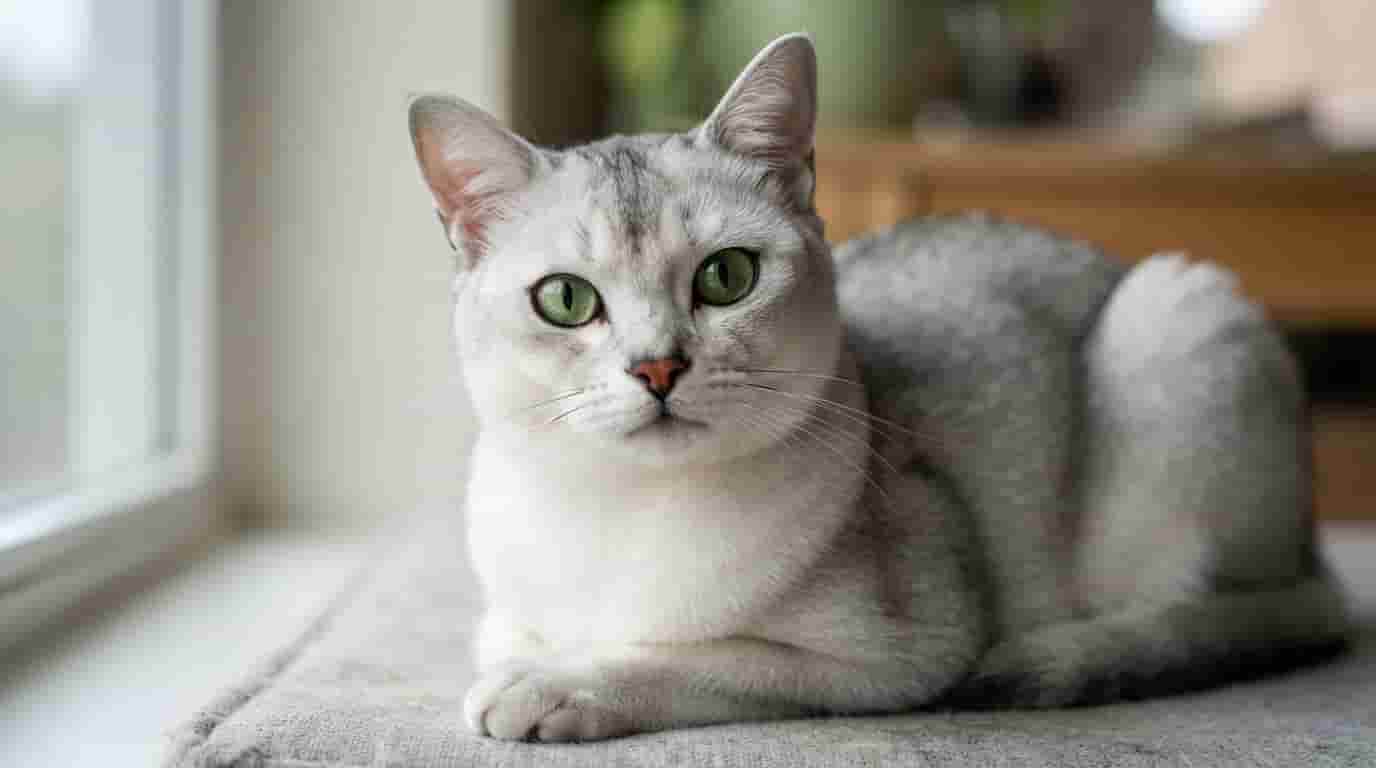
The Burmilla Cat is a striking and captivating feline breed that effortlessly blends stunning aesthetics with a deeply affectionate and social nature. Recognized for their shimmering coats and expressive, makeup-lined eyes, these cats capture the hearts of everyone they meet.
If you are considering adding one of these radiant felines to your household, this comprehensive guide covers everything you need to know. We will explore the Burmilla’s distinct personality, appearance, lifespan, health considerations, daily care requirements, grooming needs, kitten care protocols, finding ethical breeders, expected pricing, and comparisons with similar breeds. Whether you are a first-time cat owner or an experienced enthusiast, understanding these elements ensures a wonderful journey with your new companion.
What Is a Burmilla Cat?
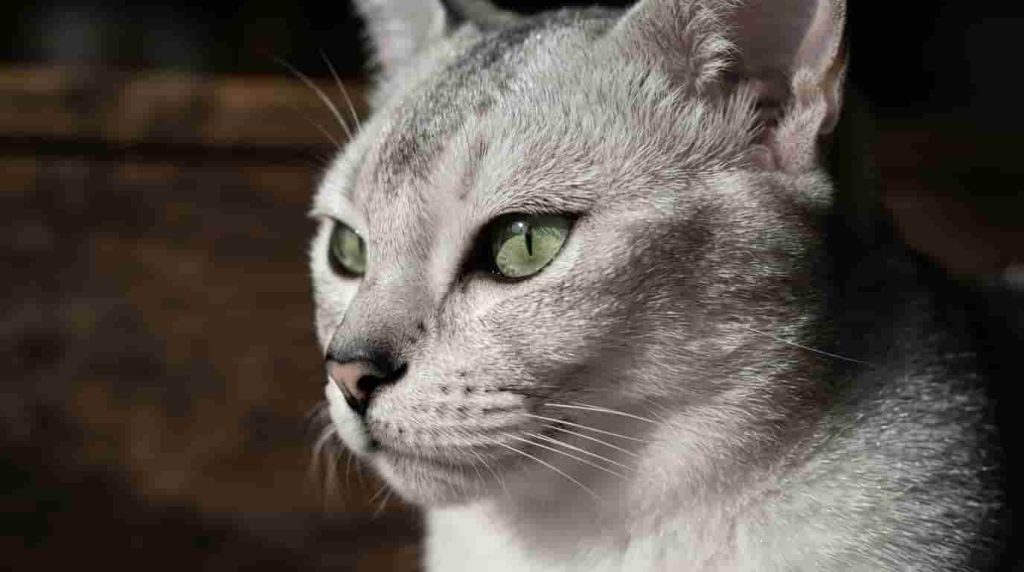
The Burmilla is a medium-sized domestic cat breed that originated from an accidental cross between a Chinchilla Persian and a Burmese. They are celebrated for their distinctive shaded or tipped coats, which give them a glowing, silver-dusted appearance.
- Breed Overview: A harmonious blend of Persian elegance and Burmese athleticism, featuring a muscular yet graceful body type.
- Origin: United Kingdom (1981).
- Recognition: Recognized by major cat fancier associations, including the Governing Council of the Cat Fancy (GCCF) and the Fédération Internationale Féline (FIFe).
- Uncommon Status: While growing in popularity, they remain relatively rare compared to mainstream breeds due to specialized breeding programs.
- Key Characteristics: Distinctive “make-up” eyeliner around green or amber eyes, shimmering coat, and an exceptionally sociable disposition.
Burmilla Cat History

The accidental beginning
The Burmilla breed story began purely by chance in the United Kingdom in 1981. A gorgeous lilac Burmese male named Fabian and a magnificent Chinchilla Persian female named Jemima were housed in the same home awaiting planned breeding programs. Caretakers accidentally left a door open, resulting in an unexpected litter of four kittens born in September 1981.
Breed development and recognition
The resulting kittens possessed such striking looks and delightful temperaments that their owners and fellow breeders decided to develop a brand-new breed. By selecting specific traits from subsequent generations, breeders fixed the signature silver-tipped coat and friendly personality. The breed was officially recognized in the UK in the 1990s.
Where Burmillas are found today
Today, Burmillas are treasured across the UK, Europe, Australia, and parts of North America. While dedicated specialty breeders continue to preserve and promote the breed, finding a kitten often requires connecting with registered catteries and joining waiting lists.
Burmilla Cat Personality and Temperament
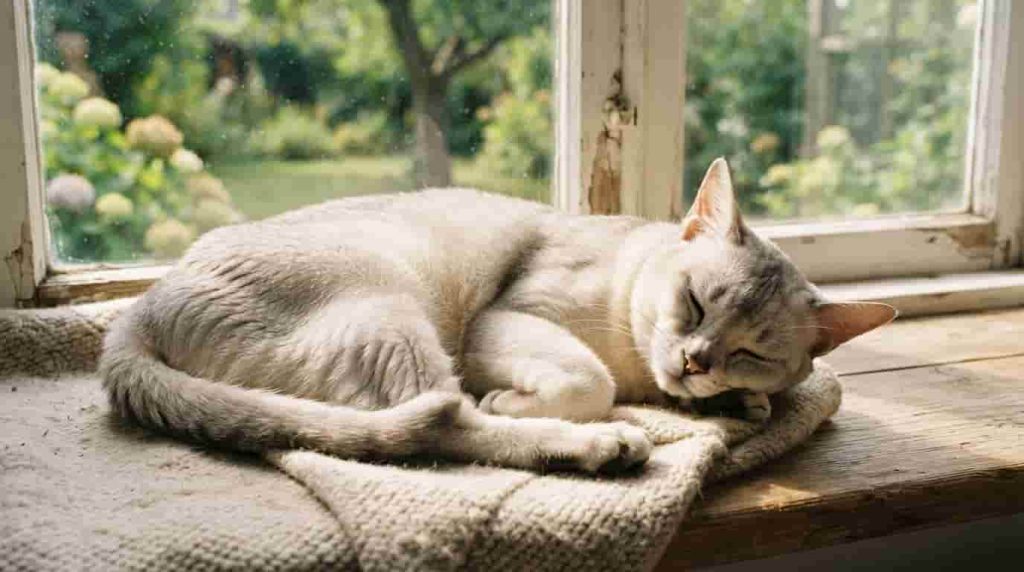
Burmillas are renowned for retaining the playful, inquisitive nature of kittens well into their adult years. They form deep, loyal bonds with their human families and prefer not to be left alone for long stretches.
- Family Compatibility: Highly adaptable and affectionate, making them wonderful companions for single owners, couples, and bustling families alike.
- Children: Patient and gentle, enjoying interactive games with respectful children.
- Seniors: Their moderate activity levels and desire for lap-time make them ideal companions for older adults.
- Other Cats: Social and harmonious, generally integrating very well into multi-cat households.
- Dogs: Curious and confident, they can coexist peacefully with well-adjusted pets. Hypothetical example: Introducing a Burmilla into a home with a calm dog usually goes smoothly if done gradually, as the cat’s confident curiosity helps it approach the dog with playful ease rather than immediate panic.
- Intelligence: Highly clever, capable of learning tricks, fetch, and responding to clicker training.
- Energy Level: Moderate; they enjoy active playtime bursts followed by cozy relaxation.
- Playfulness: Delightfully mischievous and keen on puzzle toys and interactive wand games.
- Affection: Deeply loving; they will eagerly greet you at the door and follow you from room to room.
- Vocalization: Soft-spoken and polite; they communicate with gentle chirps rather than demanding yowls.
- Adaptability: Easily adjusts to indoor home environments and routine changes.
Burmilla Cat Characteristics

| Feature | Detail |
| Weight | 8 to 12 pounds (3.5 to 5.5 kg) |
| Height | Medium (approx. 10 to 12 inches) |
| Lifespan | 12 to 15+ years |
| Coat | Short to semi-long, fine, and silky texture |
| Eyes | Large, luminous, slightly slanted; green or amber |
| Groming | Low to moderate (weekly brushing) |
| Activity | Moderate to high |
| Intelligence | High |
| Affection | Extremely high |
| Shedding | Low to moderate |
| Indoor Suitability | Excellent |
Burmilla Cat Colors and Appearance

Burmilla Cat Common coat colors
The defining feature of the Burmilla is the intense contrast between the bright silver undercoat and the darker tipping color. Recognized colors include:
- Silver: The classic foundation of the breed.
- Black: Deep, dramatic dark tipping over silver.
- Blue: Soft, slate-gray tipping.
- Chocolate: Rich, warm brown tones.
- Lilac: Delicate frosty-pink gray.
- Cream: Warm pastel tones.
- Red: Vibrant ginger hues.
Burmilla Cat Coat patterns
- Tipped: Color is restricted to the very upper tips of the hairs (about one-eighth of the hair shaft), creating a shimmering veil effect.
- Shaded: Color covers a larger portion of the hair shaft (about one-third), resulting in a more saturated appearance while maintaining a light undercoat.
Burmilla Cat Eye color and coat texture
Burmillas possess large, expressive eyes outlined with dark rims that resemble human eyeliner. Eye color shifts from kittenhood, settling into brilliant shades of luminous green or soft amber-green in adults. Their coat texture is remarkably soft, dense, and silky to the touch.
Are Burmilla Cats Rare?
Yes, the Burmilla is considered an uncommon and specialized breed. Because they require careful pedigree management to maintain their signature coats and health, responsible breeding operations are limited in number.
- Population & Availability: Catteries are specialized, meaning kittens are rarely found in general shelters.
- Waiting Lists: Prospective owners frequently join waiting lists spanning several months.
- Ethical Breeding: Rarity makes verifying ethical breeding practices crucial to protect genetic diversity and health.
Burmilla Cat Lifespan: How Long Do They Live?
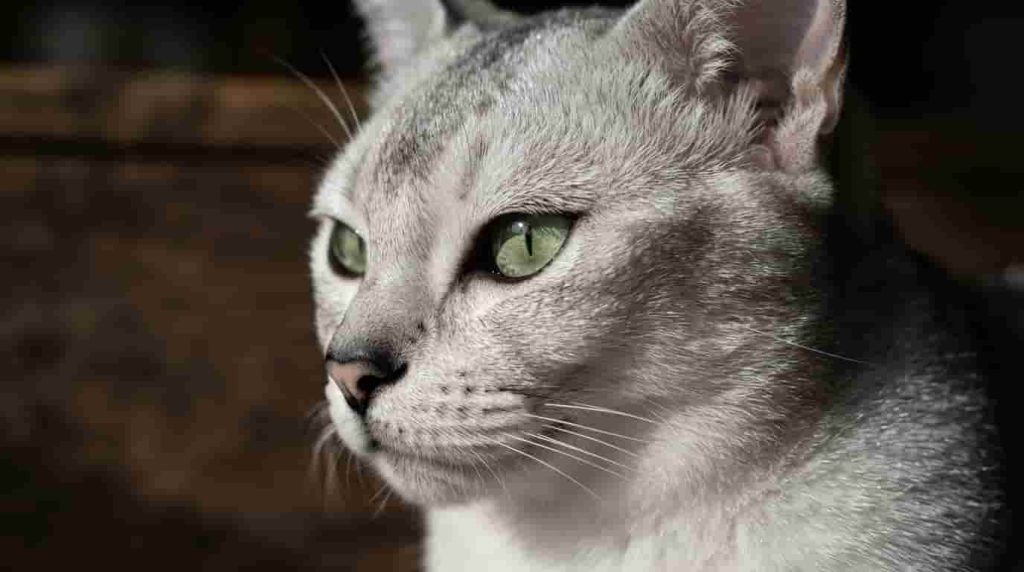
The average lifespan of a healthy Burmilla cat ranges between 12 and 15 years, with many living well into their late teens when provided with optimal care.
Factors affecting longevity
- Genetics: Sourcing a kitten from health-tested parents minimizes congenital disease risks.
- Diet: Premium, protein-rich nutrition supports cellular health and immunity.
- Weight Management: Preventing obesity reduces strain on joints and organs.
- Exercise: Daily interactive play keeps muscles toned and cardiovascular systems strong.
- Preventive Veterinary Care: Routine wellness exams catch underlying conditions early.
- Dental Care: Prevents systemic infections stemming from periodontal disease.
- Stress Reduction: A stable, enriching environment promotes mental well-being.
- Indoor vs. Outdoor Living: Keeping cats safely indoors protects them from traffic, predators, and infectious diseases.
Burmilla Cat Signs of healthy aging
A healthy senior Burmilla maintains a bright, clear gaze, steady mobility, a lustrous coat, a good appetite, and consistent litter box habits. Regular senior blood panels are recommended starting around age 7.
Burmilla Cat Care

Burmilla Cat Daily care routine
Provide fresh water daily, clean the litter box twice a day, and allocate at least 15 to 20 minutes for active interactive play sessions to burn off energy.
Burmilla Cat Feeding and nutrition
Feed high-quality commercial cat food formulated for your cat’s life stage (kitten, adult, or senior). Portion control is essential to prevent overeating, especially for indoor cats.
Burmilla Cat Exercise needs
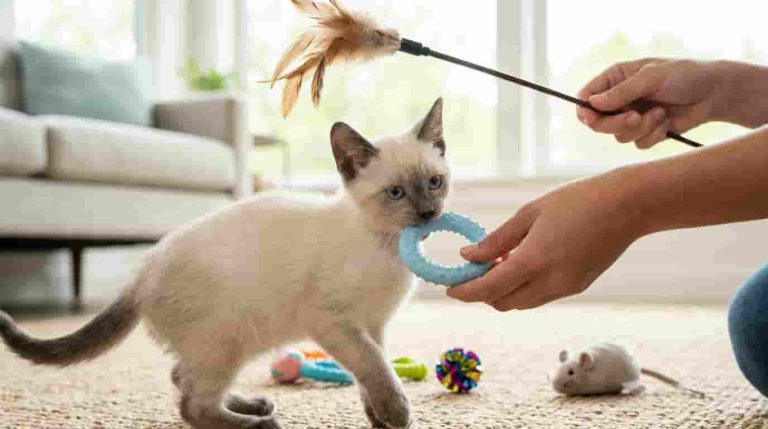
Incorporate interactive toys like feather wands, laser pointers, and puzzle feeders to keep their agile minds and bodies engaged.
Burmilla Cat Mental stimulation
Rotate toys regularly and offer window perches with safe outdoor views (catios or bird feeders outside glass) to prevent boredom.
Burmilla Cat Creating a safe home
Ensure toxic houseplants (such as lilies) are removed, secure loose cords, and provide vertical scratching posts and cozy hiding spaces.
Burmilla Cat Grooming Guide for Beginners
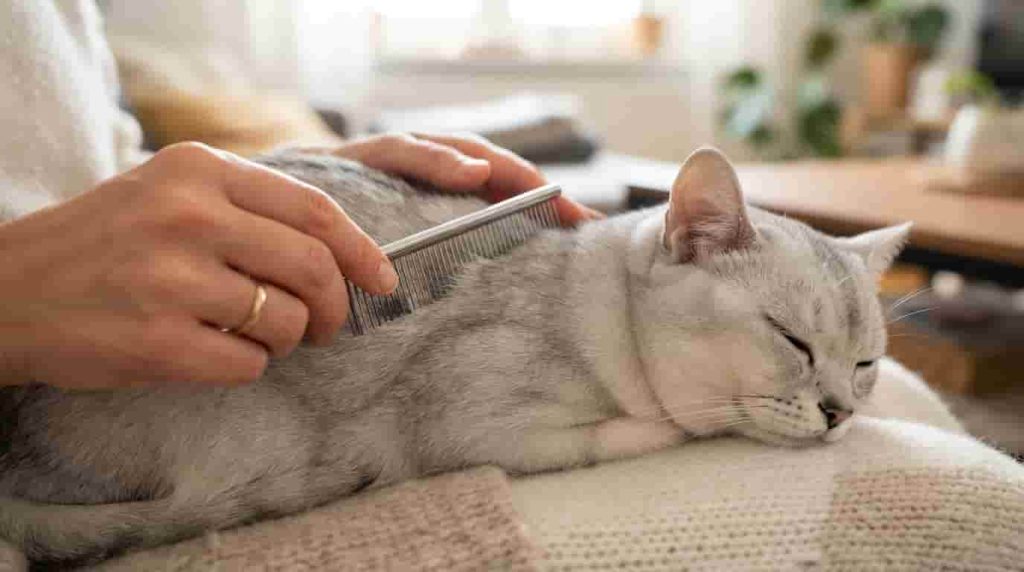
Caring for a Burmilla’s coat is straightforward thanks to their short or semi-short, non-matting fur.
- Weekly Brushing Schedule: Brush once or twice a week using a soft rubber brush or slicker brush to remove loose hairs and distribute natural oils.
- Bathing: Rarely necessary unless they get into something sticky; their coats naturally repel dirt well.
- Nail Trimming: Trim claws every 2 to 3 weeks using feline nail clippers.
- Ear Cleaning: Check ears weekly and wipe gently with a damp, vet-approved cotton ball if wax buildup is visible.
- Eye Care: Gently wipe the corners of their expressive eyes with a soft, damp cloth if dust accumulates.
- Dental Hygiene: Brush teeth daily or a few times a week using cat-safe toothpaste.
- Seasonal Shedding: Expect slightly heavier shedding during spring and autumn; increase brushing frequency during these periods.
- Grooming Mistakes to Avoid: Never use human shampoos, and avoid harsh wire slicker brushes that scratch sensitive skin.
Recommended Grooming Checklist
- Rubber grooming mitt or soft bristle brush
- Cat-safe toothbrush and enzymatic toothpaste
- Feline nail clippers
- Unscented pet wipes
Burmilla Kitten Care: Your First Year Guide
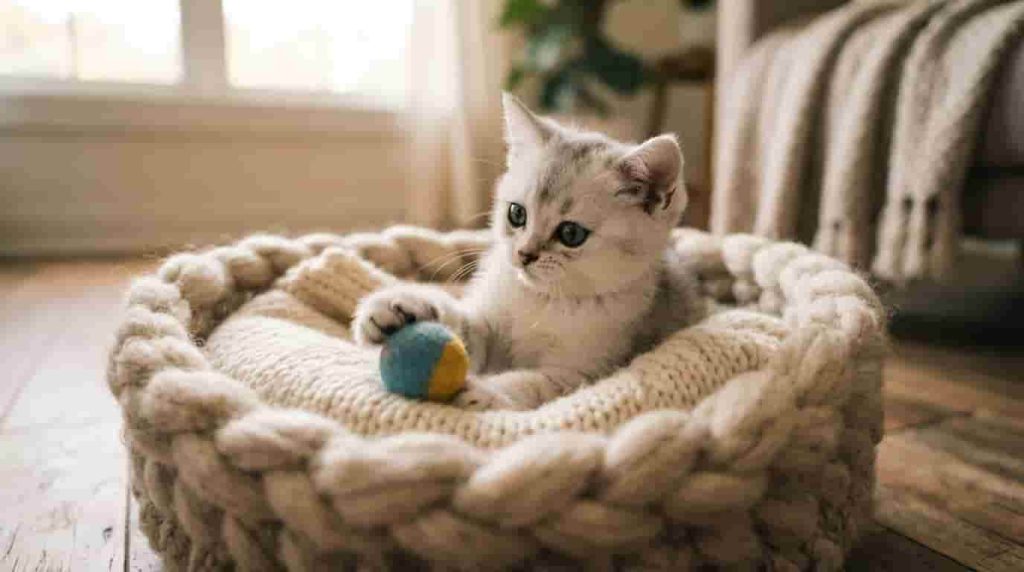
Bringing your kitten home
- Preparing the house: Kitten-proof rooms by securing small objects and chemicals.
- Safe room: Set up a quiet sanctuary room with food, water, litter box, and a warm bed for the first few days.
- Litter training: Show the kitten their box immediately upon arrival; Burmillas catch on almost instantly.
Feeding by age
- Young kittens (8–16 weeks): Feed small, frequent meals (3 to 4 times a day) of nutrient-dense kitten food.
- Growing kittens (4–12 months): Transition to 2 to 3 meals daily as formulated by your veterinarian.
- Transition to adult food: Begin around 12 months of age over a gradual 7-day period.
Socialization
- Meeting people: Introduce gentle visitors to build confidence.
- Other pets: Supervised, slow introductions prevent behavioral fear responses.
- Play: Encourage independent exploration and interactive games.
Veterinary milestones
- Vaccinations: Core vaccines administered starting at 6 to 8 weeks of age.
- Parasite prevention: Flea, tick, and worming treatments initiated per vet advice.
- Spaying or neutering: Typically scheduled between 5 and 6 months of age.
- Microchipping: Permanent identification implanted during routine vet visits.
What Health Problems Does a Burmilla Cat Have?
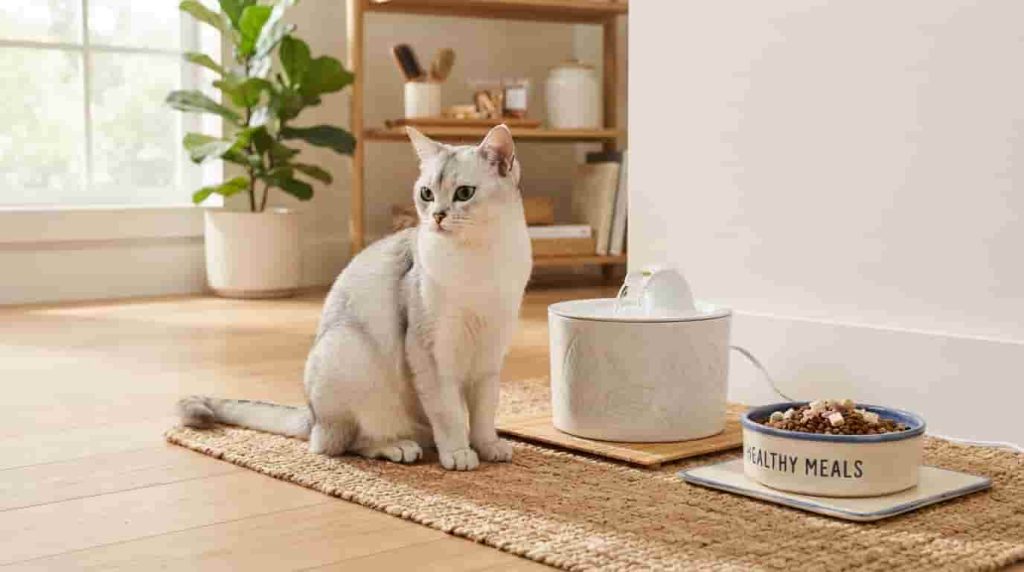
While generally robust and healthy, the Burmilla shares some genetic predispositions inherited from its parent breeds (Persian and Burmese). According to guidance from the Cornell Feline Health Center and International Cat Care, key health monitoring points include:
- Dental Disease: Prone to gingivitis and periodontal buildup; proactive dental care is vital.
- Obesity: Indoor lifestyles can lead to weight gain if calorie intake isn’t monitored.
- Kidney Concerns: Polycystic Kidney Disease (PKD) can occasionally occur if lineage lines are unverified; ensure breeders screen parents.
- Eye Issues: Watch for excessive tearing or blocked tear ducts.
Preventive care & warning signs
- Annual Veterinary Visits: Essential for wellness checks, blood work, and early disease detection.
- Warning Signs: Lethargy, sudden weight loss, changes in litter box habits, foul breath, or cloudy eyes require prompt veterinary attention.
Burmilla Cat Price and Buying Guide
How much does a Burmilla Cat cost?
A healthy, pedigree Burmilla kitten from a reputable breeder typically ranges from $1,200 to $2,500 USD, depending on lineage, show potential, and geographic location.
- Factors affecting price: Registration papers, championship bloodlines, genetic health clearances, and veterinary care provided prior to adoption.
Burmilla kittens for sale
- What to expect: Reputable breeders provide comprehensive health guarantees, vaccination records, and proof of pedigree registration.
- Waiting lists: Be prepared for potential wait times as ethical litters are intentionally limited.
- Questions to ask sellers: Ask about genetic testing results for parents, socialization practices, and the kitten’s diet.
How to Choose a Responsible Burmilla Cat Breeder
Sourcing your kitten from an ethical breeder protects you from supporting unethical kitten mills and safeguards your pet’s future health.
- Health Testing: Parents must be screened and cleared for inherited conditions like PKD and progressive retinal atrophy.
- Registration: Kittens come with official registry papers (GCCF, FIFe, TICA, etc.).
- Living Conditions: Kittens are raised inside the home as part of the family, never caged outdoors.
- Early Socialization: Well-adjusted kittens are handled daily and exposed to household sounds.
- Veterinary Records: Complete health certificates and vaccination logs provided upon transfer.
- Contracts: A clear contract outlining spay/neuter agreements and breeder support.
- Red Flags: Refusal to let you meet the mother cat, unwillingness to show health clearances, or selling kittens before 12 weeks of age.
- Adoption Alternative: Occasionally, breed-specific rescues rehome adult Burmillas; check specialized rescue groups if you prefer adopting an older cat.
Burmilla vs Burmese Cat: What’s the Difference?

While the Burmilla shares direct ancestry with the Burmese, distinct differences set the two breeds apart.
| Feature | Burmilla Cat | Burmese Cat |
| Origin | United Kingdom (1981) | Burma (Myanmar) / USA / UK |
| Body Type | Moderate, muscular, balanced | Compact, heavy, remarkably solid |
| Coat | Shaded or tipped silver with white undercoat | Solid, rich, uniform color |
| Personality | Playful, gentle, social | Extroverted, demanding of attention, vocal |
| Activity | Moderate | High and athletic |
| Grooming | Weekly brushing | Minimal grooming required |
| Vocalization | Soft and quiet | Talkative and assertive |
| Family Suitability | Outstanding for all households | Best for active homes with constant company |
| Lifespan | 12 to 15+ years | 12 to 16 years |
| Best Choice For | Owners wanting a striking silver sheen and quiet, loving companion | Owners wanting a robust, highly vocal, outgoing shadow |
For a deeper dive into the foundation breed, read our comprehensive guide on the [Burmese Cat: Personality, Colors, Size, Care and History].
Similar Breeds You May Also Like
If you adore the Burmilla, you may also appreciate these wonderful feline companions:
- [Bombay Cat: Personality, Lifespan, Care, History and Facts]: Sleek, glossy black panthine cats with stunning copper eyes, sharing a similar affectionate and people-oriented temperament derived from Burmese heritage.
- [Arabian Mau: Cat Breed Information, Personality, Care & History]: Natural desert cats known for their high intelligence, striking green eyes, and rugged, independent yet loyal personalities.
Is a Burmilla Cat Right for You?
Checklist:
- Great fit if you:
- Want an intensely affectionate and loyal companion.
- Have time for daily interactive play and bonding.
- Prefer moderate, low-maintenance grooming routines.
- Keep cats safely indoors as cherished family members.
- Consider another breed if:
- You are frequently away from home for long working hours.
- You want an aloof, highly independent cat that requires little interaction.
- You cannot provide regular mental enrichment and play.
Conclusion
The Burmilla Cat offers a rare combination of breathtaking beauty and heartwarming companionship. With their luminous silver-dusted coats, expressive painted eyes, and loving dispositions, they make extraordinary additions to compatible homes. By prioritizing responsible breeding, proactive veterinary care, proper nutrition, and engaging socialization, you ensure a long, joyful life for your Burmilla companion.
Do you share your home with a Burmilla, or are you planning to welcome one soon? Share your experiences, stories, or questions in the comments below!
Frequently Asked Questions
Yes! Burmillas are naturally confident and curious, meaning they can form peaceful friendships with calm, cat-friendly dogs when properly introduced.
Absolutely. Their moderate energy levels, polite vocalization, and indoor preferences make them exceptional apartment companions.
Adult Burmillas should have an annual wellness exam, while senior cats (aged 7 and older) benefit from bi-annual veterinary checkups.
Feed a high-quality commercial kitten food rich in animal protein formulated for steady growth, and consult your veterinarian for exact portion guidelines.
Burmillas form deep attachments to their humans and dislike extended isolation. If you work long hours, having another compatible pet or arranging a mid-day check-in is ideal