
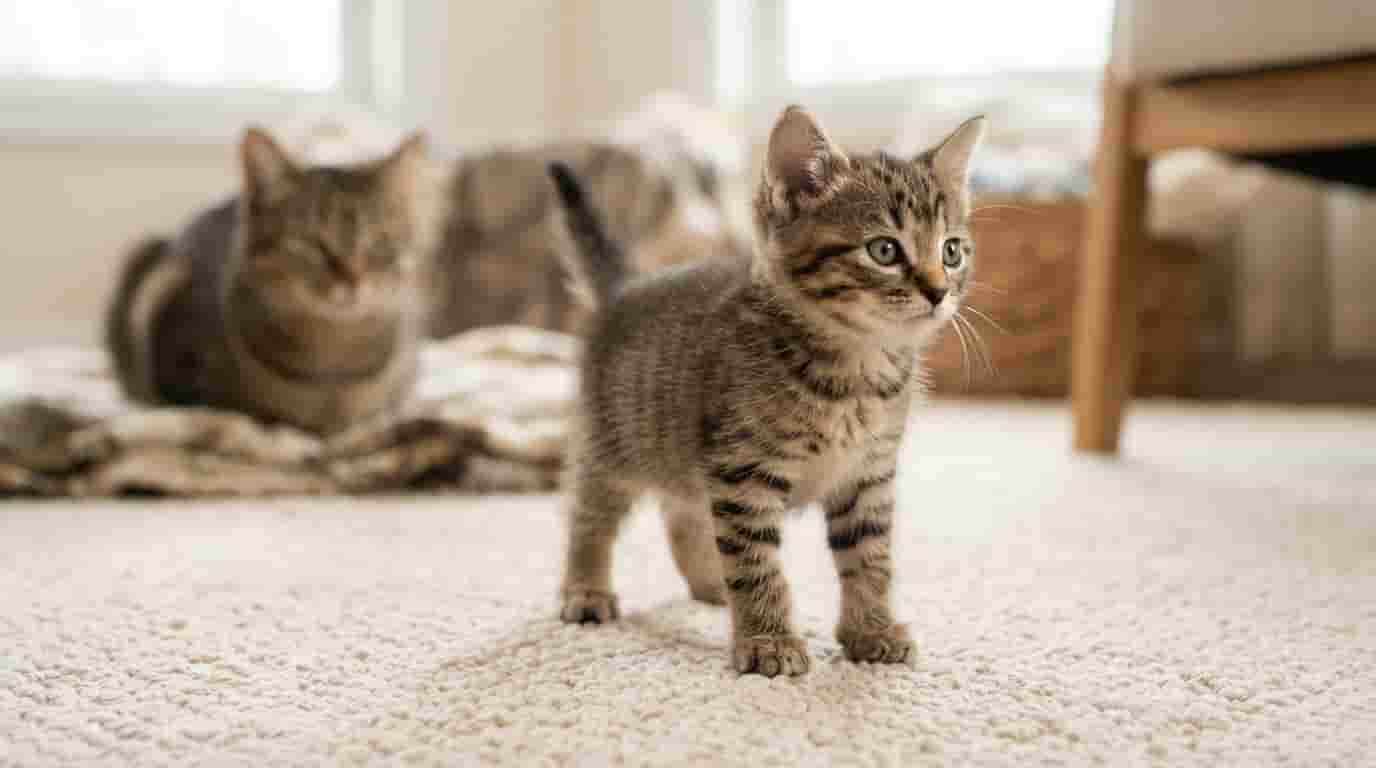
When Can Kittens Leave Their Mother? Best Age and What to Know
Introduction
When Can Kittens Leave Their Mother? Kittens should remain with their mother until they are sufficiently developed and ready for independence. Leaving their mother involves much more than simply being able to chew solid food; the timing heavily impacts the weaning process, proper kitten development, socialization, learning normal behaviors, and transitioning smoothly into a new home.
This article explores key developmental stages, signs of readiness, risks of early separation, and how kittens adjust afterward.
When Can Kittens Leave Their Mother?

The general recommended timeline for separating a kitten from its mother is around 8 to 12 weeks of age. Physical growth alone should not determine readiness. True readiness relies on completing critical developmental stages where weaning, socialization, and independence align.
Why Staying With the Mother Matters
The mother cat plays an irreplaceable role during early life. She provides nursing for essential nutrition, guides the weaning process, offers necessary warmth, and teaches kittens normal behaviors and early social rules.
What Age Can a Kitten Leave Its Mother?
There is a distinct difference between a kitten that is physically growing, one that has started nibbling solid food, one that is fully weaned, and one that is socially and developmentally ready for a new home. These milestones do not all happen at the exact same moment.
Is 7 Weeks Too Early to Take a Kitten From Its Mother?
Taking a kitten away at 7 weeks is generally considered a bit too early. At this stage, kittens are still fine-tuning critical motor and social skills with their littermates. Responsible breeders and caregivers look beyond body size or solid food intake, choosing to give kittens extra time with the mother and littermates to support continued emotional and behavioral development.
How to Tell if a Kitten Is Ready to Leave Its Mother

Signs a Kitten May Be Ready for a New Home
- Eating appropriate solid food independently
- Using the litter box reliably
- Moving and exploring confidently
- Maintaining normal growth and development
- Showing age-appropriate independence
- Remaining comfortable with normal handling and human social interaction
Assess readiness as a combination of these milestones rather than relying on a single factor.
Understanding the Weaning Process

The weaning process is a gradual transition away from maternal milk toward appropriate solid food. Abruptly separating a kitten before this process completes creates unnecessary nutritional and care challenges.
Does Eating Solid Food Mean a Kitten Is Ready to Leave?
While independent eating is a major milestone, it is not the only indicator. Physical development, socialization, stable litter box habits, and environmental adaptability must also be evaluated.
The Role of Socialization and Kitten Bonding
The time spent with the mother and littermates involves vital early social experiences. Through play and communication, kittens learn how to regulate their bites, interpret feline body language, and bond safely.
Are Kittens Sad to Leave Their Mother?
Moving to a new environment brings an adjustment period. Kittens may initially vocalize or need time to feel secure, but a calm environment, predictable routine, and gentle human handling quickly ease the transition.
What Happens If a Kitten Leaves Its Mother Too Early?
Early separation introduces notable risks, including intensive care needs, incomplete weaning, lingering behavioral quirks, and added pressure on the new caregiver.
Common Challenges of Early Separation
Kittens separated prematurely often require extra support with feeding, display anxious behaviors, or take longer to adapt to household routines.
Can a Kitten Survive Without Its Mother?
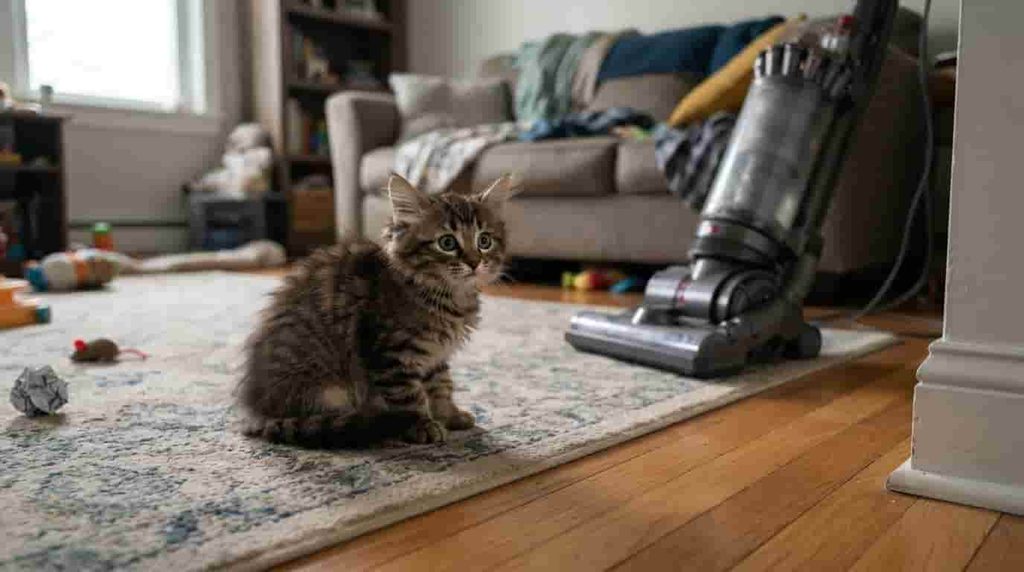
Survival depends heavily on the kitten’s age, physical condition, and access to specialized care.
Newborn Kittens Without Their Mother
Newborns require intensive care, round-the-clock warmth, specialized milk replacers, and physical stimulation to eliminate waste. Orphaned kittens often require professional rescue intervention.
What to Do if You Find Kittens Without Mom
Observe the situation safely before immediately removing kittens, as the mother may just be hunting for food. If they are in immediate danger or appear abandoned, contact a local veterinarian or rescue organization.
How to Care for a Kitten Without Its Mother

Caring for an orphan requires attention to age-appropriate feeding, safe housing, hygiene, and regular weight monitoring.
Why the Kitten’s Age Changes Everything
Care routines vary dramatically between helpless newborns, weaning kittens, and independent older youths, requiring customized feeding schedules and warmth setups.
Helping a Kitten Adjust After Leaving Its Mother
Transitioning a new kitten requires setting up a quiet space, maintaining a consistent feeding schedule, keeping a clean litter box handy, and introducing your home gradually.
Create a Comfortable First Few Days
For example, a newly adopted 9-week-old kitten might settle into a quiet spare bedroom with its food, water, and litter box for the first few days, exploring the rest of the house only after growing confident in that safe zone.
How Long Until a Kitten Forgets Its Mother?
There is no strict timeline for memory; instead, the focus should be on building a secure, stable environment that helps the kitten feel safe in its new home.
Important Kitten Milestones Before Separation

Monitoring physical and sensory growth helps confirm a kitten’s readiness.
- Sensory Development: Early awareness kicks off when you look at When Do Kittens Open Their Eyes? A Week-by-Week Guide to track their initial visual milestones.
- Mobility: As coordination improves, milestones track similarly to the progress seen in When Do Kittens Start Walking? What to Expect Week by Week.
- Bathroom Independence: Successful control develops alongside proper setup routines, which you can learn more about in When Do Kittens Start Using the Litter Box? Age and Training Tips.
Common Mistakes to Avoid When Bringing Home a Kitten
- Separating a kitten based solely on size
- Assuming solid food equals full developmental readiness
- Ignoring socialization cues
- Introducing abrupt diet changes right away
- Overwhelming the kitten with too much freedom on day one
When to Contact a Veterinarian or Animal Welfare Professional
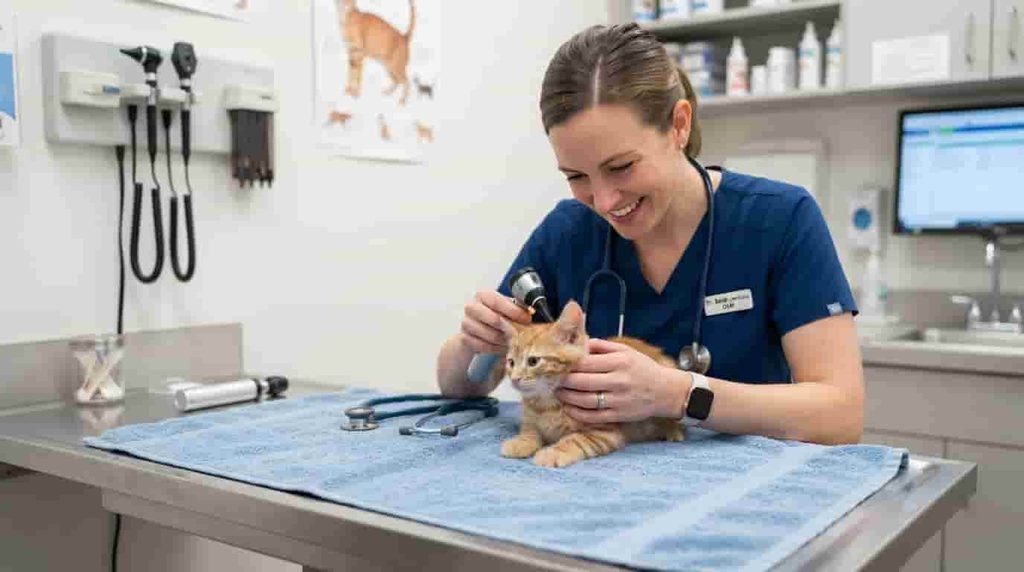
Seek professional guidance if you find orphaned kittens, notice a lack of appetite, observe signs of illness, or feel unsure about the kitten’s age or health status.
Conclusion: When Can Kittens Leave Their Mother?
When Can Kittens Leave Their Mother? They should ideally remain with their mother until they reach 8 to 12 weeks of age. Ensuring they complete the weaning process, achieve proper developmental milestones, and gain social confidence sets them up for a healthy, happy life.
We would love to hear from you! What age was your kitten when you brought them home, and how did they handle the transition? Drop a comment below!
Frequently Asked Questions
No, independent eating is only one part of overall readiness; emotional and social maturity are equally important.
Littermates teach each other bite inhibition and social boundaries, making time with siblings very beneficial.
Prepare a secure, enclosed room, appropriate kitten food, fresh water, comfortable bedding, and a shallow litter box.
Yes, a mother may reject a weak or ill kitten; consult a rescue or vet immediately if you suspect rejection.
Take the kitten to a veterinarian for an accurate age assessment, which is vital for determining correct feeding schedules.