When Do Kittens Start Using the Litter Box? Age and Training Tips
Introduction
When Do Kittens Start Using the Litter Box? Kittens begin developing independent bathroom habits at a young age, while litter box use and successful training depend entirely on their developmental stage and environment. Very young kittens cannot eliminate on their own and actually need help from their mother or caregiver before they can handle bodily functions independently.
This guide covers:
- When kittens begin peeing and pooping independently
- When to introduce a litter box
- How litter training usually works
- How to choose and set up a suitable litter box
- What to do if a kitten has accidents
When Do Kittens Start Using the Litter Box?
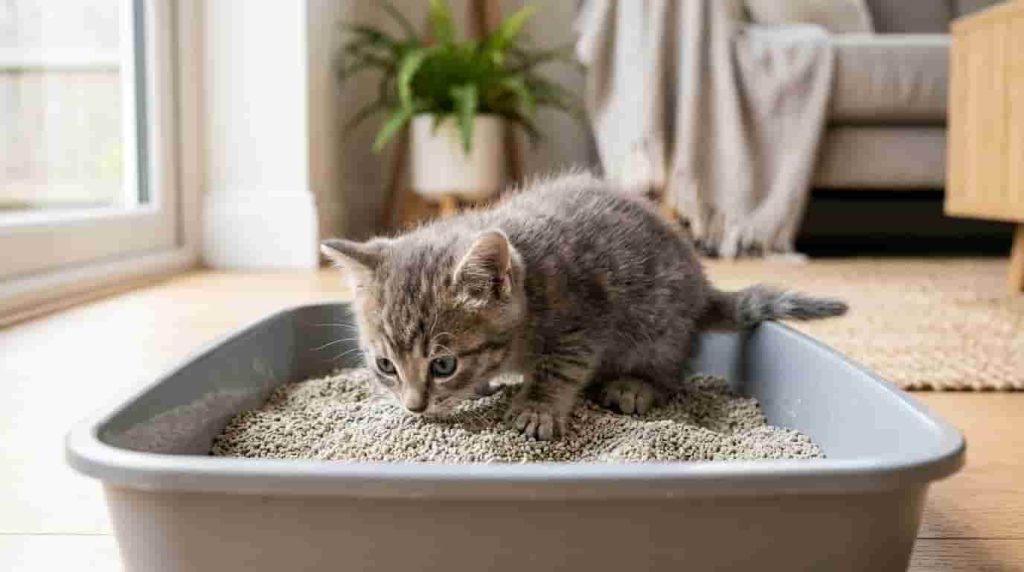
Kittens do not all become independent at exactly the same moment; rather, their readiness is closely tied to overall kitten development milestones. Very young kittens require physical stimulation from their mother to eliminate. As they grow, they transition into developing independent elimination habits. Kittens often learn these skills through a combination of instinct, observation, and routine.
At What Age Do Kittens Start to Pee and Poop on Their Own?
During the earliest stage of bathroom development, newborn kittens completely depend on their mother, who licks their bellies and bottoms to trigger elimination. As kittens grow and their nervous systems mature, this independence develops naturally. Understanding a kitten’s age and developmental stage is essential before introducing any form of litter training.
When Can Kittens Use a Litter Box?
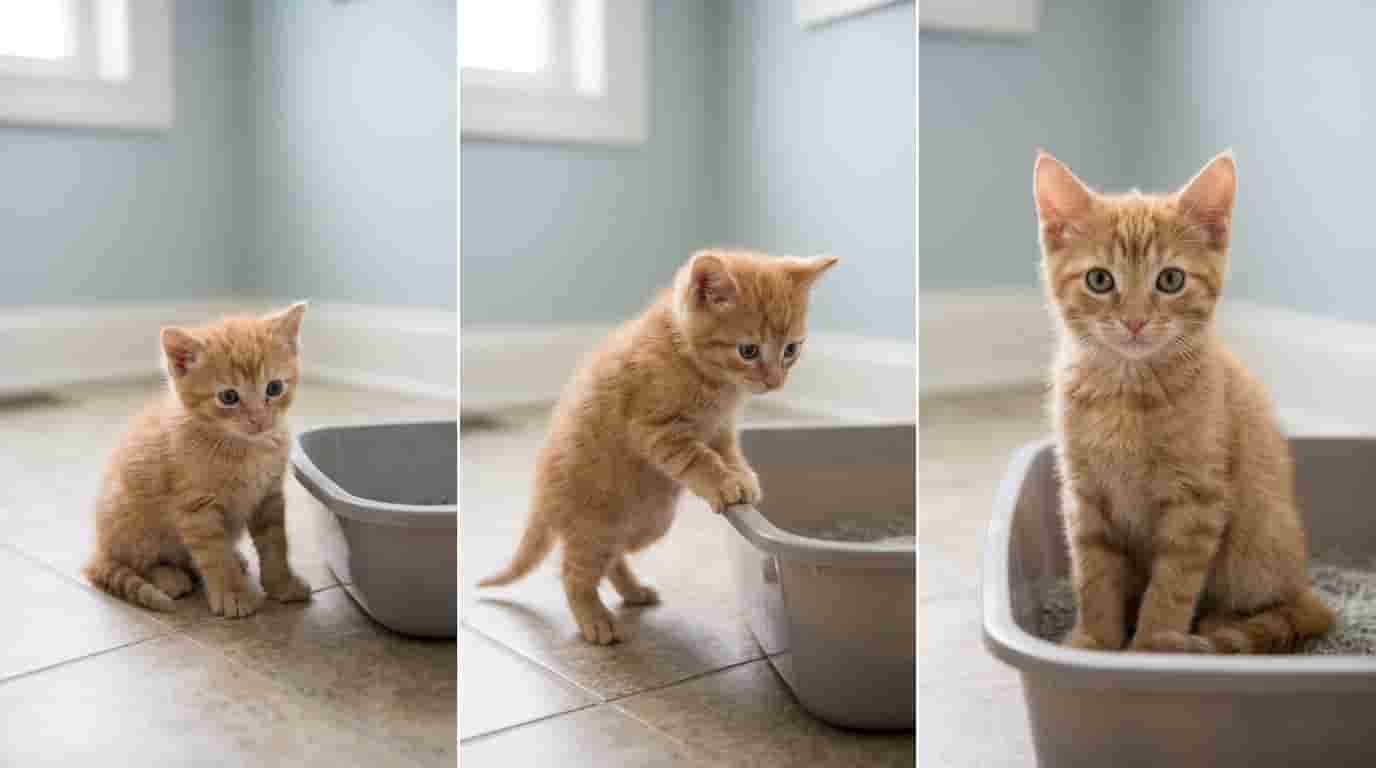
It becomes appropriate to introduce a shallow, accessible litter box once the kitten gains physical stability. The box should match the kitten’s size and current physical abilities. The ultimate goal is to make the transition easy and stress-free, rather than forcing training too early while their bodies are still maturing.
When Should You Start Litter Training a Kitten?
Litter training should begin as soon as the kitten shows signs of developmental readiness. Look for signs such as increased curiosity, improved coordination, and wandering away from the sleeping area to find a separate spot. A gentle introduction paired with consistency yields the best results.
The Best Age to Start Litter Box Training
Instead of treating one exact age as a strict rule, focus on developmental readiness. Very young kittens require specialized care, whereas older kittens learn quickly when given an appropriate setup. Establishing a predictable routine plays a massive role in successful kitten litter training.
How Soon Do Kittens Need a Litter Box?
A litter box becomes necessary as soon as the kitten is eliminating independently. Having the box available before accidents become an ingrained habit is crucial, especially during practical situations like bringing a young kitten into a brand-new home.
How to Introduce a Kitten to the Litter Box

Step 1: Choose the Right Litter Box for Kittens
Select a litter box for kittens featuring low sides that are easy to enter. The size must be appropriate for a small, growing body. Accessibility matters tremendously, so avoid deep setups that feel intimidating or difficult to climb into.
Step 2: Choose a Suitable Type of Litter
Select a kitten-appropriate litter, prioritizing safety and texture. Keep the setup simple during early training to avoid overwhelming the kitten with scented or clumping varieties that might not be safe if ingested.
Step 3: Put the Litter Box in a Calm, Easy-to-Reach Location
Kittens need quick, unobstructed access. Noisy or stressful locations can create fear and lead to avoidance. Keep the chosen location consistent so the kitten always knows where to find it.
Step 4: Gently Introduce Your Kitten to the Box
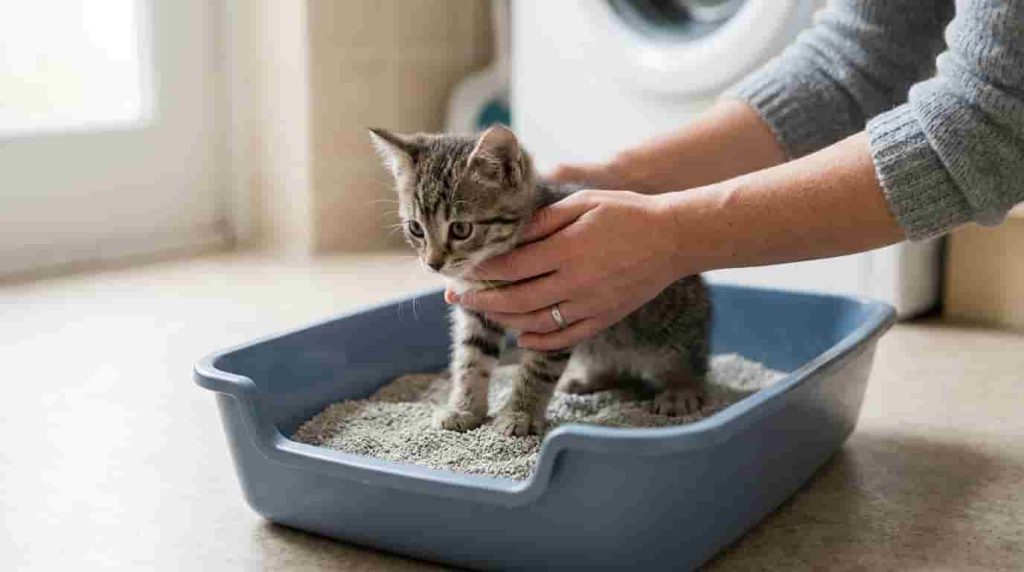
Place the kitten near or gently inside the box at appropriate times. Allow natural exploration without forcing or frightening them, using calm repetition to build familiarity.
Step 5: Create a Simple Bathroom Routine
Utilize helpful tips for litter box training kittens by placing your kitten in the box at key moments throughout the day:
- After waking from a nap
- After eating a meal
- After active periods of play
How Long Does It Take for a Kitten to Use the Litter Box?
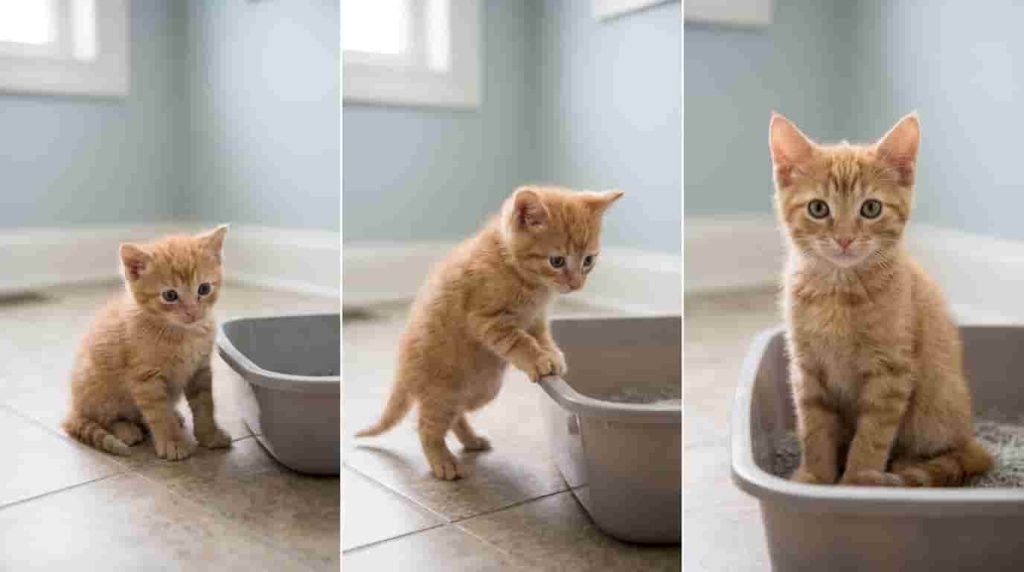
Learning times vary. Factors affecting how quickly a kitten understands the routine include age, previous experience, environment, litter box accessibility, and human consistency. Occasional accidents are a normal part of the learning process.
Signs Your Kitten Is Learning Successfully
- Finding the box independently
- Digging or scratching around the litter
- Returning to the same bathroom area consistently
- Having fewer accidents over time
A Realistic Hypothetical Example
For example, a young kitten introduced to a shallow litter box in a quiet room may quickly begin exploring it after meals and naps. Remember that each kitten develops at its own unique pace.
What Is the Fastest Way to Litter Train a Kitten?
The fastest approach relies on patience, not punishment or forcing. Successful litter box training depends on starting when the kitten is ready, providing an accessible box, keeping a predictable routine, cleaning accidents properly, and avoiding fear-based corrections.
Why Punishment Can Make Litter Training Harder
Kittens cannot cognitively connect punishment to a past action. Fear interferes with learning, whereas calm redirection and environmental adjustments build trust and accelerate understanding.
Keep the Litter Box Clean and Inviting
Good feline hygiene ensures your kitten feels comfortable returning to the box. Scoop waste regularly and maintain a clean environment to encourage positive cat toilet habits.
What Will Attract a Kitten to a Litter Box?
Key factors that make a litter box attractive to a beginner include easy physical access, a safe amount of non-toxic litter, a quiet location, and predictable routines. Overly complicated electronic or covered setups often overwhelm beginners.
Common Litter Box Training Problems and How to Fix Them

My Kitten Is Having Accidents Outside the Litter Box
This usually happens if the box is difficult to reach, features sides that are too high, or is located in a high-traffic area. Ensure the setup is genuinely friendly to small paws.
My Kitten Uses the Litter Box Sometimes but Not Always
Review the daily routine to ensure the box is always accessible. Check if recent household changes are causing stress or confusion, and avoid changing multiple variables at once.
My Kitten Suddenly Stopped Using the Litter Box
Differentiate between a training setback and a medical concern. Sudden changes in bathroom habits deserve close attention, and owners should seek veterinary guidance rather than assuming bad behavior.
Common Mistakes When Teaching Kittens Proper Bathroom Habits
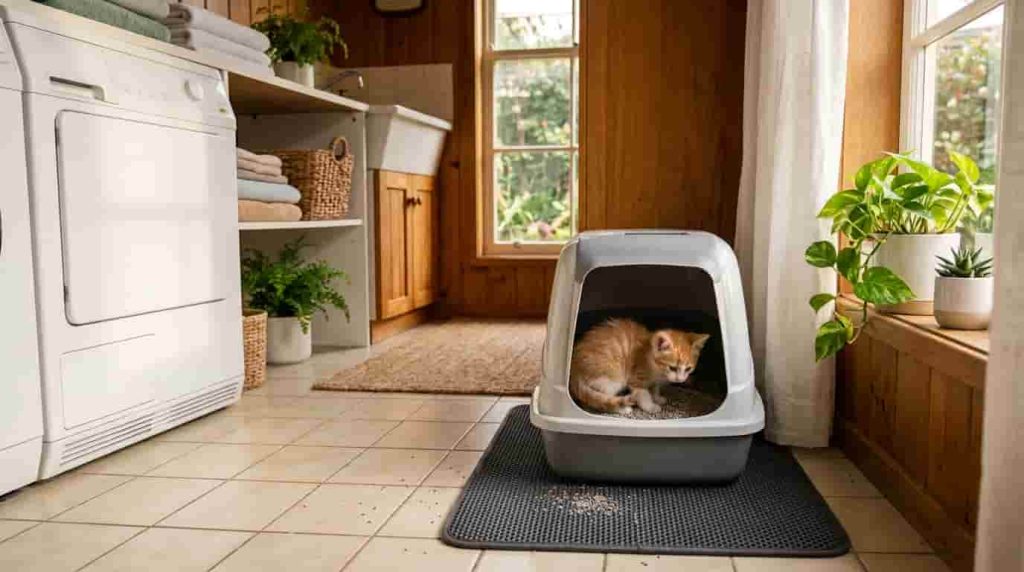
- Starting with a litter box that is too tall to enter
- Placing the box in a loud, stressful location
- Moving the box around repeatedly
- Expecting immediate perfection
- Punishing accidents after the fact
- Allowing the box to become excessively dirty
- Ignoring sudden changes in bathroom habits
Do Kittens Need a Litter Box at Night?
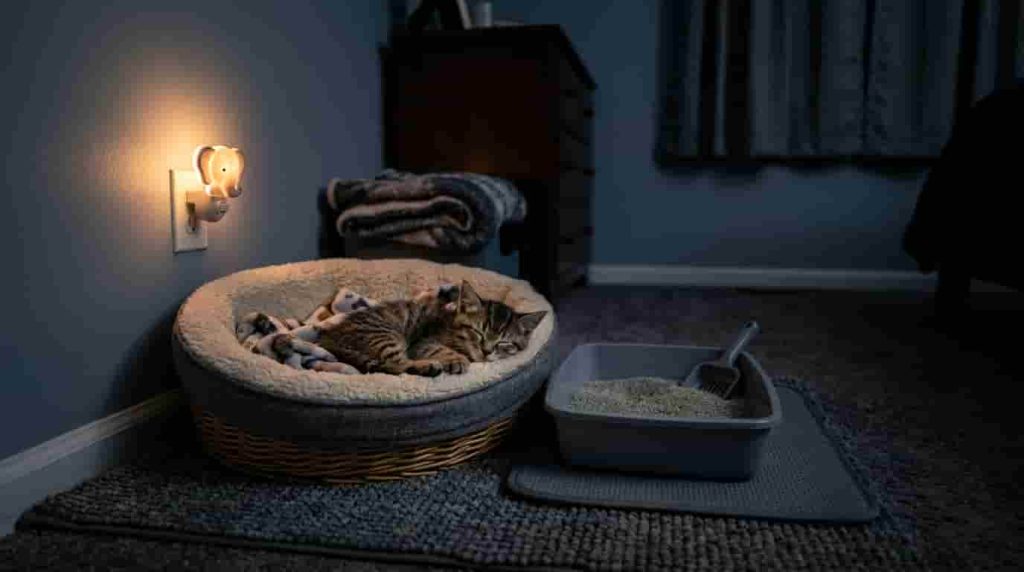
Kittens need reasonable access to an appropriate bathroom area overnight. Depending on age and sleeping arrangements, keeping a small, accessible box nearby prevents nighttime accidents and helps the kitten establish overnight confidence.
How Kitten Development Affects Litter Box Training
Growing independence directly affects physical movement, coordination, exploration, and bathroom habits. As kittens grow, their sensory perception and sight sharpen significantly—similar to the milestone stages explored in When Do Kittens Open Their Eyes? A Week-by-Week Guide
. As their vision and motor skills improve, they can easily navigate their environment and reach a litter box, much like the progress covered in When Do Kittens Start Walking? What to Expect Week by Week
Does Being With Their Mother Help Kittens Learn Bathroom Habits?
Maternal care plays a vital foundational role during early life. Young kittens initially rely completely on their mother, and watching her models natural feline behavior. This is part of a larger developmental arc, mirroring how kitten care evolves as they grow. For more insights on this transition, check out When Can Kittens Leave Their Mother? Best Age and What to Know
.
When Do Kittens Start Using the Litter Box on Their Own?
There is a distinct difference between being physically capable of using a litter box, being introduced to one, and using it consistently without guidance. Independent use is successfully achieved by combining developmental readiness, an accessible setup, routine, cleanliness, and gentle guidance.
When Should You Ask a Veterinarian for Help?
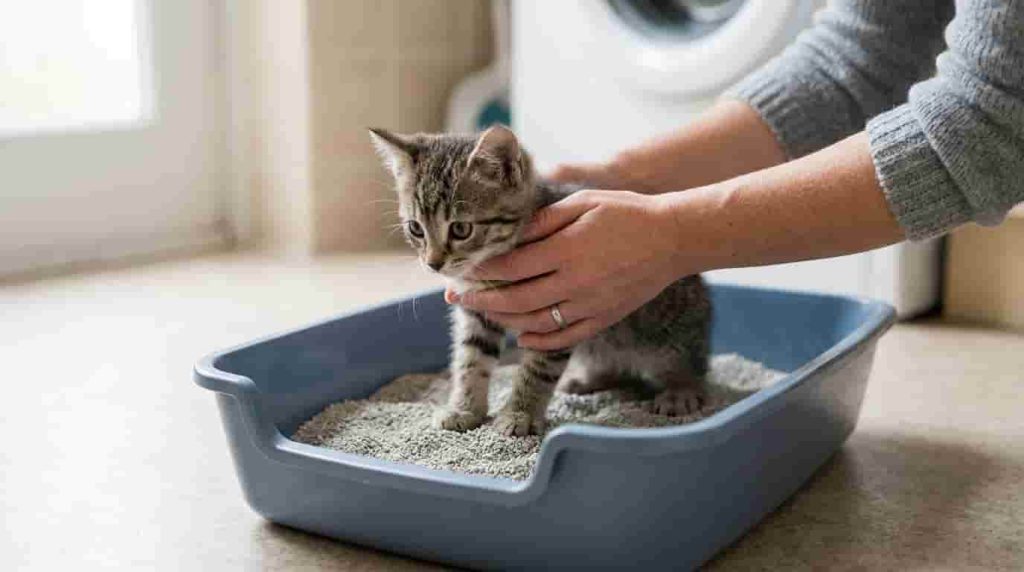
Consult a veterinarian immediately if a kitten shows sudden changes in bathroom habits, appears uncomfortable or strains while eliminating, suffers from persistent diarrhea or constipation, or exhibits other concerning health symptoms. Litter box issues are frequently medical rather than behavioral.
Conclusion: When Do Kittens Start Using the Litter Box?
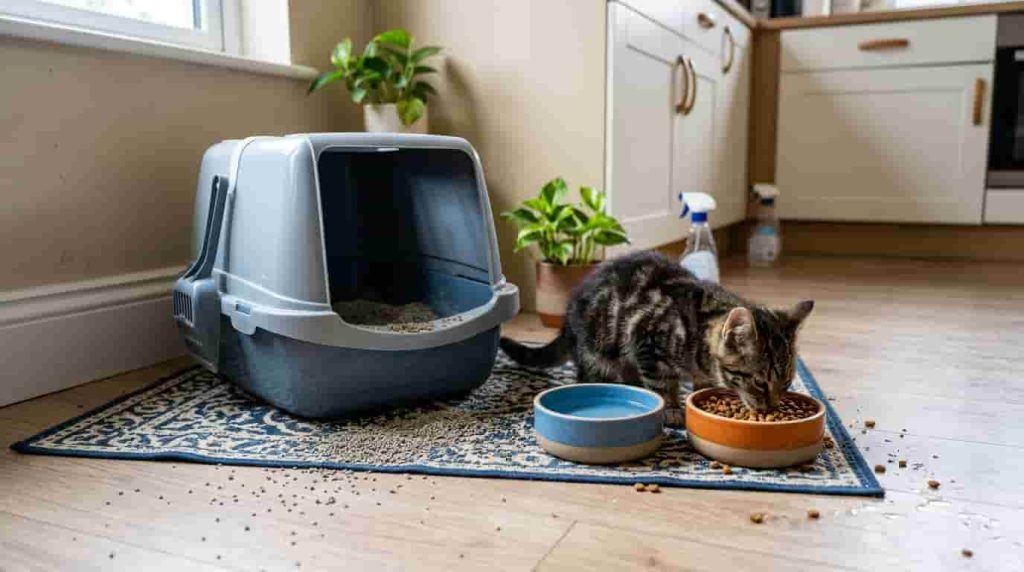
Kittens begin exploring and using the litter box as they develop independence, typically starting around 3 to 4 weeks of age with gradual mastery over the following weeks. Providing a simple, accessible setup and a gentle routine makes training seamless. Patience is key, and unexpected changes in bathroom habits should always be evaluated professionally.
We would love to hear from you! When did your kitten first start using the litter box, or what trick helped your feline friend master training the fastest? Share your experience below!
Frequently Asked Questions
Very young kittens under 3 weeks old cannot eliminate independently and require maternal stimulation, meaning they cannot use a litter box on their own yet.
As a general rule, provide at least one litter box per cat, plus one extra, placed in easily accessible areas around your home.
Exploration and bathroom behavior are two different milestones; kittens often love playing in textured litter before they fully grasp its intended purpose.
Yes, placing your kitten in the box gently after meals, naps, and play sessions helps reinforce a natural bathroom routine.
Review your box’s accessibility, clean up previous accidents thoroughly with an enzymatic cleaner to remove lingering odors, and consult a vet if the problem persists.