
Can Cats Eat Tuna? How Much Is Safe and How Often?
Introduction:
Can Cats Eat Tuna? Yes, cats can eat tuna in limited circumstances, but it should strictly remain an occasional treat rather than a primary food source. While many felines find the strong aroma and flavor of tuna irresistible, feeding it as a major component of their daily diet can lead to serious health issues. Understanding when tuna is safe—and when it poses a risk—is essential for every cat owner.
The safety of offering tuna to your pet depends heavily on the specific type of tuna, its preparation, the portion size, and how frequently it is served. Plain canned tuna packed in water differs significantly from commercial tuna-formulated cat food, which is fortified with essential nutrients that raw or human-grade canned fish lacks. Additionally, tuna prepared with seasonings, heavy oils, or ingredients like mayonnaise presents distinct health hazards that require caution.
This comprehensive guide breaks down everything you need to know about serving tuna to your feline companion. You will learn how much tuna is safe, how often cats can eat it, the differences between water-packed and oil-packed varieties, the risks associated with mercury and sodium, and how to safely incorporate seafood treats without disrupting your cat’s balanced nutrition.
Can Cats Eat Tuna Safely?

While cats can safely digest plain tuna in small amounts, offering human-grade tuna requires careful management to ensure it does not compromise their overall health.
Is Tuna Safe for Cats?
Tuna is not toxic to cats in its natural form, making it safe as an occasional reward. However, safe does not automatically mean nutritionally complete. Human canned tuna or plain tuna fillets lack the necessary balance of vitamins and minerals required for long-term feline health. When evaluating tuna safety for cats, moderation is the most critical factor.
Tuna as a Treat vs. Tuna as Cat Food
Understanding the distinction between human tuna and commercial pet products is vital for proper cat nutrition:
- Plain Human-Grade Tuna: Cooked or canned tuna meant for human consumption. It contains high protein levels but lacks essential trace minerals, calcium, and specific amino acids required by felines.
- Tuna-Flavored Treats: Formulated specifically for pets to deliver the appealing flavor in controlled, safe micro-portions.
- Complete and Balanced Cat Food Containing Tuna: Formulated by pet nutritionists to meet all daily nutritional requirements set by animal health authorities. These products combine tuna with added vitamins, minerals, and taurine to create a full meal.
Why Cats Should Not Live on Tuna Alone
Cats are obligate carnivores, meaning they require specific nutrients derived from animal tissue. However, relying on tuna as a primary meal replacement leads to severe dietary deficiencies. Plain tuna does not contain adequate levels of calcium, iron, copper, or Vitamin E, nor does it naturally supply the optimal ratio of taurine needed for heart and eye health. A diet consisting solely of plain tuna can cause systemic malnutrition and metabolic disease over time.
How Much Tuna Can I Give My Cat?
Determining an appropriate portion size prevents accidental overfeeding and protects your cat from dietary imbalances.
How Much Tuna Is Appropriate?
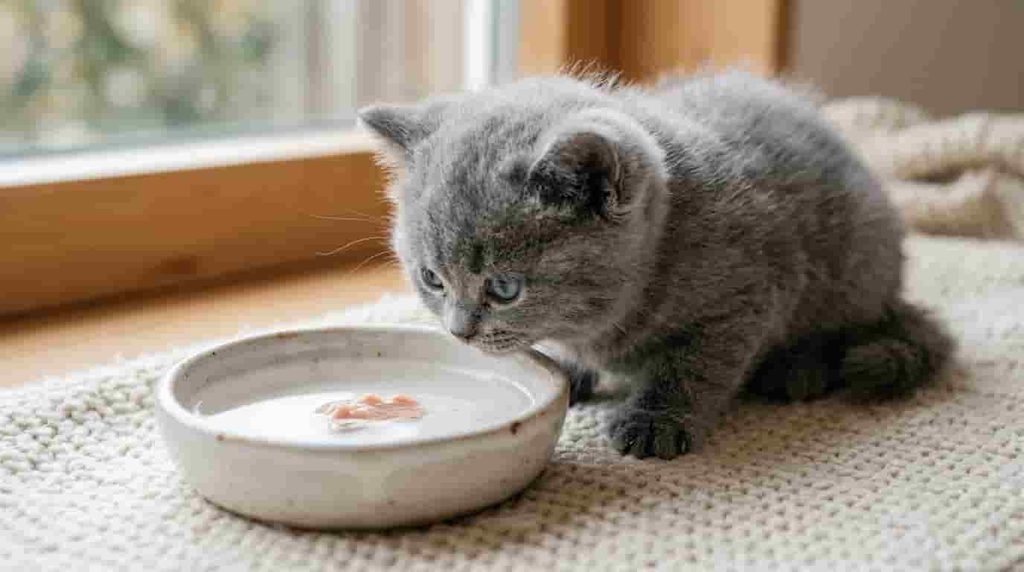
When offering tuna to an adult cat, the golden rule is that treats should never exceed 10% of their total daily caloric intake. For an average 10-pound adult cat, an appropriate serving of plain tuna is roughly one teaspoon to one tablespoon offered as an occasional topper or reward. Serving sizes must be adjusted based on your cat’s age, weight, activity level, and existing health conditions.
What Counts as Too Much Tuna?
Regularly feeding large quantities of tuna causes several health complications:
- Nutritional Imbalance: Displaces nutritionally complete cat food, leading to severe vitamin and mineral deficiencies.
- Excess Caloric Intake: Contributes to unhealthy weight gain and feline obesity.
- Heavy Metal Accumulation: Increases long-term exposure to trace mercury naturally found in large predatory fish.
- Picky Eating Habits: Encourages cats to reject their normal, balanced kibble or wet food in favor of strong-smelling fish.
Tuna Treats Should Stay Occasional
Keep tuna as an infrequent surprise rather than a daily habit. If your cat already consumes a commercial, nutritionally balanced wet food that contains tuna, they are already receiving the flavor safely and may not need additional human tuna treats.
Safe Tuna Feeding Checklist
| Preparation Standard | Verification Requirement |
| Portion Size | 1 teaspoon to 1 tablespoon |
| Liquid Packing | Water-packed only (No oil) |
| Added Seasonings | Zero salt, spices, or garlic |
| Serving Frequency | Occasional (1-2 times/week) |
| Nutritional Role | Treat only (Never main meal) |
How Often Can Cats Eat Tuna?
Frequency is just as important as portion size when incorporating human fish into a feline diet.
Can Cats Eat Tuna Every Day?
No, cats should not eat human tuna every day. Feeding tuna daily—even in small quantities—can foster addictive behaviors, increase heavy metal risks, and gradually displace essential nutrients provided by their complete pet food.
Why Frequency Matters
Consistently offering tuna every day exposes your cat to unnecessary risks. High intake of unsaturated fatty acids from fish without adequate Vitamin E supplementation can lead to steatitis (yellow fat disease), a painful condition characterized by inflammation of body fat. Restricting tuna to occasional use protects your cat’s metabolic balance.
Tuna in Cat Food Is Different
It is important to distinguish between daily human tuna and daily commercial tuna cat food. Commercial formulas using tuna are balanced with vitamins, minerals, and antioxidants to ensure safety for daily feeding. If your cat loves tuna, offering a complete canned cat food containing tuna is far safer than feeding plain canned tuna from your pantry.
What About Cats That Beg for Tuna?
Tuna possesses an exceptionally strong scent that can drive cats to beg persistently. To manage this behavior:
- Do not feed your cat directly from the tuna can or from your dinner table.
- Use tuna strictly as a reward for training or hiding medication.
- Stick to a consistent feeding routine using complete feline food.
Can Cats Eat Canned Tuna in Water?
Canned tuna packed in water is widely considered the safest choice when offering an occasional human tuna treat to your cat.
Is Tuna Packed in Water Better Than Tuna in Oil?
When choosing between water-packed and oil-packed varieties, water-packed tuna is always the superior option:
- Water-Packed Tuna: Provides pure tuna flesh without extra calories, heavy fats, or added processed oils.
- Oil-Packed Tuna: Soaks up excessive amounts of vegetable, soybean, or sunflower oil, adding unnecessary calories that can trigger digestive upset or acute pancreatitis.
What Should You Check on the Label?
Before buying canned tuna for your cat, review the ingredient label carefully:
- Sodium Content: Look for “no salt added” or low-sodium varieties.
- Additives: Ensure there are no added broths containing onion, garlic, or artificial flavorings.
- Packing Medium: Confirm the tuna is packed strictly in spring water.
How Should You Serve Canned Tuna?
To serve water-packed canned tuna safely, drain the water thoroughly to remove excess sodium. Measure out a small teaspoon-sized portion, flake it apart to check for stray bones, and place it on top of your cat’s regular food or in a clean treat bowl.
Can Cats Eat Tuna in Oil, Sunflower Oil or Olive Oil?

Many cat owners wonder if tuna packed in oil is safe for their pets. While not strictly poisonous, oil-packed fish introduces several dietary issues.
Can Cats Eat Tuna in Oil?
Tuna packed in oil should generally be avoided. The oil coating increases the calorie density of the treat dramatically. Cats require a precise daily calorie count, and consuming oil-rich foods can easily contribute to obesity and hepatic complications over time.
Can Cats Eat Tuna in Sunflower Oil?
Sunflower oil itself is non-toxic to cats in tiny amounts, but tuna packed in sunflower oil remains overly greasy and high in fat. Ingesting high amounts of sunflower oil can cause loose stools, diarrhea, and stomach cramping in sensitive felines.
Can Cats Eat Tuna in Olive Oil?
Similar to sunflower oil, olive oil is not inherently toxic, but tuna saturated in olive oil is far too rich for a cat’s digestive system. The extra fat can strain the pancreas, leading to painful inflammation. Stick strictly to plain tuna in water to keep treat time safe.
Can Cats Eat Tuna With Mayo?
Tuna mixed with mayonnaise—commonly prepared for human tuna salad—is not a suitable treat for cats.
Mayonnaise is high in fats, oils, and calories, which can quickly cause digestive upset, vomiting, or diarrhea. Furthermore, commercial tuna salad preparations often contain added salt, black pepper, lemon juice, mustard, celery, onions, or garlic powder. Ingredients like onions and garlic belong to the Allium family and are directly toxic to cats, damaging their red blood cells and leading to anemia.
What If My Cat Already Ate Tuna With Mayo?
If your cat licks a tiny speck of plain tuna salad off a plate, they will likely be fine. However, monitor them for signs of digestive trouble such as vomiting or soft stools. If the tuna salad contained onion, garlic, or large amounts of seasoning, contact your veterinarian for advice immediately.
Can Kittens Eat Canned Tuna in Water?
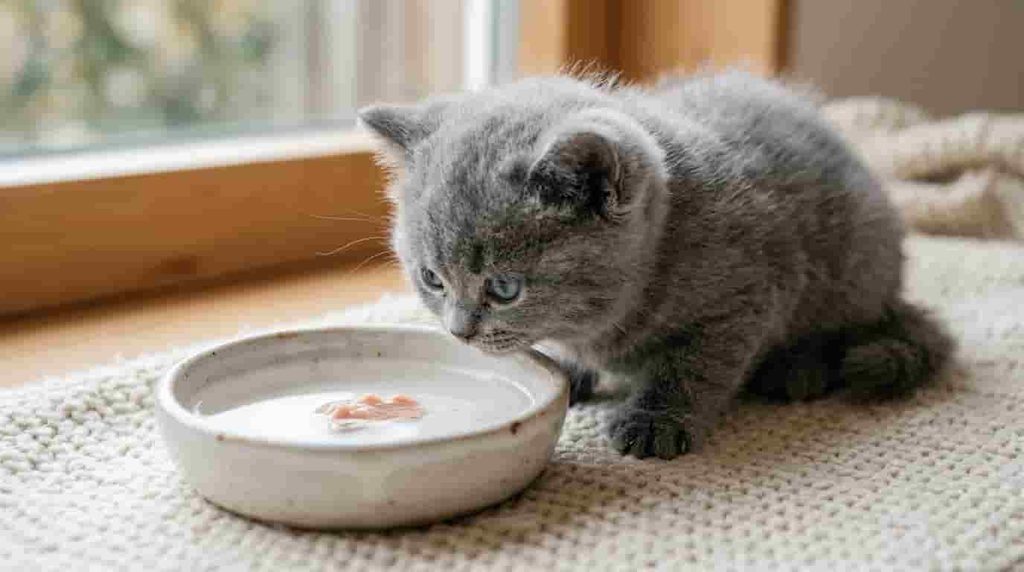
Kittens have delicate digestive systems and specialized nutritional demands that make feeding human tuna particularly risky.
Can Kittens Have Tuna?
Kittens should not be fed human canned tuna. Growing kittens require precisely balanced ratios of protein, calcium, phosphorus, and fatty acids to support rapid bone, muscle, and brain development. Offering tuna to a kitten can fill up their small stomach, preventing them from consuming the vital kitten food they need to grow properly.
Why Kitten Nutrition Matters
During the first year of life, kittens undergo rapid physiological growth. Disrupting their dietary intake with incomplete human foods can lead to metabolic bone disease, stunted growth, and gastrointestinal sensitivities.
If You Want to Give a Kitten Tuna
If you wish to introduce fish flavors to a kitten, select commercial wet kitten foods or treats specifically formulated for growth. These products deliver the enticing tuna taste while ensuring the kitten receives complete, balanced nutrition.
What Are the Risks of Giving Cats Tuna?
Understanding the potential risks of giving cats tuna enables owners to make informed decisions about their pet’s diet.
Health Risks of Overfeeding Tuna
| Risk Factor | Feline Health Impact |
| High Sodium Content | Electrolyte imbalance & thirst |
| Excess Unsaturated Fats | Vitamin E depletion / Steatitis |
| Mercury Accumulation | Neurological toxicity |
| Incomplete Micronutrients | Severe systemic deficiencies |
| High Palatability | Picky eating & food refusal |
Nutritional Imbalance
As obligate carnivores, cats require balanced ratios of essential nutrients. Plain tuna lacks sufficient calcium, Vitamin E, iron, copper, and essential vitamins. Relying on tuna as a dietary staple results in severe metabolic imbalances.
Tuna and Mercury/Contaminant Concerns
Tuna is an apex predator fish that accumulates trace amounts of environmental methylmercury over its lifespan. While an occasional bite of tuna poses minimal danger, frequent or heavy consumption can lead to mercury accumulation in body tissues, potentially causing neurological symptoms over time.
Excess Calories
Tuna is calorie-dense. Adding frequent tuna treats to your cat’s daily regimen without reducing their primary food intake leads to rapid weight gain, putting stress on joints and internal organs.
Salt and Added Ingredients
Canned tuna designed for humans often contains added sodium to enhance flavor. Excess sodium can strain a cat’s kidneys and disrupt hydration levels. Furthermore, seasoned tuna products introduce toxic ingredients like garlic and onion powders.
Tuna Toxicity in Cats

Tuna toxicity in cats does not refer to tuna being poisonous by nature. Instead, it refers to toxicity arising from mercury exposure, severe sodium overload, or toxic human additives (like Allium species). Restricting tuna to plain, water-packed varieties in micro-portions eliminates these dangers.
Possible Food Sensitivity or Digestive Upset
Introducing new proteins can trigger gastrointestinal distress in sensitive pets. Symptoms of tuna sensitivity include:
- Vomiting shortly after eating
- Diarrhea or loose stools
- Excessive skin scratching or red, inflamed patches
- Abdominal bloating and gas
Why Do Cats Love Tuna?
Cats are famous for their intense obsession with tuna, often rushing into the kitchen at the sound of a can opener.
Strong Smell and Flavor
Cats possess a highly developed sense of smell. Tuna emits a strong, pungent aroma rich in amino acids and fatty compounds that instantly signals “high-protein food” to a feline’s predatory senses.
Palatability
The flaky texture, moisture content, and umami taste of tuna make it exceptionally palatable. For sick, elderly, or inappetent cats, the strong smell of warmed tuna can sometimes encourage them to start eating again.
Why Tuna-Loving Cats Can Become Demanding
Because tuna is so flavorful, cats can quickly develop a strong preference for it. If fed tuna too often, a cat may hold out, refusing their regular balanced food in expectation of seafood. To prevent this, keep tuna strictly as a rare reward.
What Canned Fish Can Cats Eat?
Beyond tuna, pet owners often inquire about other canned fish choices for their cats.
Characteristics of a Better Canned Fish Choice
Safe canned fish choices should share the following characteristics:
- Packed in water without added salt or oils.
- Boneless and skinless (or with soft, fully digestible bones like canned sardines).
- Free from seasonings, marinades, or sauces.
- Sourced from smaller, non-predatory fish species to minimize mercury levels.
Human Canned Fish vs. Cat Food
While plain human canned fish can serve as an occasional treat, commercial fish-based cat foods remain superior for daily feeding because they contain complete vitamin and mineral packs.
If you want to explore the broader safety guidelines regarding different fish species, raw fish risks, and bone hazards, read our detailed guide on Can Cats Eat Fish? Safe Types, Bones, Raw Fish and Feeding Tips
What Do Cats Eat? Understanding the Bigger Picture

To maintain optimal health, your cat’s diet must be grounded in species-appropriate nutrition.
Cats are obligate carnivores requiring high levels of animal protein, moderate fat, and low carbohydrates. A complete commercial cat food formulated to meet AAFCO (Association of American Feed Control Officials) standards provides all necessary amino acids (including taurine), vitamins, and minerals.
What Can Cats Eat as Occasional Treats?
In addition to plain tuna, small portions of certain plain human foods can serve as safe occasional treats:
- Lean Cooked Meats: Plain boiled chicken breast provides clean protein without excessive fat. To learn more about safely preparing poultry, see our guide on Can Cats Eat Chicken? What Parts Are Safe and What to Avoid.
- Cooked Grains: Small amounts of plain cooked rice can aid digestive health during stomach upset. Read more in Can Cats Eat Rice? Is Cooked Rice Safe for Cats?.
- Cooked Eggs: Fully cooked eggs offer digestible protein and healthy fats. Learn how to serve them in Can Cats Eat Eggs? Are Cooked, Raw and Scrambled Eggs Safe for Cats?.
Can Cats Eat Bread?

Plain, fully baked bread is non-toxic to cats, but it offers zero nutritional value. Bread consists primarily of carbohydrates, which cats do not require in significant amounts. Giving your cat small crust pieces will not harm them, but raw bread dough containing active yeast is extremely dangerous, as it expands in the stomach and produces toxic alcohol. Keep your focus on species-appropriate meat treats instead.
How to Feed Tuna to Cats Safely
Following a structured preparation routine ensures treat time remains safe and enjoyable for your feline.
A Safe Tuna Checklist
Before giving tuna to your cat, run through this safety checklist:
- [ ] The tuna is packed in water (not oil or brine).
- [ ] The label confirms zero added salt, spices, or seasonings.
- [ ] The portion size is limited to 1 teaspoon (or up to 1 tablespoon for larger cats).
- [ ] All excess liquid is drained off.
- [ ] The tuna is served at room temperature.
- [ ] The treat is served alongside or on top of complete cat food.
Introducing Tuna to a Cat
When offering tuna to your cat for the first time, start with a tiny portion (half a teaspoon). Monitor your cat for the next 24 hours for signs of stomach distress or allergic reactions. If your cat tolerates the morsel well, you can keep plain water-packed tuna in your treat rotation once or twice a week.
Common Mistakes to Avoid
- Serving tuna packed in oil or high-sodium brine.
- Allowing tuna to replace primary, complete cat food meals.
- Offering tuna salad made with mayonnaise, onions, or seasonings.
- Feeding tuna to young kittens with growing nutritional demands.
- Overfeeding tuna to the point where the cat refuses regular kibble.
What Should You Do If Your Cat Eats Too Much Tuna?

Accidents happen—if your cat manages to raid an open can of tuna, take a calm, methodical approach.
Steps to Take
- Identify the Type: Check whether the tuna was packed in water, oil, or contained added seasonings/spices.
- Estimate the Amount: Determine roughly how much tuna was consumed relative to your cat’s size.
- Provide Fresh Water: Ensure your cat has access to plenty of fresh water, especially if the tuna contained sodium.
- Monitor Closely: Watch your pet for gastrointestinal or behavioral changes over the next 24 to 48 hours.
Warning Signs
Seek prompt veterinary attention if your cat displays any of the following concerning symptoms:
- Continuous or violent vomiting
- Severe or persistent diarrhea
- Extreme lethargy or weakness
- Swelling around the face or hives (allergic reaction)
- Abdominal pain or refusal to drink water
Do not attempt to induce vomiting at home unless explicitly instructed to do so by a licensed veterinarian.
When Should You Ask a Veterinarian About Tuna?

Veterinary guidance is essential whenever you have doubts about your cat’s dietary health.
Consult your veterinarian if:
- Your cat has pre-existing conditions like chronic kidney disease, diabetes, or food allergies.
- Your cat is on a strict therapeutic or prescription diet.
- You notice digestive upset whenever your cat eats fish.
- You want to formulate a balanced homemade cat food diet using fish as a primary protein source.
Homemade Cat Food Considerations
Creating balanced homemade cat food requires precise scientific formulation. Plain tuna alone is completely insufficient for a homemade diet. If you wish to cook for your cat, consult a board-certified veterinary nutritionist who can prescribe specific vitamin, mineral, and taurine supplements to make the diet complete and safe.
Tuna Feeding Decision Guide
Use this simple decision framework to determine if tuna is appropriate for your cat today:
| Recommendation Level | Scenario Criteria | Recommended Action |
| Safe to Serve | Plain, water-packed tuna; small portion (1 tsp); adult cat in good health; fed as an occasional treat. | Serve as an occasional reward (1–2 times per week). |
| Exercise Caution | Tuna in oil; canned tuna with light salt; cat is a kitten or senior; frequent treat requests. | Limit portion size drastically; transition to water-packed plain tuna. |
| Avoid Entirely | Tuna mixed with mayo, onions, garlic, or spices; cat has kidney disease; cat refuses regular food. | Do not serve; consult your vet for safe alternative treats. |
Conclusion — Can Cats Eat Tuna?
To summarize: Can Cats Eat Tuna? Yes, cats can enjoy plain tuna packed in water as an occasional treat, but it should never replace a complete and balanced feline diet. While its rich aroma makes it an exciting reward, feeding tuna too frequently or in large amounts can trigger nutritional deficiencies, excess weight gain, and picky eating habits. By limiting tuna to small, plain portions once or twice a week, you can safely indulge your cat’s seafood cravings while supporting their long-term health.
Does your cat go wild for the smell of tuna? How do you like to serve occasional treats to your pet? Share your experiences in the comments below!
FAQ
Can cats eat tuna every day?
No, cats should not eat human tuna every day. Feeding tuna daily can lead to severe nutritional imbalances, excessive sodium exposure, and potential heavy metal accumulation. Keep tuna as an occasional treat limited to once or twice a week.
Can cats eat canned tuna in water?
Yes, plain canned tuna packed in water is the safest option for an occasional treat. Ensure it contains no added salt, seasonings, or oils, and serve it in small, controlled portions.
How much tuna can I give my cat?
An appropriate serving of plain tuna for an average adult cat is roughly one teaspoon to one tablespoon per week. Treat calories should never exceed 10% of your cat’s daily caloric intake.
Can kittens eat canned tuna in water?
No, kittens should not eat human canned tuna. Growing kittens require precisely balanced nutrition to support healthy development, and human tuna can displace essential kitten food and cause metabolic gaps.
Can cats eat tuna in oil?
No, tuna packed in oil is not recommended for cats. The extra oil adds unnecessary fat and calories, which can lead to weight gain, stomach upset, or pancreatitis. Stick to plain tuna packed in water.