

Why Is My Cat Limping? Causes, Treatment and When to Worry
Introduction:
Why Is My Cat Limping can be a worrying question for any pet owner to encounter. A sudden limp can be caused by something minor, such as a sore paw or a damaged claw. Alternatively, it can signal a fracture, joint problem, infection, or other condition requiring professional veterinary care. Because cats are notoriously good at masking discomfort, any noticeable change in their gait or walking pattern deserves immediate attention.
Understanding feline mobility issues involves knowing the common cat limping causes, recognizing warning signs, understanding what owners can safely do at home, identifying emergency red flags, and knowing exactly when to contact a veterinarian. Most importantly, a cat that cannot bear weight, displays severe pain, or has suffered major trauma needs prompt veterinary attention.
Why Is My Cat Limping?

Limping in cats is an alteration in normal gait where the animal favors one leg to avoid putting full pressure or weight on it. This protective mechanism usually stems from pain, weakness, or structural instability. The problem can originate in any part of the limb, including the paw, claw, muscles, tendons, ligaments, joints, bones, or even nerves.
Feline limping reasons can manifest suddenly, develop gradually, appear intermittently, or persist continuously. A broad review of cat limping causes includes paw injuries, torn claws, foreign objects, sprains, fractures, dislocations, arthritis, bite wounds, and neurological issues. Identifying limping cat symptoms early helps ensure your pet receives the appropriate care. If you are ever concerned that your cat’s discomfort is part of a broader health issue, it is helpful to recognize other signals, such as if you are asking Why Is My Cat Drooling? Causes, Symptoms and When to Worry, which can sometimes accompany systemic distress.
Common Cat Limping Causes
Paw and Claw Problems
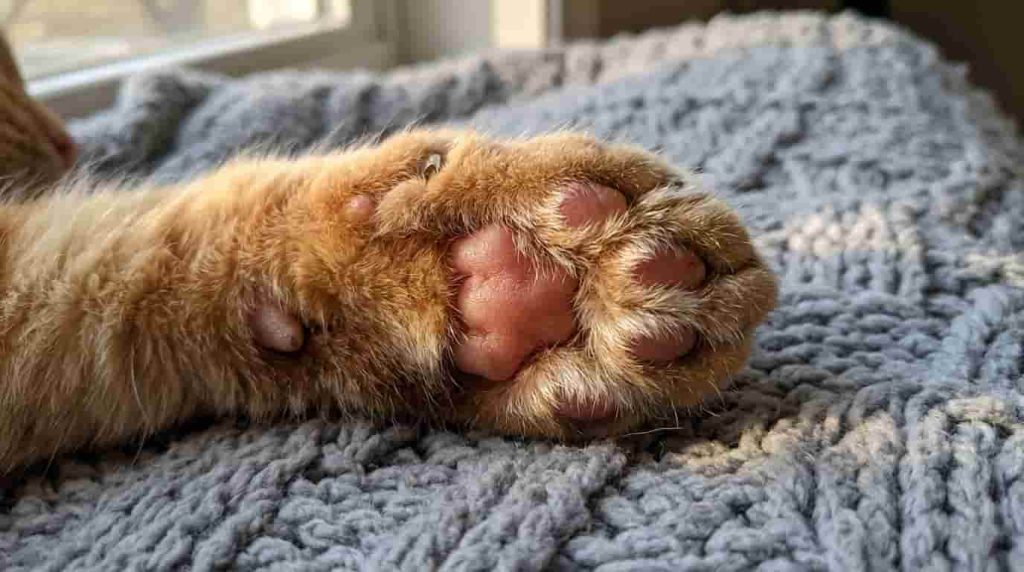
Paw and claw injuries are among the most frequent sources of sudden front-paw limping. Common issues include cuts, punctures from sharp objects, or torn claws snagged on carpets. If you suspect a paw issue, perform a brief visual check without forcing an uncooperative cat. Safety warning: Never attempt to dig deeply into embedded objects.
Sprains, Strains and Soft-Tissue Injuries
Jumping from high places or rough play can cause soft-tissue injuries. Because a cat may still use the leg despite discomfort, owners often struggle to distinguish a sprain from a fracture. If your cat is lethargic or showing respiratory changes alongside their mobility issues, you should also be aware of other potential concerns, like Why Is My Cat Coughing? Causes, Symptoms and When to Worry.
Fractures and Dislocations
High-impact accidents, such as falls, frequently cause fractures. Signs include a refusal to use the leg, severe pain, or abnormal limb position. Important warning: Never attempt to straighten or splint a broken leg at home.
Arthritis and Joint Problems
Arthritis often causes stiffness in older cats. Signs are subtle: less jumping, difficulty climbing, or reduced grooming. Unlike traumatic injuries, these are chronic, progressive conditions.
Bite Wounds, Abscesses and Infections
Outdoor cats may suffer puncture wounds that seal over and form an abscess. If your cat is hiding, feverish, or has a warm, tender lump on their leg, consult a veterinarian immediately.
Neurological and Circulation Problems
Sudden inability to use the rear legs, accompanied by pain or cold paws, is a major emergency that may indicate a circulatory blockage.
What Should I Do If My Cat Is Limping?

- Keep the cat calm: Reduce movement.
- Restrict activity: Prevent jumping and running.
- Check the paw only if safe: Look for wounds or foreign objects.
- Stop if the cat becomes distressed: Never force the leg to move.
- Record observations: Note which leg is affected and if the limp is worsening.
- Contact a veterinarian.
When Is Cat Limping an Emergency?
A cat needs emergency care if it cannot walk, refuses to bear weight, has suffered major trauma, or is in severe pain. These symptoms, along with other unusual behaviors—such as frequent Why Is My Cat Sneezing? Causes, Remedies and When to Worry—should always be monitored by a professional.
When Should a Vet See a Limping Cat?

Schedule an appointment if the limp persists for more than 24 hours, returns repeatedly, or if there is visible swelling and pain, even if the cat is still eating.
Why Is My Cat Limping on One Leg?
A single-leg limp usually indicates a problem affecting that specific limb. Even if the cat is partially bearing weight, the injury could be significant.
Why Is My Cat Limping Front Paw or Front Leg All of a Sudden?
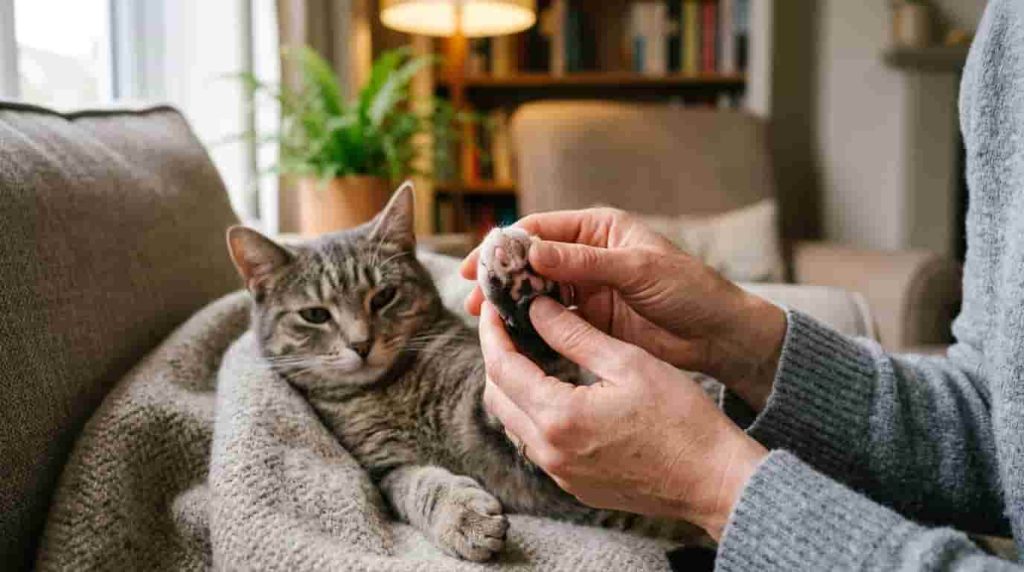
Front-leg limping is often caused by a torn claw, a foreign object, or a soft-tissue strain from a bad landing.
Why Is My Cat Limping on Her Back Leg?
Rear-leg limping can involve knee issues, hip dysplasia, or serious neurological conditions.
Why Is My Cat Limping on and Off?
This often points to chronic, low-grade issues like arthritis or luxating patella. Keep a log of these incidents to help your veterinarian diagnose the pattern.
Why Is My Cat Limping After Sleeping?

Stiffness after rest is a classic sign of joint inflammation or arthritis. A new or persistent post-sleep limp still requires professional assessment.
How Long Can a Limping Cat Heal Itself?
There is no universal “wait and see” rule. If the limp is persistent, recurrent, or causing your cat pain, contact a veterinarian immediately.
How to Tell if a Cat Sprained Its Leg?
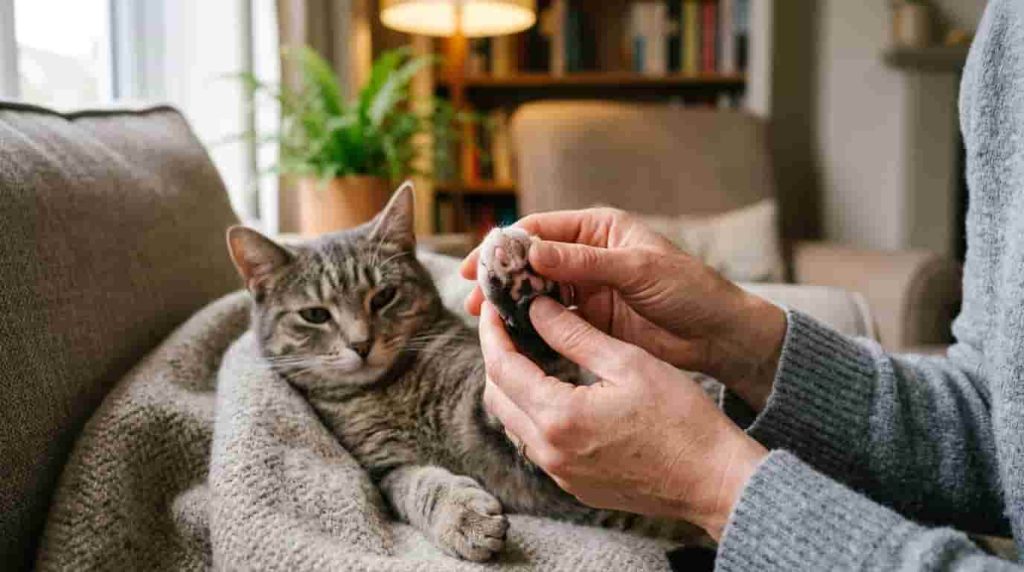
A sprain cannot be confirmed at home. Signs like mild swelling or stiffness can mimic fractures. Restrict activity and seek veterinary advice.
How Veterinarians Diagnose Cat Limping
Veterinarians use a combination of physical exams, gait observation, and diagnostic imaging (X-rays) to determine the cause of the lameness.
Cat Limp Treatment
Treatment depends on the diagnosis, ranging from wound care and antibiotics to pain relief and, in some cases, surgery. Critical warning: Never give human pain medication to a cat; it is often fatal.
Common Mistakes to Avoid

- Forcing the leg to move.
- Trying to straighten a suspected fracture.
- Giving human pain medicine.
- Testing the leg repeatedly.
- Waiting despite non-weight-bearing.
- Assuming a quiet cat is pain-free.
A Simple Decision Guide
- Emergency: Cannot walk or bear weight? Go to the vet now.
- Persistent: Limp lasts more than a day? Call the vet for an appointment.
- Mild: Monitor closely and restrict activity until you can consult a professional.
Conclusion
Why Is My Cat Limping may have a simple answer, but it can also signal an injury that needs treatment. Watch your cat closely, avoid unsafe home treatments, and seek veterinary care when the limp is severe, persistent, or accompanied by other warning signs. Has your cat ever developed a sudden limp? Share what you noticed in the comments below.
Frequently Asked Questions
Yes, cuts, thorns, or torn claws are common causes.
Yes, restriction helps prevent further injury.
Yes, cats instinctively mask pain to avoid appearing vulnerable
No, it usually indicates a chronic underlying issue.
Yes, it is a common cause of stiffness in older cats.