
Long Hair Cats: Breeds, Grooming, Care, Problems and What to Know
Introduction:
Long Hair Cats capture our hearts with their stunning, flowing coats and majestic appearances, but prospective owners must recognize that these magnificent manes require dedicated, ongoing maintenance. This comprehensive guide explores everything you need to know about long-haired felines, helping you understand their unique needs, common health challenges, and what it truly takes to provide a happy home for these fluffy companions. Whether you are wondering about specific breeds, everyday grooming routines, shedding management, or adoption considerations, understanding these factors ensures a rewarding relationship between you and your long-haired pet.
What Are Long Hair Cats?
What makes a cat long-haired?
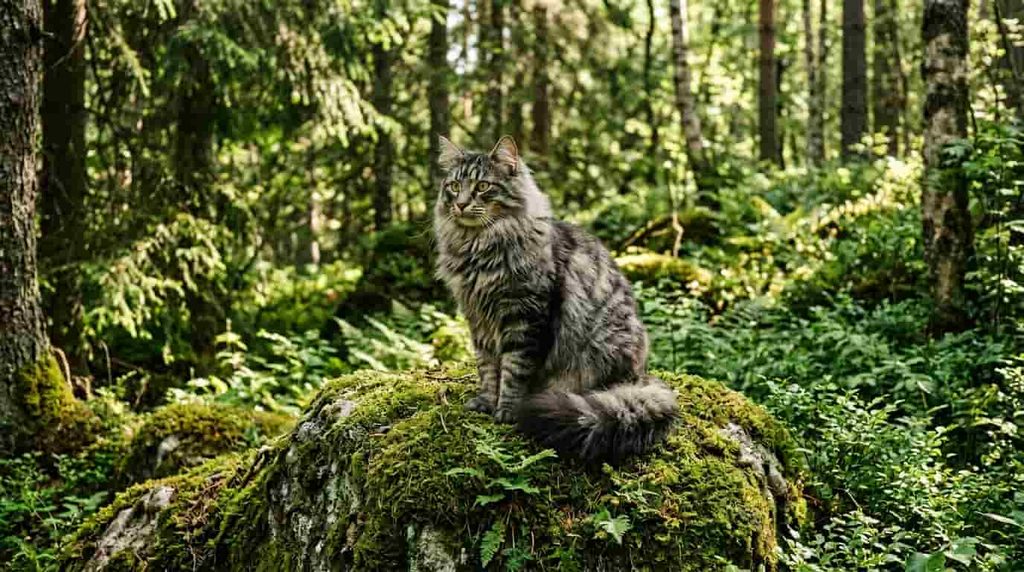
In everyday cat terminology, a long-haired cat is defined by a coat that is visibly extended over the entirety of its body, featuring longer guard hairs and a dense, protective undercoat. While short-haired cats possess fur that lies flat and typically measures an inch or less, long-haired felines sport coats that can range from two to several inches in length, particularly around the ruff, tail, and britches. These coats differ dramatically in length, density, texture, and the tendency to tangle. Some cats have silky single-layer coats that rarely mat, while others possess thick, cottony undercoats that require vigilant daily maintenance to prevent severe tangling.
Long-haired vs. short-haired cats
Comparing the two coat types highlights stark differences in daily upkeep and home management. Long-haired cats demand regular brushing sessions multiple times a week to manage loose hair and prevent painful mats, whereas short-haired cats generally require much less frequent coat maintenance. While visible shedding can be prominent in both types, long-haired cats often leave behind longer, more noticeable clumps of fur on furniture and clothing. Maintaining a clean home environment with a long-haired cat requires consistent sweeping, vacuuming, and fabric care, alongside proactive management of the cat’s coat to minimize flying hairs and trapped debris.
Are longhair cats rare?
Long-haired cats are not inherently rare. While specific pedigreed long-haired breeds involve careful breeding programs, millions of domestic long-haired cats exist worldwide outside of recognized breeds. These mixed-breed domestic cats inherit long fur through recessive genes passed down through generations of the general feline population.
What Breed of Cat Has Long Hair?

Popular long-haired cat breeds
- Persian: Characterized by a long, dense coat and a flat face, Persians have a high grooming demand and suit quiet, calm indoor households.
- Maine Coon: Featuring a long, water-resistant flowing coat, Maine Coons are large, active, social cats well-suited for families and active homes.
- Ragdoll: Boasting a semi-long, plush coat, Ragdolls have moderate grooming needs and a laid-back, affectionate temperament ideal for relaxed environments.
- Siberian: Equipped with a dense, triple-layer semi-long coat, Siberians require moderate-to-high attention and are known for being playful, robust companions.
- Norwegian Forest Cat: These cats possess a heavy, water-repellent double coat, requiring regular brushing, and thrive in adventurous, engaging homes.
- Birman: Recognized by a semi-long silky coat and distinctive color points, Birmans have moderate grooming requirements and gentle, people-oriented personalities.
- British Longhair: Featuring a plush, dense semi-long coat, they require moderate maintenance and suit owners looking for an easygoing, independent pet.
- Himalayan: Combining Persian appearance with Siamese coloration, Himalayans have high grooming demands and prefer peaceful, predictable indoor settings.
- Turkish Angora: Sporting a fine, silky single-length coat with moderate grooming needs, they are energetic, intelligent cats that love interactive play.
Which cat breeds are long-haired?
Long-haired breeds encompass a diverse range of body types, activity levels, and temperaments, proving that fluffiness does not dictate a single personality. From the massive, athletic Maine Coon to the delicate, quiet Persian, each breed brings unique physical traits and care requirements to a household.
What are the fluffy cats called?
Terms like long-haired cats, longhair cats, fluffy cats, and long-coated cats are all used interchangeably by cat lovers. “Fluffy” is simply a descriptive term rather than a formal biological or breed classification, applying equally to purebred show cats and mixed-breed domestic rescues.
Long Hair Cat Personality Traits: What Are They Like?
Does long hair affect personality?
Coat length does not dictate a cat’s temperament. Genetics, early socialization, environment, and individual personality heavily outweigh physical appearance when determining how a cat behaves, interacts, and responds to human handling.
Personality differences between popular breeds
While individual variation is always present, certain tendencies are common among specific long-haired types. Persians tend to be serene, quiet, and lap-loving, whereas Maine Coons often display playful, dog-like social behaviors. Ragdolls lean toward a relaxed, floppy demeanor when held, and Turkish Angoras are frequently curious, high-energy acrobats. Choosing a cat based on lifestyle rather than coat appearance ensures a better long-term match, whether you manage a busy family household, a quiet apartment, or require an independent companion.
How to Care for Long Hair Cats

Build a regular grooming routine
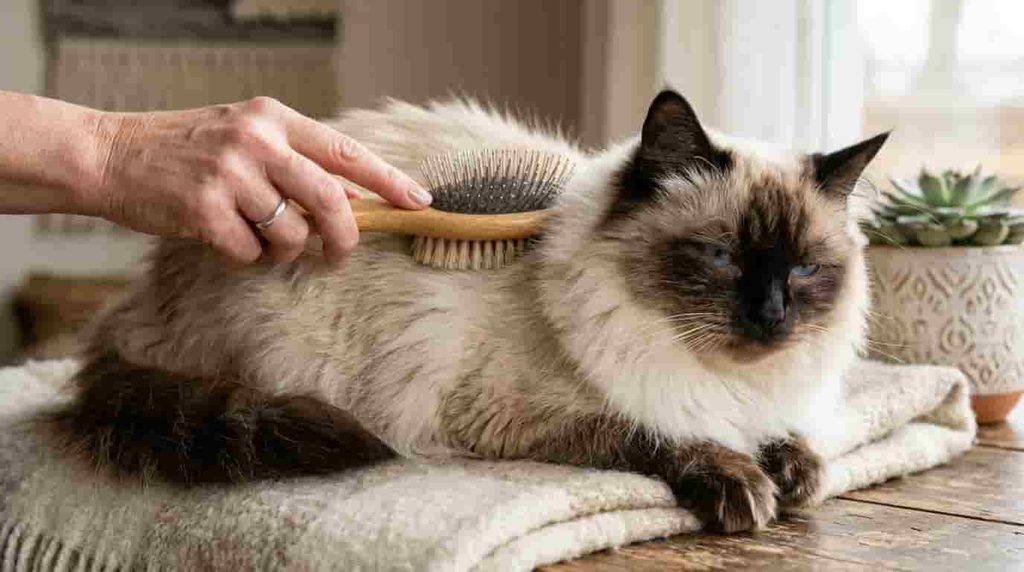
Establishing a predictable grooming schedule is essential for keeping long-haired coats healthy and free of painful tangles. Regular coat checks allow you to catch small knots before they escalate into severe mats, particularly in high-friction zones such as the armpits, collar area, and hindquarters. Keep early grooming sessions calm, positive, and brief, gradually increasing duration as the cat grows accustomed to the sensation.
The best brushes for long hair cats
- Slicker brush: Features fine, short wire pins close together to remove loose fur and surface tangles.
- Wide-toothed comb: Ideal for gently teasing apart minor knots and working through the outer coat layers.
- Undercoat rake: Designed with rounded pins to penetrate thick, dense undercoats without scratching the skin.
- Steel greyhound comb: Perfect for final checks to ensure no hidden tangles remain near the skin.
Long hair cat grooming tips
Begin grooming only when your cat is relaxed, such as after a meal or a play session. Work in small, manageable sections rather than trying to brush the entire body at once. Be exceptionally gentle around sensitive areas like the belly, groin, and behind the ears. Always check beneath the top layer of fur to ensure mats aren’t forming close to the skin. Reward calm behavior with praise or a favorite treat, and stop immediately if the cat becomes agitated, trying again later when they are calm. For additional routine maintenance, remember that Cat Nail Trimming: How to Safely Cut Your Cat’s Nails at Home can be practiced alongside grooming sessions to keep scratching under control and prevent accidental injury during handling.
Preventing Matting in Long Hair Cats

Why does long fur become matted?
Mats form when loose shed hair becomes trapped within the active coat and catches on surrounding fur, twisted by body friction, moisture, and natural skin oils. Without routine combing, these loose fibers weave tightly together, forming dense clumps that pull painfully on the underlying skin.
How to spot an early mat
Early mats manifest as small, localized knots, clumped fur, or subtle changes in coat texture where the hair feels unusually dense or rope-like. If you notice areas where the skin is difficult to see or feel, a tangle is likely beginning to form beneath the surface.
How to deal with minor tangles
Gently hold the base of the tangle near the skin to avoid pulling or tearing delicate tissue, then use a wide-toothed comb or your fingers to tease the knot apart starting from the outer portion and working inward. Never yank aggressively at a stubborn mat, and strictly avoid using household scissors close to the skin, as cat skin is extremely elastic and easily snipped.
When a groomer or veterinarian should help
Severe matting, mats fused directly to the skin, inflamed or irritated skin, and cats that aggressively resist home grooming require professional intervention. Attempting to force out severe mats at home can cause severe skin lacerations and trauma, making professional veterinary or groomer assistance the safest path forward.
Long Hair Cat Shedding: What Should You Expect?
Do long-haired cats shed more?
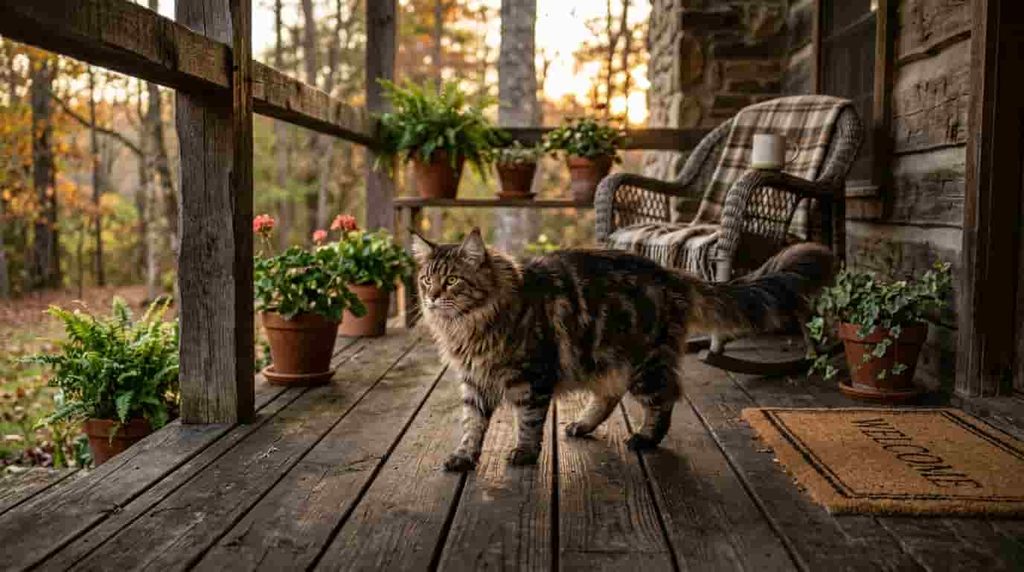
Coat length often makes shed hair far more visible as it floats onto furniture or gathers in corners, but it does not automatically mean a long-haired cat sheds a higher volume of hair than a short-haired counterpart. The visual impact of long fur simply exaggerates the amount of hair lost during daily activities.
Seasonal shedding
Many long-haired cats experience heavy seasonal shedding, dropping their thick winter undercoats as daylight hours increase in the spring, and shedding lighter summer coats as winter approaches. Indoor environmental lighting and temperature control can slightly moderate these cycles, but natural biological shedding rhythms remain prevalent.
How to manage loose hair
- Brush the coat multiple times weekly to capture loose hair before it drops onto carpets.
- Maintain consistent cleaning habits, utilizing vacuums equipped with pet-hair attachments.
- Wash cat bedding regularly in hot water to remove trapped dander and loose fur.
- Implement targeted grooming sessions during seasonal coat changes to accelerate the removal of dead undercoat hair.For comprehensive strategies on minimizing ambient home hair, consult Cat Shedding: How to Reduce Excessive Cat Hair and Shedding at Home to learn advanced environmental controls and nutritional support options.
Long Hair Cat Health Concerns and Common Problems
Hairballs
Long-haired cats ingest significant amounts of loose hair while grooming themselves. While much of this hair passes naturally through the digestive tract, excess accumulation can form dense hairballs that are regurgitated. Regular brushing dramatically reduces the volume of loose hair available for ingestion, minimizing hairball frequency. Persistent vomiting or lethargy requires prompt veterinary evaluation.
Matting and skin problems
Severe mats act like tight bands, pulling constantly on the skin, restricting blood flow, trapping moisture, and hiding dangerous skin parasites, hot spots, or infections. Maintaining a mat-free coat is vital to overall feline dermatology.
Dandruff and changes in the coat
Flaky skin or long hair cat dandruff can stem from dry indoor air, nutritional imbalances, parasitic infections, or systemic health issues. Avoid diagnosing the root cause from visual appearance alone, and seek professional veterinary testing if flaking persists.
Coat changes that deserve attention
Watch for sudden excessive shedding, bald patches, persistent dandruff, a greasy or dirty-looking coat, strong unusual odors, excessive scratching, painful reactions during grooming, or skin redness. Any of these signs warrant a professional veterinary checkup to rule out underlying medical conditions.
Do Long Hair Cats Need Special Food?
Do long-haired cats need a special diet?
Coat length alone does not automatically necessitate specialized commercial food. The primary nutritional requirement for any cat is a complete, balanced diet appropriate for their specific life stage, activity level, and medical history.
Nutrition and coat condition
Optimal skin and coat health rely heavily on high-quality proteins, essential fatty acids like omega-3 and omega-6, and adequate vitamins and minerals. While balanced commercial diets provide these nutrients, supplements should never be added arbitrarily without veterinary guidance.
When diet may need individual adjustment
Adjustments may become necessary if a cat suffers from specific medical sensitivities, weight management issues, or severe hairball problems that require specialized fiber blends. Always consult your veterinarian before altering a cat’s established dietary regimen.
Do Long Hair Cats Need Haircuts?
Should you shave a long-haired cat?
Routine shaving is rarely necessary or recommended as a default grooming solution. A cat’s natural coat serves critical biological functions, including thermal regulation, protection against sunburn, and defense against minor physical abrasions.
When trimming may be useful
Limited professional trimming can be exceptionally helpful for maintaining hygiene around the hindquarters, managing severe intractable matting, or accommodating specific medical and senior-care needs where daily brushing is no longer feasible.
Why DIY shaving can go wrong
Feline skin is remarkably thin, delicate, and elastic, making it exceptionally easy to nick with clippers or scissors. Furthermore, the noise and vibration of clippers often trigger severe panic in unaccustomed cats, leading to accidental injury.
Long Hair Cats as Kittens: What Changes?
How can you tell whether a kitten will have long hair?
Kitten coats undergo dramatic developmental changes as the animal matures. While pedigree kittens usually display clear coat traits early on, mixed-breed kittens can sometimes be deceptive, developing plush, long coats only as their adult guard hairs and undercoats fully grow in.
Start grooming early
Introduce gentle handling routines during early kittenhood by softly touching paws, ears, and coats during calm moments. Keep sessions exceptionally brief and pair them with positive rewards to build lifelong tolerance and cooperation. Early exposure ensures future brushing sessions remain stress-free and allows owners to monitor skin health from an early age.
Long Hair Cat Adoption: What Should You Consider?

What to check before adopting
Before bringing home a long-haired rescue cat, evaluate your daily schedule against their grooming needs, check their current coat condition for existing mats, and assess their temperament, age, and health history. Ensuring household compatibility with a high-maintenance coat prevents future surrender or neglect.
Questions to ask a shelter or rescue
Inquire whether the cat tolerates regular brushing, whether the coat has experienced chronic matting, if there are known skin sensitivities, and what specific grooming tools have successfully worked for the cat in the past.
Long Hair Cat Price: What Can Affect the Cost?

Why there is no single long hair cat price
The initial cost of acquiring a long-haired cat varies wildly based on whether you adopt from a shelter or purchase a registered purebred from a professional breeder. Factors such as pedigree documentation, regional availability, age, and baseline health care heavily influence the upfront price.
Look beyond the purchase or adoption fee
Responsible ownership requires budgeting for ongoing expenses, including quality grooming tools, professional grooming appointments, premium nutrition, parasite prevention, and routine veterinary care to ensure long-term well-being.
Long Hair Cat Groomer Near Me: When Professional Grooming Helps
When facing severe tangles, large matted pelts, or managing a cat that utterly resists home brushing, enlisting a professional long hair cat groomer near me is often the safest and most efficient solution. Professional groomers utilize specialized feline-safe equipment and expert handling techniques to safely strip away severe mats and perform necessary sanitary clips without inflicting stress or injury. Routine professional maintenance can complement your home care routine, though it should never replace daily attention. For overall care, remember that occasionally incorporating safe maintenance practices—such as checking body structures or ensuring proper hygiene—keeps your feline comfortable, though you should keep related care tasks separated, utilizing resources like Cat Ear Cleaning: How to Clean Cat Ears and Remove Black Wax Safely and Cat Bathing: How to Bathe a Cat Safely Without Stress or Scratches as targeted routines rather than daily chores.
Common Long Hair Cat Care Mistakes to Avoid
- Waiting until the coat is badly tangled before attempting intervention.
- Brushing only the superficial top layer while ignoring dense undercoat mats.
- Pulling forcefully on knots or using household scissors dangerously close to the skin.
- Assuming every fluffy cat requires an identical grooming frequency or toolset.
- Choosing a pet based entirely on aesthetic appeal rather than lifestyle compatibility.
- Ignoring sudden coat texture changes or dandruff, dismissing them as normal traits.
Are Long Hair Cats Right for You?
A long-haired cat may suit you if…
You have the time and dedication to maintain a regular grooming schedule, enjoy interactive handling sessions, can comfortably manage shedding, and have budgeted appropriately for specialized grooming tools and veterinary care.
You may want to reconsider if…
You lack the time for consistent coat maintenance, strongly dislike finding stray hairs on household surfaces, or are unwilling or unable to seek professional help when severe matting occurs.
A long-haired cat readiness checklist:
- Regular brushing fits smoothly into your weekly routine.
- You can check the coat several times each week for early tangles.
- You are prepared for routine home cleaning and shedding management.
- You have identified a reliable plan for professional grooming support.
- You can comfortably afford routine and emergency veterinary care.
- The cat’s specific temperament aligns harmoniously with your household.
Frequently Asked Questions About Long Hair Cats
What breed of cat has long hair?
Popular long-haired breeds include Persians, Maine Coons, Ragdolls, Siberians, and Norwegian Forest Cats, alongside millions of domestic long-haired cats without specific pedigree backgrounds. These cats vary dramatically in body type, energy, and maintenance requirements.
Are longhair cats rare?
Long-haired cats are not rare at all. While certain show-quality purebreds involve selective breeding, domestic long-haired cats are common in shelters and communities worldwide.
Do long-haired cats need to be brushed every day?
Brushing frequency depends heavily on coat density and individual hair texture, but most long-haired cats benefit from thorough brushing several times a week, with some dense-coated breeds requiring daily attention to prevent mats.
Do long-haired cats shed a lot?
Shedding volume varies by individual cat and season, but longer fur naturally makes shed hair appear much more prominent and noticeable across home environments compared to short-haired cats.
Is it OK to shave a long-haired cat?
Routine shaving is generally unnecessary and deprives the cat of natural protection. However, limited professional trimming can be helpful for severe matting, hygiene maintenance, or specific medical recommendations.
Conclusion
Long Hair Cats make exceptionally rewarding, affectionate companions, provided owners approach their care with realistic expectations and consistent dedication. By understanding their unique grooming requirements, monitoring their skin and coat health, and selecting a cat whose personality matches your lifestyle, you can ensure a wonderful life together. Have you ever cared for a long-haired cat, or do you have a favorite fluffy breed? Share your experiences and thoughts in the comments below!