

Cat Bee Sting: Managing swelling and checking for allergic shock.
Introduction:
Cat Bee Sting incidents often start with a harmless afternoon nap in the garden. Have you ever noticed your cat batting at a buzzing fly near the window? Usually, this ends in play, but sometimes the visitor packs a painful surprise. A sudden yowl brings you running into the room.
What caused that sharp, frantic sound? You find your cat shaking a paw or batting at their nose with wide, scared eyes. This reaction signals a potential sting, but how can you know for sure? Furthermore, you must decide if this situation requires a trip to the vet.
Identifying a Cat Bee Sting

A Cat Bee Sting often causes immediate, localized discomfort for your pet. You might notice your cat suddenly pawing at their mouth or face. Because cats explore the world with their paws and nose, these areas suffer most. Therefore, look closely at the site for redness, heat, or small swelling.
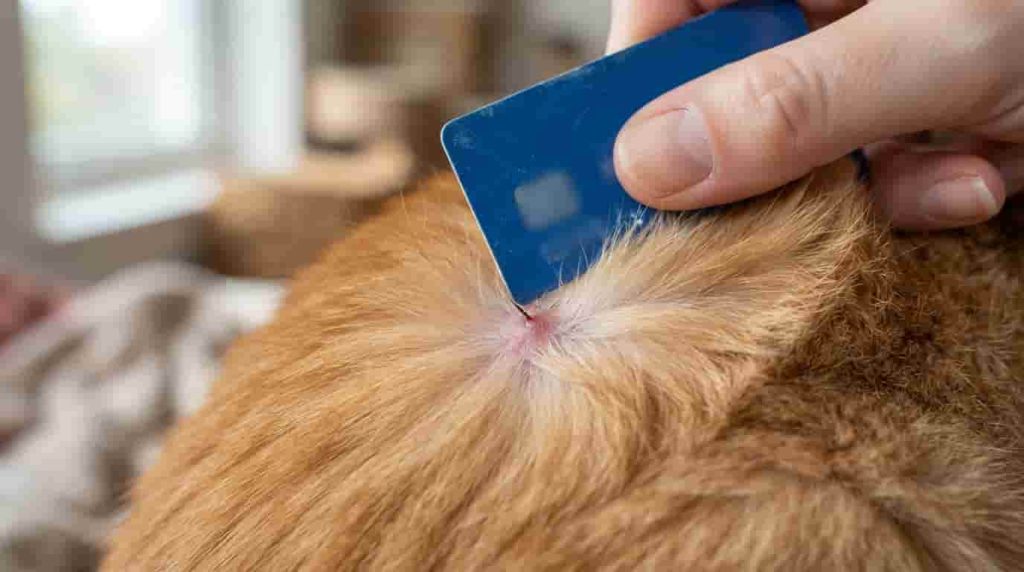
In some cases, the stinger remains stuck in the skin. You should check the area carefully for a small, dark object. If you find one, remove it gently using a credit card edge. Consequently, you stop the release of venom into their system right away.
Recognizing Bee Sting Symptoms
Common bee sting symptoms include rapid swelling and visible signs of pain. You might see your cat limping or holding a limb off the ground. Additionally, they may drool or paw at their face to soothe the burning feeling. Many cats also try to hide away because they feel scared.
You monitor the area for increasing inflammation over the next hour. While mild swelling often resolves alone, severe reactions happen in some felines. Because feline allergies exist, you watch their breathing patterns very closely. You always prioritize safety when you handle pet emergencies.
Immediate First Aid for Cats
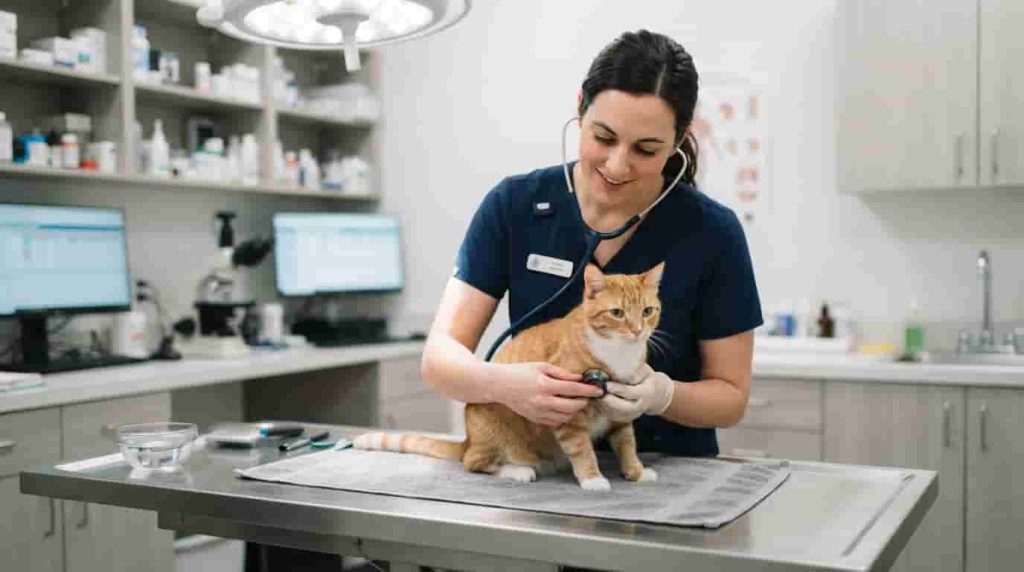
First aid for cats starts with keeping them as quiet as possible. You should apply a cold compress to the swollen spot for ten minutes. Use a clean cloth wrapped around an ice pack to protect their skin. Therefore, you reduce the sting pain without causing them any further stress.
If your cat continues to act agitated, you must evaluate their behavior. Do they seem to have trouble taking a deep breath? If so, this could signal an allergic reaction in cats. You must act fast because professional veterinary care saves lives in these moments.
Treating Bee Stings in Cats

Treating bee stings in cats at home involves managing the mild discomfort. You keep them hydrated and offer a cool, dark room for rest. Furthermore, avoid giving any human medicine without clear veterinary advice. Many common drugs are toxic to felines and cause secondary issues.
You call your vet to describe the cat bee sting swelling in detail. They might suggest an over-the-counter antihistamine, but only if appropriate for your pet. Always follow their dosage instructions to prevent accidental overdose. You keep your cat safe by acting with professional guidance.
Emergency Care for Cats

Emergency care for cats becomes necessary if they show signs of shock. An allergic reaction in cats often manifests as rapid weakness or pale gums. Furthermore, if the sting occurred near the throat, swelling blocks their airway. You must seek veterinary care immediately in these specific cases.
One owner, Mike, found his cat, Luna, gasping after she ate a bee. Because he knew the signs, he rushed her to the clinic within minutes. Luna received an injection and felt much better by the next morning. You see how fast thinking leads to a positive result.
Understanding Cat Bee Sting Allergy
A severe cat bee sting allergy triggers systemic problems across the body. You notice their heart rate might speed up or they become lethargic. Additionally, they may suffer from vomiting or diarrhea after the initial trauma. These signs indicate that their body reacts poorly to the venom.
VCA Animal Hospitals reminds owners that time is everything during an anaphylactic shock event. You never wait to see if the symptoms simply go away. Instead, you transport your cat to the nearest pet hospital immediately. You provide the best chance for recovery through swift action.
Preventing Future Incidents

Cat bee sting prevention focuses on keeping your home environment safe. You should keep screen doors closed during the height of bee season. Additionally, remove flowers that attract pollinators from your immediate porch area. You reduce the chances of a run-in by limiting their access.
Also, keep your garden clear of standing water that attracts hungry insects. You might enjoy gardening, but always keep your curious cat inside. This simple change serves as effective cat bee sting prevention for most indoor pets. You enjoy your outdoor space while keeping your cat safe.
Managing Other Potential Household Risks
You might face other outdoor threats while you manage your yard safety. For example, check for minor injuries if they climb near kitchen appliances. You might need to know about Cat Burn Treatment: What to do if a cat jumps on a hot stove. to protect your pet. Both incidents require you to stay alert and keep your kit ready.
Additionally, keep an eye out for hidden dangers if your cat wanders. Read Cat Snake Bites: Identifying venomous vs non venomous punctures. to prepare for potential outdoor threats. Knowing these treatments gives you confidence as a responsible pet owner. You handle emergencies with grace when you possess the right knowledge.
Staying Cool During the Summer
Finally, be aware that heat affects your cat as much as stings. You should keep them hydrated and comfortable during hot summer days. Read Cat Heat Stroke: Cooling down a panting pet during a power outage. to learn about cooling techniques. Proper care ensures they remain happy and healthy through every season.
You provide a safe haven for your cat through careful planning. Always keep your emergency numbers in one easy place. You act with confidence when you know exactly what to do. Your cat deserves a guardian who stays prepared for anything.
Conclusion
A Cat Bee Sting is an uncomfortable event but rarely turns fatal. You now understand how to spot symptoms and provide the right first aid. Remember that keeping them calm and seeking veterinary advice keeps them safe. This knowledge makes you a more confident and effective pet owner.
Will you look for ways to make your home safer for your cat? Share your experience or ask a question about cat stings in the comments below! We love hearing how your cat stays happy during their outdoor adventures.
Frequently Asked Questions
Most mild swelling lasts for a few hours to a day. You should see improvements with a cold compress and quiet rest.
You should worry if you see difficulty breathing or extreme lethargy. Any signs of a widespread reaction require an immediate vet visit.
You can use a baking soda paste to soothe the area. Ensure your cat does not lick the paste, as it can upset their stomach.
Stings in the mouth are very serious because swelling can block breathing. You should treat mouth stings as a medical emergency.
Honey bees leave a stinger, while wasps do not. You should inspect the site to ensure no stinger remains trapped inside.